Walking into any organized retail space, you're witnessing a silent symphony of logistics and merchandising, all made possible by one critical element: the retail store racking systems. These structures are far more than just metal beams; they are the foundational framework that dictates inventory capacity, customer flow, and ultimately, sales performance. Choosing the wrong system can lead to wasted space, damaged goods, and frustrated shoppers. This comprehensive breakdown cuts through the complexity, comparing the top five types of retail store racking systems, their costs, and providing a clear guide to selecting the perfect fit for your business.
Before diving into the types, it's crucial to understand the strategic role these systems play. Effective retail store racking systems do more than just hold products. They:
Maximize Space Utilization: By leveraging vertical cube space, you can store more inventory in the same footprint.
Improve Customer Experience: A well-organized layout with clear sightlines makes shopping intuitive and pleasant.
Boost Staff Efficiency: Streamlined picking and restocking processes save time and reduce labor costs.
Enhance Product Visibility and Security: The right display can highlight featured items and deter theft.
Ignoring the importance of a well-planned racking layout is a direct hit to your bottom line.
Not all racks are created equal. The best choice depends entirely on your product mix, store layout, and inventory management style.
1. Gondola Shelving: The Versatile Workhorse
This is the most common sight in retail. Gondola shelving consists of freestanding units with shelves on both sides, accessible from multiple aisles.
Best For: Grocery stores, convenience stores, pharmacies, and any retailer with a wide variety of small to medium-sized goods.
Pros: Highly flexible and adjustable. End caps can be used for promotions. Easy to assemble and reconfigure.
Cons: Does not efficiently use the very top levels for manual picking without a ladder.
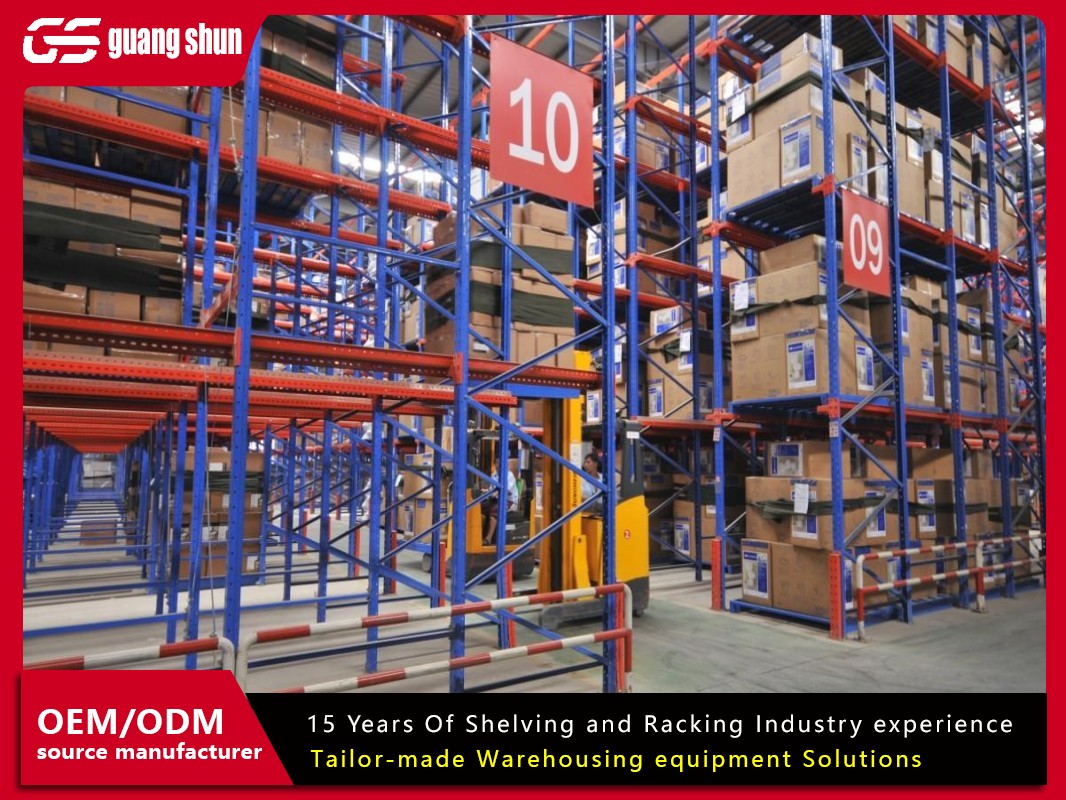
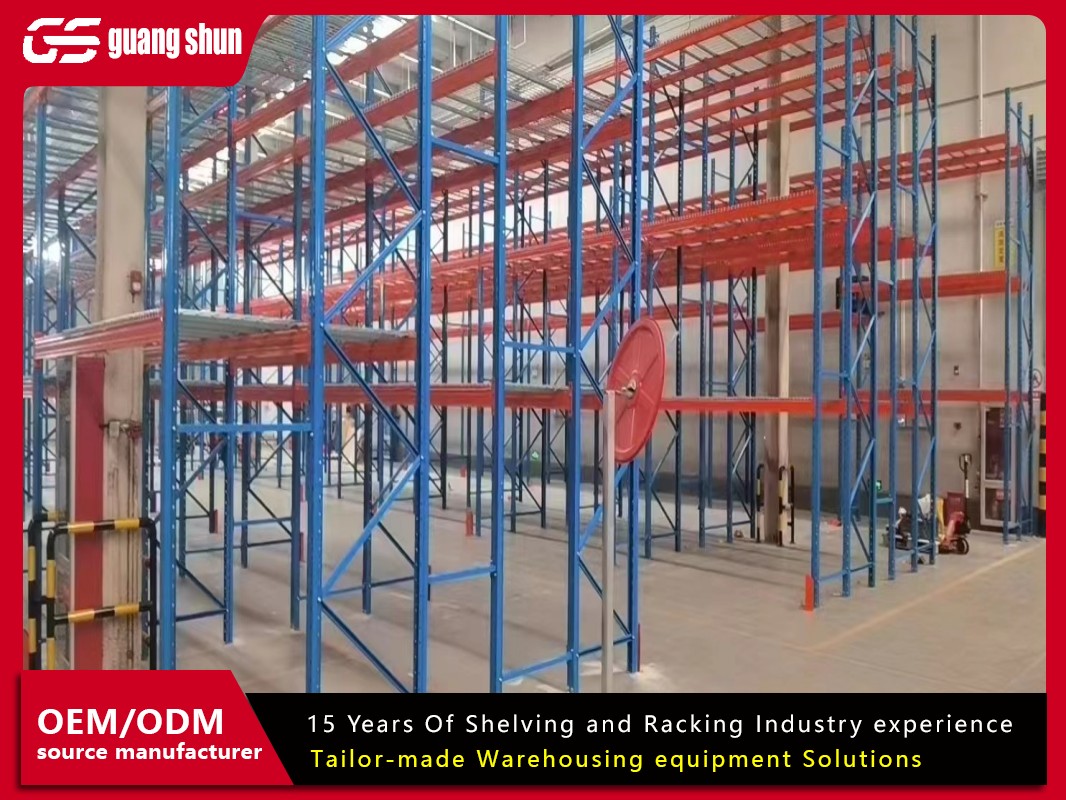
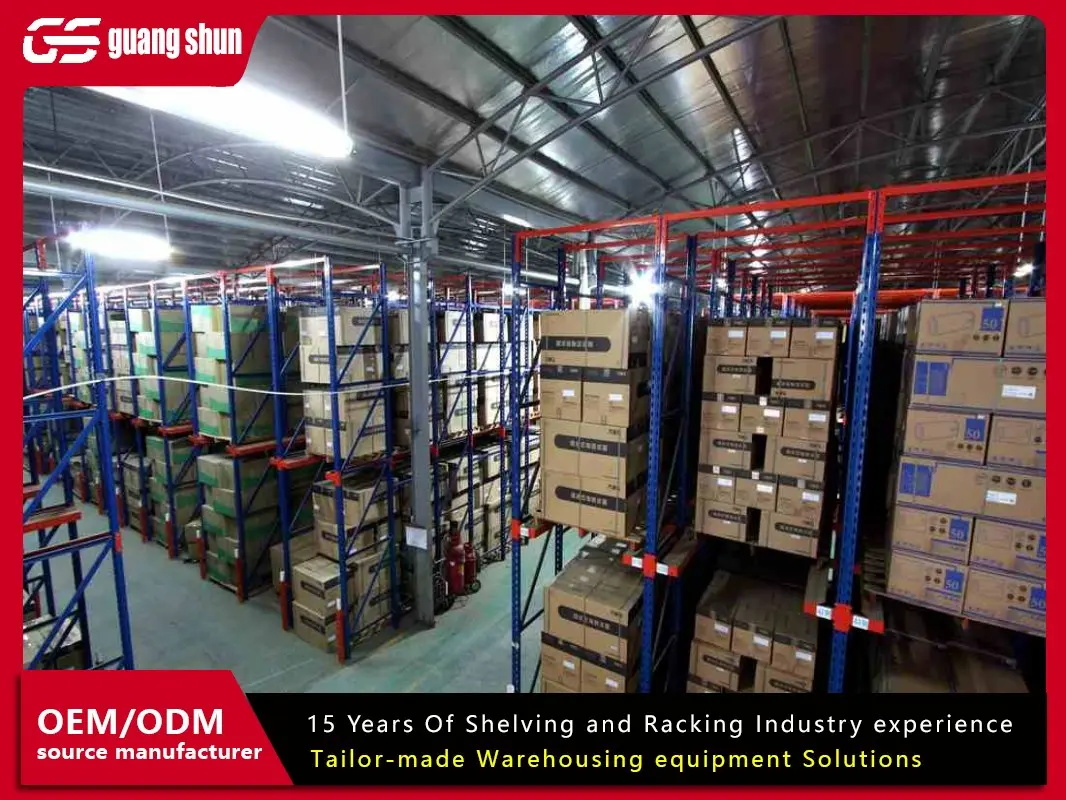
2. Pallet Racking: The Backbone of Bulk Storage
For retailers that receive and store large quantities of goods on pallets, this is the non-negotiable standard. These heavy-duty retail store racking systems are designed for high-density storage, often in stockrooms or large-format retail floors.
Best For: Warehouse clubs, home improvement centers, and the backstock areas of supermarkets.
Pros: Exceptional strength and storage density. Ideal for forklift access. Various subtypes (like selective, drive-in) offer further customization.
Cons: Not designed for direct customer access. Requires significant overhead space and heavy equipment for loading/unloading.
3. Garment Racks: Specialized for Apparel Retail
The fashion industry has unique needs, and garment racks are engineered to meet them. This category includes a range of solutions from simple Z-racks to sophisticated cantilever systems.
Best For: Clothing boutiques, department stores, and discount apparel retailers.
Pros: Preserves garment shape and quality. Allows for high-density hanging. Sloping arms and waterfall displays improve product visibility.
Cons: Limited to hanging items unless integrated with shelving. Can be prone to looking cluttered if not maintained.
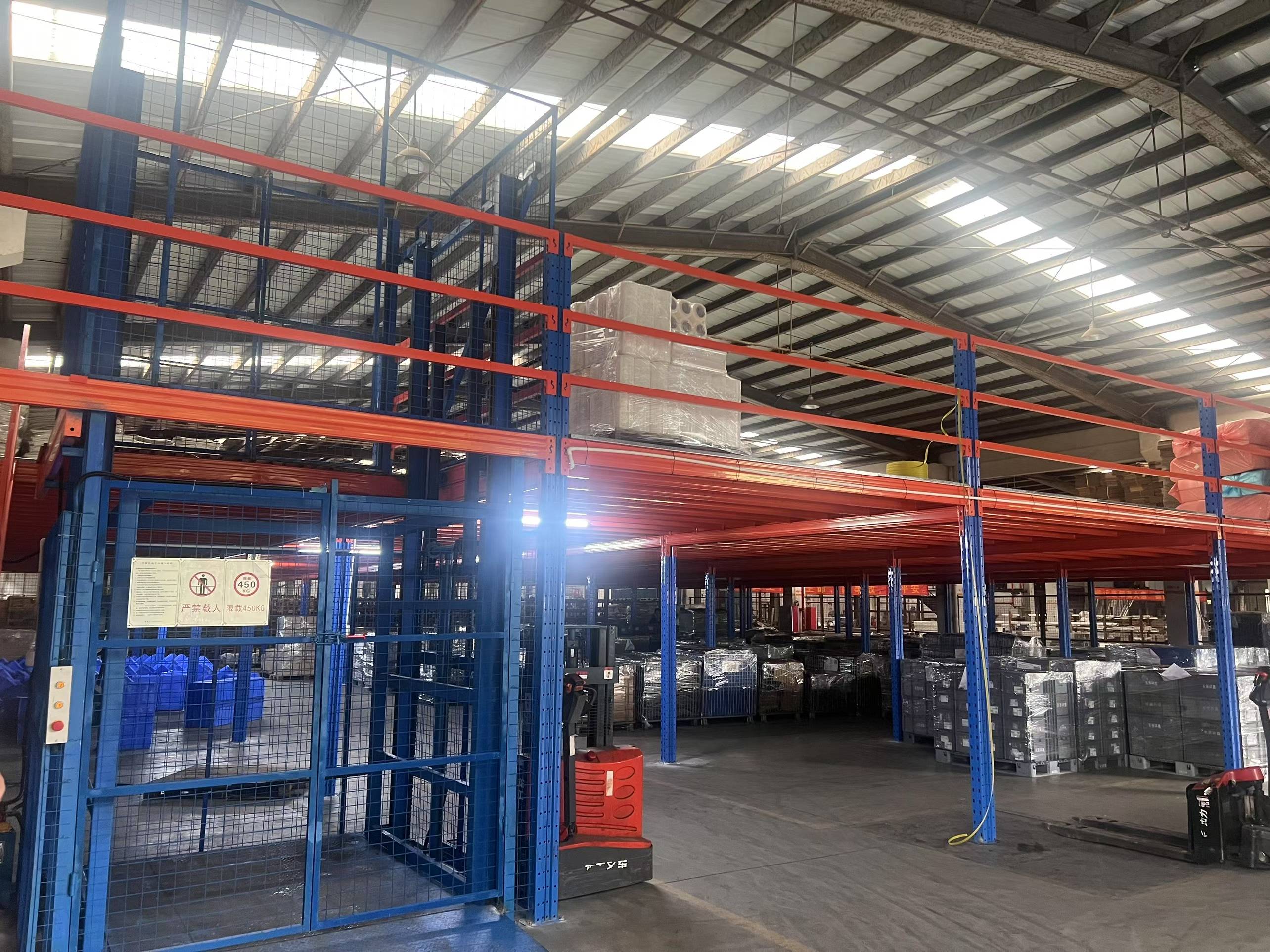
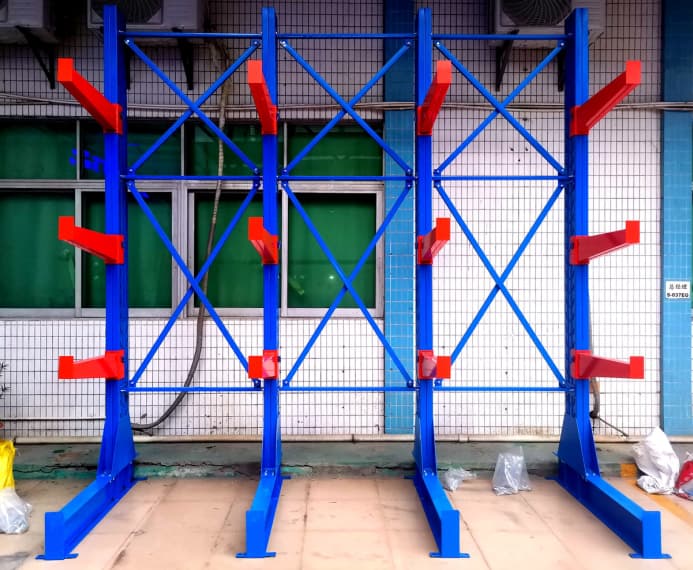
4. Cantilever Racks: For Long, Bulky Items
When your products are long, awkward, or bulky, standard shelving fails. Cantilever racks, with arms extending from a central column, are the perfect solution.
Best For: lumber yards, hardware stores (for pipes, molding), furniture stores, and carpet retailers.
Pros: Unobstructed storage for long products. No front posts to impede loading and unloading.
Cons: Generally not suitable for small, stackable items. Requires sturdy wall anchoring or floor mounting for stability.
5. Mobile Aisle Systems: The Space-Saving Powerhouse
This is a high-density solution for stores where space is at an absolute premium. Mobile aisle systems mount standard shelving or racking on carriages that move on tracks, eliminating multiple static aisles.
Best For: High-value inventory in backrooms, archival storage, or retail environments with extremely limited square footage.
Pros: Can increase storage capacity by up to 100% compared to static systems.
Cons: Higher initial cost and more complex installation. Only one aisle can be open at a time, which can slow down access during busy periods.
Budget is always a key consideration. The price of retail store racking systems varies dramatically based on:
Type: Simple gondola shelving is generally more affordable than specialized cantilever or high-density mobile systems.
Materials: Steel gauge and finish (e.g., chrome, epoxy) impact cost and durability.
Load Capacity: Heavier-duty systems command a higher price.
Accessories: Add-ons like dividers, bin fronts, and security features add to the total cost.
Avoid the temptation to choose the cheapest option. A poorly made system is a safety hazard and will need replacement far sooner, costing you more in the long run. View this as a capital investment in your operational efficiency.
Follow this process to narrow down your options:
Audit Your Inventory: What are you storing? List your products by size, weight, and shape. Do they hang, stack, or sit on pallets?
Analyze Your Space: Precisely measure your floor space and, crucially, your ceiling height. A high ceiling opens up possibilities for mezzanines or very tall pallet racking.
Define Access Needs: Who needs to access the inventory—customers, staff with ladders, or forklifts? This single question can eliminate several options.
Plan for Future Growth: Choose a system that can scale with your business. Can it be easily expanded or reconfigured?
Prioritize Safety and Compliance: Ensure any system you consider meets local building and safety codes. Load ratings are not suggestions; they are requirements.
Even the best-designed retail store racking systems require professional installation and regular upkeep. Improper assembly can lead to catastrophic failure. Schedule regular inspections for damage, ensure load limits are never exceeded, and train all staff on safe loading practices. A proactive maintenance routine protects your investment, your inventory, and most importantly, your people.
Q1: Can I mix different types of retail store racking systems in one space?
A1: Absolutely. In fact, most modern retail environments use a hybrid approach. For example, a home improvement store might use gondola shelving for tools and fasteners, pallet racking for bulk building materials, and cantilever racks for lumber and pipes. The key is to plan the layout cohesively to ensure smooth customer and staff movement.
Q2: How much weight can typical retail store racking systems hold?
A2: Load capacity varies immensely. Light-duty gondola shelving might hold a few hundred pounds per level, while a heavy-duty selective pallet rack can support several thousand pounds per beam. Always adhere to the manufacturer's specified load capacity, which is based on the specific components and configuration you are using.
Q3: Are there specific retail store racking systems for high-theft items?
A3: Yes, security is a major consideration. Options include locked glass case displays, secured shelving with locking bin fronts, or pegboard systems with locked security tracks. For high-value electronics or cosmetics, these specialized secure retail store racking systems are essential for loss prevention.
Q4: What is the typical lifespan of a well-maintained racking system?
A4: With proper care and adherence to load limits, a high-quality steel racking system can last 15 to 20 years or more. Factors that reduce lifespan include accidental impacts (e.g., from forklifts), overloading, and exposure to corrosive environments without appropriate protective finishes.
Q5: How do I calculate how much racking I need for my new store?
A5: This requires a detailed plan. Start by forecasting your initial inventory volume and categorizing it by the type of racking required (shelved, palletized, hung). Then, with your store's floor plan, work with a planner or supplier to lay out the systems, ensuring adequate aisle space. It's often wise to start with a modular system that allows for easy future expansion.

 Wechat
Whatsapp
Wechat
Whatsapp