Finding the best racking system for warehouse operations is not about a one-size-fits-all solution. It's about matching your specific inventory, equipment, and workflow to a storage solution that maximizes space, efficiency, and safety. A poor choice can lead to wasted space, slower operations, and even safety hazards. This guide breaks down the top types of racking systems to help you identify the perfect fit for your facility.
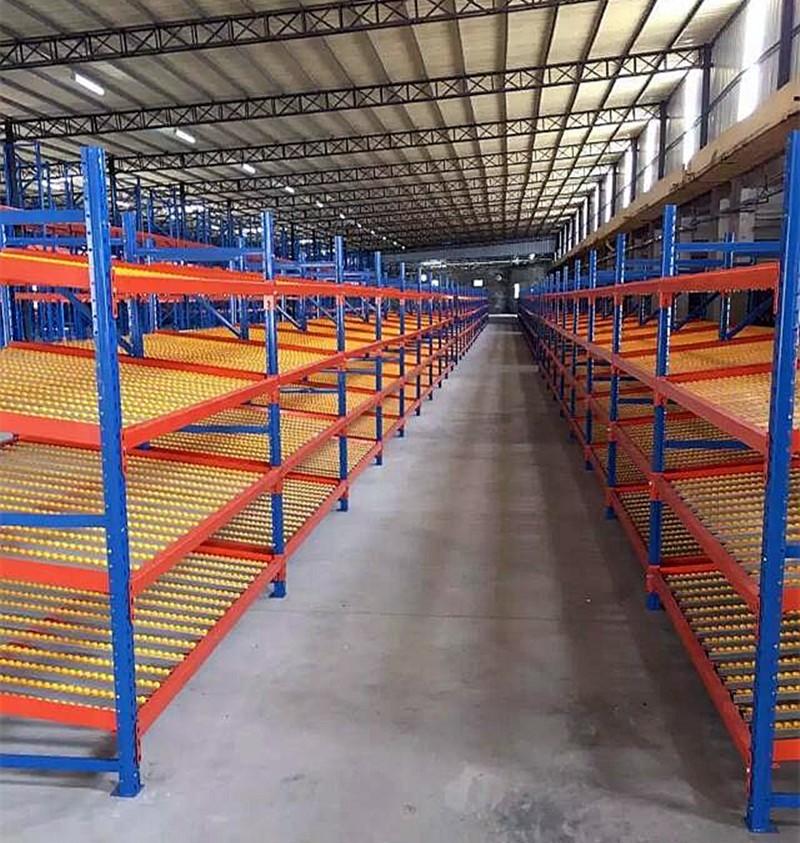
Before diving into the types, it's crucial to understand the criteria that separate a good system from a great one. The best racking system for warehouse environments is judged on several key factors:
Storage Density: How much inventory can you store in a given square footage?
Accessibility: How quickly and easily can workers store and retrieve items?
Cost-Effectiveness: What is the total investment, including installation and long-term maintenance?
Scalability & Flexibility: Can the system adapt to changes in your inventory profile or business growth?
Safety & Durability: Is the system designed to handle the loads safely and withstand daily use?
Compatibility: Does it work seamlessly with your existing or planned material handling equipment (e.g., forklifts, order pickers)?
The ideal system strikes a balance among these factors based on your unique needs.
Here are seven of the most effective and widely-used racking systems, each with its own strengths.
1. Selective Pallet Racking: The Gold Standard for Accessibility
This is the most common system you'll find, and for good reason. Selective racking features horizontal load beams that create individual bays for each pallet. Each pallet is fully accessible from the aisle.
Best For: Warehouses with a high SKU count where every item needs direct, immediate access. It's perfect for fast-moving consumer goods and distribution centers focused on quick order turnaround.
Pros: Excellent selectivity (100% access to every pallet), easy to install and reconfigure, compatible with most forklifts.
Cons: Lower storage density due to wide aisles required for forklift maneuvering.
For operations prioritizing speed of access over pure storage volume, this is often the best racking system for warehouse layouts.
2. Drive-In / Drive-Thru Racking: Maximizing Storage Density