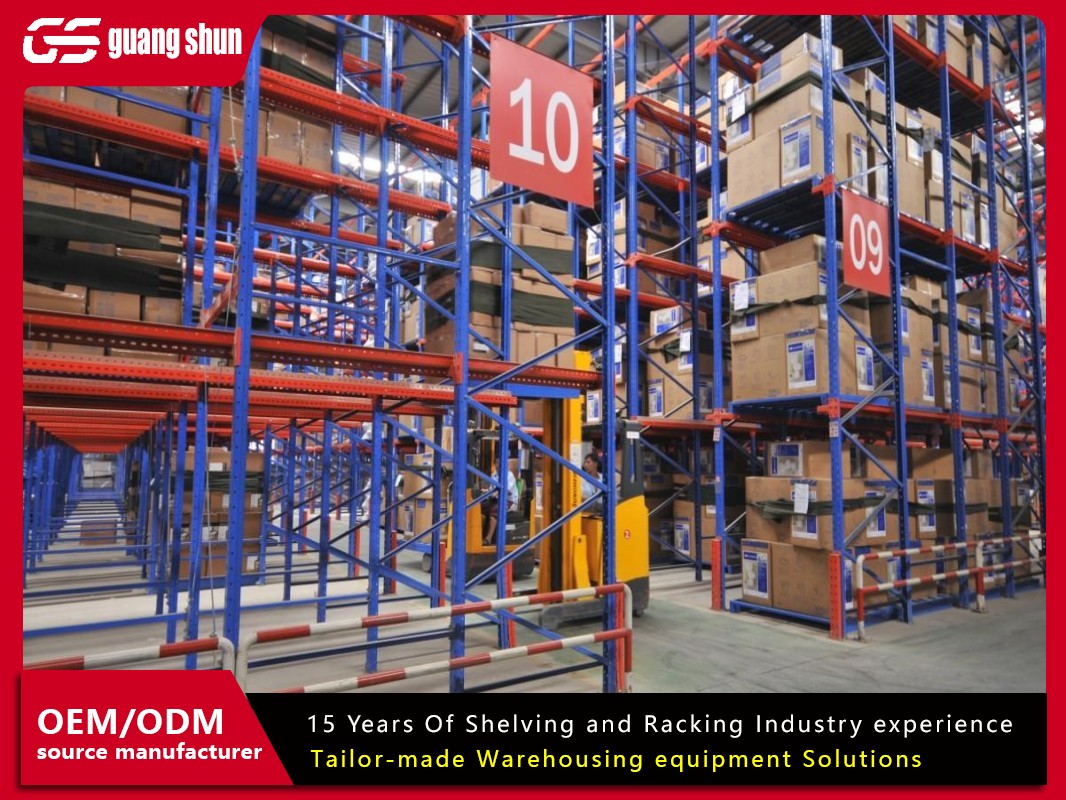
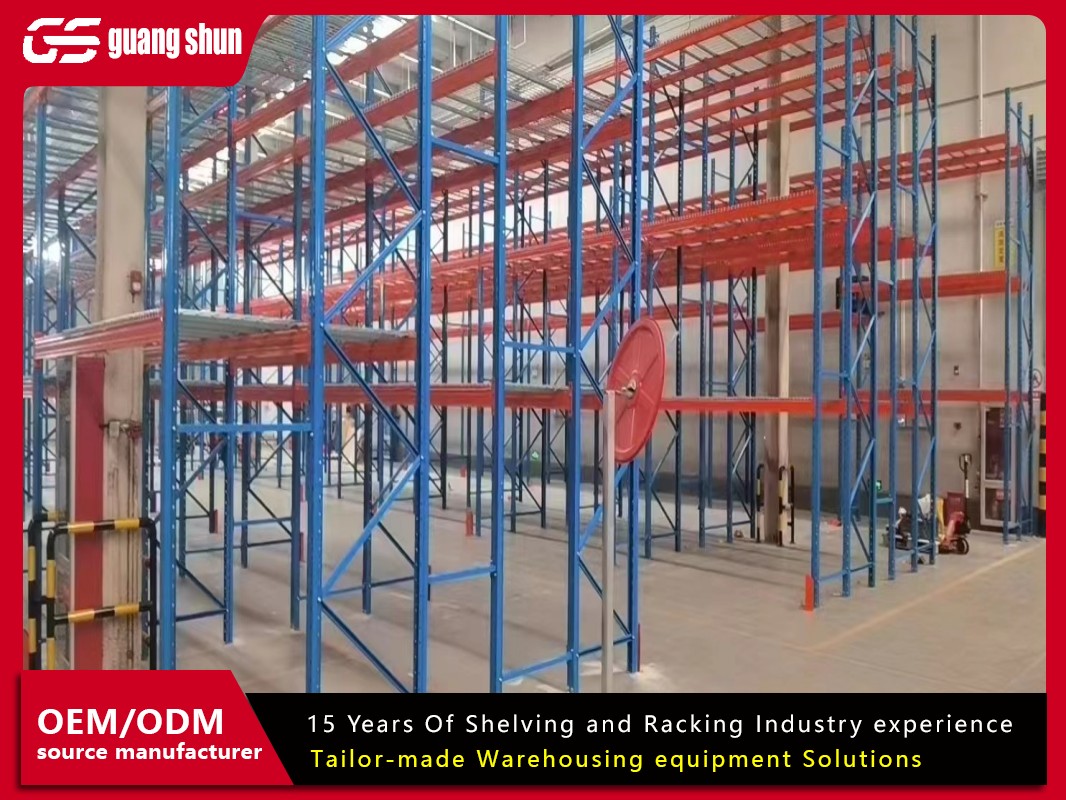
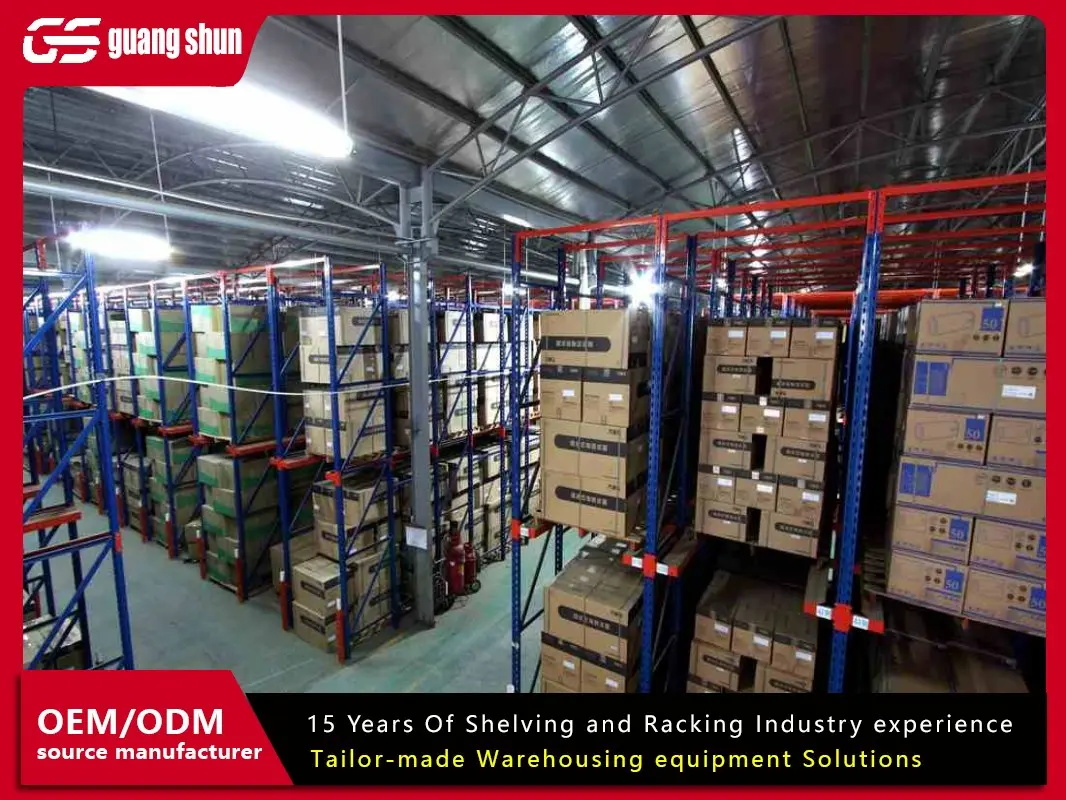
Let's be honest. The decision to install an industrial steel platform is a significant one. It's not a simple shelving unit you order online. This is a permanent, structural investment in your facility's vertical space.
Getting it wrong is expensive, disruptive, and potentially dangerous. Getting it right unlocks crucial square footage, streamlines workflow, and pays for itself over time.
This article cuts through the sales pitches. We list the essential questions you must ask any supplier and yourself. Your goal isn't just to buy a platform. It's to buy the right structural steel platform for your exact needs.
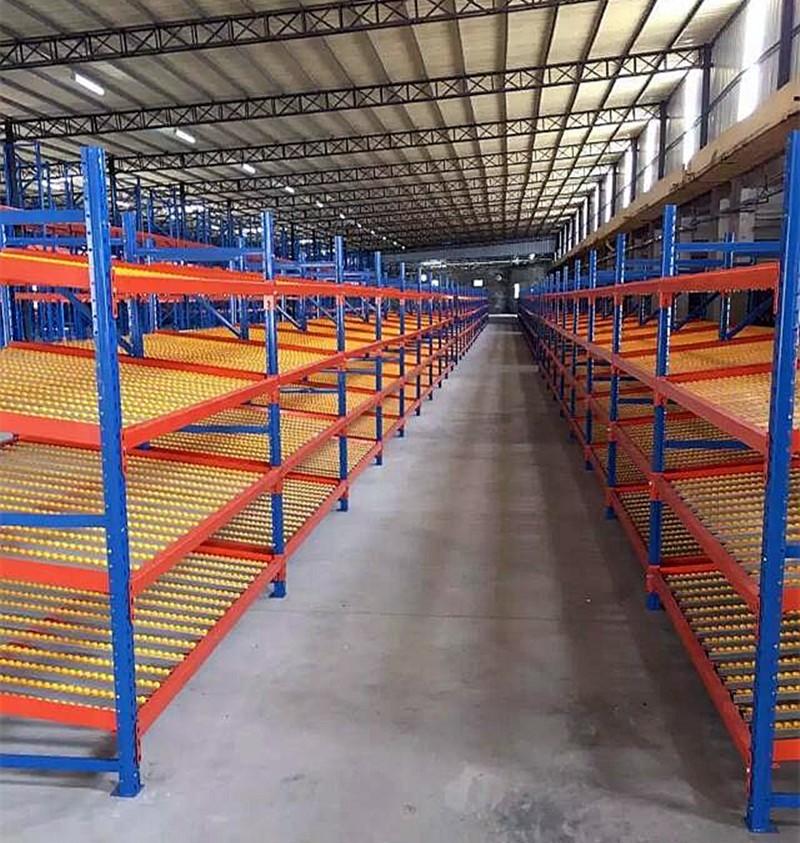
First, let's define the product clearly. An industrial steel platform is a freestanding or building-supported structure that creates a new, elevated floor within a facility. It's also commonly called a steel mezzanine.
These are not flimsy catwalks. They are engineered systems built from structural steel components. They are designed to carry heavy loads—palletized goods, machinery, personnel, and even vehicles. The core value is simple: it turns unused air space into productive, accessible space.
You might need an industrial steel platform if you're feeling the squeeze. Here are the most common triggers for installation:
Storage and Warehousing: This is the classic use. When your floor space is maxed out, building up is the most cost-effective solution. A storage mezzanine can double your pallet storage or create space for smaller item picking.
Manufacturing and Production Overhead: Use the platform to house assembly lines, packaging equipment, or testing stations. This frees up the main floor for heavier machinery or raw material staging.
Office and Amenity Spaces: Need a new office, locker room, or break area but don't want to expand the building footprint? A steel office platform creates a quiet, separate area above the production floor.
Maintenance Access and Catwalks: Sometimes the platform isn't a full floor but an access structure. It provides safe walkways to service equipment, HVAC units, or piping systems high in the facility.
This is your first major fork in the road. Your choice dramatically affects cost, lead time, and functionality.
Modular Industrial Platforms are built from pre-engineered, standardized components. Think of it as a sophisticated, heavy-duty kit. They are faster to design and install. They are excellent for standard rectangular spaces with common load requirements.
Custom-Engineered Steel Platforms are designed from the ground up for your specific challenge. They are necessary for irregular shapes, exceptionally heavy loads, complex integration with existing structures, or unique access requirements.
A good supplier will help you determine which path makes sense. Often, it's a hybrid: a modular base with custom elements like special staircases or conveyor cut-outs.
Asking "how much for a steel platform?" is like asking "how much for a house?" You need a scope. Here are the primary cost drivers:
Size and Load Capacity: This is the biggest factor. More square footage and a higher required load rating (e.g., 150 lbs/sq ft vs. 250 lbs/sq ft) mean more steel, heavier beams, and a more robust design. The industrial steel platform cost scales directly with its strength and area.
Design Complexity: A simple rectangle is cheapest. Add multiple levels, cantilevered sections, large deck openings for lifts, or integration with building columns, and the engineering and fabrication costs rise.
Decking Material: The surface you walk on has options. Standard bar grating is common. Checkered plate is smoother for carts. Concrete-filled decking provides a solid, fire-rated floor. Each has a different price point.
Accessories and Safety Features: Don't forget these in your budget. Staircases, gates, handrails, pallet gates, lift systems, and lighting are essential but add to the total cost.
The quality of your industrial steel platform is determined long before it arrives on site. It's decided in the shop. Pay attention to these fabrication details.
Material and Engineering: The steel should meet specific ASTM standards. The engineering drawings should be signed by a professional engineer, accounting for local building codes, seismic activity, and all intended loads.
Fabrication and Welding: Look for clean, consistent welds. Components should be pre-cut and punched with precision for straightforward field assembly. High-quality shops use robotic welding for critical joints to ensure consistency.
Finish and Coating: For most indoor applications, a basic shop coat of paint is sufficient. For corrosive environments (food processing, chemicals), a multi-stage powder coating or galvanizing is crucial for longevity. This protects your industrial structural platform from rust and degradation.
Installation can be disruptive. Managing this process well is key to project success.
Site Preparation: Your floor needs to be ready. This often means ensuring the slab is level and has adequate strength to support the platform's point loads. The supplier should specify these requirements.
Installation Timeline: A modular platform can often be erected in days or weeks by a skilled crew. A large, custom build will take longer. Weather and site accessibility can also affect the schedule.
The Disruption Factor: There will be noise, forklift traffic, and workers in your facility. Plan the installation during a slow period if possible. A professional crew will work to minimize the impact on your daily operations.
Don't just pick the lowest bid. Choose a partner. Here’s what to vet:
Q1: Do I need a building permit for an industrial steel platform?
A1: In nearly all cases, yes. A permanent industrial steel platform is considered a structural modification. Your supplier's engineering team should provide the necessary structural drawings and calculations required to obtain a permit from your local building authority. Never proceed without proper permits.
Q2: How long does it take from order to completion?
A2: For a standard modular platform, expect a total timeline of 8 to 12 weeks. This includes 1-2 weeks for final design, 4-6 weeks for fabrication, and 1-3 weeks for installation. Custom, large-scale, or multi-level platforms can take 16 weeks or more. Always get a detailed timeline from your supplier.
Q3: Can an industrial steel platform be relocated or expanded later?
A3: Modular platforms are designed for some degree of reconfiguration and expansion. With careful planning, sections can be disassembled, moved, and added onto. Fully custom, welded platforms are much more difficult and costly to relocate. If future flexibility is a priority, discuss this during the initial design phase.
Q4: What is the typical lifespan of a well-built steel platform?
A4: A properly engineered and maintained industrial steel platform can easily last 25 to 30 years or more. The key factors are the quality of the protective coating (paint or powder coat), the environment (exposure to moisture or chemicals), and ensuring it is not overloaded beyond its designed capacity.
Q5: What maintenance is required?
A5: Routine maintenance is minimal but important. Conduct an annual visual inspection for any signs of impact damage, corrosion, or loose connections. Keep the deck clear of debris and standing moisture. Immediately address any damage to the protective paint or coating to prevent rust. The supplier should provide basic maintenance guidelines.

 Wechat
Whatsapp
Wechat
Whatsapp