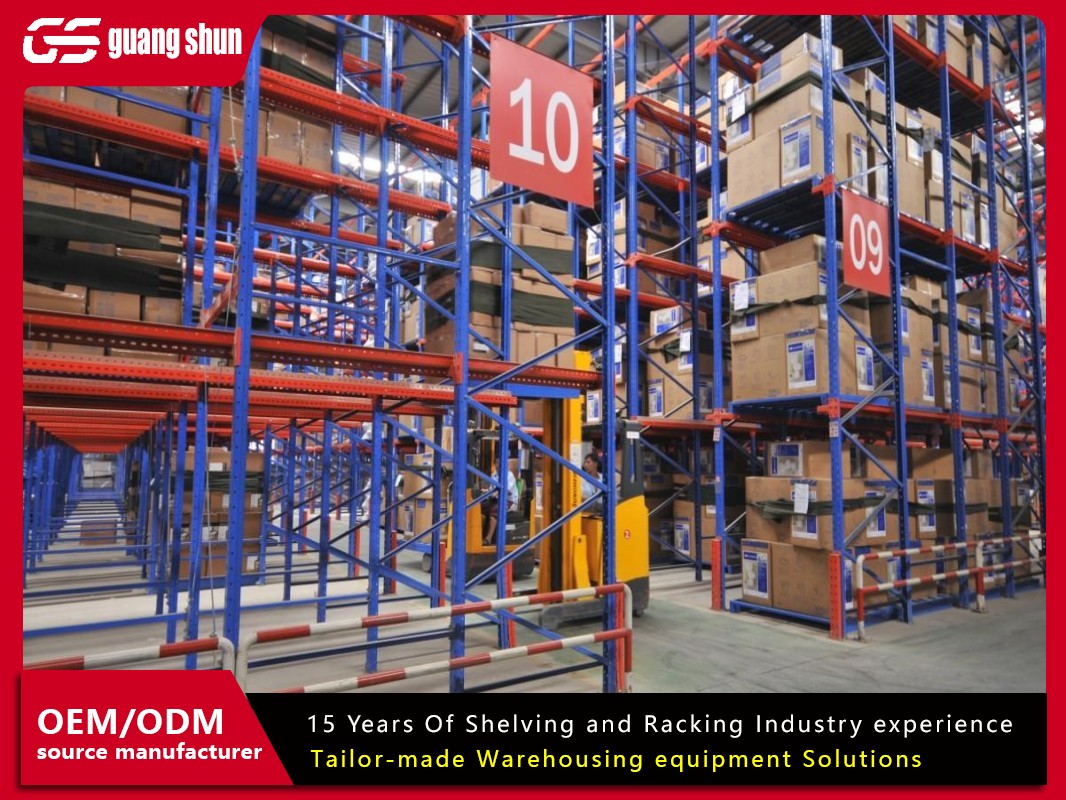
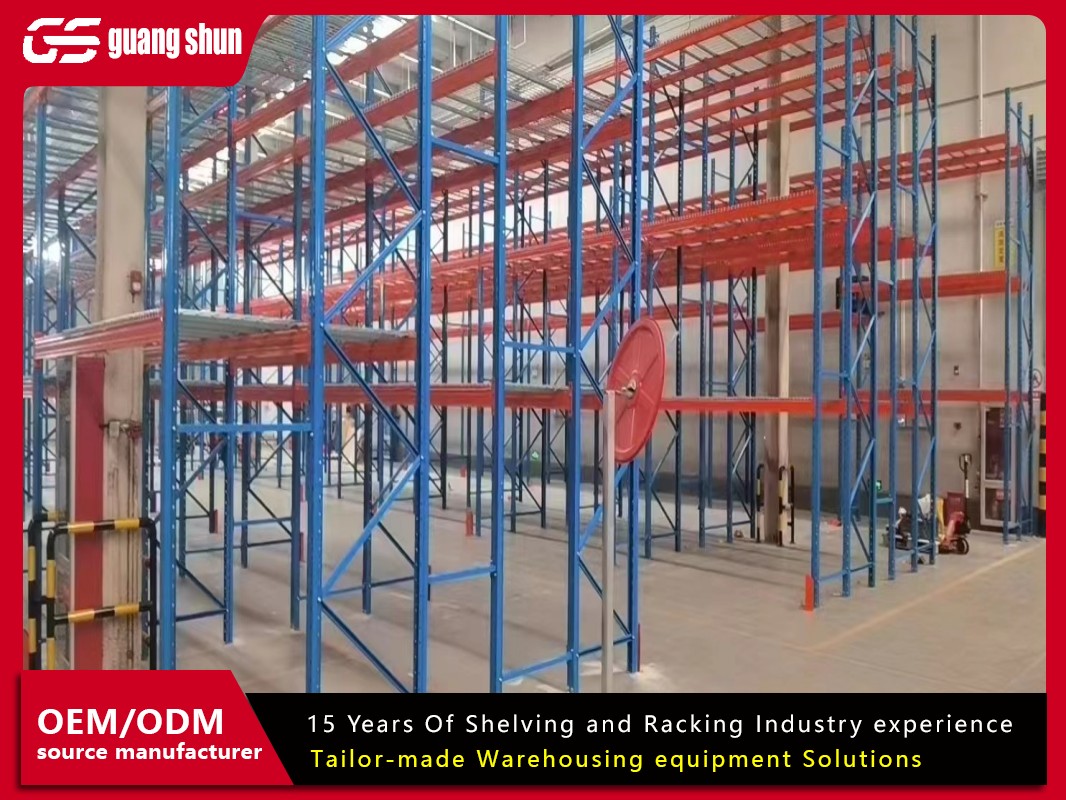
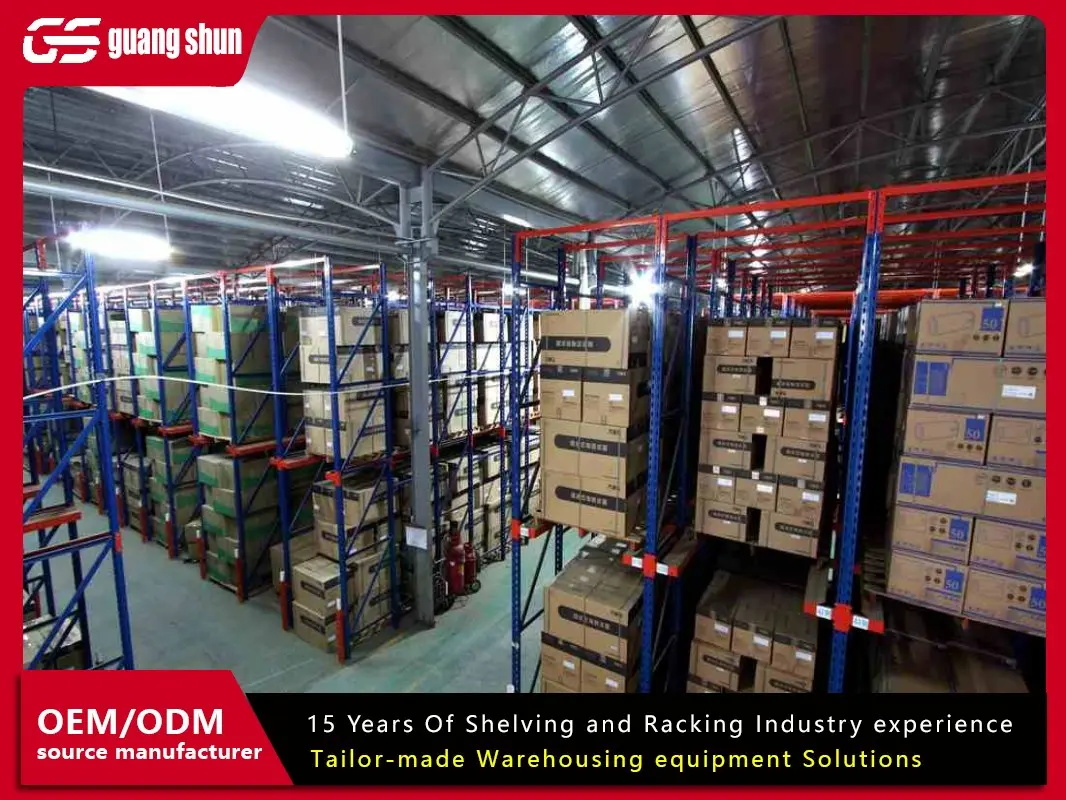
When it comes to optimizing warehouse storage, a high bay racking system stands out as a game-changer for businesses dealing with large inventories and limited floor space. These systems, designed to maximize vertical storage in facilities with high ceilings, are not just about stacking goods higher; they’re about enhancing efficiency, safety, and scalability. Whether you’re in logistics, manufacturing, or retail, understanding how to choose and apply a high bay racking system can transform your operations. In this article, we’ll dive into practical insights for selecting the right system, key considerations for implementation, and how to avoid common pitfalls. By the end, you’ll have a clear roadmap to leverage this storage solution effectively, without the fluff or overly technical jargon that often clouds such topics.
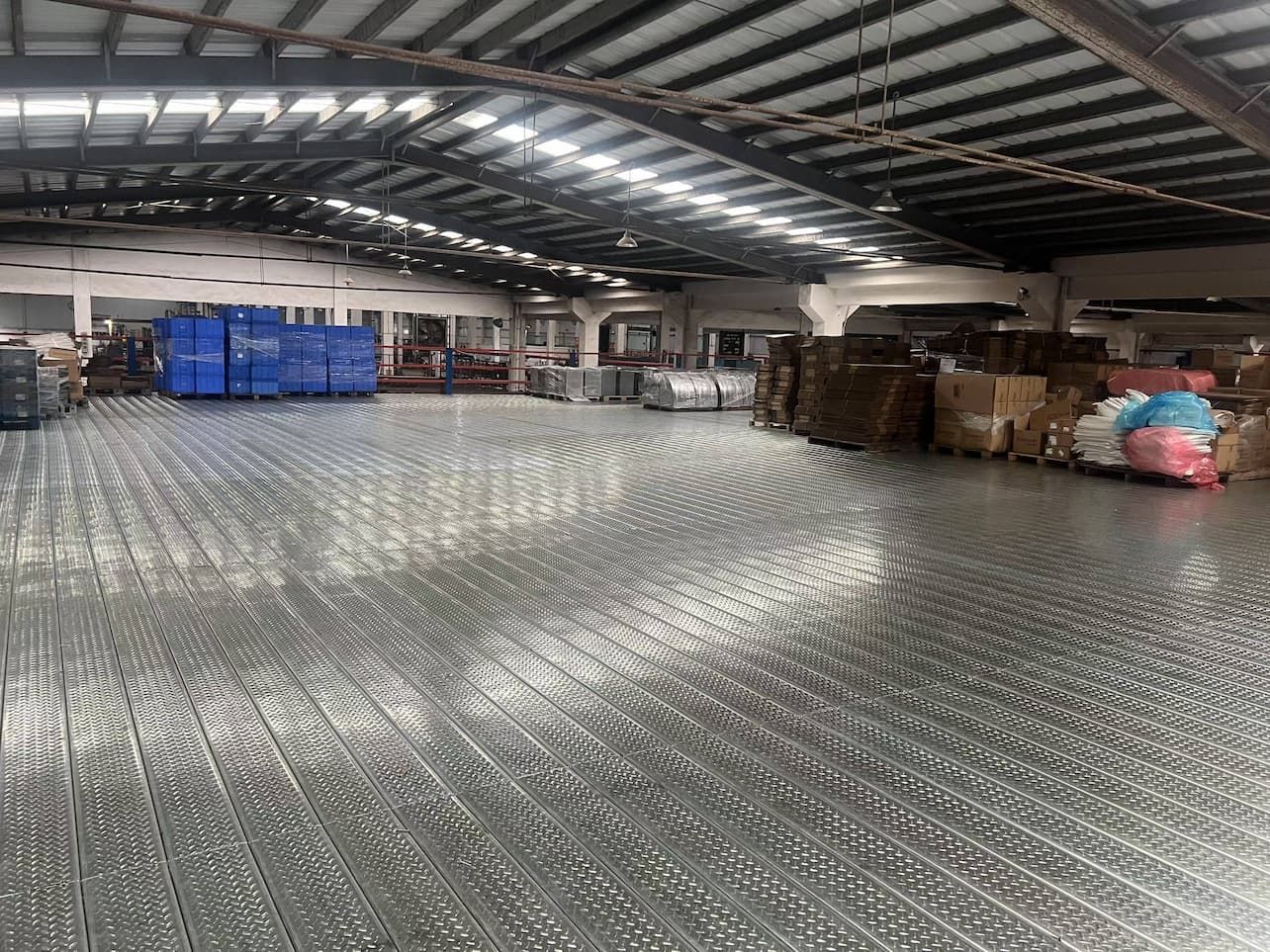
A high bay racking system is a type of storage structure typically used in warehouses with ceiling heights of 30 feet or more. It’s engineered to utilize vertical space efficiently, allowing businesses to store palletized goods in multiple tiers. Unlike standard shelving, these systems are built for heavy-duty use, often incorporating sturdy beams, upright frames, and safety features to handle substantial loads. The core idea is simple: by going upward, you free up valuable floor area for other activities like packing, sorting, or assembly lines. This approach is especially crucial in today’s competitive market, where real estate costs are rising, and supply chain speed is paramount. Implementing a high bay racking system can lead to significant cost savings, as it reduces the need for expansive building footprints while boosting storage capacity by up to 50% or more in some cases. Moreover, it supports better inventory management, as items are organized in a way that facilitates easier access and rotation, particularly when paired with technologies like automated retrieval systems.
One of the primary advantages of a high bay racking system is its ability to maximize storage density. By stacking items vertically, warehouses can store more products without expanding horizontally, which is ideal for urban areas where space is scarce. This density also translates to improved workflow efficiency; for instance, workers can use specialized equipment like narrow-aisle forklifts to navigate and retrieve items quickly, reducing time spent on manual searches. Another benefit is enhanced safety. These systems are designed with load-bearing capacities and stability in mind, minimizing risks of collapses or accidents when properly installed. Additionally, a well-planned high bay racking system supports scalability. As your business grows, you can easily add levels or reconfigure sections without a complete overhaul, making it a flexible long-term investment. From a cost perspective, the initial setup might seem substantial, but the return on investment comes through reduced operational expenses, lower energy costs (due to optimized lighting and climate control in vertical spaces), and decreased need for additional warehouse leases. Overall, integrating a high bay racking system can lead to a more organized, productive, and resilient storage environment.
Selecting the appropriate high bay racking system requires a careful assessment of your specific requirements. Start by evaluating your inventory profile: consider the weight, size, and turnover rate of your goods. For heavy, slow-moving items, a system with robust beams and higher load capacities might be necessary, whereas lighter, fast-turnover products could benefit from designs that allow for quicker access. Next, analyze your warehouse’s physical constraints, such as ceiling height, floor strength, and available aisle space. A high bay racking system often works best in facilities with at least 30-foot ceilings, but variations exist for different heights. Also, think about accessibility—do you need selective racking for frequent item retrieval, or would drive-in systems suit bulk storage? It’s wise to consult with engineers or storage experts to conduct a load analysis and ensure compliance with local safety standards. Budget is another critical factor; while cheaper options might seem appealing, investing in a durable high bay racking system made from high-quality materials can prevent costly repairs or replacements down the line. Lastly, consider future growth; opt for modular designs that can be expanded or reconfigured as your storage needs evolve. By taking these steps, you can avoid common mistakes like overloading or underutilizing the system, ensuring a seamless fit for your operations.
Once you’ve chosen a high bay racking system, proper implementation is key to reaping its benefits. Begin with a detailed site survey to map out the installation area, checking for obstacles like pillars, ductwork, or uneven floors that could affect stability. Clear communication with your team is essential; involve them in the planning phase to address any workflow disruptions. Installation should be handled by professionals to ensure structural integrity—this isn’t a DIY project, given the heights and weights involved. During setup, focus on safety measures such as installing guardrails, seismic bracing if in earthquake-prone areas, and clear signage for load limits. Training staff on how to use the system safely, including operating equipment like order pickers or scissor lifts, can prevent accidents and improve efficiency. After installation, conduct regular inspections to check for wear and tear, and establish a maintenance schedule for components like bolts and beams. Remember, a well-implemented high bay racking system not only boosts storage but also integrates with other warehouse processes, such as inventory software, for real-time tracking. By following these steps, you’ll minimize downtime and maximize the system’s lifespan, turning your storage area into a high-performing asset.
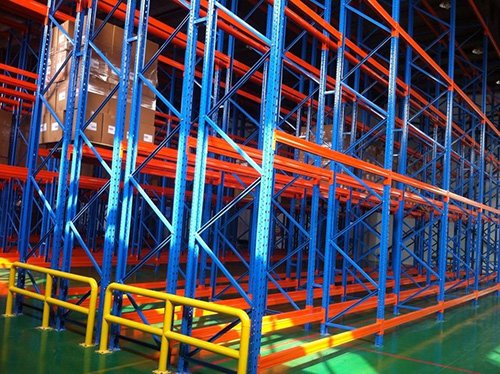
High bay racking systems are versatile and find applications across various industries. In the retail sector, they’re used to store seasonal goods or bulk inventory, enabling quick restocking during peak periods. Manufacturing plants often employ these systems for raw material storage, keeping components organized and accessible for production lines. Logistics and distribution centers rely on high bay racking to handle high-volume shipments, with some facilities incorporating automated systems for even greater efficiency. Another growing use is in cold storage warehouses, where the vertical design helps maintain temperature control while maximizing space. In e-commerce, a high bay racking system supports fast order fulfillment by organizing products in a way that speeds up picking and packing processes. By studying these use cases, you can identify best practices for your own setup, such as optimizing aisle widths for specific equipment or using color-coding for easier navigation. Ultimately, understanding how others successfully deploy a high bay racking system can inspire tailored solutions that drive your business forward.
While a high bay racking system offers numerous benefits, it’s not without challenges. One common issue is the initial cost, which can be high due to materials and installation. To mitigate this, consider phased implementation or leasing options. Another challenge is safety concerns, such as falls or load shifts; address these by investing in training, regular audits, and safety gear. Space constraints in older buildings might require retrofitting, so work with engineers to assess structural reinforcements. Additionally, inefficient layout planning can lead to wasted space or access problems—use 3D modeling software during design to visualize the setup. Lastly, maintenance neglect can shorten the system’s life; establish a routine check-up schedule to catch issues early. By anticipating these hurdles, you can ensure your high bay racking system remains a reliable part of your operations.
Q1: What is the typical height range for a high bay racking system?
A1: A high bay racking system is generally designed for warehouses with ceiling heights starting from 30 feet and can go up to 100 feet or more, depending on the building structure and storage needs. This range allows for multiple storage levels, maximizing vertical space efficiently.
Q2: How much weight can a standard high bay racking system support?
A2: The weight capacity varies based on the design and materials, but a typical high bay racking system can handle loads from 1,000 to 5,000 pounds per pallet position. It’s crucial to consult with a specialist to determine the exact capacity for your specific inventory and ensure it meets safety standards.
Q3: What safety features are essential in a high bay racking system?
A3: Key safety features include load-bearing beams with secure locking mechanisms, seismic bracing for stability, guardrails to prevent falls, and clear labeling for weight limits. Regular inspections and employee training on proper usage are also vital to maintain a safe environment.
Q4: Can a high bay racking system be customized for irregularly shaped items?
A4: Yes, many high bay racking systems offer customization options, such as adjustable beam heights or specialized attachments for non-standard loads. Discuss your requirements with suppliers to design a setup that accommodates unique item shapes and sizes.
Q5: How often should maintenance be performed on a high bay racking system?
A5: It’s recommended to conduct visual inspections monthly and a thorough professional audit at least annually. Maintenance frequency may increase in high-usage environments to check for issues like loose bolts, corrosion, or beam damage, ensuring the system remains safe and functional.
In conclusion, a high bay racking system is a powerful tool for modern storage challenges, offering scalability, efficiency, and safety when selected and implemented wisely. By focusing on your unique needs and following best practices, you can transform your warehouse into a highly optimized space that supports long-term growth.

 Wechat
Whatsapp
Wechat
Whatsapp