7 Key Considerations for Choosing Heavy Duty Adjustable Metal Shelving-Guangshun

Knowlege
Learn more about storage racking equipment and follow us.

7 Key Considerations for Choosing Heavy Duty Adjustable Metal Shelving

Source:Guangshun
Update time:2026-02-04 16:38:32
7 Key Considerations for Choosing Heavy Duty Adjustable Metal Shelving

Effective storage requires a solid foundation. For many home, workshop, and industrial settings, standard shelving simply isn't strong enough. This is where heavy duty adjustable metal shelving becomes essential.

These units offer a combination of resilience and flexibility. They are designed to bear significant weight while allowing you to customize the layout to fit your specific items.

Choosing the right system involves looking at several important factors. From materials to adaptability, each detail contributes to performance and longevity.
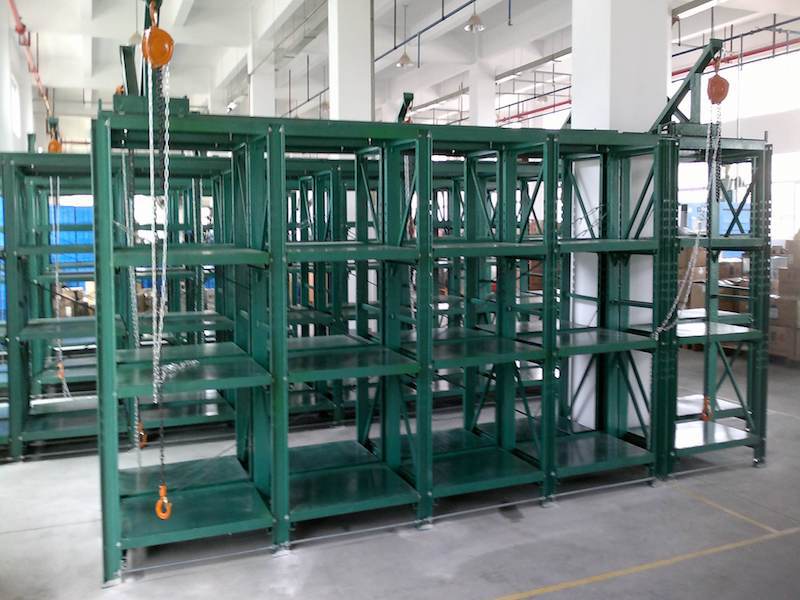
1. Core Materials and Construction Quality

The strength of your shelving starts with what it's made of. High-quality materials resist bending, warping, and corrosion over time.

Steel Gauge and Type

Steel thickness is measured in gauge. A lower gauge number indicates thicker, stronger steel.

  • 12 to 16 Gauge Steel: This range is common for true heavy-duty units. Shelves made from 12 or 14-gauge steel can handle extreme loads in industrial environments.

  • Cold-Rolled Steel: Preferable to hot-rolled, it is stronger and has a smoother surface that is ideal for protective coatings.

  • Finish: Look for a high-quality powder-coated or epoxy finish. This protects against rust, scratches, and chemicals, making cleanup easy.

Frame and Joint Design

How the frame is built determines overall stability. Welded upright frames are a mark of a robust system.

Bolted connections should use substantial hardware. Reinforced corners or gussets at stress points add critical extra support and prevent racking.

This solid construction is what separates serious storage from lighter-duty alternatives.

2. Understanding Weight Capacity and Load Ratings

Ignoring weight limits is a common mistake. Always check the manufacturer's specifications carefully.

Deciphering Shelf and Total Capacity

Two numbers are important: per-shelf capacity and total unit capacity.

  • Per-Shelf Dynamic Capacity: This is the live weight each individual shelf can hold while in use. For heavy items, look for ratings of 500 lbs to 1,000 lbs or more per shelf.

  • Overall Static Capacity: This is the total weight the entire assembled unit can support. Robust systems can often hold several thousand pounds.

Your load should never exceed the per-shelf rating. Distribute the heaviest items on the lowest shelves.

3. The Advantage of True Adjustability

Fixed shelves can create wasted space. The ability to change shelf heights is a major functional benefit.

Adjustment Mechanisms

Look for systems that offer easy, tool-free adjustments. This allows you to reconfigure storage as your needs change.

  • Clip or Pin Systems: Shelves rest on metal clips or pins that insert into holes or slots in the upright posts. This is a very common and secure method.

  • Slot Spacing: Check how close the adjustment increments are. One-inch or two-inch spacing gives you fine-tuned control over shelf height.

This flexibility makes a single unit suitable for storing everything from small bins to tall appliances.

4. Selecting the Right Style and Configuration

Heavy duty adjustable metal shelving comes in several styles. The best choice depends on your space and access needs.

Closed vs. Open Design

Each design has its place in an organized storage plan.

  • Closed-Back Shelving: Offers more stability and prevents items from falling through the back. It's good for small parts and provides a more finished look.

  • Open-Wire or Riveted Shelving: Allows for better air circulation and light penetration. It's easier to see inventory from different angles.

Consider if you need solid, wire, or perforated shelves. Solid shelves are best for very small items.

5. Primary Applications and Use Cases

This type of shelving solves problems across many different settings. Its strength and versatility are its greatest assets.

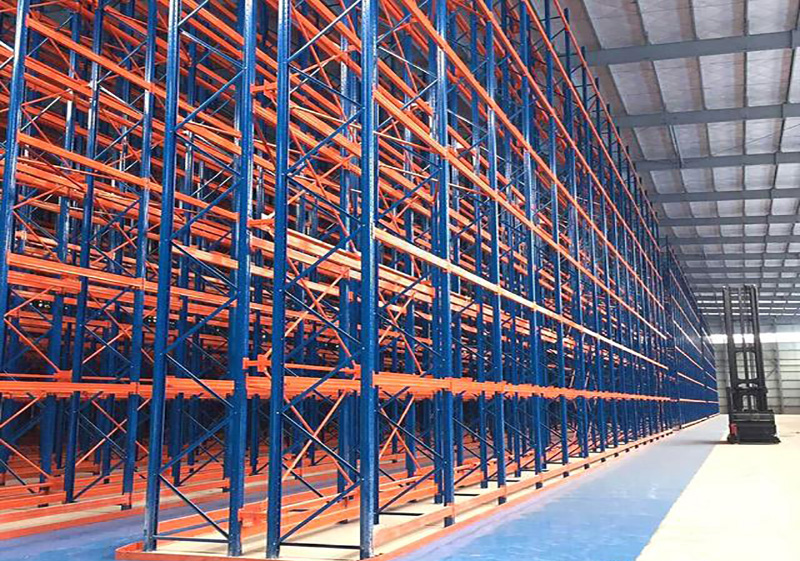
Industrial and Warehouse Storage

Durability is non-negotiable in these environments. Shelves hold raw materials, finished goods, and machine parts.

The adjustability feature is key. It allows a single aisle of shelving to hold pallets, boxes, and drums of varying sizes efficiently.

Garage and Home Workshop

Homeowners need shelving that can handle automotive fluids, power tools, and seasonal equipment.

Adjustable shelves let you create a custom spot for tall paint cans, toolboxes, and camping gear. This maximizes every cubic inch of available space.

6. Assembly, Placement, and Safety

Proper setup is critical to achieving the rated strength and ensuring a safe environment.

Secure Assembly and Leveling

Follow the manufacturer's instructions exactly. Ensure all bolts are tightened to the proper torque.

Always assemble the unit on a level floor. Use shims under the base if necessary to eliminate any wobble before loading.

Mandatory Wall Anchoring

Any tall storage unit must be anchored to the wall. This is a basic safety requirement.

  • Use the provided anchor brackets.

  • Secure into wall studs or concrete using appropriate hardware.

  • Anchoring prevents tipping, especially when loading upper shelves or in active areas.

This simple step protects people, pets, and your stored items.
7. Maintenance for Long-Term Durability

With minimal care, high-quality metal shelving will last for decades.

Routine Checks and Cleaning

Inspect the unit periodically. Look for any signs of overload, such as shelf bowing.

Tighten any bolts that may have loosened due to vibration or load shifts. Wipe down shelves with a damp cloth to remove dust and spills.

Avoid using harsh chemical cleaners that could degrade the protective finish.

Remember: The true value of heavy duty adjustable metal shelving is realized when it is correctly selected, assembled, and maintained. It is an investment in organization that pays off over many years.

Selecting the right storage solution requires attention to detail. Heavy duty adjustable metal shelving provides a reliable answer for demanding environments.

Focus on steel gauge, verified weight capacity, and a secure adjustment system. Consider your specific use case, whether for a busy warehouse or a home garage.

By following these guidelines, you can choose a system that offers safety, efficiency, and adaptability. A well-chosen shelving unit organizes your space and supports your work for the long term.


Frequently Asked Questions

Q1: How is 'heavy duty' shelving different from standard retail shelving?
A: The difference lies in materials, construction, and weight rating. Heavy-duty units use thicker steel (lower gauge), have welded frame components, and are rated for hundreds of pounds per shelf. Standard shelving often uses lighter materials and may have a per-shelf capacity under 100 lbs.
Q2: Can I really adjust the shelves without tools?
A: Many quality systems are designed for tool-free adjustment. Shelves rest on clips or pins that slide into pre-drilled holes in the upright posts. You simply lift the shelf, reposition the support clips, and lower the shelf back into place. Always check the specific product features.
Q3: What is the best way to organize items on this type of shelving?
A> Follow these principles: Place the heaviest, bulkiest items on the lowest shelves. Keep frequently used items at waist-to-eye level. Group similar items together. Use the adjustability to create shelf heights just tall enough for your contents, minimizing wasted vertical space. Always maintain clear aisles for safe access.
Q4: Are these shelves difficult to move once assembled?
A: Due to their weight and size, they are challenging to move when fully assembled and loaded. It's best to plan their permanent location during assembly. If you must move an empty unit, disassembling it is often easier. Some models come with removable casters, but these are typically for light-duty mobility when empty.
Q5: Can I use plastic bins on metal shelving?
A: Yes, plastic storage bins are commonly used. Ensure the bin dimensions fit the shelf depth and width comfortably. Do not overload the bin, and remember that the combined weight of the bin and its contents must not exceed the shelf's weight rating. The rigid metal surface provides excellent support for bins.
Q6: How do I know if my floor can support a fully loaded shelving unit?
A: This is an important consideration, especially for concrete slabs in garages or basements. Calculate the total potential weight of the loaded unit and divide by its footprint area to get pounds per square foot (PSF). Compare this to your floor's load capacity. In homes, typical garage concrete can handle it, but for very heavy industrial loads, consult a building professional.
Hot Tags
Storage racking Warehouse racking Warehouse shelves Through-type racking Logistics racking Chemical heavy-duty shelves Corridor-style racking Factory racking loft style shelves Flow rack shelving Flow Racking cantilever shelving Mezzanine Rack Storage Racking drive-in racking system dynamic racking flow racking dynamic rack shelving flow rack shelving Ladder Cart Storage Cage pallet-shuttle racking cantilever shalving rack shelving dynamic rack shelving Medium shelves Light shelves Storage racks warehouse mezzanines floor Heavy duty Mezzanine rack supported platform Mezzanine Shelves Storage loft platform Mezzanine racking Mezzanine rack Narrow Aisle Racking Heavy duty shelves Drive-in rack double deep pallet racking Pallet Racking Pallet racking racking system projects Warehouse racking system design gondola shelving for sale shop gondola shelving supermarket storage racks for sale storage racks and shelving pallet storage racks industrial mezzanine racking system racking and mezzanine mezzanine storage rack warehouse pallet racking system adjustable pallet racking assembling racking system for sale racking syste types of racking system mezzanine rack factory racking storage racks Heavy duty racking systems storage shelves heavy duty Heavy duty storage shelves racks drive-in racking Warehouse racking projects racking projects Drive-In Racking warehouse racking Warehouse Racking Cantilever shelving stacking rack Storage Racking Manufacturers Stacking rack Manufacturers Stacking rack Ladder Cart Manufacturers Storage Cage Manufacturers Shelves for placing molds Manufacturers Shelves for placing molds Pallet Shuttle Racking Manufacturers Pallet Shuttle Racking Cantilever Shalving Manufacturers Cantilever Shalving flow racking Manufacturers Dynamic Racking Manufacturers Medium racking Manufacturers Medium racking Medium Shelves Warehouse Mezzanines Floor Manufacturers Warehouse Mezzanines Floor Heavy Duty Mezzanine Manufacturers Heavy Duty Mezzanine Rack Supported Platform Manufacturers Rack Supported Platform Mezzanine racking Manufacturers Storage Loft Platform Manufacturers Storage Loft Platform Mezzanine Racking Manufacturers Narrow Aisle Racking Manufacturers Heavy Duty Racking Manufacturers Heavy Duty Racking Heavy Duty Shelves Drive-in Racking manufacturers Drive-in Racking pallet racking manufacturers pallet racking Double deep pallet racking manufacturers Double-deep-pallet-racking Pallet Racking Manufacturers Pallet Racking System Storage Racks manufacturers Storage Racks Mezzanine Racking storage racking storage racking factories racking manufacturers flow rack storage dynamic rack storage