Warehouse operations are the backbone of many businesses, and efficient storage is crucial for productivity and cost-effectiveness. At the core of any storage system are the warehouse shelving units, which play a vital role in organizing inventory, maximizing space, and streamlining workflows. Whether you're setting up a new facility or upgrading an existing one, selecting the right shelving units can make a significant difference in your operational efficiency. In this article, we'll dive into seven essential factors to guide your decision-making process, ensuring you choose warehouse shelving units that meet your specific needs. From understanding different types to evaluating costs and durability, this comprehensive overview will help you navigate the complexities of warehouse storage solutions without the fluff of overhyped jargon.
Before delving into the selection process, it's important to grasp what warehouse shelving units are and why they matter. Essentially, these units are structured storage systems designed to hold goods, materials, and inventory in a warehouse environment. They come in various configurations, such as static shelves, mobile units, or heavy-duty racking, and are engineered to handle different weight capacities and space constraints. The primary goal of using the warehouse shelving units is to optimize vertical and horizontal space, reduce clutter, and facilitate easy access to items. This not only improves inventory management but also enhances safety by minimizing the risk of accidents. In today's competitive market, investing in the right warehouse shelving units can lead to long-term savings and improved logistics, making it a critical consideration for businesses of all sizes.
When it comes to warehouse shelving units, there isn't a one-size-fits-all solution. Different types cater to diverse storage needs, and understanding these variations is key to making an informed choice. Here are some common categories:
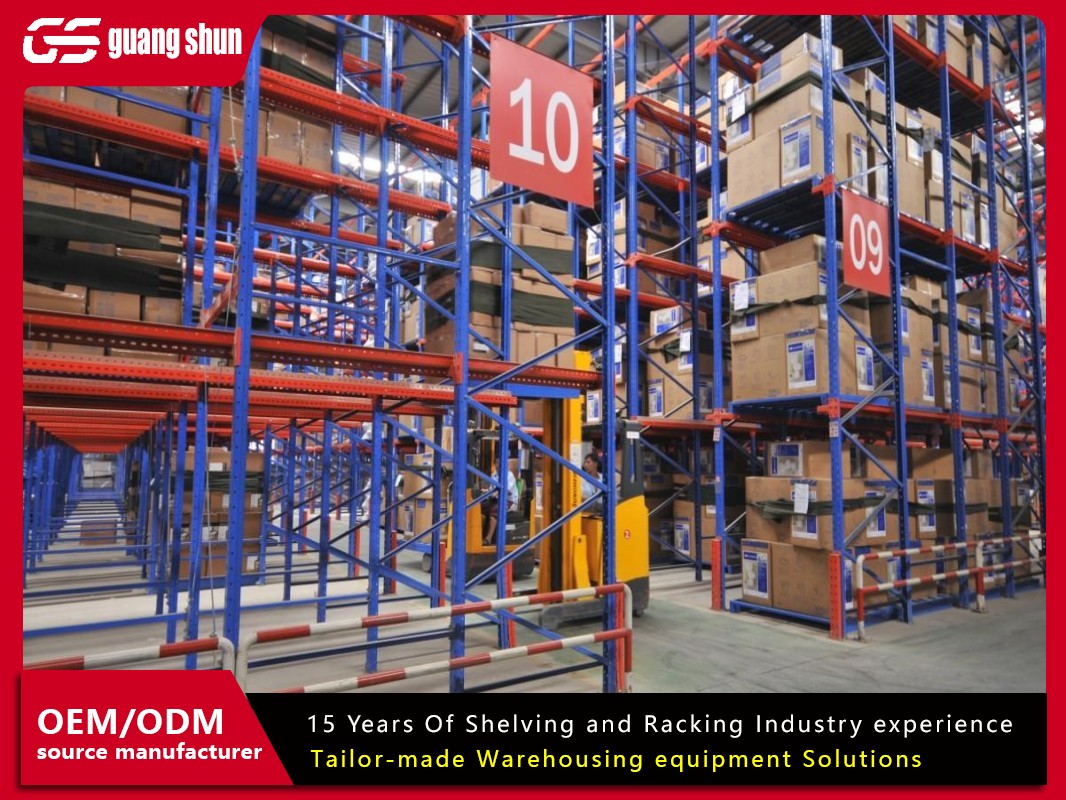
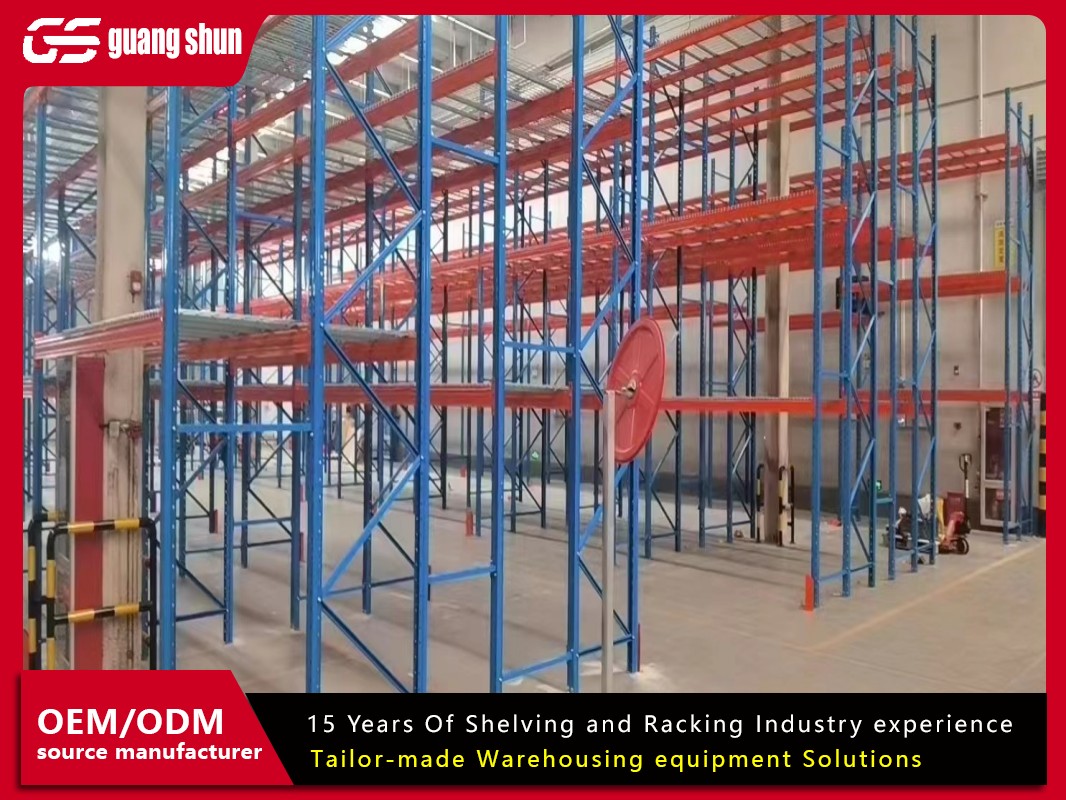
Selective Pallet Racking: This is one of the most popular types of warehouse shelving units, allowing direct access to each pallet. It's ideal for warehouses with a high variety of SKUs and frequent inventory rotation. The design enables easy picking and restocking, making it suitable for retail distribution centers.
Cantilever Shelving: Perfect for storing long, bulky items like pipes, lumber, or furniture, cantilever warehouse shelving units feature arms that extend from a central column. They offer unobstructed access and are highly customizable, which is beneficial for industries such as construction or manufacturing.
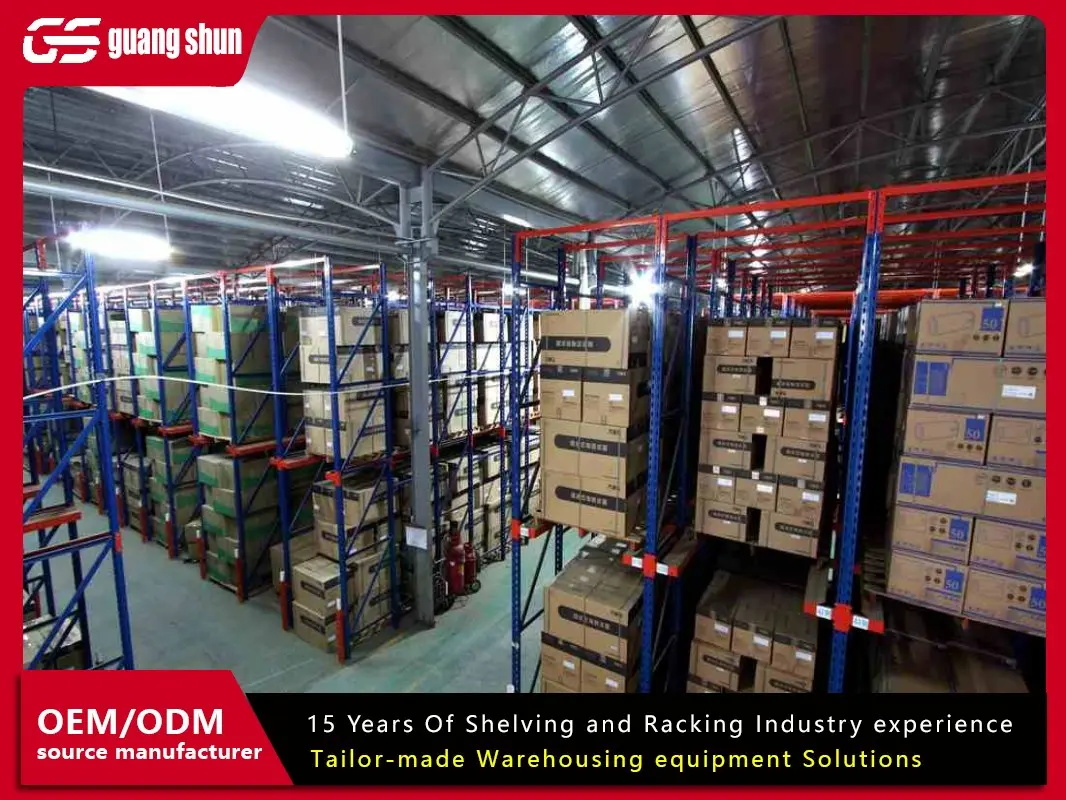
Drive-In and Drive-Through Racking: These warehouse shelving units are designed for high-density storage, where space is at a premium. They allow forklifts to drive directly into the racking system, maximizing storage in a compact area. This type is often used in cold storage or for storing homogeneous products with low turnover.
Mobile Shelving Systems: For warehouses with limited floor space, mobile warehouse shelving units are a game-changer. They consist of shelving that moves on tracks, condensing storage into a smaller footprint. This is common in archives, document storage, or facilities where space optimization is critical.
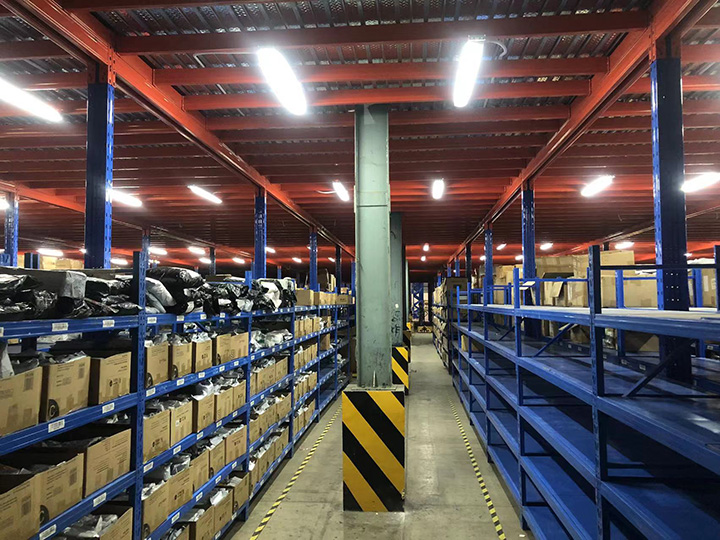
Mezzanine Shelving: By adding an intermediate level, mezzanine warehouse shelving units effectively double the storage capacity without expanding the building's footprint. They're great for multi-level operations and can integrate with other shelving types for a cohesive system.
Each of these warehouse shelving units has distinct advantages, so it's essential to match the type with your inventory characteristics, workflow, and space availability. For instance, if you deal with heavy pallets, selective pallet racking might be your best bet, whereas cantilever units excel in handling irregularly shaped items.
The first step in choosing the right warehouse shelving units is to thoroughly evaluate your storage requirements. This involves analyzing your inventory in terms of size, weight, turnover rate, and variety. Ask yourself questions like: How often do items need to be accessed? Are there seasonal fluctuations in stock? What is the average weight per unit? By answering these, you can determine the load capacity and configuration needed for your warehouse shelving units. For example, if you store fragile goods, you might prioritize shelving with adjustable shelves and protective features. Similarly, high-turnover items may benefit from open-access designs that speed up picking processes. Ignoring this factor could lead to inefficiencies, such as overloading or underutilizing space, which ultimately affects productivity and costs.
Load capacity is a non-negotiable aspect when selecting warehouse shelving units. These systems must safely support the weight of your inventory without risking collapse or damage. Most warehouse shelving units are rated for specific load limits, which can range from light-duty (a few hundred pounds per shelf) to heavy-duty (several thousand pounds). It's crucial to factor in not just the static weight but also dynamic loads from forklifts or seismic activities in your region. Additionally, consider the material used in construction—steel is common for its strength and durability, while lighter materials might suffice for less demanding environments. Always consult load charts and, if possible, conduct stress tests to ensure the warehouse shelving units can handle peak demands. Overlooking this could result in safety hazards and costly repairs, undermining the reliability of your storage system.
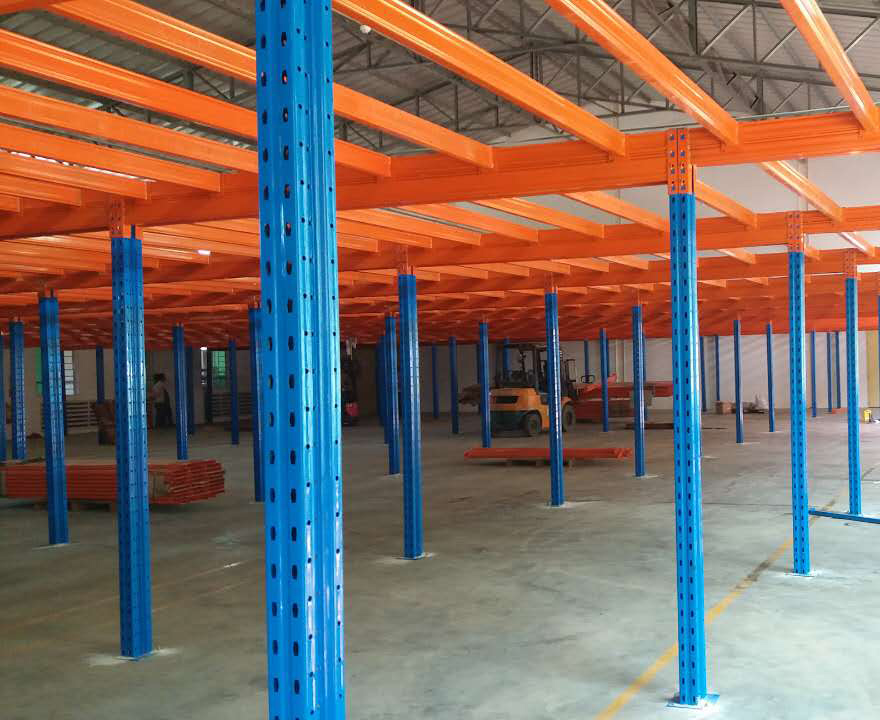
Maximizing space is a primary reason for investing in warehouse shelving units, so it's vital to assess how well a system utilizes your available area. This involves measuring your warehouse's dimensions, including ceiling height, aisle widths, and floor space. For instance, high-ceiling facilities might benefit from tall, vertical warehouse shelving units that use air space effectively, whereas narrow aisles could require compact designs like narrow-aisle racking. Also, think about accessibility—will the layout allow for smooth movement of personnel and equipment? Tools like 3D modeling software can help visualize different configurations before purchase. By optimizing space, you can increase storage density without compromising on accessibility, leading to better inventory management and reduced operational costs. Remember, the goal is to achieve a balance between storage capacity and workflow efficiency with your chosen warehouse shelving units.
The longevity of your warehouse shelving units depends heavily on the materials and construction quality. Common materials include steel, which offers high strength and resistance to wear, and aluminum, which is lighter and corrosion-resistant. Consider environmental conditions in your warehouse—for example, humid or corrosive environments might require galvanized or powder-coated finishes to prevent rust. Additionally, factors like fire resistance and compliance with safety standards (e.g., OSHA guidelines) play a role in durability. Investing in high-quality warehouse shelving units might have a higher upfront cost, but it pays off in reduced maintenance and replacement expenses over time. Don't forget to check for warranties and supplier reputations, as these can indicate the reliability of the products you're considering.
Cost is always a key factor when selecting warehouse shelving units, but it's important to look beyond the initial price tag. Consider the total cost of ownership, which includes installation, maintenance, and potential future expansions. Basic warehouse shelving units might cost a few hundred dollars per unit, while custom or heavy-duty systems can run into thousands. Compare prices from different suppliers, but also evaluate the value—for instance, modular warehouse shelving units might offer better scalability, saving money in the long run. Additionally, factor in hidden costs like shipping, assembly, and any necessary accessories (e.g., safety nets or dividers). By budgeting wisely and considering lifecycle costs, you can avoid unexpected expenses and ensure that your investment in warehouse shelving units aligns with your financial plans.
The installation process for warehouse shelving units can vary widely—some systems are designed for quick, DIY assembly, while others require professional installation due to complexity or safety concerns. Assess your team's capabilities and the time involved; delayed installation can disrupt operations and lead to losses. Similarly, maintenance is an ongoing consideration. Look for warehouse shelving units with easy-to-clean surfaces, minimal moving parts, and accessible components for inspections. Regular maintenance, such as tightening bolts or checking for wear, can extend the life of your system and prevent accidents. If you opt for complex warehouse shelving units, like mobile systems, ensure that training and support are available from the supplier. A user-friendly design not only saves time but also reduces long-term operational headaches.
Your business needs may evolve, so it's wise to choose warehouse shelving units that can adapt to changes. Scalability involves the ability to expand, reconfigure, or repurpose the shelving as your inventory grows or shifts. Modular warehouse shelving units are excellent for this, as they allow easy additions or adjustments without a complete overhaul. Consider factors like compatibility with existing systems and the availability of add-ons. For example, if you plan to integrate automation in the future, select warehouse shelving units that can support technologies like RFID tagging or robotic retrieval. By planning for scalability, you invest in a flexible solution that grows with your business, avoiding the need for frequent replacements and minimizing downtime.
Implementing well-chosen warehouse shelving units brings numerous advantages, from improved efficiency to enhanced safety. For instance, optimized storage can reduce the time employees spend searching for items, leading to faster order fulfillment and higher customer satisfaction. Moreover, proper organization minimizes the risk of damage to goods and reduces the likelihood of workplace accidents. In the long run, efficient warehouse shelving units contribute to cost savings by lowering energy costs (through better space use) and reducing waste. They also support sustainability efforts by enabling better inventory control and reducing the need for excess storage space. Overall, investing time in selecting the right warehouse shelving units is a strategic move that pays dividends in operational excellence.
Q1: What are the most common types of warehouse shelving units available?
A1: The most common types include selective pallet racking, cantilever shelving, drive-in racking, mobile shelving systems, and mezzanine shelving. Each is designed for specific storage needs, such as high-density storage or handling bulky items, and the choice depends on factors like inventory type and space constraints.
Q2: How do I determine the right load capacity for my warehouse shelving units?
A2: To determine the right load capacity, calculate the maximum weight your shelves will hold, including any dynamic loads from equipment like forklifts. Refer to manufacturer specifications and consider safety margins—typically, it's wise to choose warehouse shelving units with a capacity 10-20% higher than your estimated needs to account for unexpected increases.
Q3: What materials are best for warehouse shelving units in humid environments?
A3: In humid environments, materials like galvanized steel or aluminum with corrosion-resistant coatings are ideal for warehouse shelving units. These materials prevent rust and degradation, ensuring durability and longevity even in challenging conditions.
Q4: Can warehouse shelving units be customized to fit unique space requirements?
A4: Yes, many suppliers offer customizable warehouse shelving units that can be tailored to specific dimensions, load needs, and layout designs. Options include adjustable shelf heights, custom colors, and modular components that allow for flexible configurations.
Q5: How often should I inspect and maintain my warehouse shelving units?
A5: It's recommended to inspect warehouse shelving units at least every 6-12 months, or more frequently in high-use environments. Regular maintenance includes checking for loose bolts, signs of wear, and ensuring that loads are within capacity. This helps prevent accidents and extends the system's lifespan.
In conclusion, selecting the right warehouse shelving units involves a careful balance of multiple factors, from storage needs and load capacity to cost and scalability. By taking a methodical approach, you can enhance your warehouse's efficiency and support your business's growth. If you have more questions, consult with a professional to tailor the solution to your unique situation.

 Wechat
Whatsapp
Wechat
Whatsapp