Choosing the right storage solution is a critical decision for any operation. The warehouse rack you select forms the backbone of your inventory management, directly impacting safety, efficiency, and cost. A poor choice can lead to wasted space, damaged goods, or even catastrophic failure.
This guide walks you through the seven most crucial factors to consider. It will help you navigate the process and ensure your investment in a warehouse rack system is sound, safe, and perfectly suited to your needs.
Before looking at brochures or websites, start with a clear assessment of your own operation. What exactly do you need the warehouse rack to store? Are they uniform pallets, mixed-size boxes, or long, awkward items? Knowing your inventory's weight, dimensions, and handling method (forklift or manual) is non-negotiable.
Consider your current volume and realistic future growth. A good warehouse rack system should accommodate some expansion without requiring a complete overhaul. Sketch your available space, noting ceiling height, column locations, and doorways. This groundwork ensures the rack system you choose fits both your goods and your building.
The initial price tag of a warehouse rack is just one part of the financial picture. While cheaper systems may seem attractive upfront, they can incur higher long-term costs through lower durability, weight limits, or complex installation. Invest in quality from the start.
Think about Total Cost of Ownership (TCO). This includes the purchase price, installation, potential building modifications, ongoing maintenance, and the cost of future reconfiguration. A slightly more expensive, versatile, and robust rack often pays for itself over time through reliability and adaptability.
Not all racks are created equal. The type of inventory you handle dictates the ideal warehouse rack design. Here are the most common types:
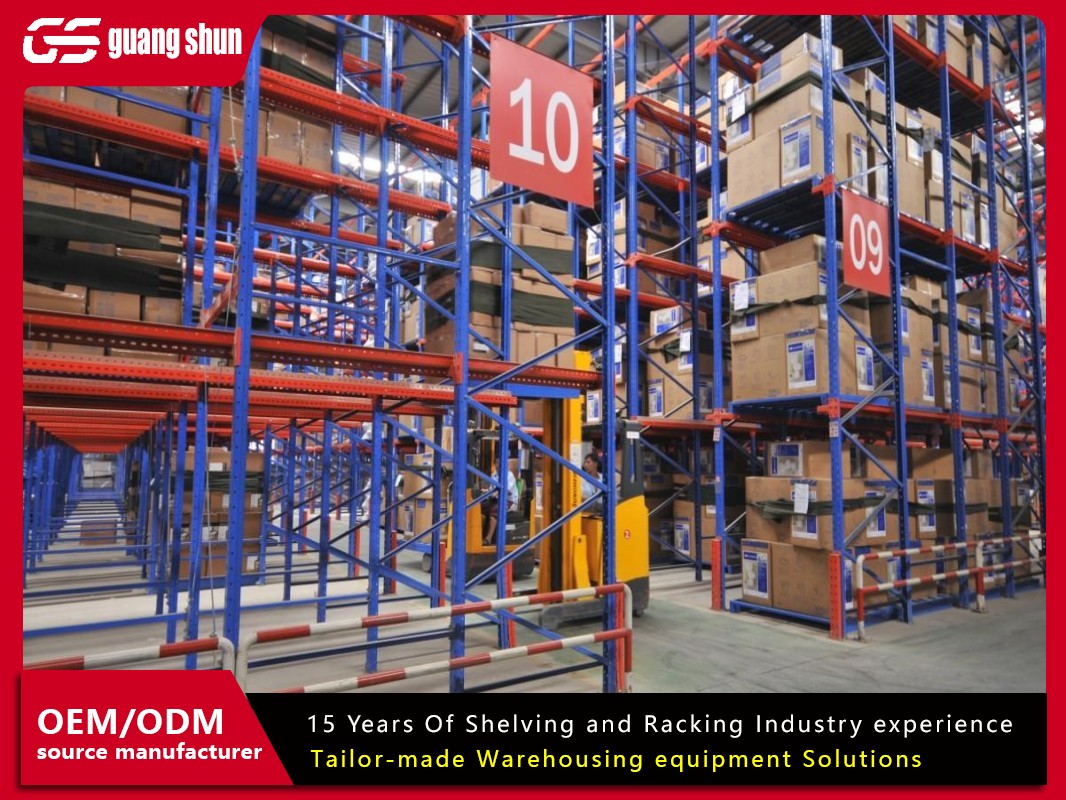
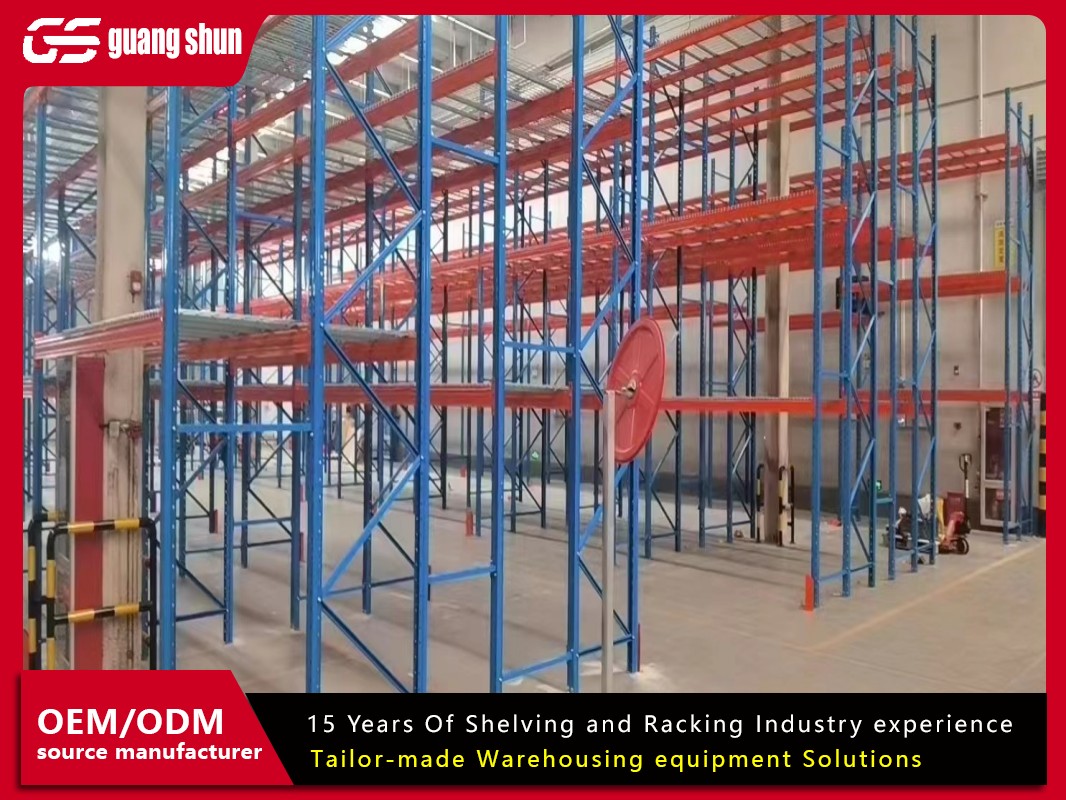
Selective Pallet Racking is the most widespread. It allows direct access to every pallet, making it perfect for diverse SKUs. This is the classic warehouse rack you likely picture.
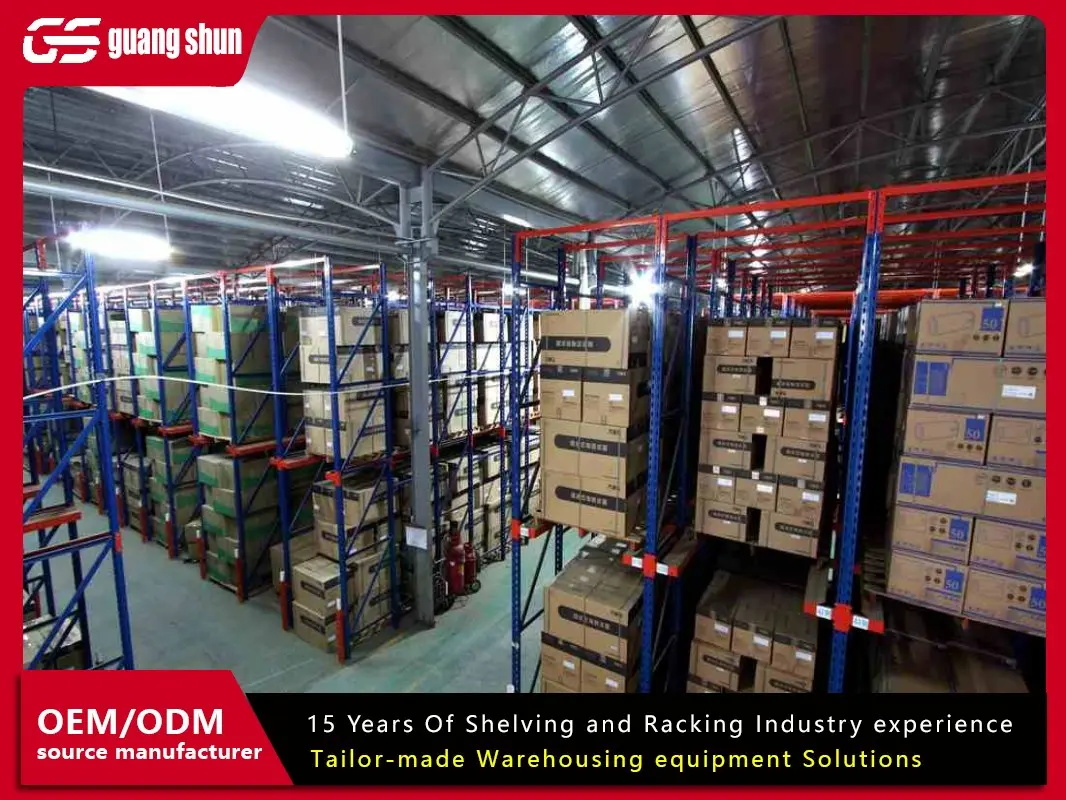
Drive-In/Drive-Through Racking maximizes storage density for high-volume, low-SKU products. Forklifts drive directly into the rack structure, sacrificing some selectivity for incredible space use.
Cantilever Racking is designed for long, bulky items like pipes, timber, or furniture. Arms extend from a central column, providing unobstructed access to stored materials.
Mezzanine Racking adds a second or third level within your existing footprint. It effectively doubles your floor space by utilizing vertical air space above work areas.
Prioritizing Safety and Professional Installation
Safety is paramount. A warehouse rack failure can be devastating. Always ensure your chosen system is designed to meet or exceed local safety regulations and seismic codes if applicable. Look for reputable manufacturers that provide clear load capacity ratings.
Never underestimate professional installation. An incorrectly assembled warehouse rack is a major hazard. Certified installers ensure the structure is plumb, secure, and anchored properly. They also certify that it has been built to the engineered specifications, which is crucial for insurance and liability.
The cheapest space you have is the air above you. The most efficient warehouse rack systems use the full clear height of the facility. The higher you can safely store, the more you save on floor space per pallet position.
An efficient layout is equally important. Work with a planner to design aisles that are wide enough for your equipment but not wasteful. Consider the flow of goods from receiving to storage to shipping. A logical warehouse rack layout minimizes travel time and reduces operational bottlenecks.
Your business will evolve. Your warehouse rack system should be able to evolve with it. Modular systems that can be easily reconfigured, expanded, or relocated offer tremendous long-term value. Avoid custom-welded designs that are fixed in place unless your needs are absolutely static.
Consider how easily you can adjust beam heights. As inventory profiles change, the ability to quickly reposition shelves without special tools is a significant advantage for ongoing efficiency.
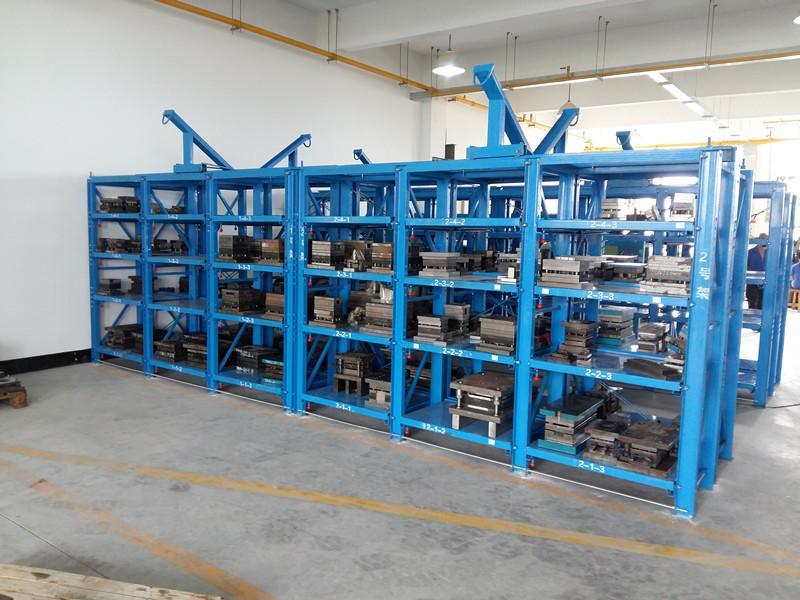
The right accessories can drastically improve the functionality and safety of your warehouse rack. Consider wire mesh decking for small items, column protectors to guard against impacts, or post reinforcements for higher seismic zones.
Finally, establish a routine maintenance schedule. Regularly inspect for damage, especially from forklift impacts. Ensure beams are properly locked, connections are tight, and the structure remains upright. A well-maintained warehouse rack system lasts decades and protects your people and products.
Q1: How do I determine the right load capacity for my warehouse rack?
A1: You must calculate the maximum weight each pallet or shelf will hold. Then, add a safety margin. Always consult with a rack professional or engineer to ensure the design specifications match your actual loads, including the weight of the rack itself and any permanent accessories.
Q2: Can I install a warehouse rack system myself to save money?
A2: For very small, light-duty shelving, perhaps. For any significant pallet racking system, professional installation is strongly recommended and often required for warranty and insurance. Improper installation is a leading cause of rack failure and poses serious safety risks.
Q3: What is the typical lifespan of a well-maintained warehouse rack?
A3: A quality warehouse rack system from a reputable manufacturer, properly installed and maintained, can easily last 20-30 years or more. Longevity depends heavily on avoiding damage, not exceeding load limits, and operating in a suitable environment.
Q4: How often should I inspect my warehouse racking?
A4: Formal, documented inspections should be conducted at least annually by a competent person. Additionally, operators should be trained to perform and report basic visual checks for damage after any impact or as part of a regular weekly/monthly routine.
Q5: What's the most common mistake people make when buying warehouse racks?
A5: The two biggest mistakes are underestimating load weights (and future load weights) and prioritizing the lowest upfront price over quality, safety, and total cost of ownership. This can lead to premature failure, unsafe conditions, and costly replacements down the line.

 Wechat
Whatsapp
Wechat
Whatsapp