In the relentless pursuit of warehouse efficiency, the vertical cube is the final frontier. As operational costs soar and available space becomes a premium commodity, businesses are forced to rethink traditional storage methods. This is where high density pallet racking transitions from an option to a necessity. It’s not just about adding more shelves; it's about a fundamental redesign of storage philosophy to unlock unprecedented capacity within your existing footprint.
This guide cuts through the noise to provide a clear, strategic look at high density pallet racking systems, helping you determine if they are the right fit for your operation.
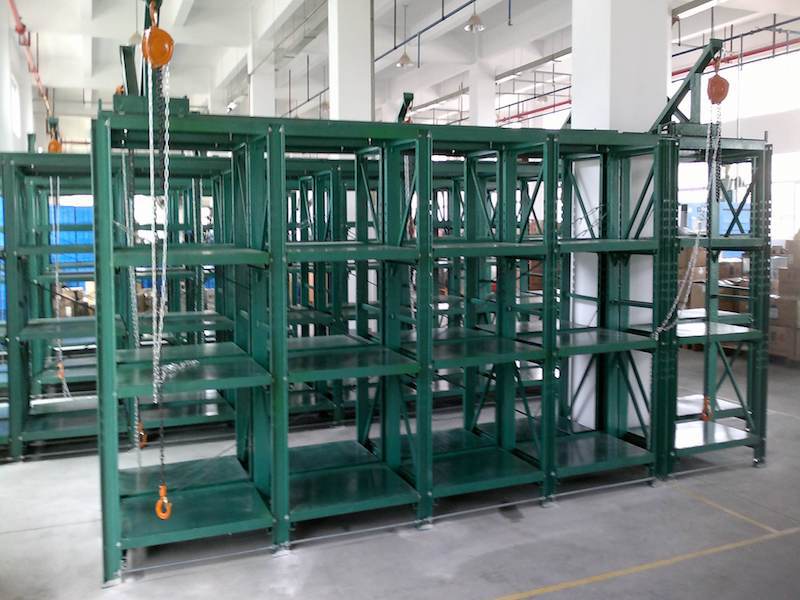
At its core, high density pallet racking is a collective term for storage systems designed to significantly increase the number of pallet positions per square foot by reducing or eliminating unnecessary aisles. Unlike selective pallet racking, where every pallet is immediately accessible from a wide aisle, high density storage systems sacrifice some direct access for immense space savings.
These systems are engineered for inventory that is dense, homogeneous, and often managed with a Last-In, First-Out (LIFO) or First-In, First-Out (FIFO) methodology. The primary goal is simple: store more with less wasted space dedicated to aisles.
Not all high density pallet racking is created equal. The choice depends entirely on your inventory profile, handling equipment, and operational workflow.
1. Drive-In and Drive-Thru Rack Systems
Imagine a multi-level storage structure where the aisle is the rack.