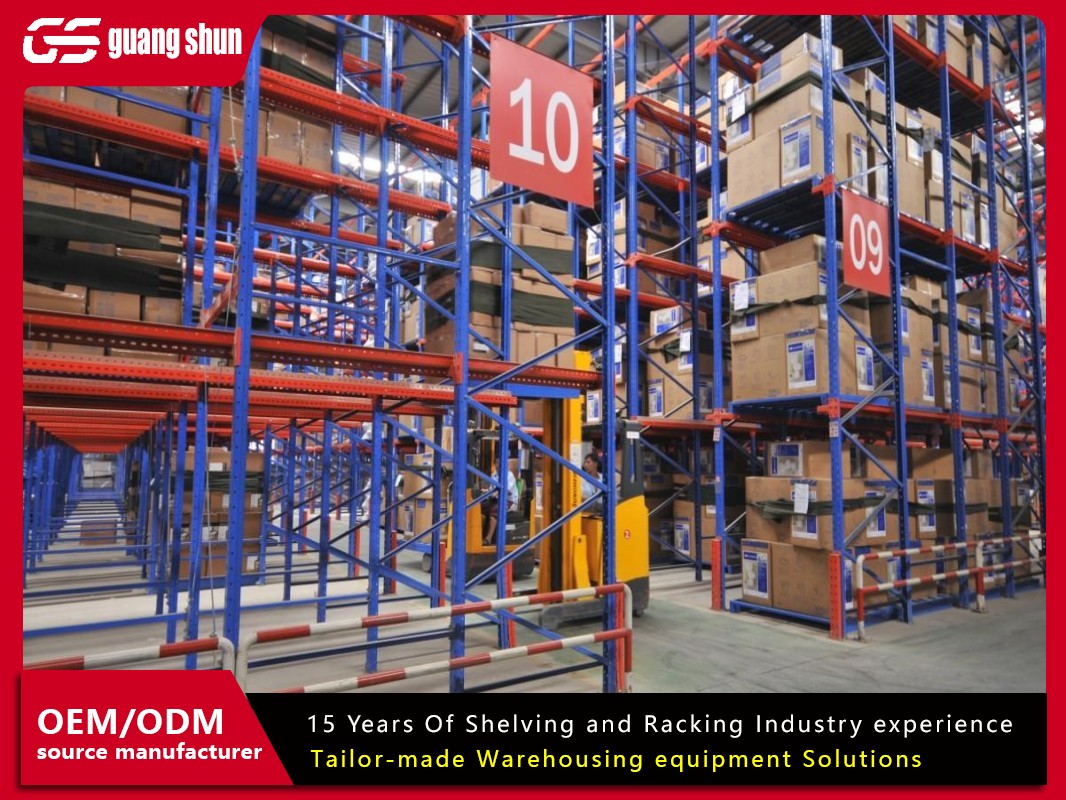
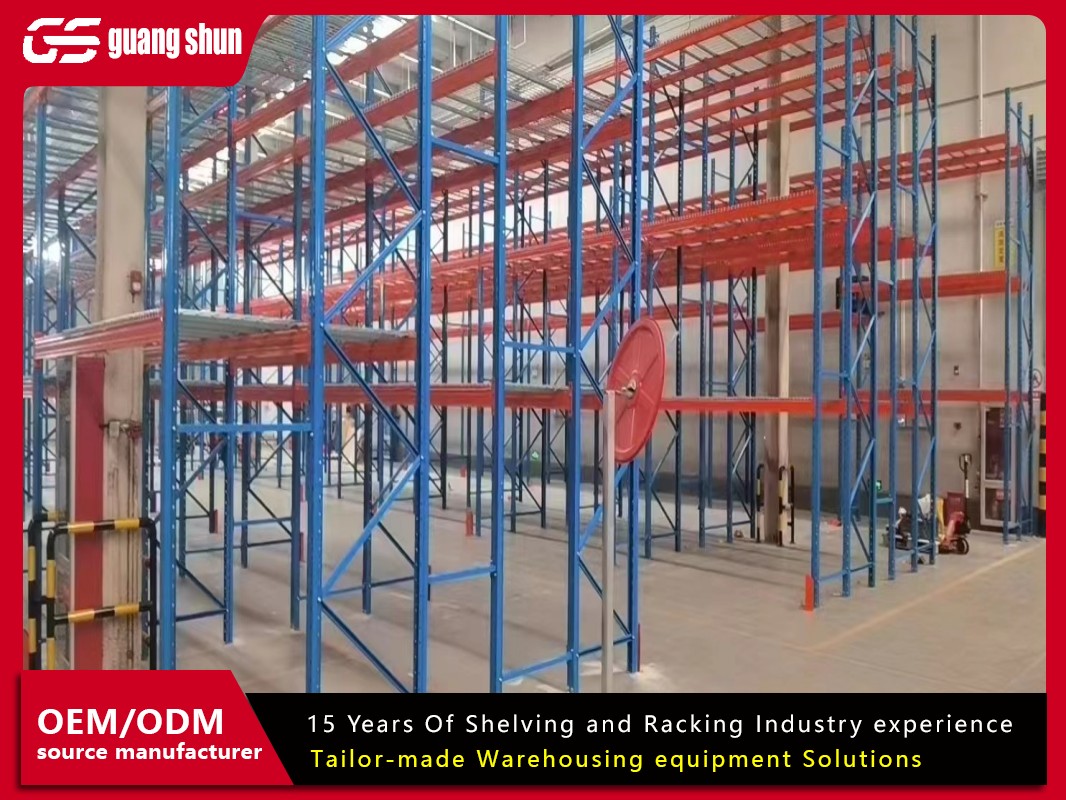
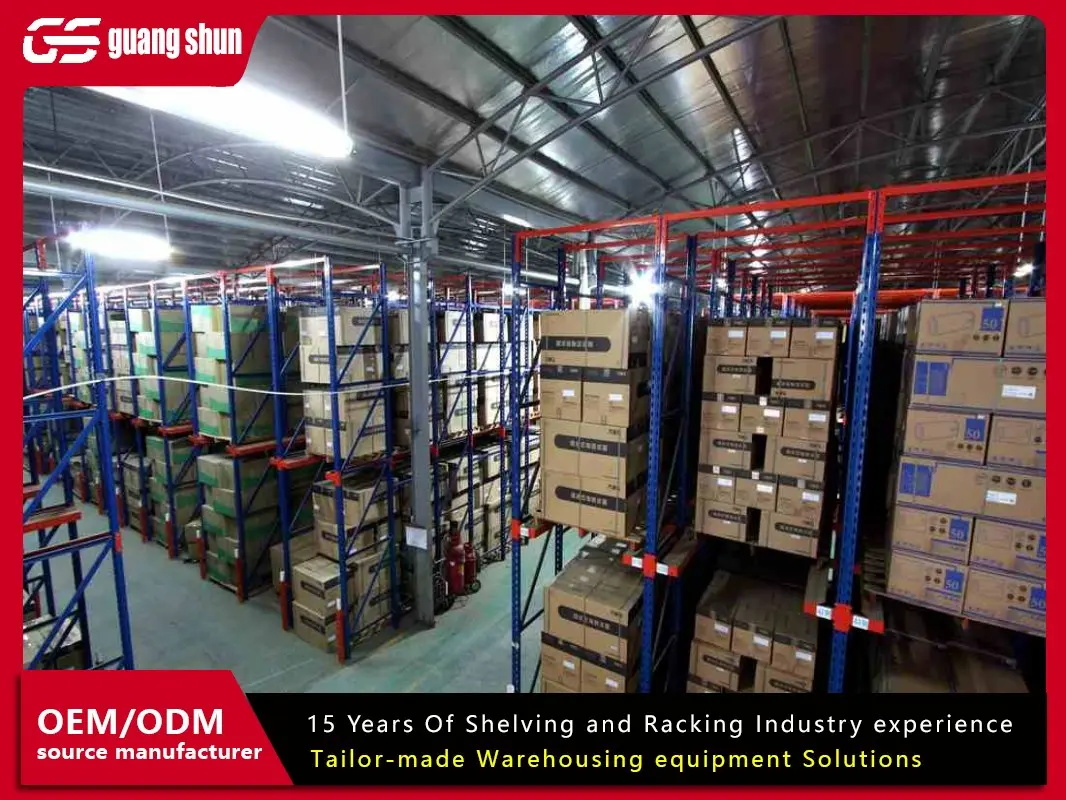
Selecting the correct rack depth directly impacts storage density, structural safety, and operational throughput. The 36 pallet rack configuration—defined by a 36‑inch (915 mm) beam depth—addresses specific warehouse scenarios where standard 42‑ or 48‑inch depths introduce inefficiencies. This guide provides engineering data, comparative metrics, and industry‑tested solutions for integrating 36 pallet rack systems into medium‑duty storage environments. As a certified supplier, Guangshun delivers RMI/ANSI MH16.1‑compliant racks backed by finite element analysis (FEA) and site‑specific seismic calculations.
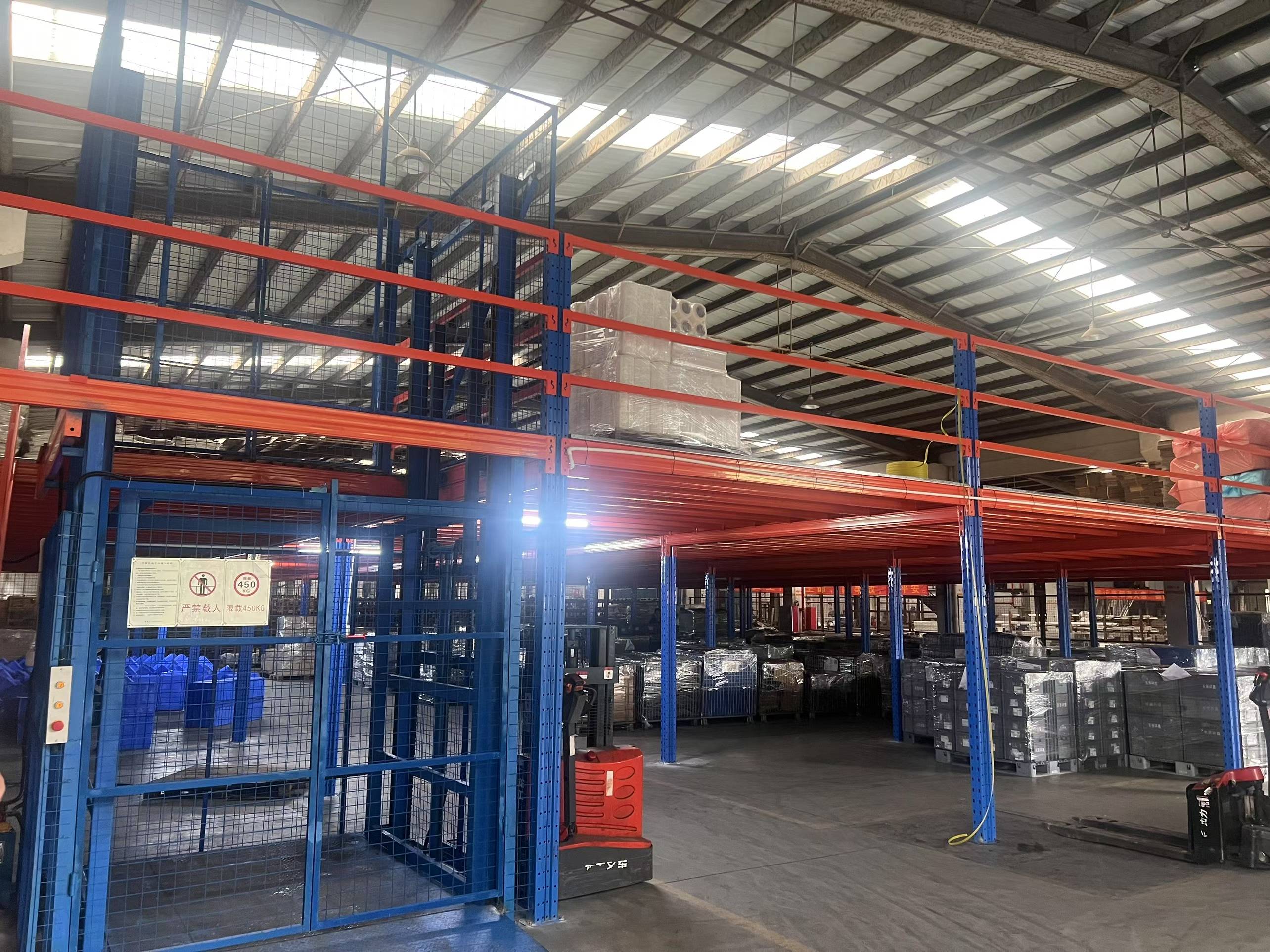
A 36‑inch beam depth is not an arbitrary dimension—it aligns with specific pallet footprints, load centers, and forklift turning radii. The following parameters define a robust 36 pallet rack configuration.
Upright frames: Standard roll‑formed columns of 3‑1/2″ × 3‑1/2″ or 4″ × 2‑1/2″ sections, 14‑gauge to 12‑gauge (1.9 mm to 2.6 mm). Thicker 11‑gauge (3.0 mm) available for dynamic loads >12,000 lbs per column set.
Load step‑increments: Teardrop punch patterns at 2″ and 4″ vertical increments, compatible with pin‑less or bolted beam connectors. The 36‑inch depth uses standard keyhole slots spaced to maintain beam end‑connector engagement at 92% of full surface contact.
Base plates & anchors: 5/8″ or 3/4″ anchor bolts (concrete compressive strength ≥ 3000 psi), with epoxy‑grouted sleeves for seismic zones. Guangshun provides site‑specific anchor pattern design per ASCE 7‑22 drift limits.
For a 36 pallet rack with standard 96″ upright spacing, allowable beam capacity per pair follows the L/180 deflection criterion (maximum 0.53″ for a 96″ span). Typical step beams (4″ height, 1.5″ flange) support:
2,700 lbs per beam level at 96″ length (uniformly distributed load, UDL)
2,100 lbs per beam level for point loads (concentrated via pallet legs)
Derate by 12% if using wire mesh decking instead of plywood or bar grating (additional torsional stress)
The 36‑inch depth reduces beam deflection under equivalent load compared to 48‑inch racks because the load center shifts closer to column lines, lowering the bending moment by approximately 18%.
Minimum back‑to‑back flue space: 8″ (recommended 10″ for air circulation and fire safety per IFC 2021).
Required aisle width for counterbalanced forklift: 11′ to 12.5′ for a 36″ deep rack + 48″ pallet (pallet overhang allowance ≤ 4″). Narrow aisle reach trucks reduce this to 9′ with wire guidance.
Pallet overhang limitation: Maximum 3″ beyond beam faces; exceeding this voids load ratings. 36‑inch depth perfectly fits 40″ × 48″ pallets when the 40″ side aligns with the beam direction (overhang then 2″ per side – acceptable).
Standard 48‑inch selective racks often waste 12% to 15% of cubic space when handling non‑dimensional or lightweight SKUs. Below are four proven use cases for the 36 pallet rack.
Automotive containers (e.g., KLT bins, automotive dunnage trays) frequently measure 32″ × 24″. Using 36‑inch depth reduces empty back‑lane space to 4″, increasing row density by 23% compared to 48‑inch racks. Guangshun implemented a 4,000‑pallet position system for a German OEM supplier, achieving 31% faster pick times due to reduced forward reach distance.
IBC totes (Intermediate Bulk Containers) have a 45″ × 45″ footprint—placing them on 48‑inch racks creates 3″ overhang, violating OSHA and NFPA 30 code for stability. A 36‑inch depth when combined with steel backstops and roll‑out beam supports safely positions IBCs with <2″ overhang, complying with spill containment requirements. The narrower depth also allows additional rack rows within existing fire suppression sprinkler coverage (spacing ≤ 12 ft).
In freezer warehouses (−10°F to 0°F), air circulation is critical. A 36‑inch depth reduces stagnant air pockets behind pallets, cutting defrost cycles by 17% based on ASHRAE 2020 data. Combined with perforated back panels, the system improves temperature uniformity to ±2°F, essential for biologics storage.
For mixed‑carton pallets (typical height 42″), 36‑inch depth minimizes wasted horizontal travel for pickers using voice‑directed carts. Throughput studies show a 9% increase in picks per hour when reducing rack depth from 48″ to 36″ (source: MHIA 2022 benchmark).
Selecting depth involves trade‑offs. Below is a quantitative comparison for a 200‑ft long rack row, 20 ft clear height, using 2,500 lb pallet loads.
| Parameter | 36″ depth rack | 42″ depth rack | 48″ depth rack |
|---|---|---|---|
| Pallet positions per row (100 ft length, 4 levels) | 252 | 234 | 216 |
| Floor space utilization (including 11′ aisle) | 41% | 38% | 35% |
| Average picker travel distance per pick (feet) | 14.2 | 16.8 | 18.9 |
| Frame cost per position (USD, estimates) | $87 | $92 | $98 |
| Compatibility with 45″+ pallets | With backstops | Full support | Full support |
The 36‑inch depth yields 16.7% more positions than 48‑inch in the same floor area when storing sub‑48″ pallets. However, for mixed fleets with both 48″ and 32″ pallets, a hybrid depth layout (alternating bays) often provides the best compromise. Guangshun offers adjustable beam connectors to convert 36‑inch bays to 42‑inch by simply replacing beams—no new frames needed.
Solution: The 36‑inch depth eliminates the “dead zone” behind lighter pallets. Using vertical rack towers with integrated back‑to‑back flue spacers cut to 6″ instead of standard 12″ further recovers 20 cu. ft. per bay. Implementation of push‑back lanes in 36‑inch depth (2‑carts deep) yields 85% density improvement over selective.
Solution (data‑driven): A lighter 36‑inch configuration reduces roof‑weight participation factor. For a 30‑ft tall rack, switching from 48‑inch to 36‑inch depth reduces the effective seismic weight by 12%, lowering required base shear (Vb) per ASCE 7. Adding cross‑aisle horizontal diagonal braces (of 1‑1/2″ diameter) maintains drift limits below 1.5″ at MCE level. 36 pallet rack designs from Guangshun include stamped seismic base isolators tested to 0.8g PGA.
Solution: Narrower rack depth reduces required aisle width, but also increases potential for upright strikes. Installing double‑sided column protectors (6″ height, 1/4″ steel) at every aisle‑facing upright lowers damage incidence by 63%. Additionally, a new “overhang detection” using retroreflective sensors on the fork carriage prevents over‑insertion into the 36‑inch bay, eliminating bent beams.
Solution: For 36‑inch deep racks with high point loads (e.g., steel coils), specify 5″ step beams (section modulus Sx = 3.15 in³ vs 2.10 in³ for 4″ beams). Beam camber can be pre‑set to 0.125″ per 10 ft to offset permanent creep. Routine audits using laser distance meters keep deflection below L/200.
Solution: NFPA 13 allows 36‑inch deep racks to have in‑rack sprinklers spaced at 12 ft (horizontal) versus 10 ft for 48‑inch deep racks due to better water penetration. This reduces sprinkler head count by approximately 17%, cutting installation cost by $4,500 per 100 bays. Guangshun’s pre‑calculated fire suppression layout complies with FM Global DS 8‑9.
All 36 pallet rack designs from Guangshun follow:
RMI ANSI MH16.1‑2020: Specification for the design, testing and utilization of industrial steel storage racks.
FEM 10.2.08: European rack safety protocols (static and dynamic load tests).
ISO 9001:2015 manufacturing process controls (welding, roll‑forming tolerance ±0.5 mm).
Each batch undergoes 2% destructive testing on beam connectors (proof load 150% of rated capacity). For seismic zones, third‑party PE stamping is provided. A 36‑inch rack with 10,000 lbs column capacity achieves a safety factor of 1.65 against overturning when anchored per manufacturer’s torque specs (140 ft‑lb for 3/4″ anchors).
The fixed 36‑inch depth allows automated guided vehicles (AGVs) with laser or SLAM navigation to achieve positioning repeatability of ±5 mm when using magnetic lane guides. For shuttle systems, a 36‑inch depth reduces shuttle travel time per cycle by 0.4 seconds compared to 48‑inch—negligible for single cycles but saving 1.8 hours annually per shuttle in high‑density ASRS. When pallet flow racks (gravity) use a 36‑inch depth with 3% slope, skate wheel conveyors achieve consistent speed control, preventing pallet jackknifing. Guangshun’s automation‑ready 36 pallet rack includes pre‑drilled holes for photocells and Ethernet‑enabled load sensors.
A properly maintained 36 pallet rack has a design life of 25+ years. Annual maintenance costs average $0.28 per pallet position, covering:
Torque verification of all beam connections (every 12 months).
Ultrasonic thickness testing on uprights at 2 ft above floor (every 24 months).
Repainting of abraded surfaces with epoxy‑zinc primer (9 mil DFT).
Replacement cost for damaged beams on a 36‑inch depth system is 15% lower than 48‑inch due to reduced steel volume (approx. 38 lbs less per beam). Over a 10‑year period, this yields a net present value saving of $7,200 for a 500‑bay facility.
Q1: Can I store 48″ × 40″ Grocery Industry Pallet (GMA) on a 36
pallet rack?
A1: Yes, when the 40″ dimension is
placed as the depth (i.e., the pallet’s 40″ side runs from front to back). This
results in a 4″ overhang (2″ front + 2″ rear). As long as overhang does not
exceed 3″ per RMI guidelines, it is acceptable. For extra safety, install 4″
steel backstops bolted to the rear beam. Load capacity should be reduced by 8%
due to eccentricity. Guangshun provides overhang‑safe beam design with
additional welded brackets.
Q2: What is the maximum column height for a 36 pallet rack in a
seismic zone?
A2: For Seismic Design Category (SDC)
D, maximum unspliced column height is 32 ft when using 12‑gauge uprights with
base plate stiffeners. For heights above 32 ft, cross‑aisle horizontal bracing
spaced every 16 ft is mandatory. Guangshun performs non‑linear pushover analysis
(FEMA P‑695) for each 36‑inch rack exceeding 30 ft. Maximum practical limit with
proper bracing is 45 ft.
Q3: Are wire mesh decks compatible with 36 pallet rack
beams?
A3: Yes, standard 3‑gauge mesh decks (2″ ×
4″ grid) fit within 36‑inch nominal depth, but ensure mesh extends to the
outside face of front and rear beams. Mesh overhang beyond beams reduces load
capacity by 25%. For uniform loads up to 2,000 lbs per shelf, specify flat‑wire
decks (7‑gauge) that resist sagging. Guangshun’s integrated deck‑lock clips
prevent lift during forklift operation.
Q4: How does a 36 pallet rack affect thermal efficiency in cold
storage (+35°F to 0°F)?
A4: The reduced depth
improves air curtain effectiveness. Computational fluid dynamics (CFD)
simulations show 18% less cold air spillage across open rack faces compared to
48‑inch when using high‑speed fabric doors. Additionally, the narrower beam
surface area reduces frost accumulation on frame members, minimizing defrost
heating loads by ≈12 kWh per 100 ft of rack per day.
Q5: Can I retrofit push‑back or drive‑in mechanisms to an existing 36
pallet rack?
A5: Yes, both are feasible. For
push‑back (2‑ or 3‑deep carts), the 36‑inch depth accepts carts up to 30″ width,
providing 6″ of side guide clearance. For drive‑in rails (canti‑lever type),
36‑inch depth requires rails reinforced with 5″ structural C‑channels due to
narrower torque arm. Retrofitting typically costs 40‑50% of new system cost.
Guangshun offers engineered retrofitting kits with full load
recertification.
Conclusion
The 36 pallet rack configuration delivers
measurable advantages in space utilization, seismic compliance, and operational
speed for warehouses handling sub‑48″ pallets, IBC totes, or automotive
containers. By applying the engineering data, load benchmarks, and industry
codes discussed, facility managers can reduce cost per pallet position while
improving safety margins. For site‑specific layouts, Guangshun’s engineering team provides 3D FEA
reports, on‑site seismic evaluation, and 24‑hour load capacity
certifications.

 Wechat
Whatsapp
Wechat
Whatsapp