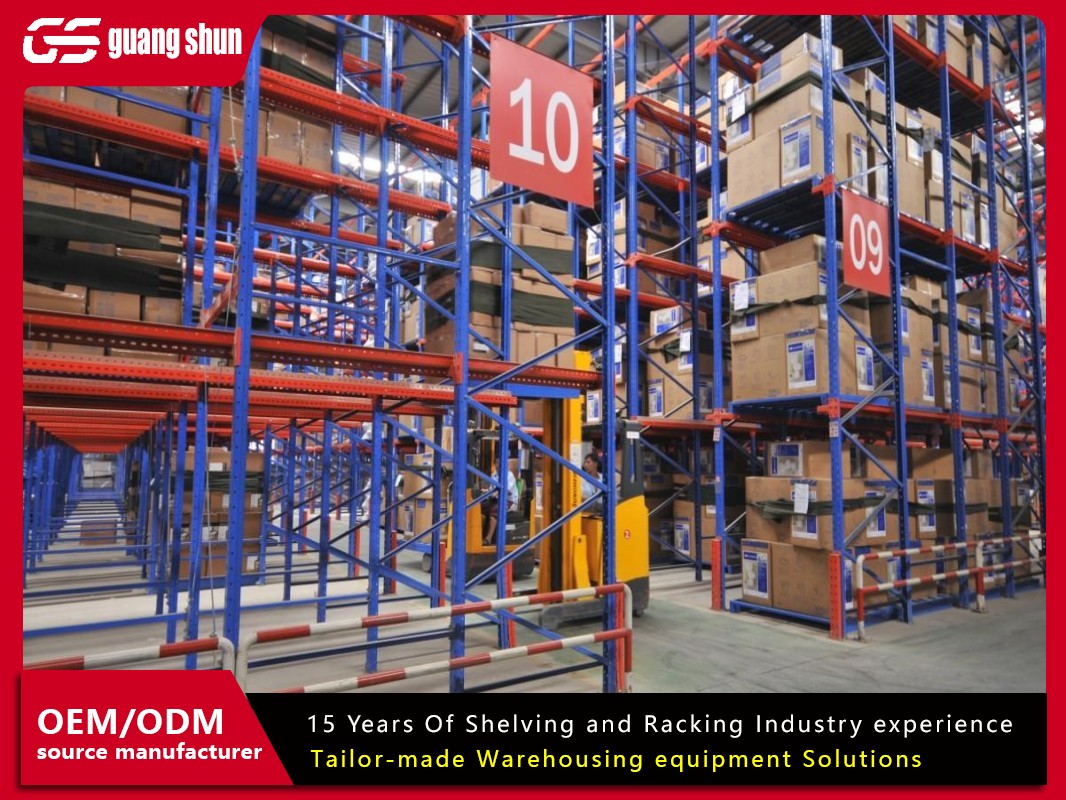
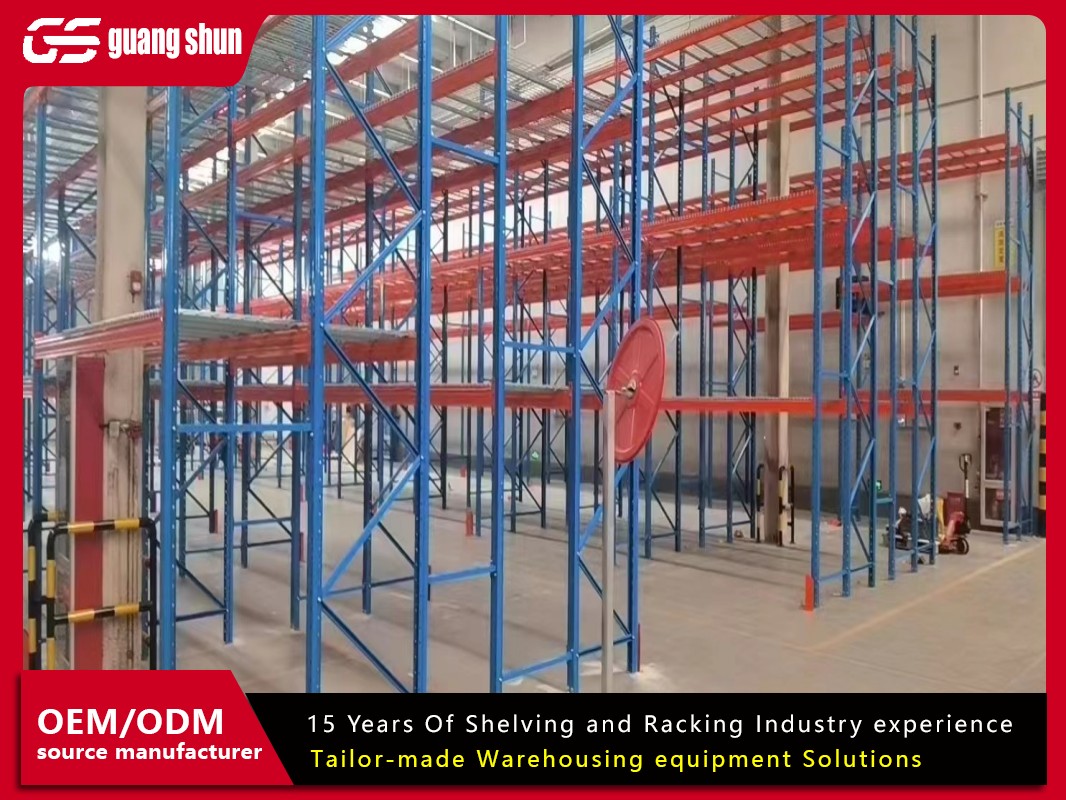
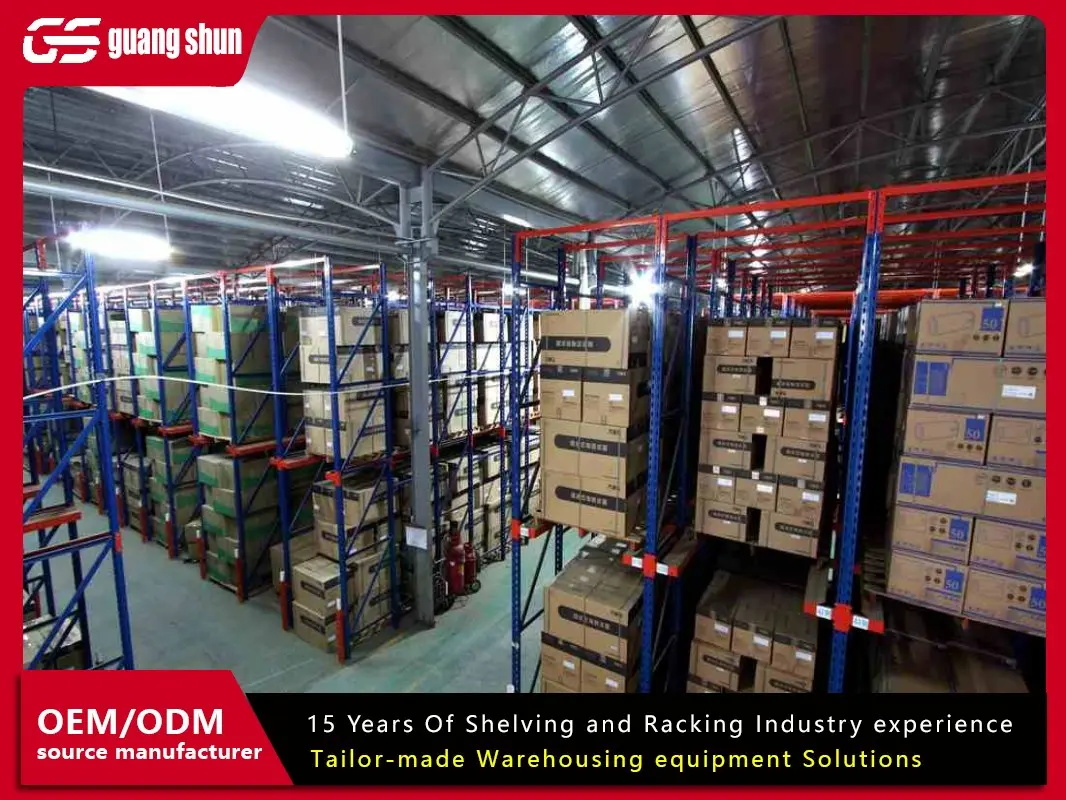
Is your warehouse, garage, or stockroom overflowing? Are you tired of wasted vertical space and shelves that sag under pressure? You’re likely searching for a storage solution that’s both strong and adaptable.
The answer often lies in investing in the right heavy duty adjustable storage shelving. But not all shelving is created equal. A quick, uninformed purchase can lead to safety risks and wasted money.
This article breaks down the five most important things you need to evaluate. Understanding these points will ensure you get a system that not only holds up but also evolves with your needs.
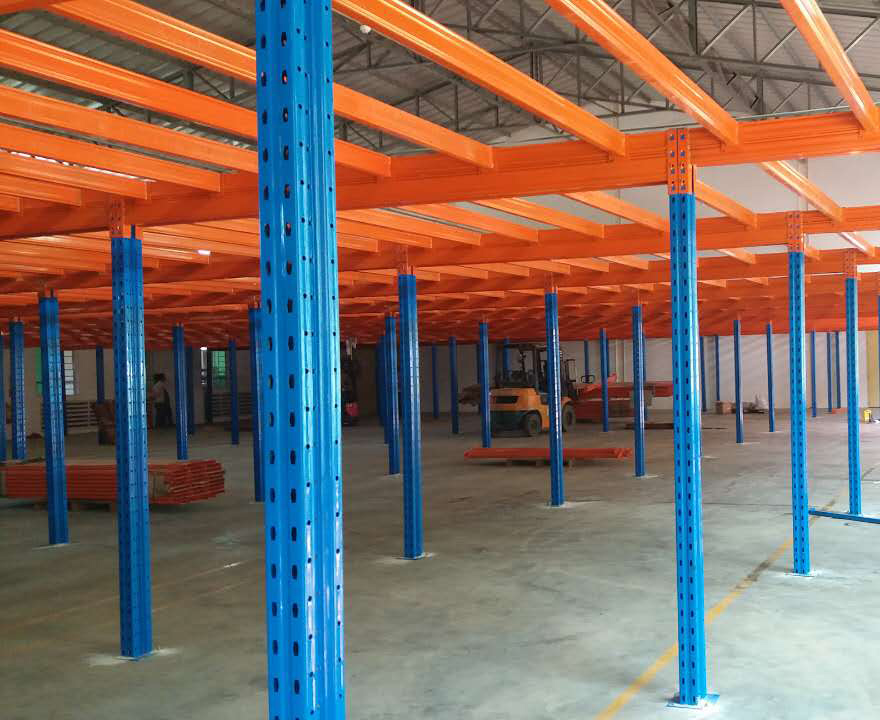
First, let's clarify the term. Heavy duty adjustable storage shelving refers to freestanding or assembled storage units designed to hold significant weight—often from 500 lbs per shelf upwards. The "adjustable" component is key: it means the shelf heights can be changed without tools or with minimal effort.
This is different from lighter-duty, fixed-height units or welded racks. The combination of strength and flexibility is what makes this category so valuable for dynamic environments. You're looking at a system built from thick gauge steel, with robust connectors and decks that don't buckle.
Why choose this type of system? The benefits are direct and practical.
The primary advantage is the adjustable feature. Your inventory changes. Having the ability to reconfigure your heavy duty shelving units in minutes is a game-changer. Store tall drums one month and short boxes the next, all on the same frame.
This adaptability maximizes every cubic foot of your available space. You eliminate the dead air above shorter items. Strength, of course, is the other pillar. Proper heavy duty garage shelving or industrial units handle tools, motor parts, palletized goods, and archived files with ease.
They bring order to chaos and transform shaky storage into a reliable, organized asset.
You’ll find heavy duty adjustable storage shelving serving as the backbone of organization in many settings.
In industrial warehouses, it’s used for bulk parts, maintenance supplies, and packaging materials. For retail stockrooms, it manages overstock and seasonal items. The garage or workshop is a classic home for heavy duty garage shelving, where it organizes tools, paint, and equipment.
Libraries, museums, and offices use it for archival box storage. Anywhere items are heavy, space is limited, and needs change, this shelving provides the solution.
This is the most critical factor. Never look at just the "total unit" capacity. You must check the per-shelf capacity. A unit rated for 4000 lbs with 5 shelves means 800 lbs per shelf, if evenly distributed.
Examine the steel gauge. Lower numbers mean thicker steel (e.g., 12-gauge is thicker and stronger than 16-gauge). Look at the beam and upright design. Beams should have a robust latching mechanism and a folded lip for extra strength.
The decking material matters too. Particle board is common but can degrade if wet. Steel wire decking is more durable and allows for dust and spillage to fall through. For true heavy duty use, the construction should feel substantial, not lightweight.
"Adjustable" can mean different things. The best systems offer tool-free, infinite, or pin-hole adjustment.
Tool-free systems use a spring-loaded pin or lever that you disengage to move the beam. This is the fastest and most user-friendly method for frequent changes. Pin-hole systems require you to align beams with pre-drilled holes and insert a bolt or pin. They are very secure but slightly slower to adjust.
Check the vertical spacing increment (e.g., every 1 inch or 2 inches). Finer increments give you more precision in optimizing space. A good adjustable storage rack should be reconfigured by one person without a major struggle.
Measure your space meticulously before shopping. Consider not just the footprint of the shelving unit, but the "sweep" space needed to access it.
Depth is crucial. Standard depths are 24, 36, or 48 inches. Choose based on your largest common item. Width varies widely. Remember that wider bays (like 96 inches) may require thicker decking to prevent sagging under full load.
Height is where adjustability pays off. Ensure the unit's maximum height works for your room, and that you can comfortably access the top shelf. Planning for clear aisles is part of integrating industrial storage shelving safely and efficiently.
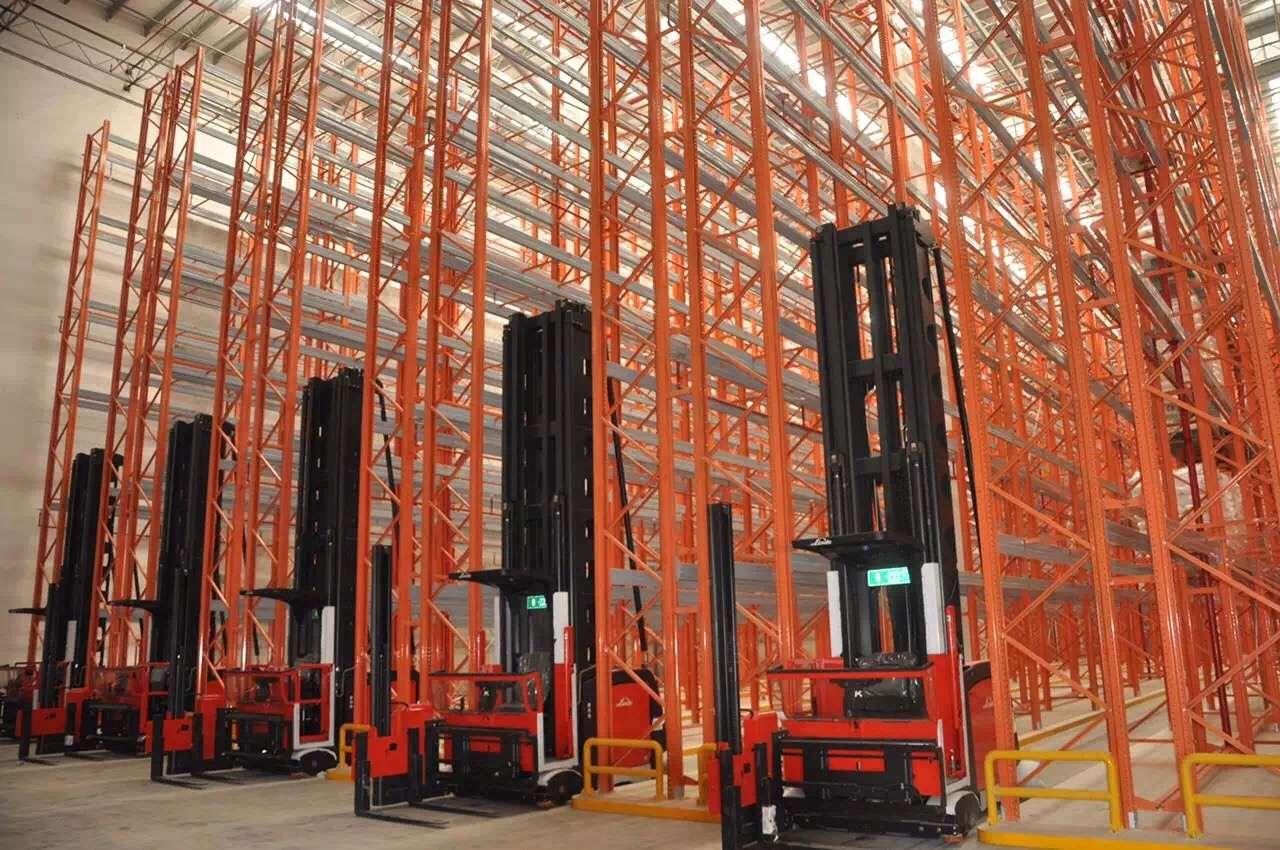
A shelf full of heavy objects is a significant hazard if unstable. Safety should be engineered in.
Look for units designed with a slight backward lean or built-in stabilizing bars to prevent tipping. All reputable heavy duty adjustable storage shelving should include anchors to secure the unit to a wall or the floor. This is non-negotiable for tall units in seismic zones or busy areas.
Some systems offer optional lip bars for the front edge of shelves to prevent items from sliding off. Consider the overall footprint; a wider, deeper base often provides more inherent stability than a tall, narrow unit.
Your shelving is a long-term investment. The finish protects against corrosion, scratches, and wear.
Powder coating is superior to paint. It’s a baked-on finish that is more resistant to chipping, chemicals, and moisture. This is vital for heavy duty garage shelving exposed to humidity and temperature swings.
Electroplated (chrome or zinc) finishes offer good rust resistance for indoor use. Inspect sample welds and connection points. They should be clean and solid, not brittle or messy. Quality manufacturing here directly impacts the shelving's lifespan.
Most heavy duty shelving units come with clear instructions. Assembly typically requires two people for safety and ease. Always start by anchoring the uprights.
Use a level during assembly. An unlevel unit distributes weight unevenly, compromising safety. Once installed, perform regular visual checks. Look for signs of overloading (sagging decks, bent beams), loose connections, or damage.
Never exceed the stated per-shelf capacity. Distribute weight evenly, placing heavier items on lower shelves. This simple maintenance routine keeps your system safe for years.
Choosing the right heavy duty adjustable storage shelving comes down to honest assessment. Match the true load capacity to your heaviest items. Prioritize a user-friendly adjustment system for future flexibility.
Ensure the dimensions fit your space with room to work. Never compromise on safety features like anchoring. And opt for a quality finish that will withstand your environment.
By focusing on these five factors, you move beyond marketing claims. You select a durable, safe, and adaptable storage partner that will organize your space effectively for the long haul.
Q1: How much weight can heavy duty adjustable storage shelving typically hold?
A1: True heavy duty adjustable storage shelving typically has a per-shelf capacity ranging from 500 lbs to over 2,000 lbs. Always check the manufacturer's rated capacity per shelf, not just the total for the unit, and ensure your loads stay well within that limit.
Q2: Can I adjust the shelves myself, or do I need special tools?
A2: Most modern systems are designed for easy, tool-free adjustment. They often feature a spring-loaded pin or lever mechanism. You simply disengage it, move the beam to the desired height, and re-lock it. This is a core benefit of this shelving type.
Q3: Is this type of shelving suitable for a home garage?
A3: Absolutely. Heavy duty garage shelving is a very common application. Look for a powder-coated finish to resist moisture and temperature changes. Ensure you anchor the unit to the wall for safety, especially if storing heavy automotive parts or tools.
Q4: What's the difference between particle board and steel wire decking?
A4: Particle board provides a solid, flat surface ideal for very small items. Steel wire decking is more durable, allows for air circulation and light passage, and lets dust/debris/liquids fall through. For messy or wet environments, wire decking is often the better choice.
Q5: Do I really need to anchor my shelving unit to the wall?
A5: Yes, anchoring is a critical safety step. A fully loaded heavy duty shelving unit is top-heavy and can tip if pulled on or in the event of an impact. Wall or floor anchoring prevents tipping hazards and is a standard safety requirement for tall storage units.

 Wechat
Whatsapp
Wechat
Whatsapp