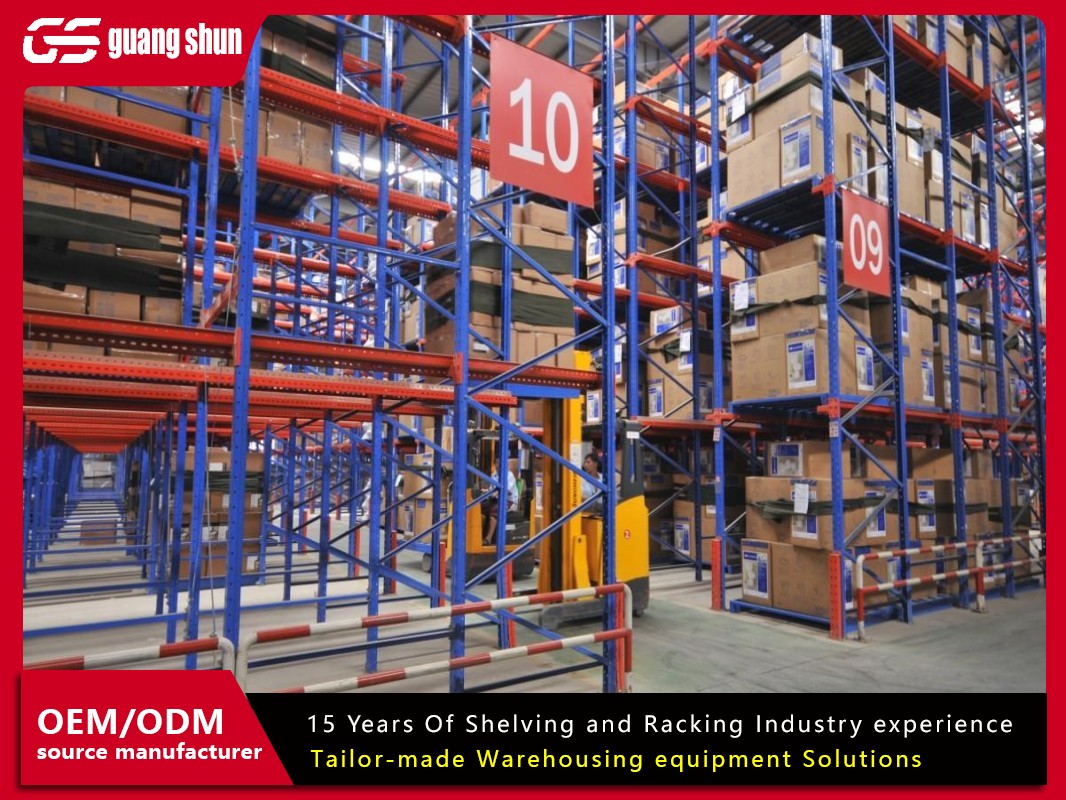
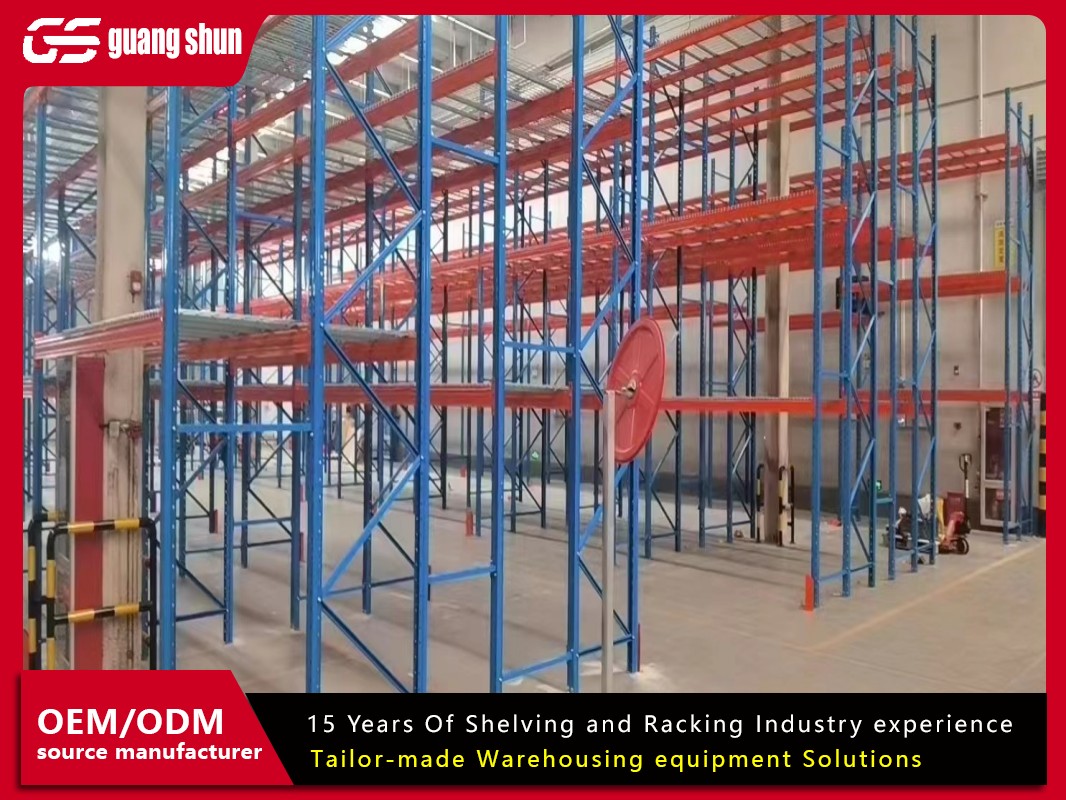
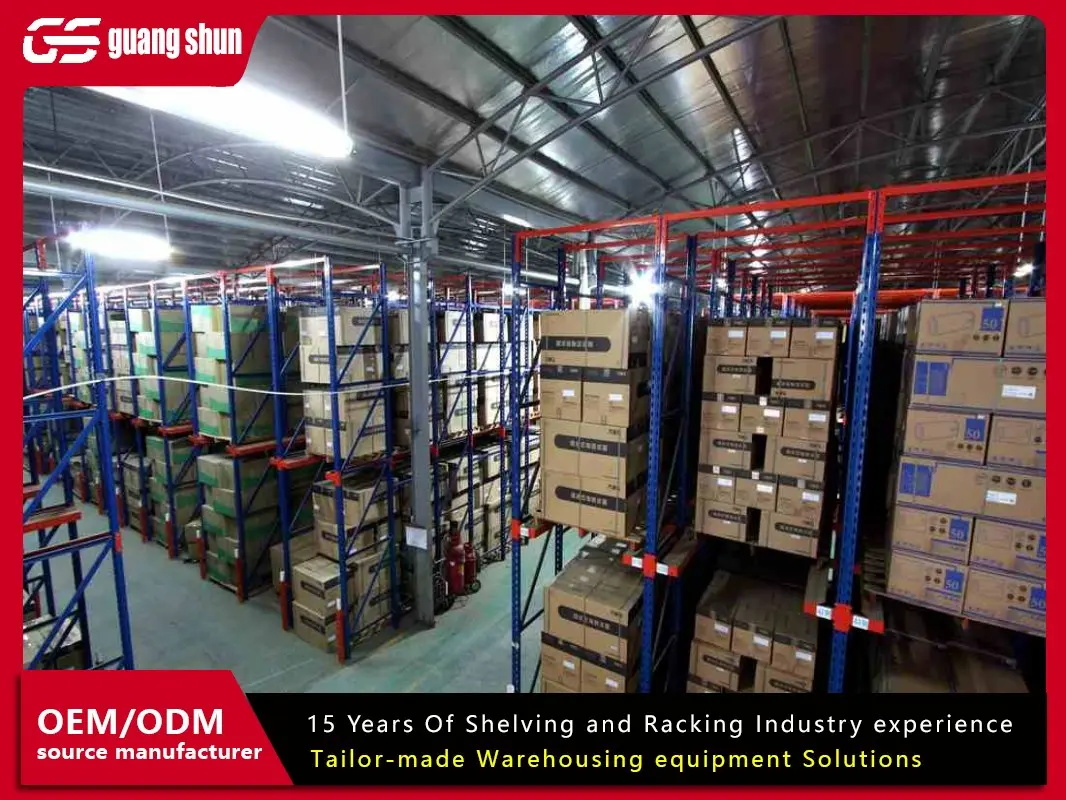
Is your warehouse overflowing? Are your shop tools in constant disarray? Finding what you need shouldn't be a daily treasure hunt. The real problem isn't a lack of space, but inefficient use of the space you have. This is where the right storage infrastructure makes all the difference.
Forget flimsy, one-size-fits-all shelving. The cornerstone of organized industrial, commercial, and even serious workshop storage is the heavy duty adjustable rack. This isn't just shelving; it's a customizable backbone for your operations.
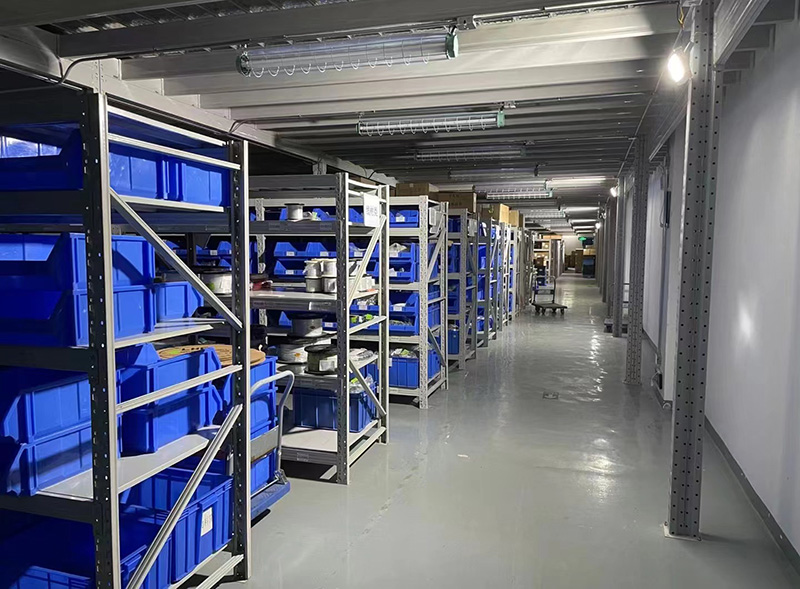
A heavy duty adjustable rack is a storage system designed for significant weight capacity and modular flexibility. Unlike light-duty shelving, it's constructed from thick-gauge steel, often with a reinforced beam and post design.
The key feature is adjustability. Upright frames feature rows of holes or slots. Beams, the horizontal supports, lock into these positions with safety clips or bolts. This allows shelf heights to be changed in inch or centimeter increments without tools or complete disassembly.
The result? A system that adapts to your inventory, not the other way around. You can store pallets, bulky equipment, small parts bins, or long materials all on the same structure.
The debate between fixed and adjustable industrial racking is straightforward. Fixed racks are cheaper initially but are rigid. If your storage needs change, you're stuck with a system that no longer works.
An adjustable storage rack provides long-term value and agility. It future-proofs your investment. Need to accommodate taller items? Move the beams up. Storing heavier, denser products? Add more beams to decrease shelf span and increase capacity. This flexibility reduces waste and the need for entirely new purchases later.
For dynamic environments, this adaptability is not a luxury—it's a necessity.
Where do these robust systems shine? Nearly anywhere weight and flexibility are concerns.
Choosing a heavy duty steel rack requires more than just picking the tallest option. Follow this practical guide.
The price of a heavy duty adjustable racking system varies. It's an investment in safety and efficiency. Costs are influenced by:
While upfront cost matters, consider Total Cost of Ownership. A cheaper, weaker rack risks collapse, product damage, and injury—costs far exceeding the initial savings.
Not all heavy duty racks are created equal. The difference lies in engineering and manufacturing.
Investing in a well-engineered adjustable industrial rack means investing in peace of mind.
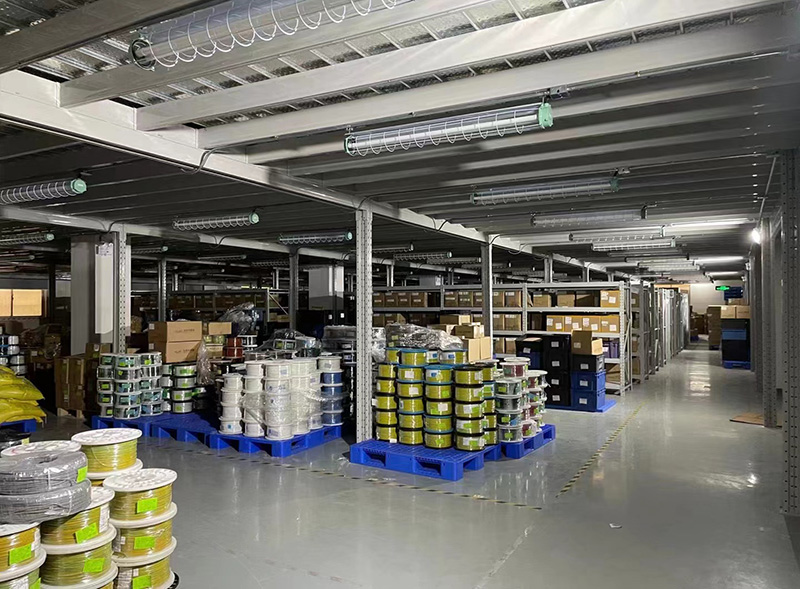
Look for suppliers specializing in industrial storage solutions. They should offer:
Q1: What is the typical weight capacity for a heavy duty adjustable rack?
A1: Capacities vary widely by design and component size. Standard heavy duty adjustable racks often range from 1,000 to 10,000 lbs per beam level. True structural pallet racks can handle 20,000 lbs per level or more. Always consult the manufacturer's specific load tables for the exact configuration you plan to use.
Q2: Can I really adjust the shelves myself, and how often should I do it?
A2: Yes, one of the main advantages is user adjustability. Beams are typically unlocked and lifted with a simple tool or by hand (following safety procedures). There's no limit to how often you adjust them. Most businesses reconfigure shelves seasonally or as product lines change.
Q3: What type of decking is best for holding small items?
A4: For small parts or items that could fall through, solid decking like particle board or steel panels is best. However, for airflow, fire code, or cleanliness, consider heavy duty wire mesh decking with a fine grid pattern. It provides a solid surface while meeting safety and visibility needs.
Q4: Are these racks safe for earthquake-prone areas?
A4: Standard racks are not inherently seismic-rated. In seismic zones, you must specify a rack designed and engineered for seismic activity. This involves different bracing, connections, and anchoring. Always inform your supplier of your location's seismic requirements.
Q5: How critical is professional installation?
A5: For any sizable heavy duty racking system, professional installation is highly recommended and often required for warranty validation. Proper installation ensures plumb, level, and securely anchored racks, with all beams correctly engaged. Incorrect assembly is a major safety hazard, risking collapse under load.

 Wechat
Whatsapp
Wechat
Whatsapp