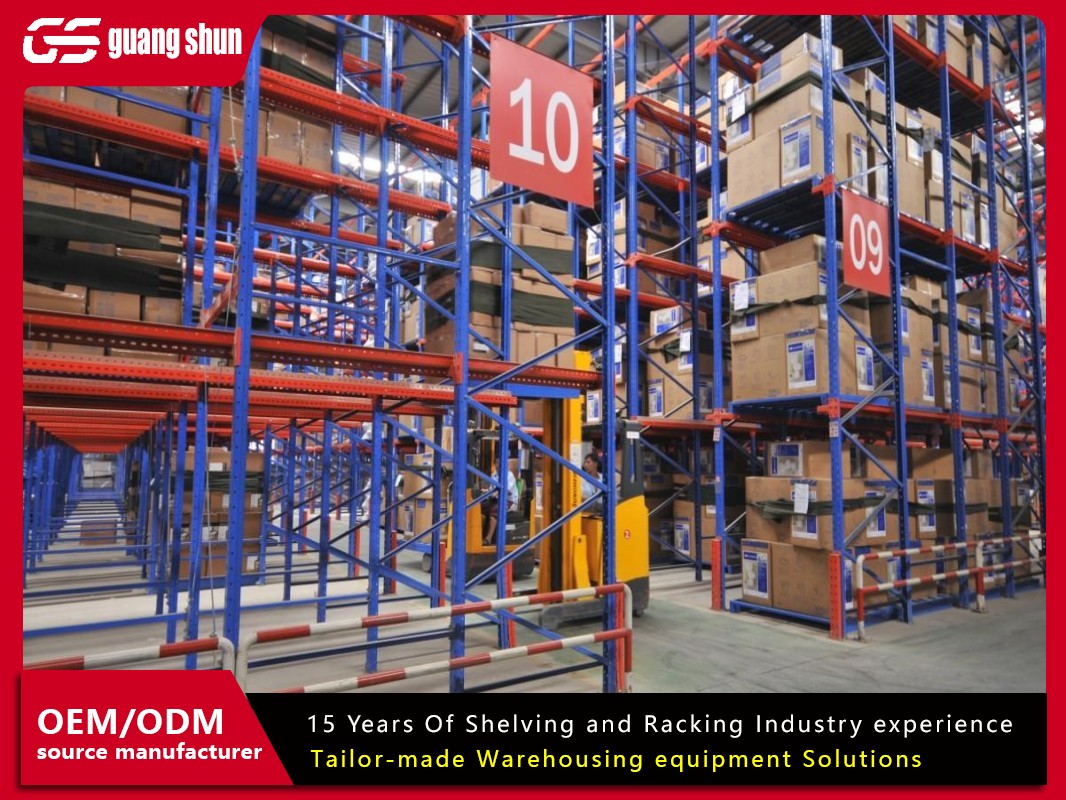
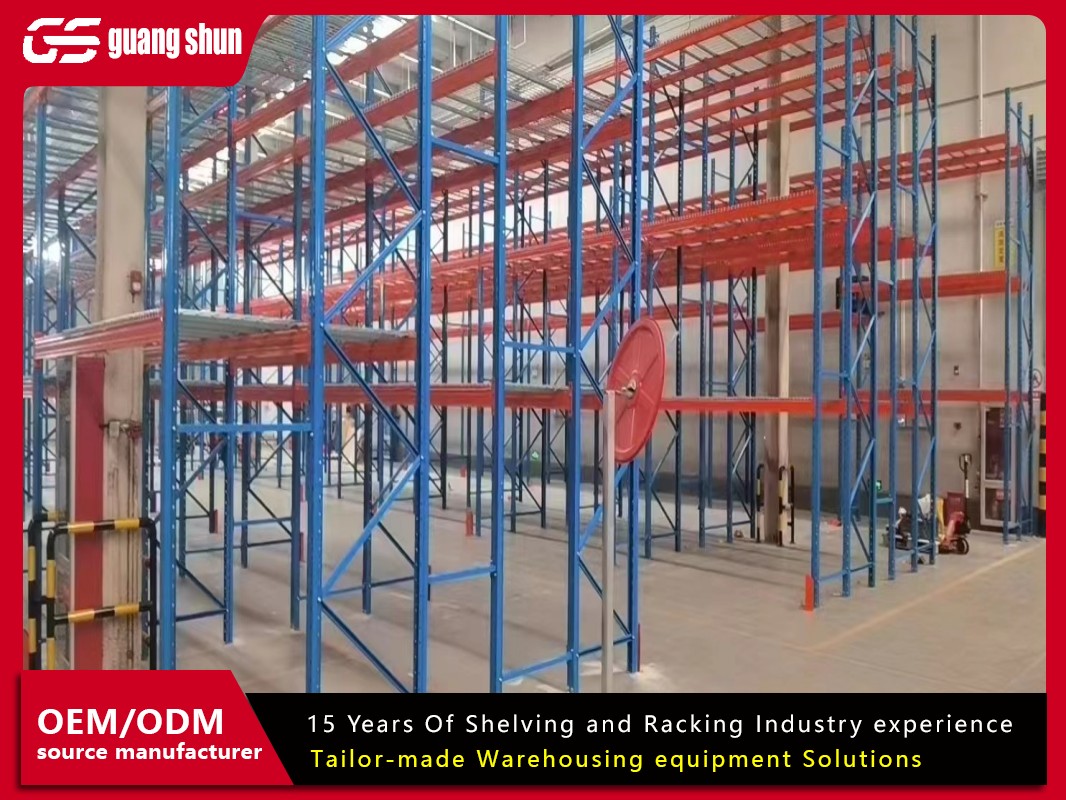
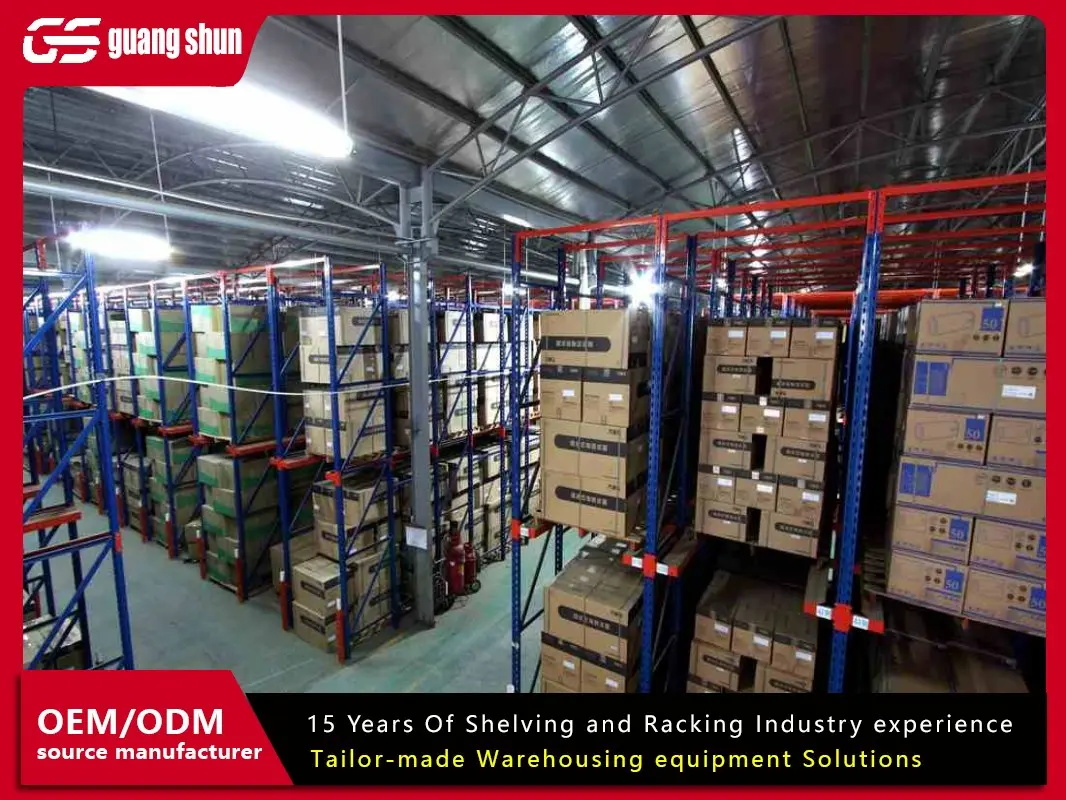
Tired of shelving that sags under pressure or can't adapt to your changing storage needs? You're not alone. Many businesses and serious DIYers hit a wall with standard storage solutions. The problem isn't storage itself; it's finding a system that combines brute strength with real flexibility.
This is where heavy duty adjustable metal shelves come in. They are the workhorse of storage, designed for serious weight and total reconfigurability. Unlike static shelving, these units grow and change with your demands.
Let's look at what makes them different and how to choose the right system for your garage, warehouse, or workshop.
It's easy to assume all metal shelving is the same. The truth is, capacity and construction vary wildly.
Light-duty shelves, often found in retail or closets, are typically made from thinner steel. Their weight limits might range from 100 to 500 pounds per entire unit. They often have fixed shelves or limited adjustability.
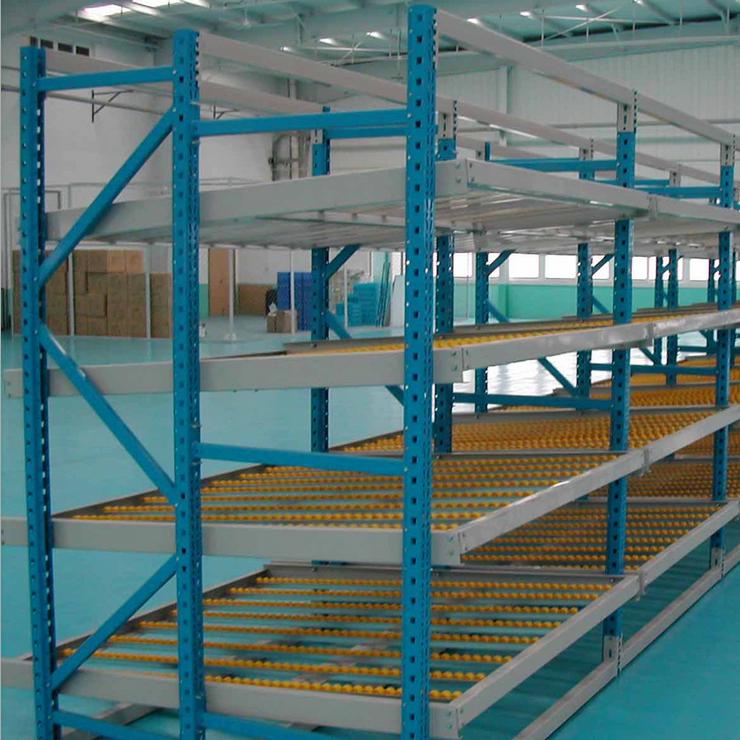
Heavy duty adjustable metal shelves are built differently. They are constructed from thick, 12 to 18-gauge steel. Their design focuses on load per individual shelf, which can range from 500 to 2,500 pounds or more. The adjustability is a core feature, not an afterthought.
The key difference is in the upright frames and beams. Heavy-duty versions use robust posts with precisely spaced holes and beams that securely lock into place with clips or bolts. This creates a rigid, safe structure for tools, industrial parts, or palletized goods.
The versatility of adjustable industrial shelving is its greatest asset. You'll find these systems wherever durability and adaptability are non-negotiable.
Choosing the right heavy duty metal storage shelves requires a bit of planning. Follow these steps to avoid buying a system that's either overkill or underwhelming.
First, assess your load requirements. This is the most critical step. Calculate the maximum weight you intend to place on each shelf. Don't guess—overestimate. Then, check the manufacturer's per-shelf and total unit capacity ratings. Always choose a shelf rated for more than your heaviest load.
Next, consider size and configuration. Measure your available space—height, width, and depth. Remember to account for clearance for doors and walkways. Standard depths for heavy duty shelving units are 24, 36, or 48 inches. Heights can range from 72 inches to over 10 feet for warehouse applications.
Then, think about features and accessories. Do you need solid shelving for small items? Wire grating for airflow and debris fall-through? Or particle board for a lower-cost, solid surface? Consider add-ons like end braces, column guards, or locking casters for mobility.
Finally, evaluate the environment. For damp or washdown areas (like a brewery or kitchen), look for shelves with a high-quality powder-coated finish or, better yet, galvanized or stainless steel to fight rust and corrosion.
The price for heavy duty adjustable metal shelves can range significantly. Understanding what drives cost helps you make a smart purchase.
Material and gauge are the primary cost factors. Thicker, lower-gauge steel costs more but supports more weight. The type of finish also affects price. A basic painted finish is economical, while a premium powder-coated or epoxy finish adds cost and longevity.
Design complexity matters. Shelves with bolt-together construction for extreme loads are typically more expensive than clip-style models. However, clip-style shelves are faster to assemble and still very robust for most uses.
Remember, the true cost isn't just the purchase price. Consider the cost of not having adequate storage: lost productivity, damaged goods, and safety hazards. A well-built industrial metal shelving system is a long-term capital investment, not a consumable expense.
The strength of adjustable steel shelving comes from its engineering. Let's break down the components.
The upright frames are the backbone. They are made from formed steel channels with a series of holes or slots. The spacing of these holes (usually 1-inch or 2-inch increments) determines the fineness of your shelf height adjustment.
The beams or supports lock into these holes. High-quality shelves use a positive locking mechanism. A common and reliable design is the rivet-in clip. A spring-loaded clip on the beam end snaps securely into the hole in the upright, preventing the beam from lifting accidentally. For the highest capacities, bolt-together systems are used.
The decking or shelf surface itself must distribute the load. Options include:
The combination of rigid uprights, securely locked beams, and proper decking creates a system where the whole is stronger than the sum of its parts.
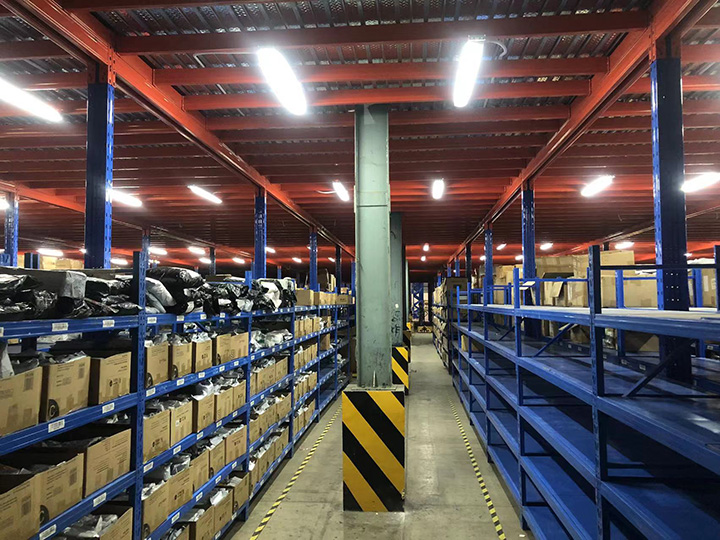
Look for suppliers who specialize in commercial and industrial storage, not just general hardware. A good supplier will offer more than just a product catalog.
They should provide detailed load charts and specifications for their heavy duty adjustable shelving. Many offer free layout design services to help you plan your space efficiently.
Ask about warranty, availability of replacement parts, and accessory compatibility. Can you easily add to this system next year? Professional installation services are also a valuable offering, especially for large, tall, or complex installations, ensuring your shelves are perfectly level, plumb, and safe.
Q1: How difficult is it to adjust the shelves on a heavy duty unit?
A1: It's designed to be straightforward. Typically, you simply lift the shelf (after removing the load) to disengage the support clips from the holes in the upright, then lower it into a new set of holes. No tools are needed for most clip-style systems. For bolt-together systems, a wrench is required, but adjustments are still simple.
Q2: Can I use plywood instead of the supplied particle board shelf?
A2: Often, yes. Many people replace particle board with higher-grade plywood for increased durability or moisture resistance. However, you must ensure the plywood is the correct thickness and size to be properly supported by the shelf beams. It does not change the weight capacity of the metal frame itself.
Q3: Are these shelves safe for earthquake zones?
A3: Standard heavy duty adjustable metal shelves are not specifically seismic-rated unless stated by the manufacturer. In seismic areas, it is crucial to anchor the top of the unit securely to a wall stud or structural member using appropriate seismic restraints. Always follow local building codes and consult an engineer if necessary.
Q4: What's the best way to clean and maintain metal shelving?
A4: For basic painted or powder-coated shelves, wipe down with a damp cloth and mild detergent. Avoid abrasive cleaners. For wire decking, compressed air or a vacuum can remove debris. In corrosive environments, inspect regularly for chips in the finish and touch up with paint to prevent rust. Never exceed the posted weight limits, as this is the most important maintenance practice.
Q5: Is it cheaper to buy a kit or individual components?
A5: For a standard configuration, pre-configured kits are usually more cost-effective and ensure you have all the right parts. However, if you have a non-standard space or very specific needs (like extra-deep shelves or unusual heights), buying individual components (uprights, beams, decking) allows for a fully custom fit. Suppliers can often help you price both options.

 Wechat
Whatsapp
Wechat
Whatsapp