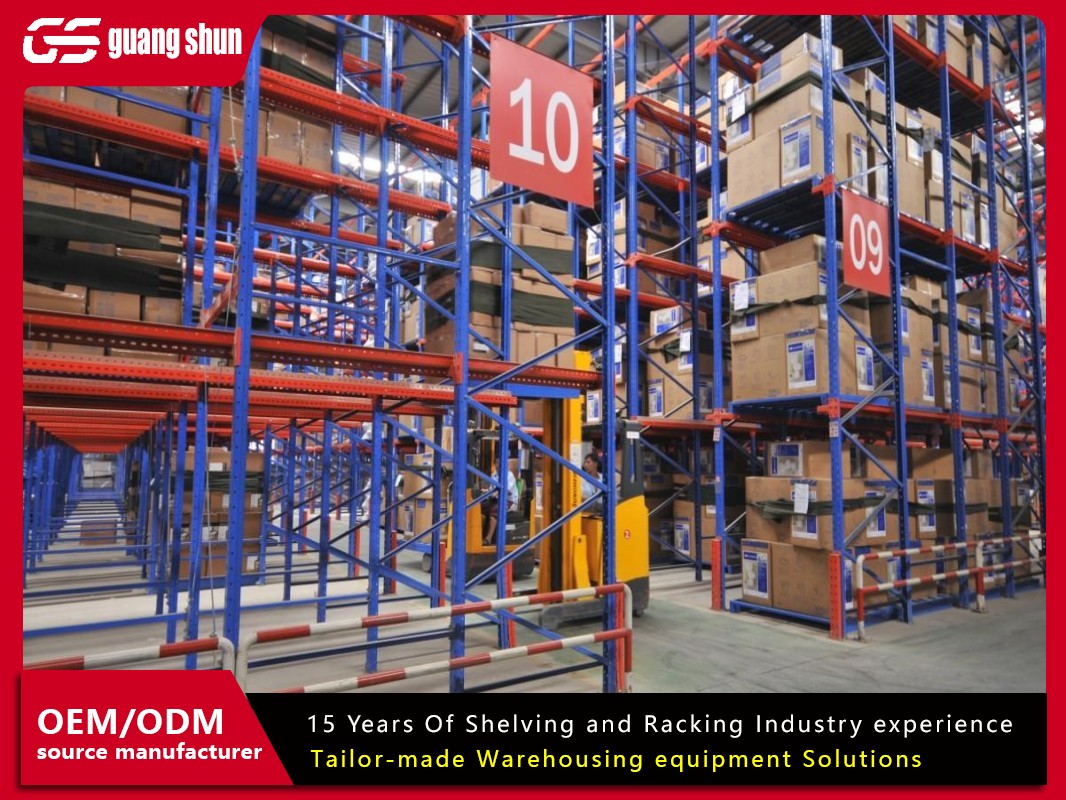
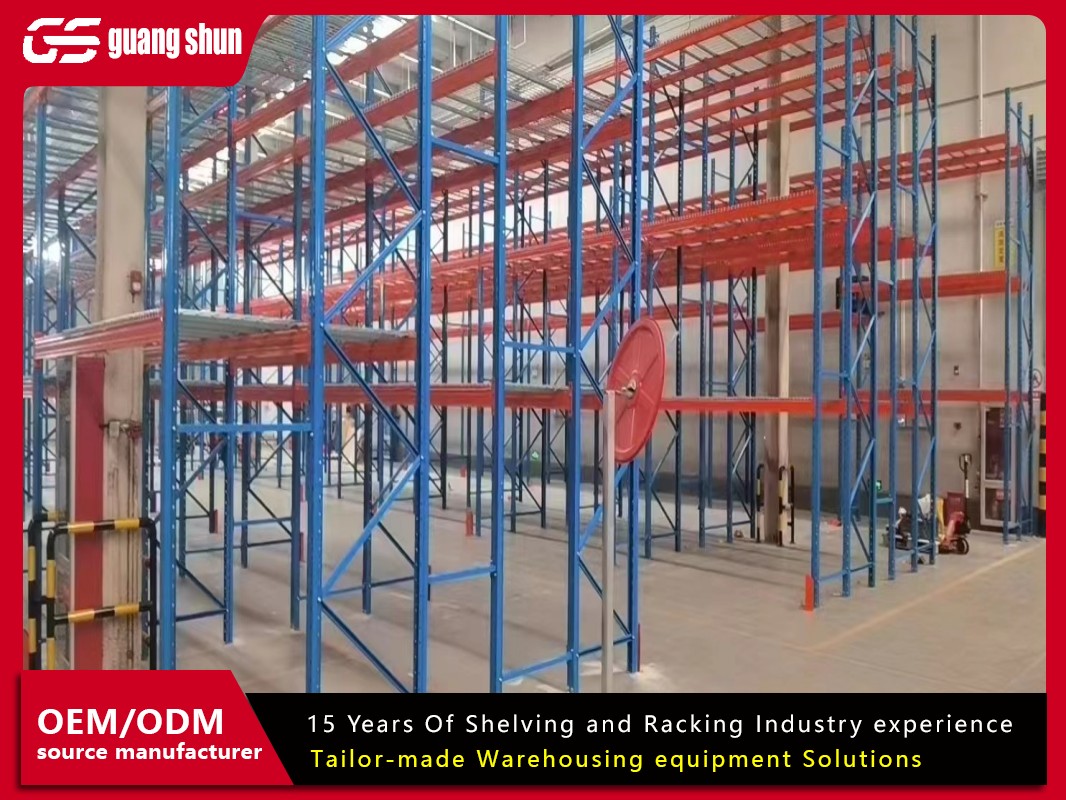
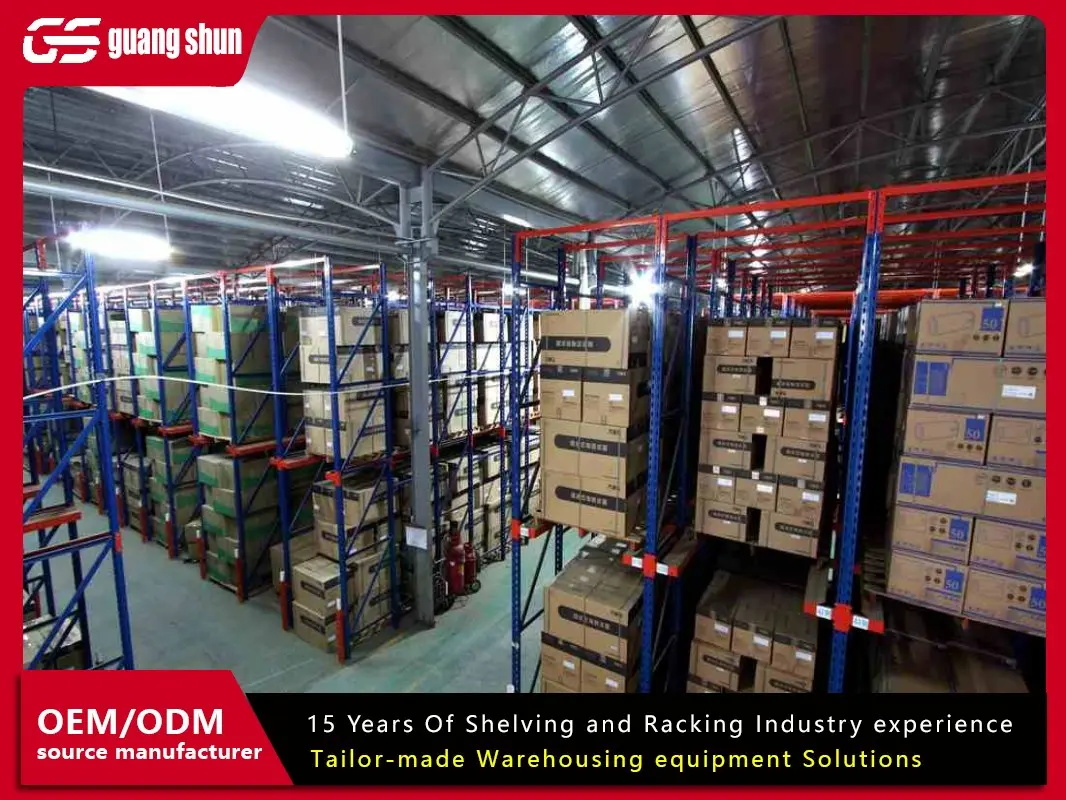
When it comes to modern storage solutions, the cantilever warehouse stands out as a game-changer for industries requiring high-density, accessible storage. Imagine a storage system that maximizes space without obstructive columns, allowing for seamless handling of long, bulky items like timber, steel, or pipes. This isn't just a theoretical concept—it's a practical innovation that's transforming how businesses manage inventory. In this article, we'll dive into the core aspects of cantilever warehouse designs, exploring why they're becoming a go-to choice for efficient operations. Whether you're in logistics, manufacturing, or retail, understanding these key points can help you optimize your storage strategy and boost productivity. Let's uncover what makes cantilever warehouse structures so effective and how they can benefit your operations.
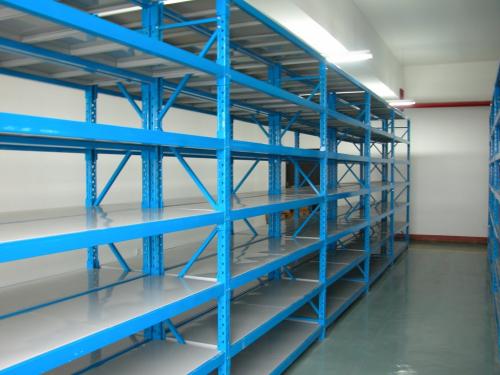
A cantilever warehouse is a specialized storage facility characterized by its unique structural design, which utilizes cantilever arms extending from vertical columns to support shelving or racking systems. Unlike traditional warehouses with internal columns that can obstruct space, a cantilever warehouse relies on these arms to create open, column-free areas. This design allows for easy storage and retrieval of long, awkwardly shaped items, such as lumber, piping, or furniture. The term "cantilever" refers to the engineering principle where a beam is anchored at only one end, enabling it to project horizontally without additional support. This setup not only enhances accessibility but also improves storage density, making it ideal for industries where space utilization is critical. Essentially, a cantilever warehouse prioritizes flexibility and efficiency, adapting to various storage needs without compromising on strength or safety.
The evolution of cantilever warehouse designs dates back to industrial advancements in the 20th century, when businesses sought ways to handle materials more effectively. Today, these warehouses are built using durable materials like steel, ensuring they can withstand heavy loads and harsh environments. By eliminating the need for aisles between shelves in some configurations, a cantilever warehouse can increase storage capacity by up to 30% compared to conventional setups. This makes it a smart investment for companies looking to reduce costs and streamline operations. In summary, a cantilever warehouse is more than just a building—it's a tailored solution that addresses the challenges of modern inventory management.
One of the primary reasons businesses opt for a cantilever warehouse is the array of benefits it offers. First and foremost, the design maximizes storage space. By using cantilever arms, these warehouses eliminate obstructive columns and allow for deeper shelving, which is perfect for storing long items that don't fit well in standard racks. This leads to higher storage density, meaning you can store more goods in the same footprint, reducing the need for expansion and lowering real estate costs. Additionally, the open layout facilitates easier access for loading and unloading, which can speed up operations and reduce labor time. For instance, in a cantilever warehouse, forklifts and other equipment can maneuver more freely, minimizing the risk of damage to goods and improving overall workflow efficiency.
Another significant advantage is versatility. A cantilever warehouse can be customized to handle various load types and sizes, making it suitable for diverse industries like construction, retail, and automotive. The adjustable arms and shelves mean that as your storage needs change, the system can adapt without major renovations. This flexibility extends to safety as well; with proper design, a cantilever warehouse reduces the risk of accidents by providing clear pathways and stable storage. Moreover, these structures are often more cost-effective in the long run due to their durability and low maintenance requirements. By investing in a cantilever warehouse, businesses can achieve better inventory turnover, enhanced organization, and improved ROI, all while maintaining a clutter-free environment that supports growth.
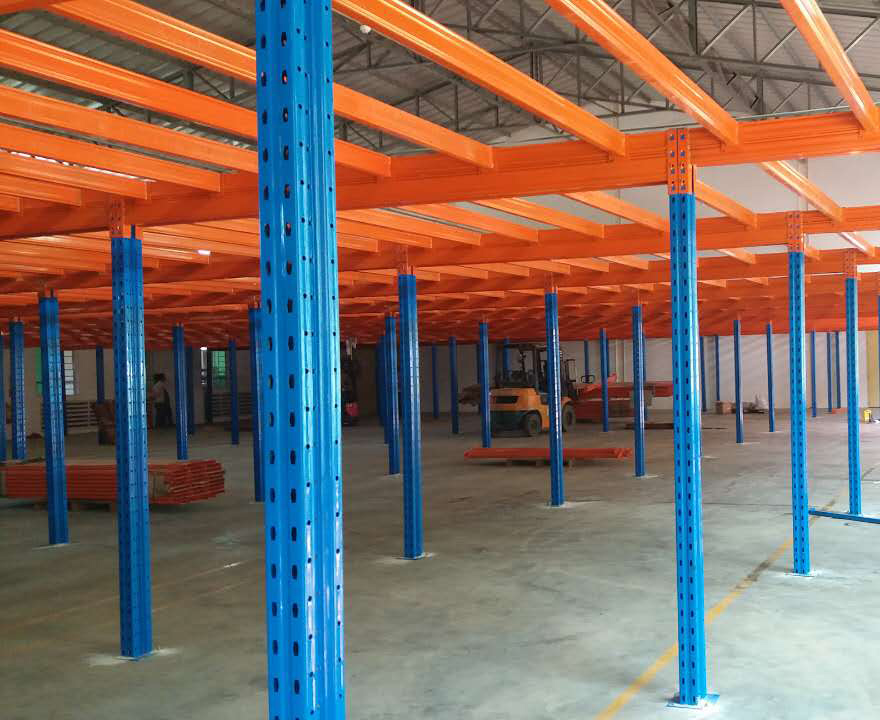
The design of a cantilever warehouse is rooted in engineering principles that prioritize strength and efficiency. At its core, the structure consists of vertical columns—typically made of high-strength steel—that support horizontal arms extending outward. These arms are designed to bear heavy loads without sagging, often using reinforced brackets and bolts for stability. The absence of front columns means that the entire storage area is accessible from multiple sides, which is particularly useful for handling long items like metal rods or plastic sheets. In a well-planned cantilever warehouse, the arms can be adjusted in height and length to accommodate different inventory types, allowing for a modular setup that grows with your business. This adaptability is a key feature, as it enables companies to reconfigure storage layouts without significant downtime or expense.
When constructing a cantilever warehouse, factors like load capacity, seismic activity, and environmental conditions are carefully considered. For example, the base of the columns is often anchored to a solid foundation to prevent tipping, while the arms are tested for weight distribution to ensure safety. Many cantilever warehouse designs also incorporate features like anti-slip surfaces or protective coatings to resist corrosion, extending the lifespan of the structure. From a spatial perspective, the layout can include single-sided or double-sided configurations, depending on whether the storage is against a wall or freestanding. This attention to detail in design not only enhances functionality but also complies with industry standards, making a cantilever warehouse a reliable choice for heavy-duty applications. Ultimately, the structural integrity of a cantilever warehouse ensures that it can handle the demands of daily use while maintaining efficiency and safety.
The versatility of a cantilever warehouse makes it applicable across a wide range of industries. In the construction sector, for instance, these warehouses are ideal for storing materials like rebar, lumber, and PVC pipes, which are often long and cumbersome. The open design allows workers to easily access items without moving entire stacks, reducing handling time and minimizing waste. Similarly, in manufacturing, a cantilever warehouse is used for raw materials and finished goods that require organized, high-density storage. Companies in the automotive industry might use it for parts like exhaust pipes or axles, where traditional shelving would be inefficient. Another common application is in retail distribution centers, where a cantilever warehouse helps manage bulky items such as furniture or appliances, ensuring quick retrieval and restocking.
Beyond these, the logistics and warehousing industry benefits greatly from cantilever warehouse setups, especially in facilities dealing with irregularly shaped goods. For example, aerospace companies might store aircraft components, while agricultural businesses could use it for irrigation pipes. The adaptability of a cantilever warehouse also extends to cold storage environments, where efficient space use is crucial for energy conservation. In each case, the key advantage is the ability to customize the storage solution to specific product dimensions, leading to reduced damage and improved inventory accuracy. By implementing a cantilever warehouse, businesses in these sectors can achieve faster turnaround times, lower operational costs, and better overall supply chain management. This wide applicability underscores why the cantilever warehouse is a popular choice for modern storage challenges.
Investing in a cantilever warehouse involves several cost factors that businesses should evaluate to ensure a sound financial decision. Initially, the construction and installation costs might be higher than those for traditional warehouses due to the specialized design and materials. For example, the steel used in a cantilever warehouse must meet high strength standards, which can increase upfront expenses. However, this investment often pays off through long-term savings. The efficient space utilization in a cantilever warehouse means you might need a smaller building footprint, reducing land and construction costs. Additionally, the durability of these structures leads to lower maintenance expenses over time, as they are built to withstand heavy use and environmental stressors. When planning a cantilever warehouse, it's important to consider factors like customization needs, location, and potential for future expansion to avoid unexpected costs.
Operational costs in a cantilever warehouse are generally lower due to improved efficiency. For instance, the reduced need for aisles and easier access can cut down on labor hours and equipment fuel consumption. Energy costs might also be lower if the design allows for better lighting and ventilation layouts. To maximize ROI, businesses should conduct a thorough cost-benefit analysis, comparing a cantilever warehouse with alternative storage solutions. This includes evaluating potential increases in storage capacity, which can delay the need for costly expansions. In many cases, the flexibility of a cantilever warehouse means it can adapt to changing business needs without major reinvestment, making it a cost-effective choice in dynamic industries. By weighing these factors, companies can make an informed decision that aligns with their budget and operational goals, ensuring that a cantilever warehouse delivers value for years to come.
Maintaining a cantilever warehouse is crucial for ensuring its longevity and safe operation. Regular inspections should focus on the structural components, such as the cantilever arms and columns, to check for signs of wear, corrosion, or damage. For example, in a cantilever warehouse, it's important to verify that all bolts are tight and that the arms are level to prevent overloading and potential collapses. Cleaning schedules should include removing debris from shelves and ensuring that pathways are clear to avoid accidents. Lubricating moving parts, if any, can also help maintain smooth operation. Since a cantilever warehouse often handles heavy loads, implementing a routine maintenance plan can prevent costly repairs and downtime, extending the life of the facility.
Safety in a cantilever warehouse is equally important and involves both design and operational measures. Proper training for staff on how to load and unload items safely is essential to prevent injuries and product damage. This includes guidelines on weight distribution—for instance, placing heavier items on lower shelves to maintain stability. In a cantilever warehouse, it's also advisable to install safety features like guardrails or warning signs in high-traffic areas. Regular risk assessments can identify potential hazards, such as uneven floors or obstructed access points, allowing for timely corrections. By adhering to these best practices, businesses can create a secure environment that maximizes the benefits of a cantilever warehouse while minimizing risks. Ultimately, a well-maintained cantilever warehouse not only protects assets but also supports a culture of safety and efficiency in the workplace.
In summary, a cantilever warehouse offers a robust and efficient storage solution that addresses the limitations of traditional warehouses. From its space-maximizing design to its versatility across industries, this type of facility can significantly enhance operational efficiency and cost-effectiveness. By understanding the key aspects—what it is, its advantages, design features, applications, cost considerations, and maintenance needs—businesses can make informed decisions about implementing a cantilever warehouse. As industries continue to evolve, the demand for innovative storage solutions like the cantilever warehouse will only grow, making it a worthwhile investment for future-proofing operations. If you're considering upgrading your storage infrastructure, exploring the potential of a cantilever warehouse could be the key to unlocking greater productivity and savings.
Q1: What is the primary purpose of a cantilever warehouse?
A1: The primary purpose of a cantilever warehouse is to provide efficient storage for long, bulky, or irregularly shaped items by using a design with extended arms from vertical columns, allowing for column-free access and high-density storage.
Q2: How does a cantilever warehouse improve storage efficiency?
A2: A cantilever warehouse improves storage efficiency by eliminating obstructive columns and enabling deeper shelving, which increases storage capacity and allows for easier loading and unloading of items, reducing handling time and space wastage.
Q3: What industries benefit most from using a cantilever warehouse?
A3: Industries such as construction, manufacturing, automotive, retail, and logistics benefit most from a cantilever warehouse due to its ability to handle materials like lumber, pipes, and large components efficiently.
Q4: Are cantilever warehouses more expensive to build than traditional warehouses?
A4: Initially, cantilever warehouses might have higher construction costs due to specialized materials and design, but they often lead to long-term savings through better space utilization, reduced maintenance, and operational efficiencies.
Q5: What safety measures are essential in a cantilever warehouse?
A5: Essential safety measures in a cantilever warehouse include regular structural inspections, proper staff training on load distribution, clear pathways, and the use of safety features like guardrails to prevent accidents and ensure stable operations.

 Wechat
Whatsapp
Wechat
Whatsapp