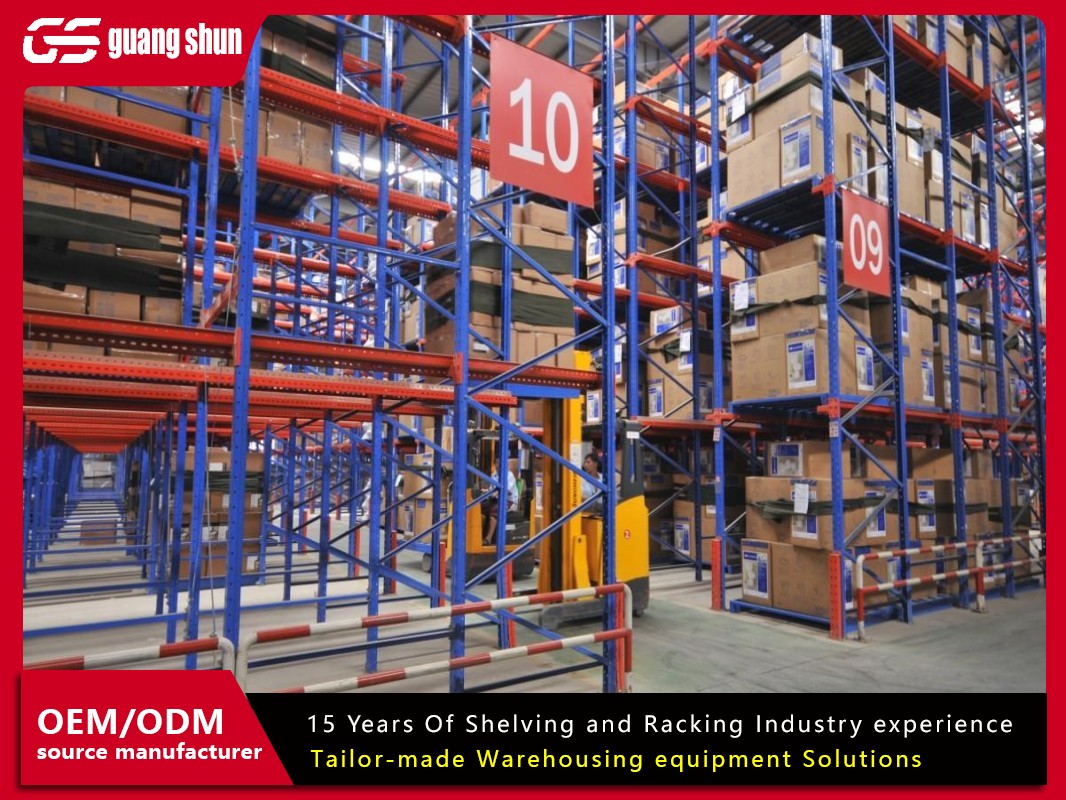
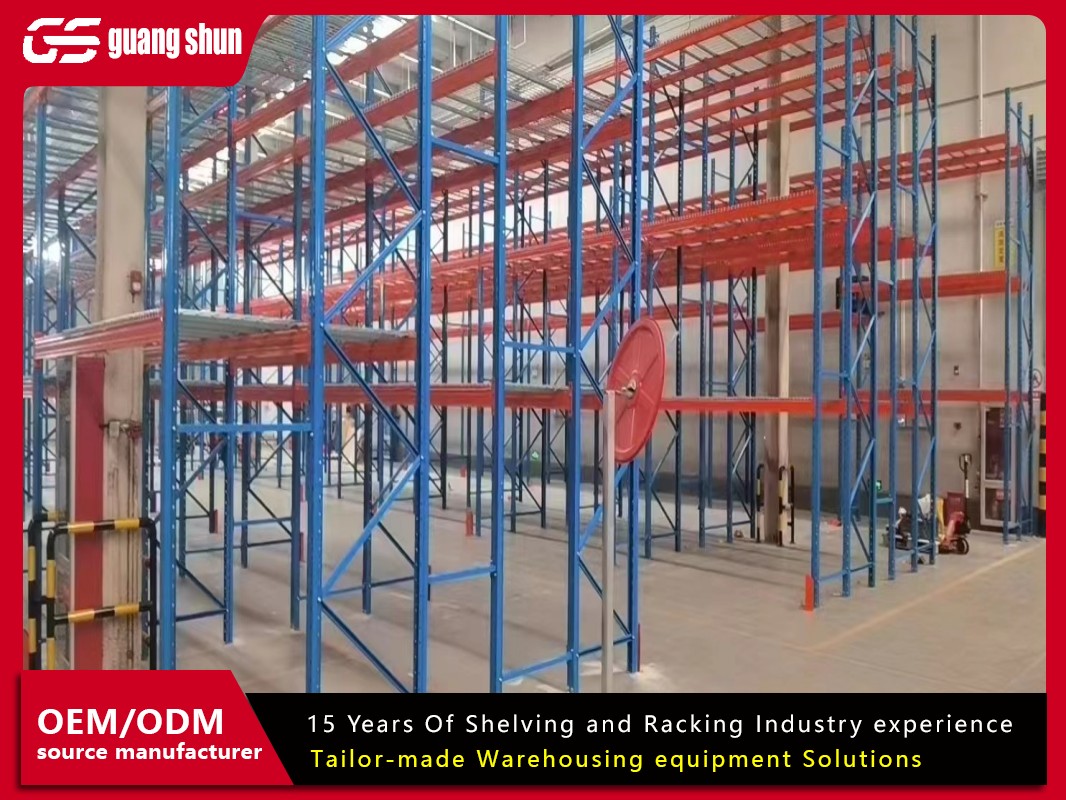
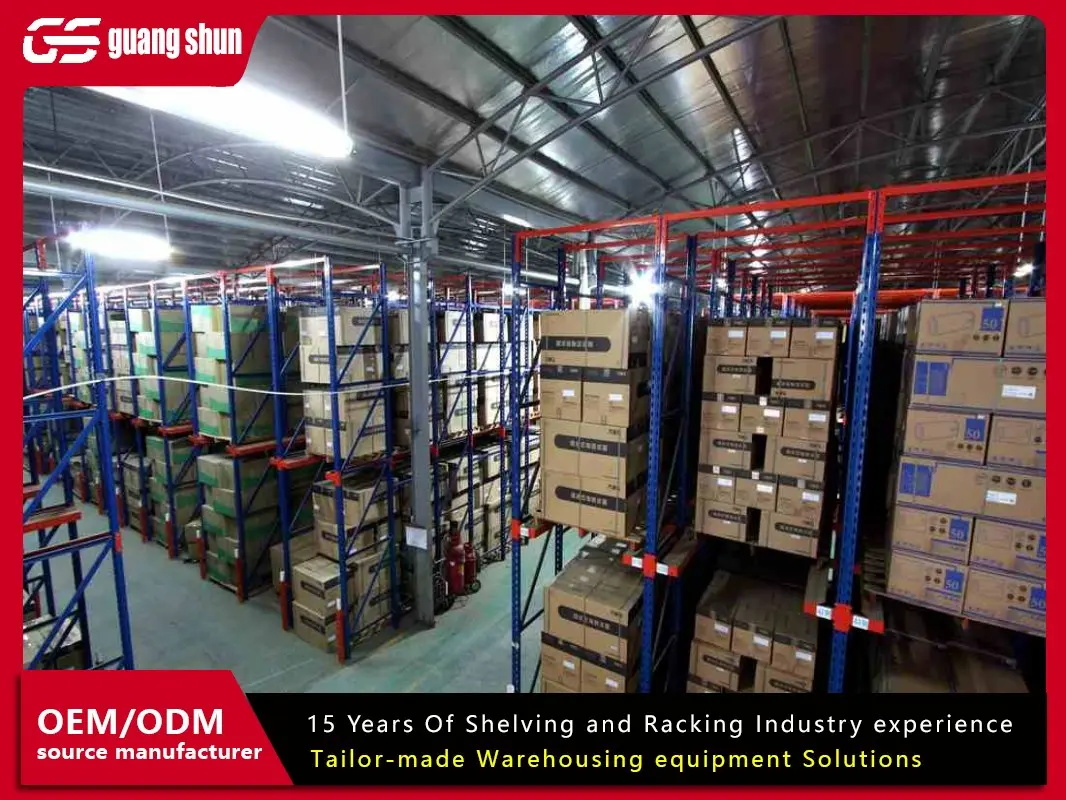
In the heart of every bustling warehouse lies a silent hero: factory pallet racking. Imagine walking into a massive storage facility where goods are stacked sky-high, yet everything is accessible, organized, and secure. This isn't magic—it's the result of well-designed factory pallet racking systems that transform chaotic spaces into models of efficiency. As industries evolve and demand for streamlined logistics grows, understanding these systems becomes essential for any business looking to optimize their operations. Whether you're a warehouse manager, a logistics professional, or simply curious about industrial storage solutions, this article dives deep into the world of factory pallet racking, uncovering its core aspects to help you make informed decisions. From basic definitions to practical tips, we'll explore how these structures can revolutionize your storage strategy without the fluff. Let's get started on this journey into the backbone of modern warehousing.
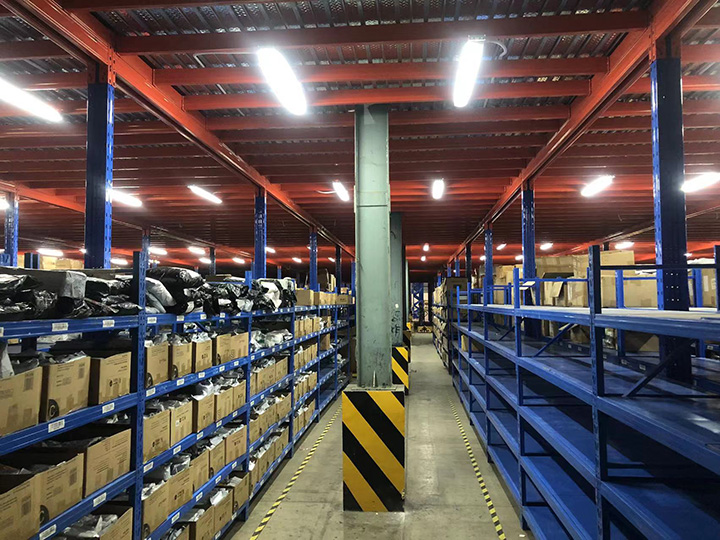
Factory pallet racking is a specialized storage system designed to hold palletized materials in industrial environments, such as warehouses, distribution centers, and manufacturing plants. At its core, it consists of upright frames and horizontal beams that create multiple levels for storing goods, allowing for easy access and efficient use of vertical space. This system is engineered to handle heavy loads, often made from durable materials like steel, and can be customized to fit various warehouse layouts. The primary purpose of factory pallet racking is to maximize storage density while ensuring safety and accessibility. By using these systems, businesses can reduce clutter, improve inventory management, and enhance workflow. For instance, in a typical setup, pallets are loaded and retrieved using forklifts or other material handling equipment, making it a versatile solution for high-traffic areas. Over the years, factory pallet racking has evolved to include advanced features like adjustable components and integration with automated systems, catering to the dynamic needs of modern industries. In essence, it's a foundational element that supports everything from small-scale operations to large-scale logistics hubs, proving indispensable in today's competitive market.
When it comes to factory pallet racking, there isn't a one-size-fits-all solution. Different types of systems are available to meet specific storage needs, each with unique advantages. One common variant is selective racking, which allows direct access to every pallet, making it ideal for warehouses with a high variety of SKUs. This type of factory pallet racking is straightforward to install and adapt, supporting quick inventory turnover. Another popular option is drive-in racking, where forklifts drive directly into the structure to store and retrieve pallets. This design maximizes space utilization by reducing aisles, but it's best suited for environments with homogeneous products and lower selectivity. Push-back racking is another innovative form of factory pallet racking that uses a last-in, first-out (LIFO) system, where pallets are stored on nested carts that push back as new loads are added. This is perfect for high-density storage while maintaining reasonable accessibility. For even greater density, pallet flow racking employs gravity-fed lanes, allowing pallets to move smoothly from the loading to the unloading end. This type of factory pallet racking is excellent for perishable goods or items with expiration dates, as it ensures proper stock rotation. Lastly, cantilever racking is designed for long, bulky items like pipes or lumber, featuring arms that extend from a central column. Each of these factory pallet racking systems offers distinct benefits, so selecting the right one depends on factors like inventory type, space constraints, and operational workflow.
Integrating factory pallet racking into a warehouse brings a host of benefits that directly impact efficiency and profitability. First and foremost, it dramatically increases storage capacity by utilizing vertical space that might otherwise go unused. In many industrial settings, ceiling heights are underutilized, but with factory pallet racking, businesses can stack goods safely upward, effectively doubling or tripling their storage area without expanding the footprint. This leads to cost savings on real estate and allows for scalability as business grows. Another key advantage is improved organization and accessibility. Factory pallet racking systems are designed with clear aisles and labeled sections, making it easier for workers to locate and retrieve items quickly. This reduces time spent searching for products, minimizes errors, and boosts overall productivity. Safety is also a major perk; these systems are built to withstand heavy loads and include features like safety locks and reinforced beams, which help prevent accidents such as collapses or falls. Moreover, factory pallet racking enhances inventory management by supporting systematic storage methods, such as FIFO (first-in, first-out) or LIFO, which are crucial for industries like food and retail. By streamlining operations, businesses can experience faster order fulfillment and better customer satisfaction. In the long run, investing in quality factory pallet racking can lead to lower operational costs and a higher return on investment, making it a smart choice for any industrial operation focused on growth and sustainability.
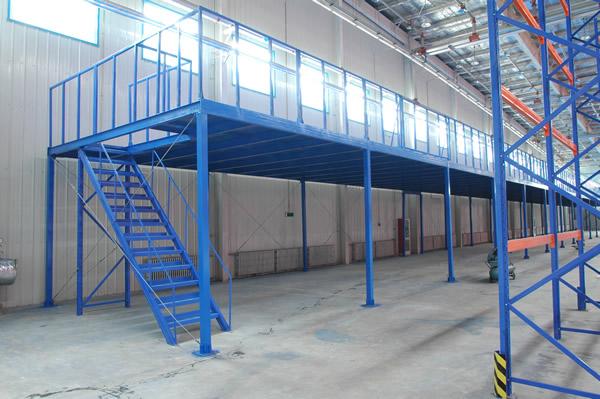
Choosing the right factory pallet racking system requires careful consideration of several factors to ensure it aligns with your specific needs. Load capacity is a critical starting point; you must assess the weight and dimensions of the pallets you'll be storing. Factory pallet racking systems come with varying weight limits, and exceeding these can lead to safety hazards. It's essential to calculate both the static load (when stored) and dynamic load (during handling) to select a system that can handle your inventory securely. Next, consider the warehouse layout and available space. Factors like ceiling height, floor conditions, and aisle widths will influence the type of factory pallet racking that fits best. For instance, if space is tight, high-density options like drive-in racking might be preferable, whereas selective racking works well in areas with frequent access needs. The type of inventory also plays a role; perishable goods may benefit from flow racking, while irregularly shaped items might require cantilever systems. Additionally, think about future scalability—opting for adjustable or modular factory pallet racking allows for easy reconfiguration as your storage demands change. Budget is another key factor; while initial costs matter, focus on long-term value by evaluating durability, maintenance requirements, and potential for integration with automation. Lastly, compliance with industry standards and regulations, such as OSHA guidelines, is non-negotiable for safety and legal reasons. By thoroughly evaluating these aspects, you can invest in a factory pallet racking system that not only meets current needs but also supports future growth.
Proper installation and maintenance are vital to getting the most out of your factory pallet racking system while ensuring safety and longevity. During installation, it's crucial to follow manufacturer guidelines and involve professionals if needed, as incorrect setup can lead to structural failures. Start by preparing the site: ensure the floor is level and clean, and mark out the layout based on your warehouse design. When assembling the factory pallet racking, use the correct tools and hardware, and double-check that all beams and frames are securely fastened. Regular inspections are a cornerstone of upkeep; schedule routine checks for signs of damage, such as bent beams, loose connections, or corrosion. These issues should be addressed promptly to prevent accidents. Additionally, train staff on safe usage practices, like not overloading racks and using equipment properly to avoid impacts. Implementing a maintenance log can help track inspections and repairs, ensuring nothing is overlooked. For factory pallet racking in high-traffic areas, consider adding protective features like column guards or end-of-aisle barriers to minimize damage from forklifts. Over time, as your storage needs evolve, you might need to reconfigure the system—always consult the original design specifications to maintain integrity. By adhering to these best practices, you can extend the life of your factory pallet racking, reduce downtime, and maintain a safe working environment. Remember, a well-maintained system not only protects your investment but also supports continuous operational efficiency.
In conclusion, factory pallet racking is more than just a storage solution—it's a strategic asset that can transform industrial operations by enhancing space utilization, safety, and productivity. From understanding its basic components to selecting the right type and maintaining it properly, each aspect plays a crucial role in maximizing benefits. As warehouses continue to adapt to growing demands, embracing robust factory pallet racking systems will be key to staying competitive. By applying the insights shared here, you can make informed decisions that drive efficiency and support long-term success in your storage management endeavors.
Q1: What is factory pallet racking?
A1: Factory pallet racking is a structural storage system used in industrial settings to organize and store palletized goods. It typically consists of upright frames and horizontal beams that create multiple levels, allowing for efficient use of vertical space and easy access with material handling equipment like forklifts.
Q2: How much weight can factory pallet racking hold?
A2: The weight capacity of factory pallet racking varies depending on the design and materials, but standard systems can support loads ranging from 1,000 to 10,000 pounds per level. It's essential to consult manufacturer specifications and consider factors like beam strength and frame design to ensure safe operation.
Q3: What are the main types of factory pallet racking?
A3: The main types include selective racking for direct access to each pallet, drive-in racking for high-density storage with fewer aisles, push-back racking for LIFO inventory management, pallet flow racking for gravity-fed movement, and cantilever racking for long or bulky items. Each type suits different operational needs.
Q4: How do I maintain my factory pallet racking system?
A4: Regular maintenance involves inspecting for damage, such as bends or loose components, cleaning the system to prevent debris buildup, and ensuring loads are within capacity. Implement a schedule for professional inspections and train staff on proper usage to avoid accidents and prolong the system's life.
Q5: Can factory pallet racking be customized for my warehouse?
A5: Yes, factory pallet racking is highly customizable. You can adjust beam heights, frame sizes, and configurations to fit your space and inventory requirements. Many suppliers offer modular designs that allow for easy expansion or reconfiguration as your needs change.

 Wechat
Whatsapp
Wechat
Whatsapp