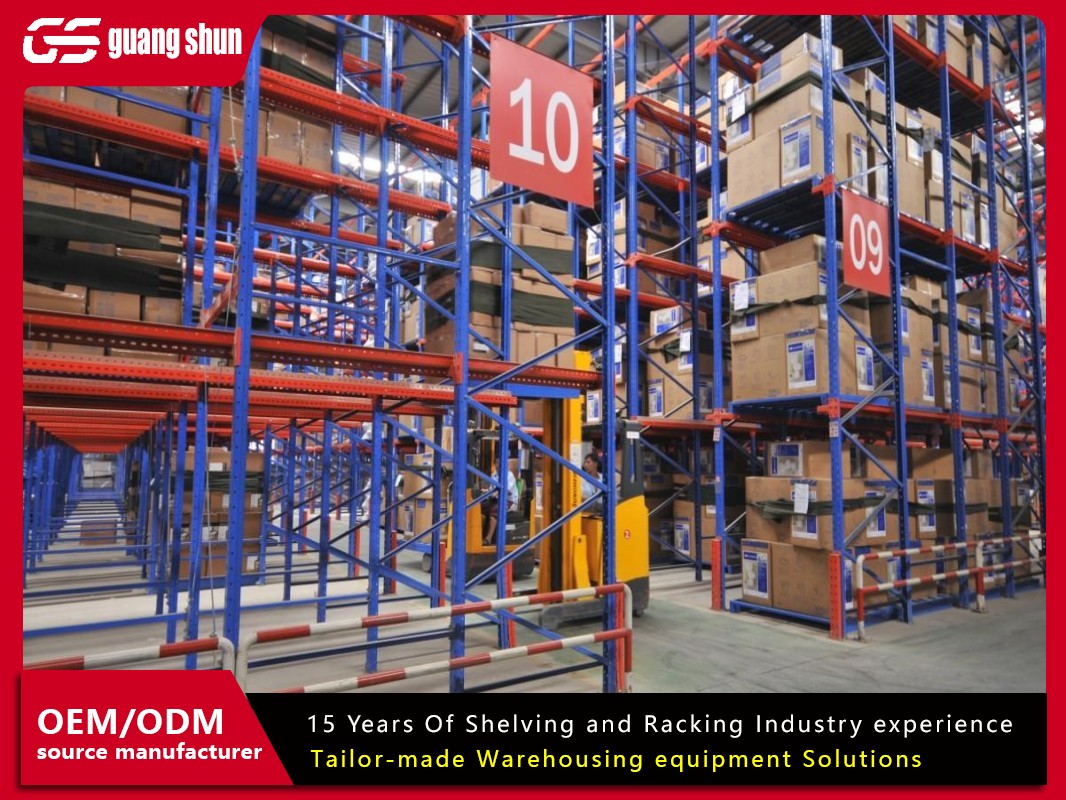
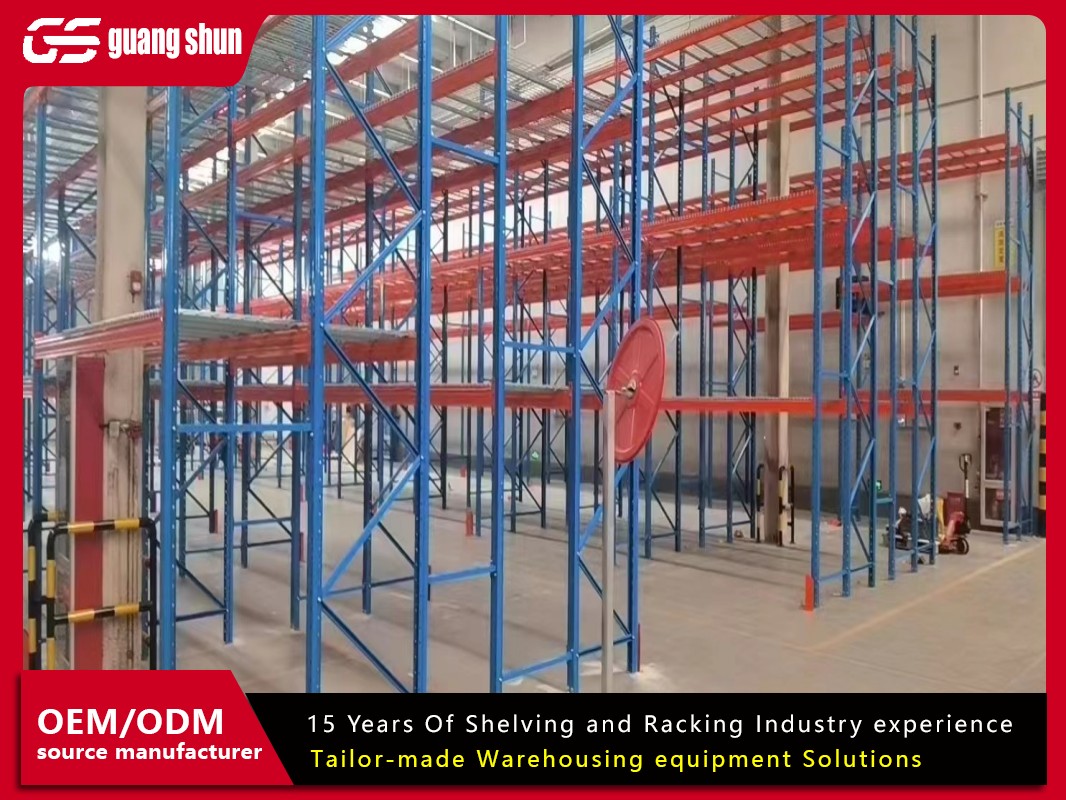
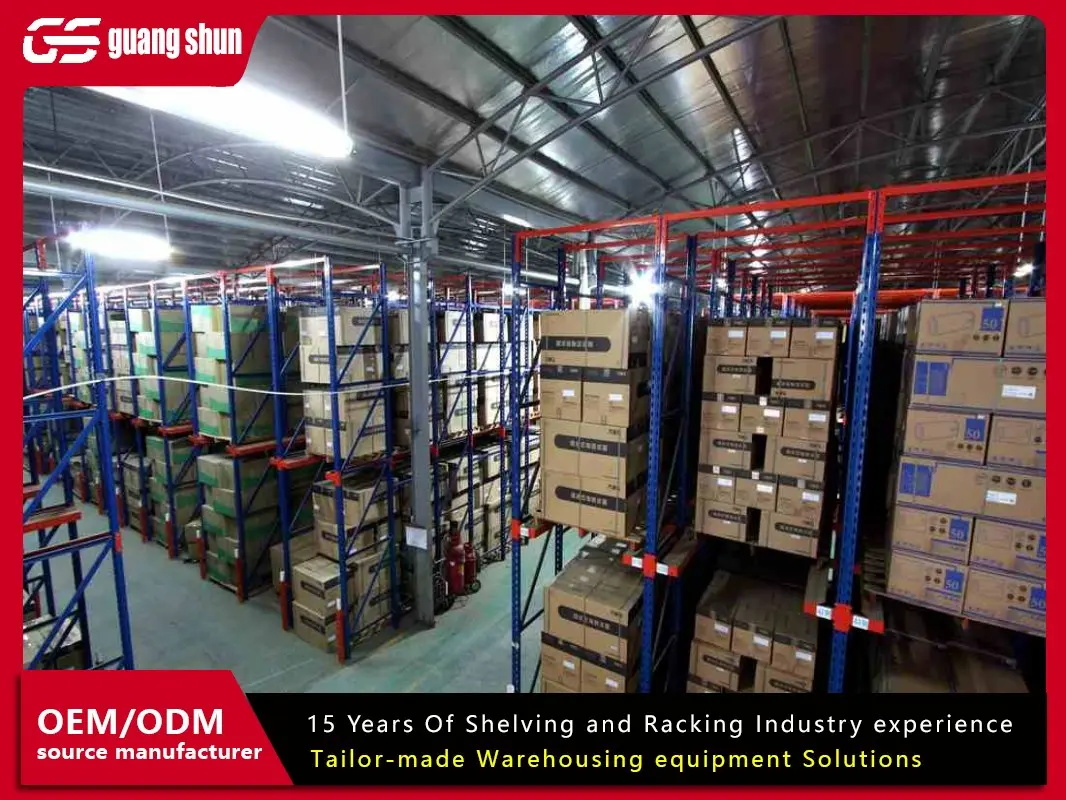
If your warehouse is constantly out of space, you’ve likely hit a frustrating wall. Adding more fixed shelving eats into your precious floor area, creating more narrow aisles and inefficiency. There’s a smarter solution gaining traction: movable warehouse shelving.
This isn't about minor adjustments. We're talking about a complete rethinking of storage density. By transforming static aisles into flexible space, these systems unlock capacity you already own.
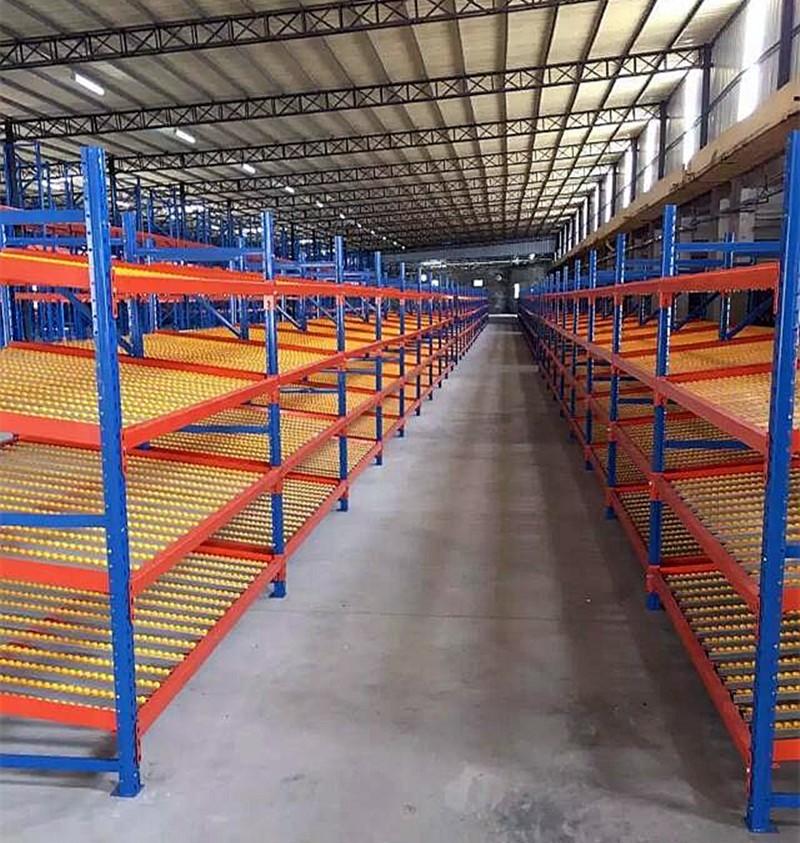
Movable warehouse shelving, often called mobile racking or high-density storage systems, is a design where entire shelving units are mounted on carriage systems that glide along embedded tracks. Instead of having a permanent aisle for every row, only one aisle is opened at a time.
An operator simply moves the required bay, creating immediate access. This condenses your storage footprint dramatically. It’s the difference between a room full of fixed bookshelves and a library's compact, sliding shelves.
Let's move past theory. How does movable warehouse shelving stack up against the standard fixed shelves in your facility right now?
The core difference is aisle count. Traditional pallet racking requires an aisle for every row, often 8-12 feet wide for forklift access. That’s pure, unusable floor space.
With a mobile system, multiple rows of shelving are packed tightly together on rails. You might have 10 rows of storage but only one aisle that shifts location. The space saving isn't marginal; it's transformative, often doubling storage density.
Access is sequential, not simultaneous. You can't have two people in different aisles at the exact same moment. For many operations storing slower-moving items, archives, or consolidated SKUs, this trade-off is overwhelmingly positive.
This system isn't a universal fix, but in the right setting, it's revolutionary. Consider it for:
Not all movable warehouse shelving is identical. Your choice depends on specific needs.
The upfront investment for movable warehouse shelving is higher than standard static shelving. You're paying for the carriage mechanism, tracks, and sophisticated controls.
However, the metric to focus on is cost per stored item or cost per cubic foot. By storing potentially twice as much in the same footprint, you delay or eliminate the need for new construction, leasing additional space, or operating a second facility.
The ROI is calculated in saved real estate costs, improved organization (saving labor time), and the value of recovered floor space for other productive uses. For new construction, you can build a smaller, cheaper facility.
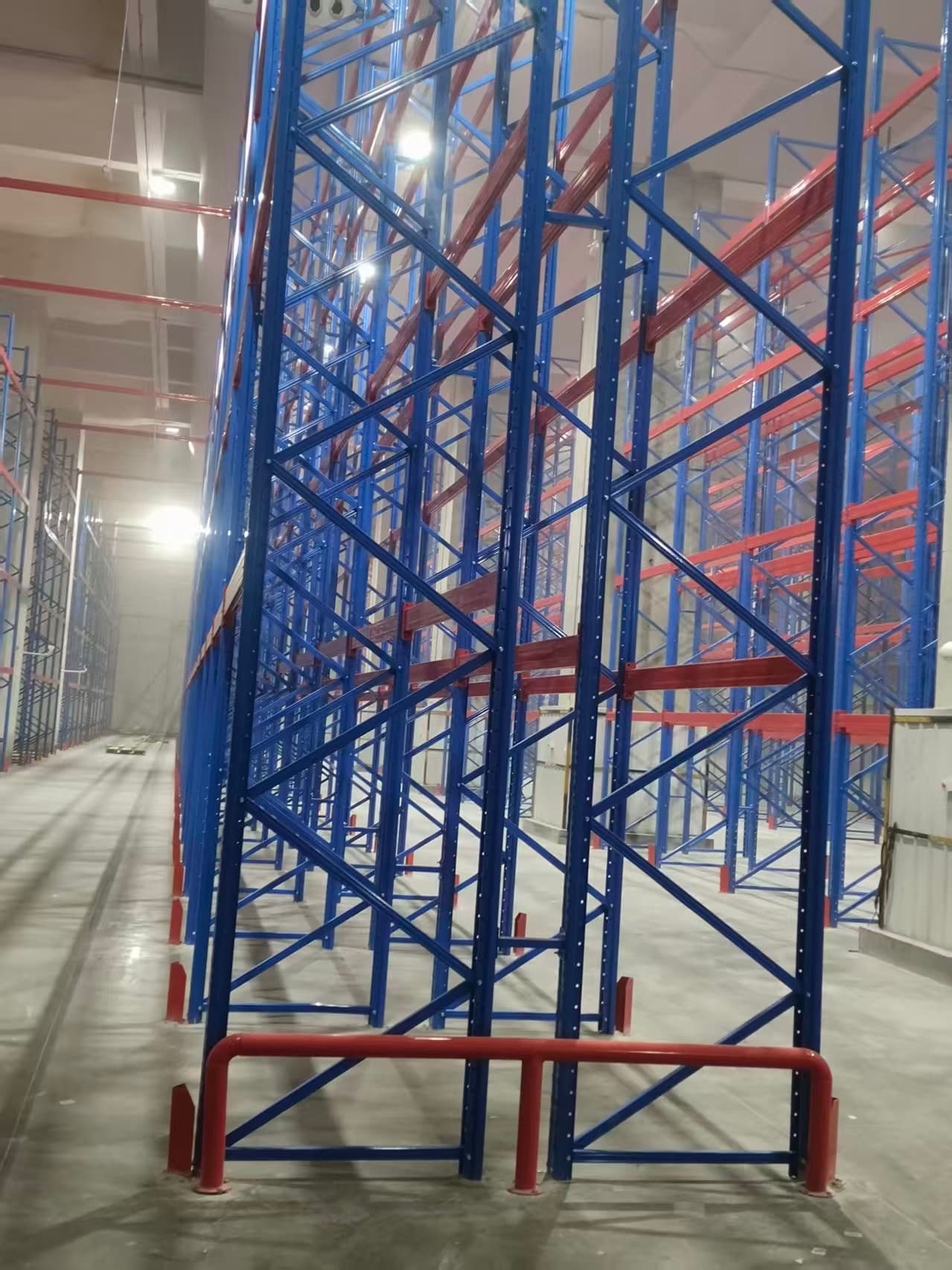
Modern systems are more advanced than simple rollers. The carriage assemblies use sealed bearings for smooth, lifetime movement. Drive systems can be mechanical (using a crank handle), electronic (push-button), or fully automated with warehouse management system (WMS) integration.
The latest technology includes "bot-friendly" designs that allow autonomous mobile robots (AMRs) to interface with the system, automatically calling for an aisle to open. This merges high-density storage with the future of automation.
Finding a supplier is about specialization. Look for companies that focus on high-density and mobile racking solutions, not just general warehouse equipment. They should offer a full service: site survey, structural analysis, custom engineering, installation, and after-sales support. Ask for case studies from projects in your industry.
Q1: Is movable warehouse shelving safe for employees?
A1: Yes, when properly specified and used. Reputable systems have multiple integrated safety features like lock-out aisles, safety sweeps that stop movement if an obstacle is detected, and warning systems. Comprehensive staff training on procedures is essential for safety.
Q2: Can I retrofit movable shelving into my existing warehouse?
A2: Often, yes. A key requirement is a floor capable of supporting the high point loads. A professional supplier will conduct a thorough site survey and structural analysis to determine feasibility and any needed floor preparation.
Q3: How much space can I actually save with mobile racking?
A3: Savings are significant, typically between 50% to 80% of your existing aisle space. In practice, this often translates to a 40-50% increase in overall storage capacity within the same building footprint.
Q4: What's the maintenance like for these systems?
A4: Maintenance is generally minimal. The carriage systems use durable, sealed components. Regular checks involve inspecting tracks for debris, ensuring safety systems are functional, and lubricating components as specified by the manufacturer. Annual professional inspections are recommended.
Q5: Is movable shelving only for very heavy, palletized goods?
A5: Not at all. Systems are scalable. They work excellently for lighter loads on shelving units—think tooling, documents, retail backstock, or pharmaceutical supplies. The system is designed around the weight and size of your specific storage units.

 Wechat
Whatsapp
Wechat
Whatsapp