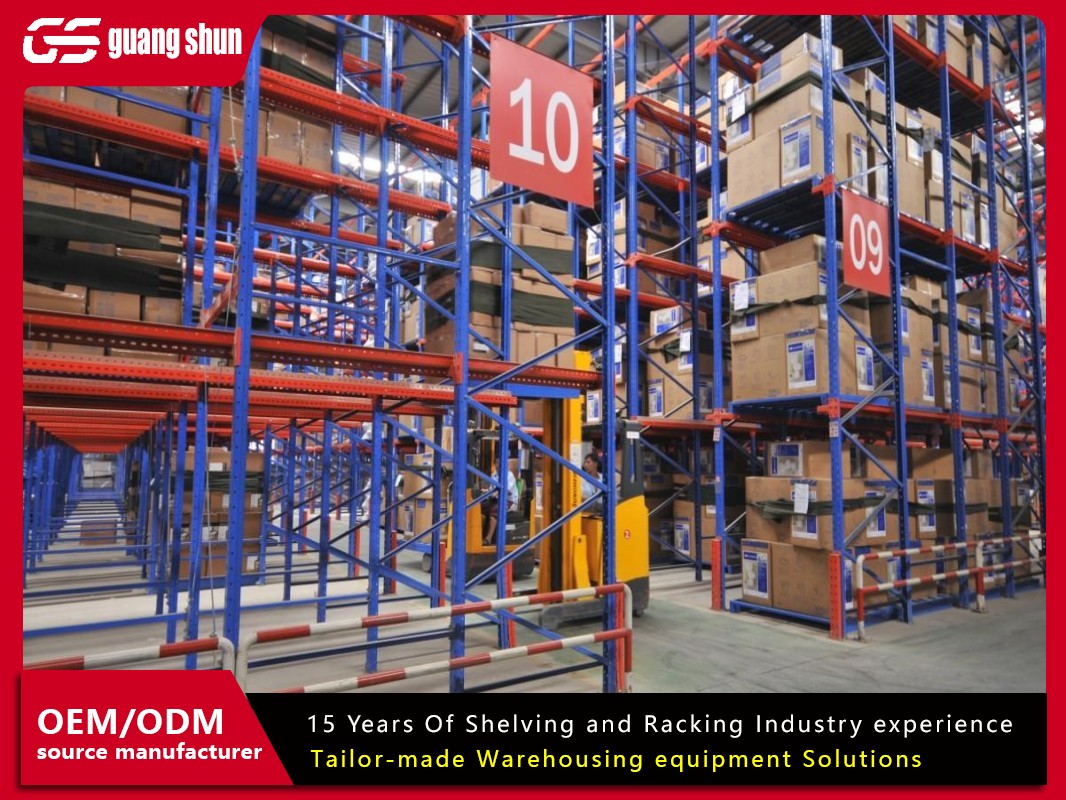
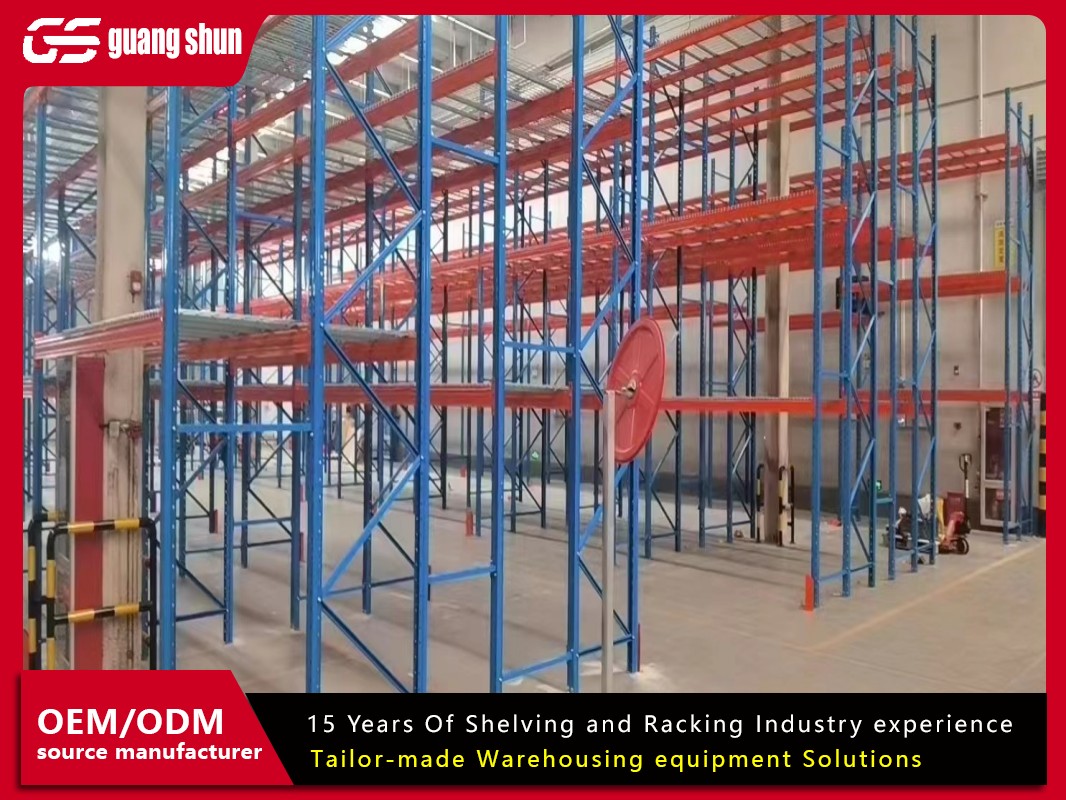
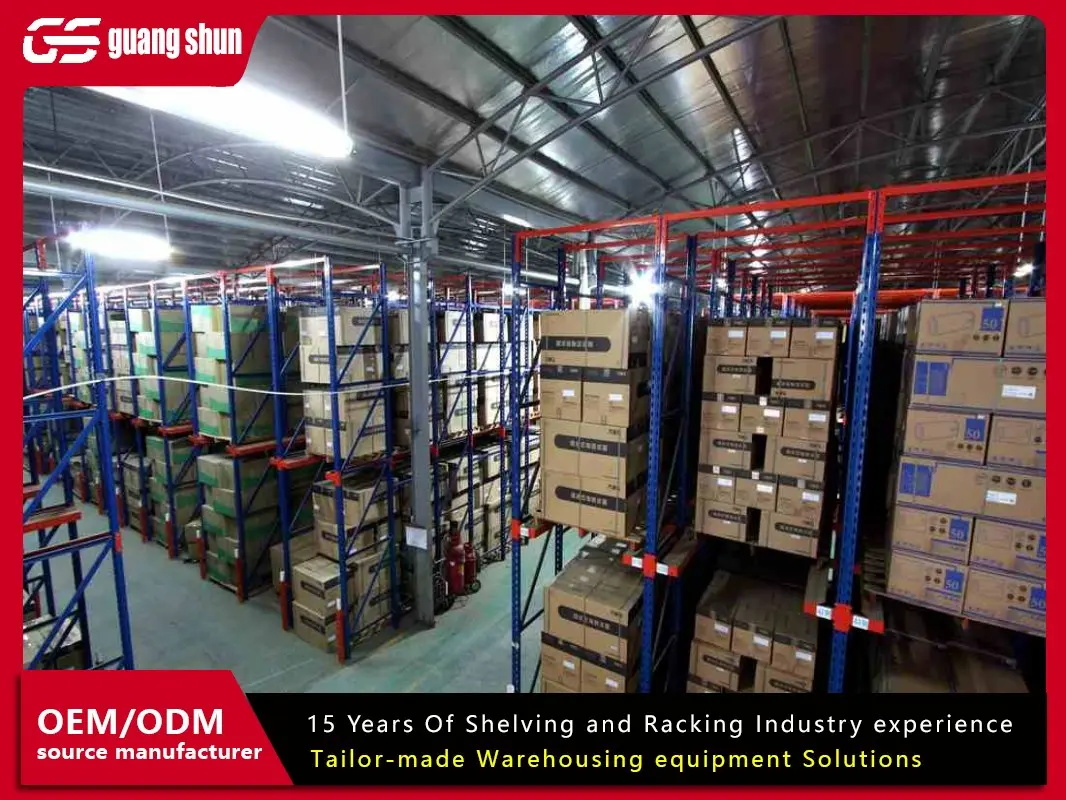
If your warehouse floor space is disappearing faster than you can say “new inventory,” you’re not alone. The constant battle between storage needs and operational space is a major headache. But what if you could literally move your storage aisles to create space on demand?
That’s the core idea behind movable aisle racks. This isn't a minor tweak to your storage layout; it’s a fundamental shift in how you use your cubic volume. Let’s break down what this system really is and why it might be the high-density solution you’ve been searching for.
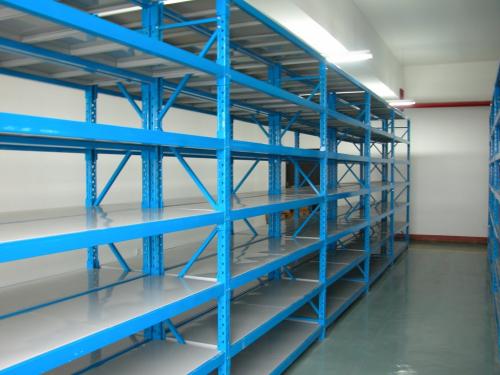
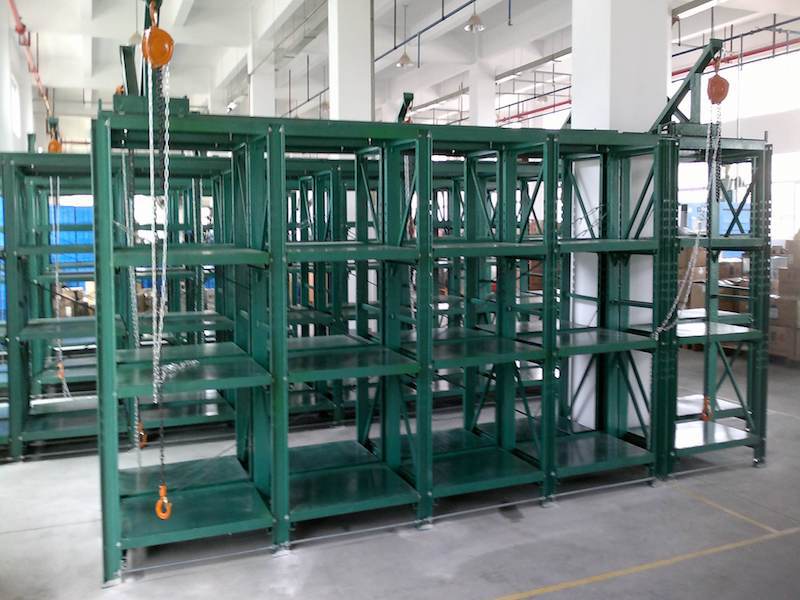
Also known as mobile pallet racking or high-density mobile storage systems, movable aisle racks are exactly what the name suggests. Instead of having fixed aisles between every row of traditional pallet racking, the racks themselves are mounted on heavy-duty carriages that glide on floor-embedded rails.
Only one access aisle is created at a time. An operator, using a manual crank, push-button, or integrated control system, moves the entire bank of racks to open the specific aisle they need. When closed, the racks sit flush against each other, eliminating all those wasted permanent aisles. The result is a dramatic increase in storage density within the same floor area.
To see the real value, you need a direct comparison. Traditional static pallet racking is simple and effective. But it has one big flaw: the aisle-to-storage ratio.
A typical warehouse using counterbalance forklifts might dedicate 10 to 12 feet of width to each permanent aisle. That space is necessary for access but generates zero storage revenue. In many layouts, aisles can consume nearly 50% of the total floor space.
A movable aisle rack system flips this logic. By condensing multiple rows onto a rail system, it can store the same amount of inventory in roughly half the space, or double the inventory in your existing space. The trade-off is sequential, not simultaneous, access. For operations storing many SKUs with lower pick frequency, this is a winning trade.
These systems aren't a one-size-fits-all solution. They excel in specific environments where space is premium and access patterns are manageable.
Cold Storage and Freezer Warehouses: Refrigerated space is incredibly expensive to build and operate. Movable aisle racks maximize every cubic foot, leading to massive savings on energy and construction costs. This is one of the most compelling applications.
Archives and Document Management: Perfect for boxes, files, and records that require secure, high-density storage with infrequent retrieval. They create a compact, manageable vault.
MRO and Spare Parts Storage: Manufacturing and aviation facilities often need to store thousands of slow-moving parts. Density and organization are critical, making these racks ideal.
Consolidating Warehouses: If you’re merging facilities or need to avoid a costly expansion, implementing a movable aisle rack system can often allow you to fit existing inventory into a much smaller footprint.
Beverage and Food Storage: High-volume, uniform pallet loads that are shipped in full-pallet quantities are perfectly suited for these high-density systems.
Investing in movable aisle racks requires careful planning. Here’s what to consider:
Yes, the initial price tag for a movable aisle rack system is higher than standard static racking. You are paying for the mechanical carriages, the rail system, and the control technology.
However, the true analysis must be done on a cost-per-pallet-stored or return-on-floor-space basis. By potentially doubling your storage capacity, you can:
The ROI often comes from real estate savings, not just the equipment cost. For new builds, it can mean constructing a significantly smaller, less expensive facility.
Modern movable aisle racks are feats of precision engineering. It’s more than just putting wheels on a rack.
The carriage system uses heavy-duty, sealed bearing rollers that move smoothly along hardened steel rails. The drive mechanism can vary: manual crank systems for light loads, electro-mechanical drives for standard use, or fully automated systems integrated with a Warehouse Management System (WMS) for high-tech operations.
Safety interlocks are paramount. The best systems have multiple redundant protections, including physical pallet guards, electronic safety edges, and must be installed by certified professionals to ensure perfect alignment and operation.
This is not a DIY project. You need a partner, not just a vendor. Look for companies that specialize in high-density storage solutions. They should offer a full turnkey service:
Ask for detailed case studies and references from projects in a similar industry. Visit an installed system if possible to see it in operation.
Q1: Are movable aisle racks safe to operate with forklifts inside?
A1: Absolutely, when proper procedures are followed. The aisle is only opened when needed and is a standard, stable width. The system is designed to be locked in place during access. Forklift operators must be trained to ensure no one is in the aisle before it is moved and to clear the aisle completely before signaling for it to close.
Q2: How long does it take to install a movable aisle rack system?
A2: Installation time varies greatly by the size and complexity of the system. A small to mid-sized project might take 1-3 weeks. Larger, automated systems can take several months from design to completion. Your supplier should provide a detailed project timeline. Disruption can be minimized with phased installation plans.
Q3: Can I add onto a movable aisle system later if I need more capacity?
A3: In most cases, yes, but it requires careful planning from the start. The system's design, including the rail layout and electrical capacity, should account for future expansion. It's much easier and more cost-effective to plan for growth upfront than to retrofit it later.
Q4: What kind of maintenance do these racks require?
A4: Maintenance is generally low but crucial. It involves regular inspection of the rails (keeping them clean and debris-free), checking the carriage wheels and drives, and ensuring all safety systems are fully functional. Most suppliers recommend an annual professional inspection. The simplicity of the mechanical design often leads to long service life.
Q5: Are movable aisle racks only for new warehouse construction?
A5: Not at all. Many successful installations are retrofits into existing buildings. The key limiting factor is almost always the floor’s load-bearing capacity. A thorough structural engineering assessment is the essential first step for any retrofit project to determine feasibility and any necessary floor reinforcement.

 Wechat
Whatsapp
Wechat
Whatsapp