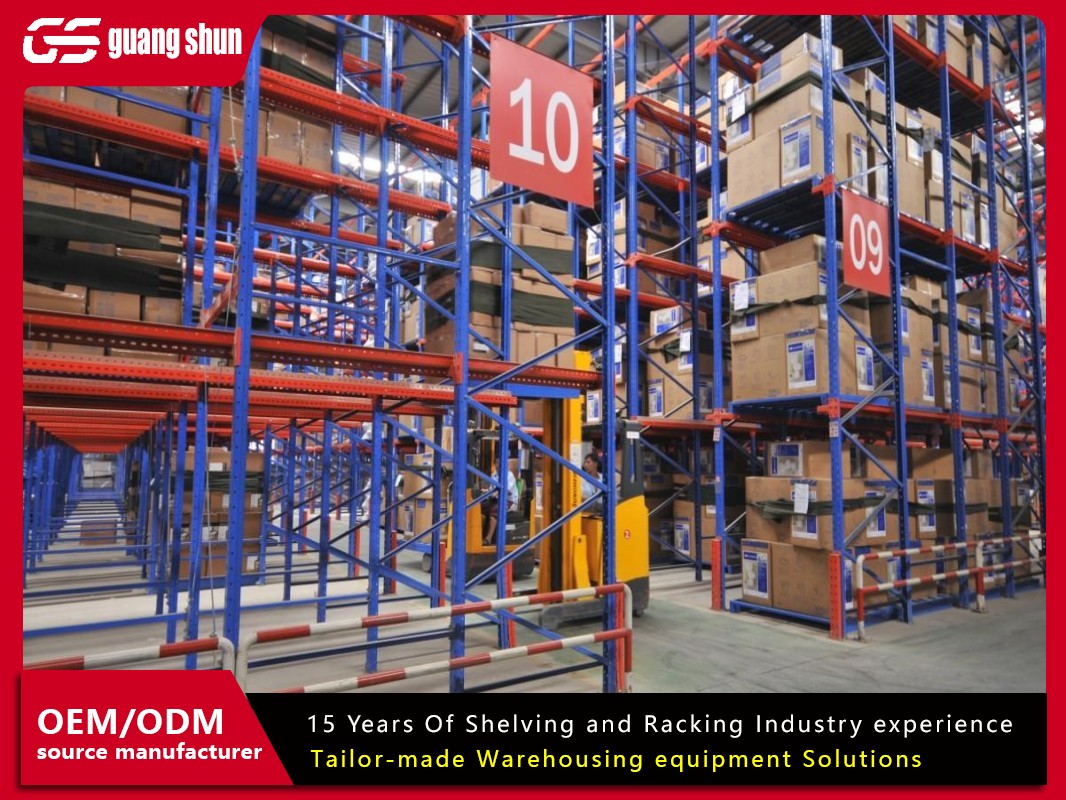
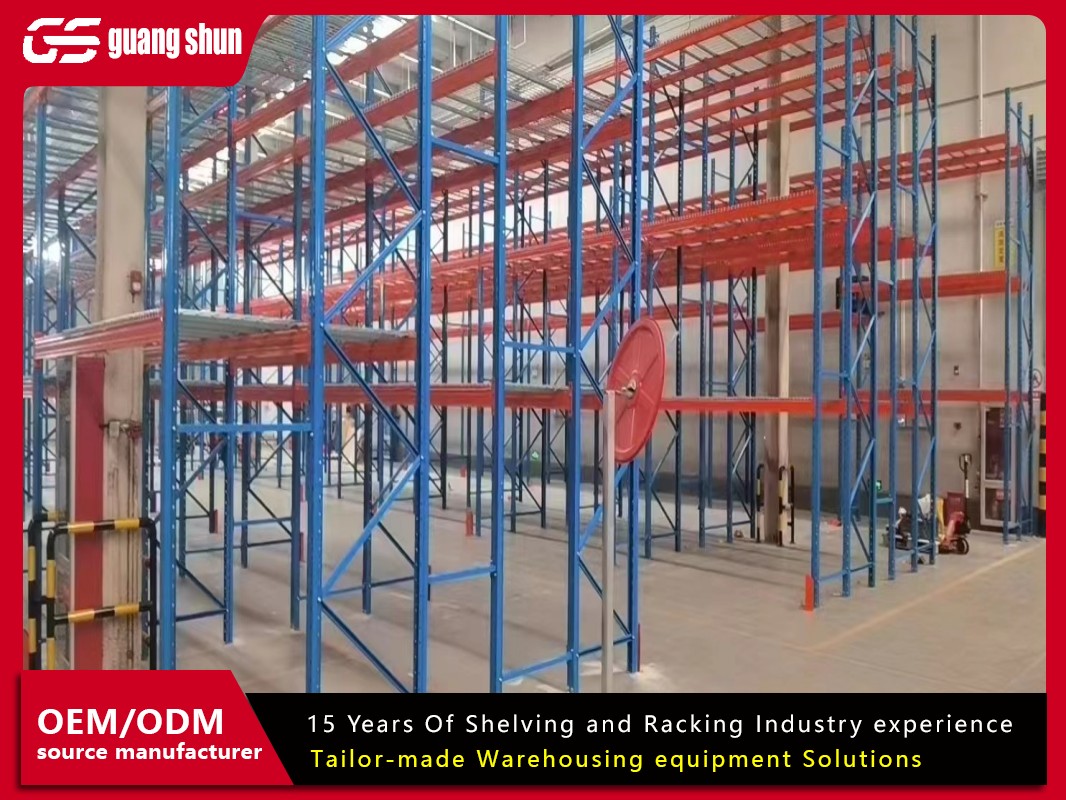
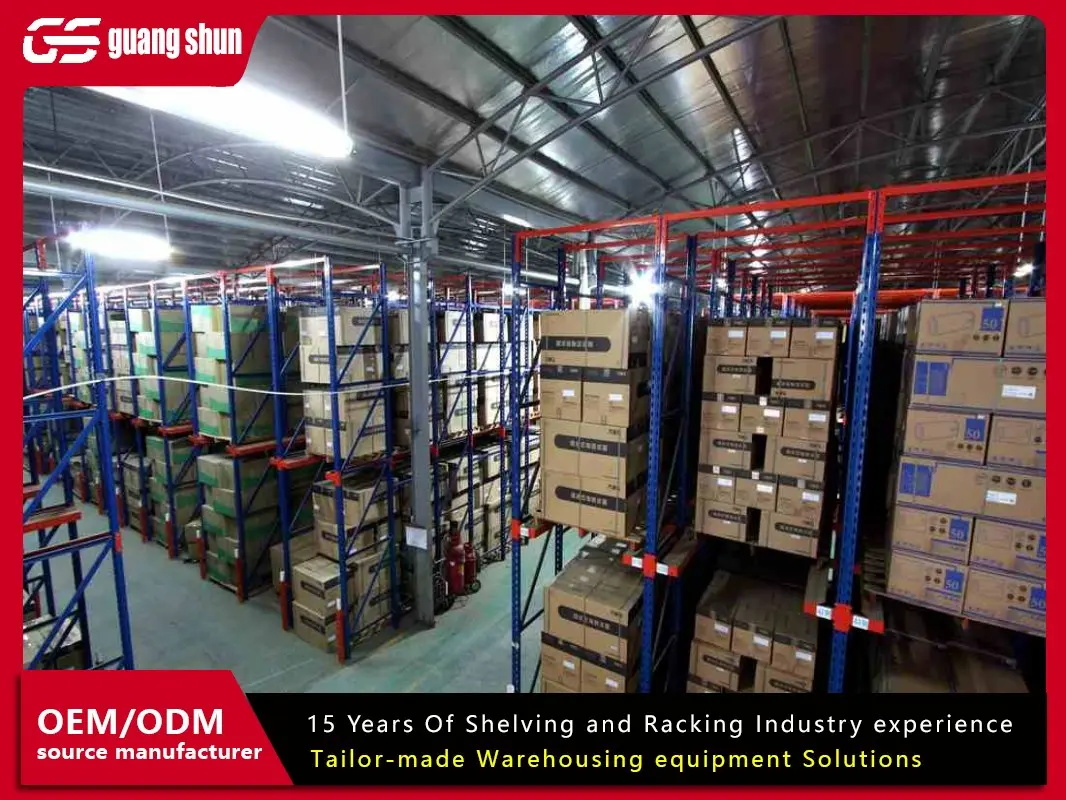
Warehouse operators constantly face a trade‑off between storage density and accessibility. Fixed pallet racks force a permanent aisle grid that consumes 35–50% of floor space. By eliminating fixed aisles, movable pallet racking systems compress the same number of pallet positions into a significantly smaller footprint. These dynamic systems ride on wheeled carriages over embedded rails, opening an aisle only where and when needed. This article provides an engineer’s perspective on the design variables, safety subsystems, and financial justification for professional movable rack installations, referencing field data from Guangshun projects in cold logistics and high‑turnover distribution centers.
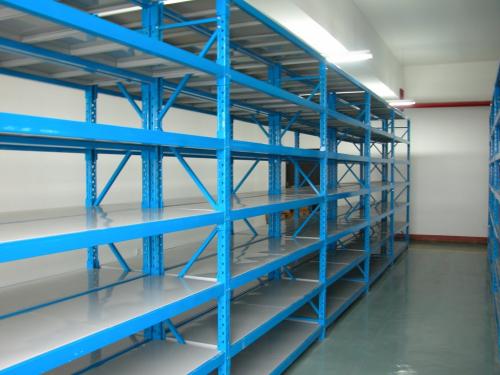
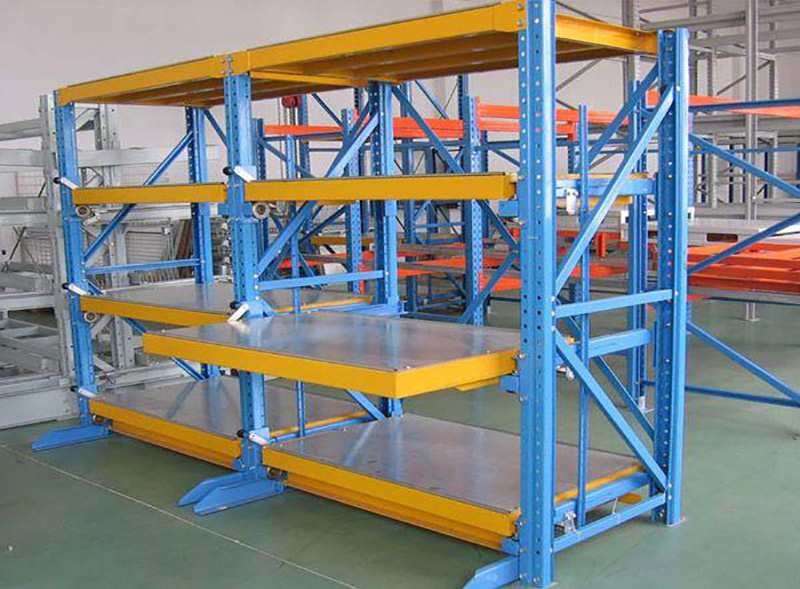
Unlike static selective racks, movable pallet racking arranges rows of racks on mobile carriages that travel along floor‑embedded rails. When access to a specific pallet is required, the system shifts adjacent rows to create a single temporary aisle. The result is a warehouse where the only permanent aisle is the main transfer aisle; all others are created on demand. Three core engineering components define system performance:
Rail flatness and alignment: Rails must be installed with a deviation ≤1 mm over 10 meters to prevent binding or uneven wheel loading. Epoxy‑grouted rails are standard for high‑precision applications.
Drive motor and gear train: Heavy‑duty systems use gear motors with electromagnetic brakes (0.75–2.2 kW per carriage). Variable frequency drives (VFDs) provide soft start/stop to prevent load sway.
Control logic and safety sweeps: Each movable row includes infrared photoelectric sensors and pressure‑sensitive floor edges that immediately stop movement if any obstruction is detected.
These technical details directly impact operational reliability. A movable rack with poor rail alignment will experience wheel flange wear after 12–18 months, leading to misalignment and motor overload.
Not all movable pallet rack systems are identical. Based on load weight, frequency of access, and environmental conditions, engineers select among distinct architectures:
In cold storage facilities (‑25°C to +5°C), reducing the number of permanent aisles directly lowers energy consumption because less refrigerated air volume is needed. Motorized movable pallet racking allows dense storage of frozen goods while maintaining FIFO access. Key adaptations for low‑temperature environments include:
Low‑temperature lubricants on wheel bearings and gearboxes (operational to ‑40°C).
Stainless steel or zinc‑nickel plated rails to resist condensation corrosion.
Heated control cabinets to prevent condensation on PCBs.
Data from a Guangshun installation in a 5,000‑pallet frozen food warehouse showed that converting from fixed selective racks to movable pallet racks reduced the required freezer footprint by 42% while cutting annual refrigeration electricity costs by 31%.
For applications with limited daily accesses (e.g., spare parts, document archives, or long‑term reserve storage), manual movable rack systems use a hand‑wheel or crank mechanism to shift rows. Although slower than motorized versions, manual systems require no electrical installation and have lower upfront costs. Typical load capacities range from 500 kg to 2,500 kg per pallet position. Aisle opening speed is approximately 2–3 meters per minute, sufficient for 20–30 daily accesses.
Modern facilities integrate movable pallet racks with warehouse management systems (WMS). When a picker scans a barcode, the WMS sends a command to the rack controller, automatically opening the aisle containing that SKU. Laser distance sensors and absolute encoders provide positioning accuracy of ±2 mm. This reduces operator wait time to near zero, improving picking productivity by 25–40% compared to manually‑controlled movable racks.
Many operations accept the inefficiency of fixed aisles because they perceive movable racking as complex or expensive. However, a closer look at actual floor plans reveals clear failure modes of static layouts:
Pain point: Wasted cubic volume from oversized aisles. Standard forklift aisles require 3.0–3.5 meters width. In a 10,000 m² warehouse, aisles consume up to 3,500 m² of potential storage space. Movable racking compresses aisle volume by 80–90%, reclaiming that area for revenue‑generating pallet positions.
Pain point: Inefficient batch picking across multiple aisles. Fixed aisles force order pickers to walk long distances. With movable racks, a single aisle can be opened sequentially to access different rows, reducing travel distance by up to 65%.
Pain point: Cold air loss in refrigerated warehouses. Every fixed aisle in a freezer represents an air volume that must be cooled. By reducing aisle count, movable pallet racking directly lowers the refrigeration load. A 30% reduction in aisle volume typically yields a 12–18% drop in energy bills.
Pain point: Difficulty expanding capacity within existing building. When a warehouse reaches 95% utilization, the only options are costly expansions or offsite storage. Installing movable pallet racking can increase capacity by 50–80% within the same footprint, deferring capital expansion for years.
Selecting a movable pallet rack system requires quantifying several parameters. The following table summarizes typical design ranges (presented as bullet points for readability):
Maximum pallet load per position: 600 kg to 1,500 kg (standard), up to 2,500 kg for heavy‑duty forged rail systems.
Number of movable rows per motorized carriage: 1 to 6 rows, with total moving mass up to 60,000 kg per motor group.
Travel speed: 3–8 m/min for motorized systems; 1–3 m/min for manual.
Rail type: Cold‑formed steel V‑groove rail (hardness HRC 45–50) or flat rail with crowned wheels. V‑groove provides better lateral guidance.
Power supply: 380V/480V three‑phase for motorized; trailing cable or battery‑powered (for shuttles).
Safety stop response time: <50 ms from obstacle detection to full brake engagement.
These specifications must be validated by third‑party engineering calculations per EN 15635 or RMI MH16.1. Guangshun provides a detailed load spectrum analysis for each movable rack project, ensuring the rail and wheel system withstands cumulative fatigue cycles over a 20‑year design life.
Because movable racks shift heavy loads in close proximity to personnel, safety features are not optional. A code‑compliant system includes:
Photoelectric floor sweeps: Infrared beams mounted 30 mm above the floor across the entire front face. Any beam break stops movement.
Pressure‑sensitive safety edges: Rubber strips with embedded contact sensors along the leading edge of each carriage. Requires only 50 N of force to trigger stop.
Audible and visual alarms: A 95 dB buzzer and flashing strobe activate for 3 seconds before any movement.
Emergency stop buttons: Located at both ends of each movable row, plus wireless remote e‑stop.
Mechanical end stops and buffers: Prevents derailment even if control system fails.
Periodic testing of these safety devices is mandatory. A monthly check of photoelectric beam alignment and pressure edge continuity reduces the risk of personnel injury to near zero.
Upfront investment for movable pallet racking is 2.0–2.8 times that of fixed selective racks. However, the total cost of ownership (TCO) over 10 years is often 30–45% lower when space and energy savings are factored. A representative model for a 3,000‑pallet facility:
Space cost avoidance: Movable racks reduce required floor area from 3,500 m² to 2,000 m². At $150/m²/year lease cost, annual saving = $225,000.
Energy savings (cold storage): 35% less refrigerated volume → $42,000/year electricity reduction.
Labor productivity: Reduced travel distance saves 1.5 full‑time pickers → $75,000/year.
Total annual operating savings: $342,000.
System investment (installed): $520,000.
Simple payback = 18 months. Over 10 years, cumulative net savings exceed $2.5 million. For non‑refrigerated warehouses, payback typically ranges from 24 to 36 months, still within industry acceptable limits.
To ensure movable pallet racking achieves its 20‑year design life, a structured maintenance plan is required:
Weekly: Visual inspection of rails for debris (pallets chips, plastic wrap). Clean rails with a soft brush; never use grease as it attracts dust.
Monthly: Check wheel flange wear (replace if flange height <4 mm). Verify motor brake engagement torque.
Quarterly: Test photoelectric sweeps and pressure edges with a test rod (10 mm diameter). Measure response time using a stopwatch and high‑speed camera.
Annually: Laser alignment survey of rails; re‑grout any settled sections. Inspect electrical panel for loose terminals.
Following this schedule reduces unplanned downtime by 90% compared to reactive maintenance. Guangshun offers remote monitoring IoT kits that track motor current and travel cycles, predicting bearing wear before failure.
For warehouses facing space constraints, rising energy costs, or throughput demands that exceed fixed aisle capabilities, movable pallet racking provides a proven, engineered solution. The technology has matured over decades, with standardized safety features and predictable ROI models. Whether for cold storage, high‑density dry goods, or reserve inventory, a properly specified movable pallet racking system transforms how floor area is utilized. By following the technical guidelines, safety protocols, and financial analysis methods outlined above, facility managers can confidently deploy movable rack systems that deliver measurable operational improvements for decades.
Q1: What is the maximum number of pallet positions that a single movable rack system can handle?
A1: There is no theoretical maximum, but practical limits are determined by motor power and rail length. Single motorized carriages can move up to 60 tonnes (approx. 120 pallets of 500 kg each). For larger installations, multiple independently controlled carriages are grouped into zones. Systems with over 5,000 pallet positions are common in automated cold stores.
Q2: How does movable pallet racking affect forklift turning radius and aisle width?
A2: The temporary aisles created by movable racks can be as narrow as the forklift’s turning radius allows—often 2.8–3.2 meters for counterbalance trucks. However, many users switch to reach trucks or very narrow aisle (VNA) forklifts, which operate in aisles as narrow as 1.8 meters. The movable carriage design does not restrict aisle width; it simply opens the required space.
Q3: Can movable pallet racking be installed on existing warehouse floors without major preparation?
A3: Surface‑mounted rails can be bolted to floors with sufficient flatness (≤3 mm deviation over 6 meters). For floors with excessive unevenness or cracks, a self‑leveling screed or epoxy underlayment is required. Embedded rails (recessed into floor slots) offer better durability for heavy‑duty systems but involve concrete cutting. Most installations use surface‑mounted rails with ramp edges for pallet jack access.
Q4: What happens during a power outage? Do the racks lock in position?
A4: Motorized movable racks are equipped with electromagnetic brakes that automatically engage when power is lost. The racks remain stationary and cannot move unintentionally. Manual release mechanisms (usually a crank or hydraulic pump) allow emergency repositioning. For safety, all systems require a battery‑backed emergency lighting and e‑stop circuit.
Q5: How does movable pallet racking compare to push‑back or pallet flow racks in terms of density and access speed?
A5: Movable racks achieve the highest density (up to 90% floor utilization) because they eliminate all fixed aisles. Push‑back and flow racks still require aisles between lanes. Access speed for movable racks is slower (10–20 seconds to open an aisle) compared to flow racks (immediate), but for low‑to‑medium throughput applications (≤30 accesses per hour per lane), the density advantage outweighs the delay. For very high throughput, a combination of movable racks for reserve storage and flow racks for forward pick is common.
Q6: Are there seismic design requirements for movable pallet racking in earthquake zones?
A6: Yes. In seismic zones (UBC Zone 3 or 4), movable racks require positive locking mechanisms (mechanical pins or active brakes) that engage when the system is not moving. Additionally, outrigger rails and cross‑aisle stabilizers are mandatory. A seismic analysis per ASCE 7‑16 must be performed to calculate lateral forces on the moving mass. Guangshun provides seismic‑certified designs with third‑party shake‑table validation.
© 2025 Technical resource for warehouse professionals. For customized engineering data and movable rack layouts, consult Guangshun material handling specialists.

 Wechat
Whatsapp
Wechat
Whatsapp