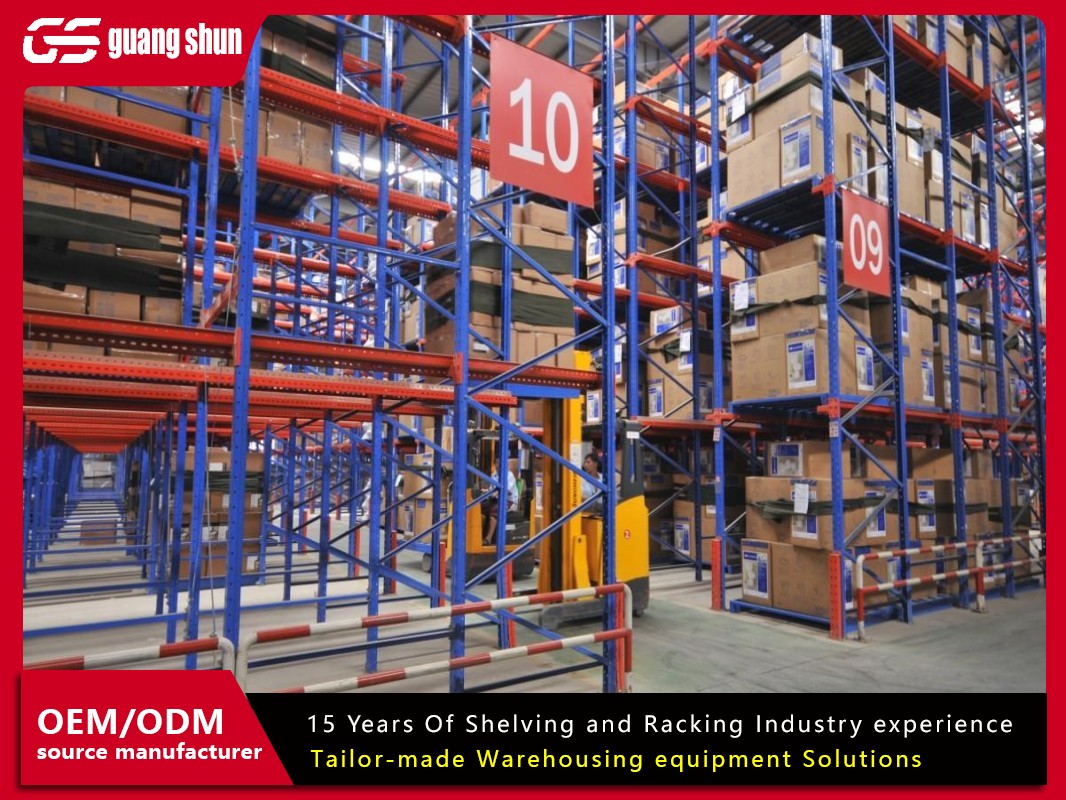
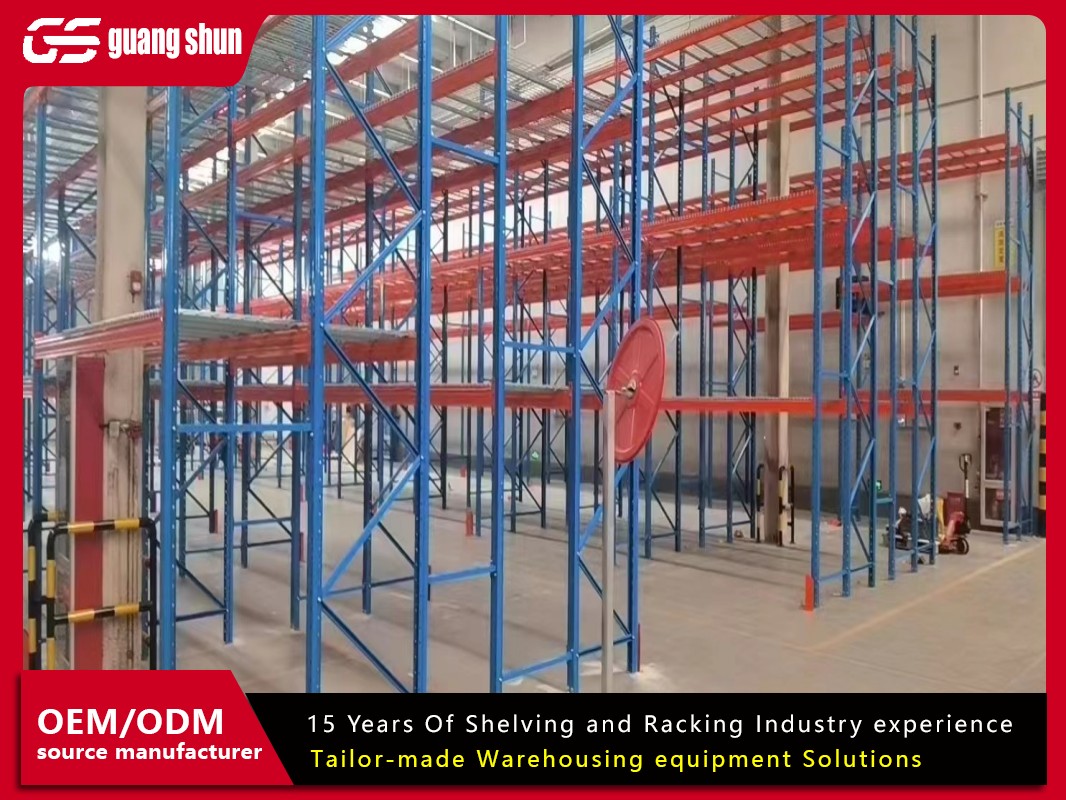
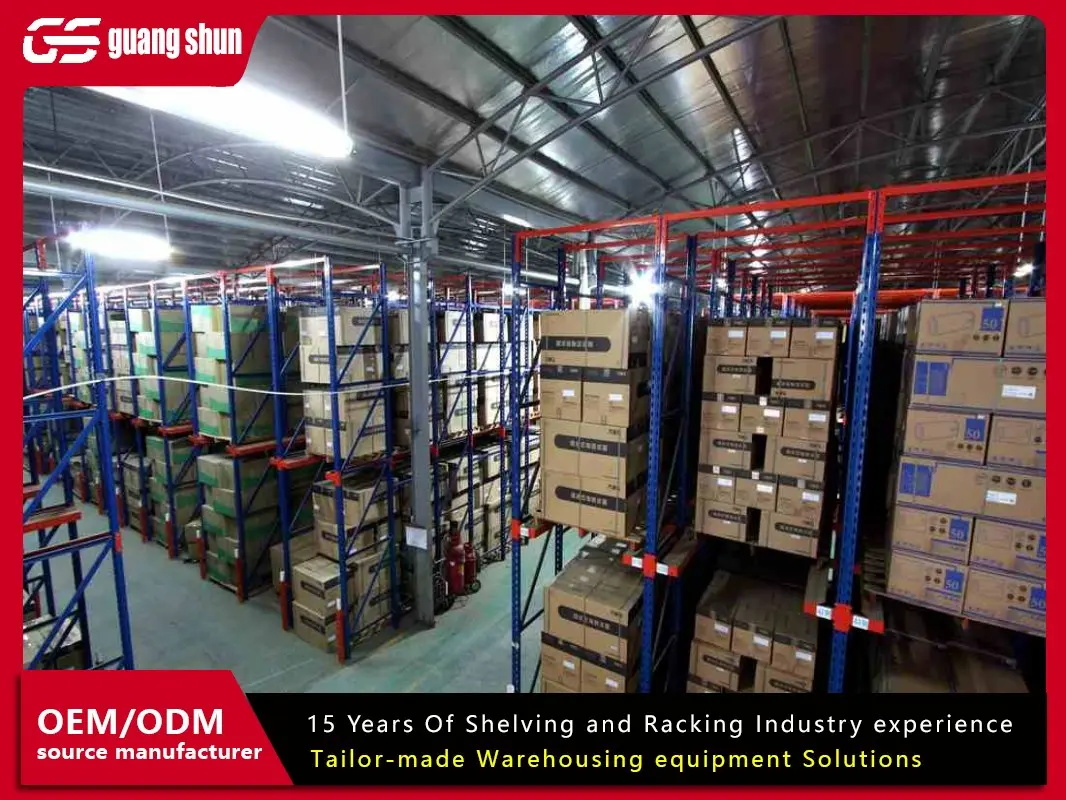
In the constant push for greater efficiency, warehouse managers are re-evaluating static storage layouts. One solution that stands out for its ability to maximize space and adapt to changing inventory is the warehouse rolling pallet rack system.
Also known as mobile pallet racking, this system transforms fixed aisles into flexible, on-demand space. Instead of multiple permanent walkways, racks are mounted on carriages that glide along embedded tracks.
This creates a high-density storage configuration where only one access aisle is needed at a time.
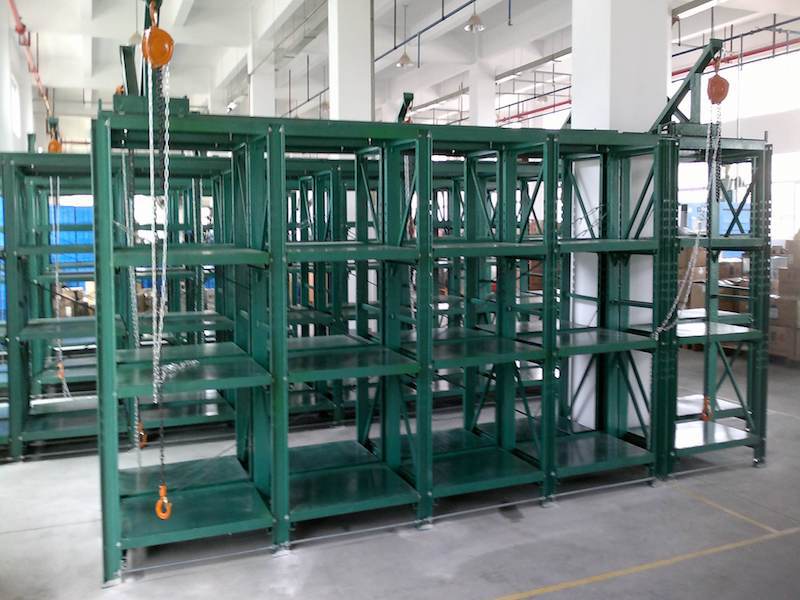
A warehouse rolling pallet rack system is a high-density storage solution. It consists of standard pallet racking sections placed on mobile bases, or carriages. These carriages move laterally on steel tracks fixed to the warehouse floor.
An operator uses a manual crank, a mechanical assist device, or an electric motor to move an entire row of racks. This opens up an access aisle exactly where it is needed. Once the picking or storage task is complete, the rows are closed again.
The core principle is simple: eliminate redundant, permanent aisles to store more pallets in the same footprint. This can increase storage capacity by up to 100% compared to traditional static racking, depending on the layout.
The decision to install a rolling pallet rack system is driven by tangible operational benefits. The advantages go beyond just saving space.
Massive Increase in Storage Density
This is the primary benefit. By consolidating multiple fixed aisles into one or two movable ones, you directly convert wasted aisle space into productive storage space. It is the most effective way to store more SKUs without expanding the building.
Enhanced Inventory Security and Control
A mobile racking system can be designed to lock in the closed position. This creates a secure wall of racking, limiting unauthorized access to specific inventory aisles. It is particularly useful for high-value or regulated goods.
Improved Organization and Selectivity
Despite being high-density, these systems can be configured for good selectivity. With proper planning, you can group similar or fast-moving SKUs together. Operators then only open the specific row they need, keeping other areas securely closed.
Adaptability to Changing Inventory Needs
Inventory profiles change. A warehouse rolling pallet rack system is inherently flexible. You can reconfigure pallet positions and adjust row assignments as your SKU mix, sizes, and velocities evolve, without changing the core infrastructure.
Not every warehouse is an ideal candidate. These systems shine in specific operational environments.
Cold Storage and Freezer Warehouses
Space in temperature-controlled environments is extremely expensive. Maximizing storage density within these costly cubic feet directly translates to significant savings on energy and construction costs. Rolling pallet racks are a standard solution in cold storage.
Archives and Low-Turnover Inventory
Storing documents, seasonal items, or spare parts that are accessed infrequently is perfect for high-density mobile racking. It securely houses a large volume of goods while only requiring occasional aisle access.
High-Value Goods Storage
For industries like electronics, aerospace, or pharmaceuticals, security and space utilization are paramount. The locked-row nature of a rolling rack system provides both physical security and excellent space efficiency for expensive components.
Urban Warehouses with Space Constraints
In cities where expansion is impossible and rent is high, gaining double the storage capacity within the same four walls is a game-changer. It defers the need for a costly relocation to a larger facility.
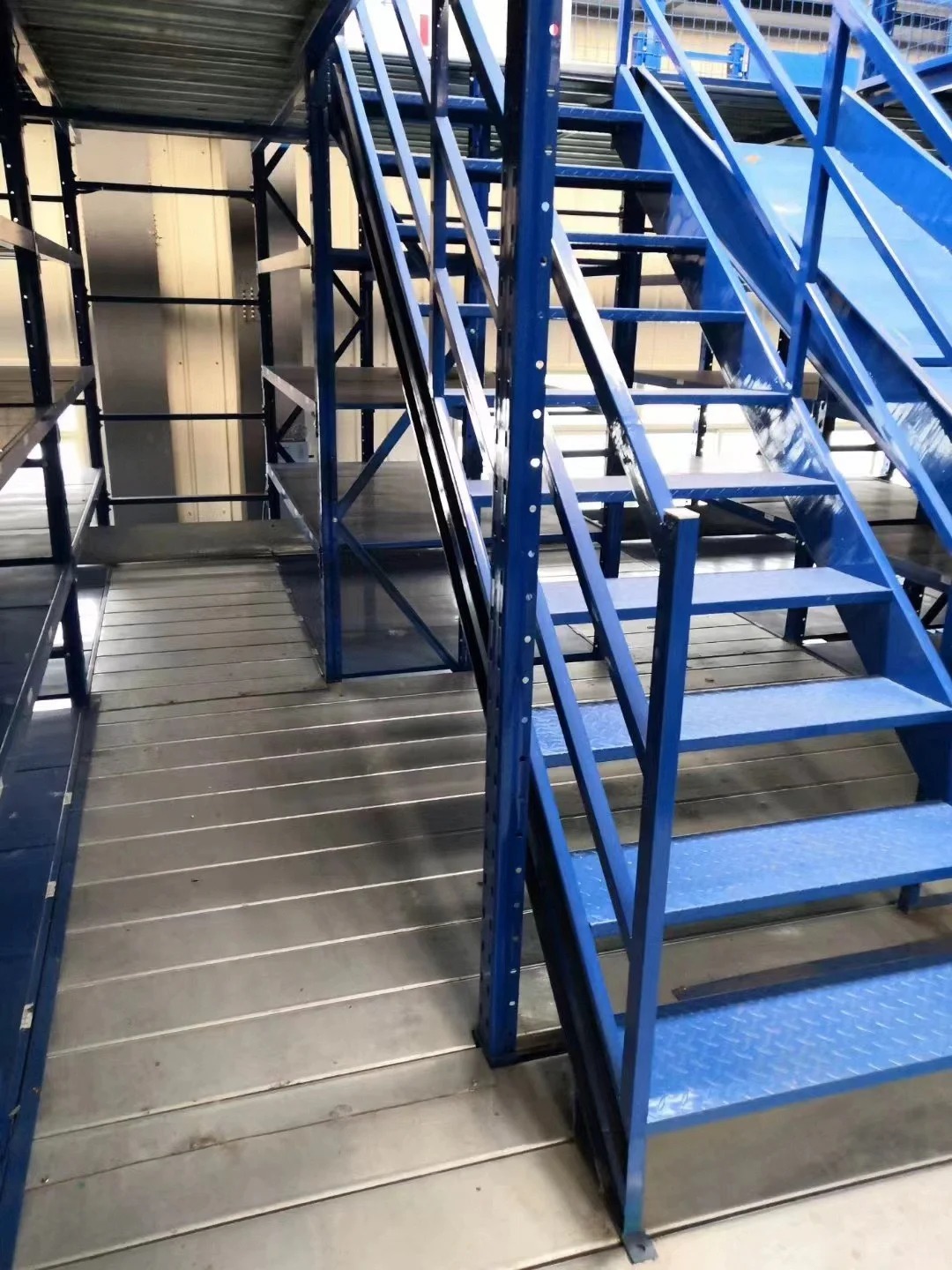
Selecting a system requires careful analysis of your operation. Here are the key factors to consider.
Assess Your Floor Capacity and Condition
Warehouse rolling pallet racks are heavy. The floor must have sufficient load-bearing capacity to support the fully loaded weight across the entire footprint, not just at the rack legs. A professional floor survey is non-negotiable.
Understand Your Inventory Profile
Analyze your pallet weights, dimensions, and turnover rates (FIFO vs. LIFO). This determines the required beam load capacity, the system's configuration, and whether you need a manual crank or powered movement system.
Manual systems use a hand crank and are cost-effective for smaller, lighter rows. Mechanized systems use a gearbox and crank for easier movement of heavier loads. Fully electric-powered systems are best for very long, heavy rows and frequent access.
Safety Systems Are Critical
Never compromise on safety. Look for integrated features like aisle safety sweeps, anti-tilt locks, safety locks on the drive unit, and photoelectric sensors to prevent aisle closure when a person is inside.
The investment in a warehouse rolling pallet rack system is higher than static shelving. Understanding the cost drivers helps in budgeting.
Major cost components include:
While the initial outlay is higher, the Return on Investment (ROI) is often compelling. The cost per stored pallet position can be lower due to the massive density gain. The ROI is calculated based on the value of the recovered space, avoidance of expansion costs, and productivity gains.
Choosing the right partner is as important as choosing the right system.
Look for Specialized Experience
Seek out suppliers and integrators who specifically list mobile pallet racking or high-density storage systems as a core competency. Ask for detailed case studies from similar industries.
Insist on a Comprehensive Site Survey and Plan
A reputable provider will never quote without a detailed site visit. They should assess floor strength, ceiling clearances, and operational workflows. They must provide a detailed layout plan and load calculations.
Verify Safety Certifications and Design Standards
Ensure the supplier designs and installs systems that comply with relevant local and international safety and seismic codes (e.g., OSHA, RMI, EN standards).
Review the Full Package: From Design to Service
Evaluate them on the entire project lifecycle: design expertise, quality of components, installation crew certification, and the availability of ongoing inspection and maintenance services.
Q1: Are warehouse rolling pallet racks safe for daily operation?
A1: Yes, when properly specified, installed, and used with trained personnel, they are very safe. Modern systems come with multiple mandatory safety features like aisle locks, safety sweeps at floor level, and warning lights to prevent accidents during movement.
Q2: Can any warehouse floor support a rolling rack system?
A2: No. The floor must be evaluated for its load-bearing capacity. Older or lighter-duty floors may require reinforcement, which adds to the project cost. A professional structural engineer or the system supplier must conduct a thorough floor survey first.
Q3: Is this system suitable for FIFO (First-In, First-Out) inventory management?
A3: Standard rolling pallet rack systems are typically designed for LIFO (Last-In, First-Out) access within each row, as you access the most recent pallet at the aisle opening. For true FIFO, a more complex and costly configuration with a through-aisle at the back is required, which reduces density.
Q4: How much maintenance do the moving parts require?
A4: Maintenance is relatively low but essential. It primarily involves periodic inspections and lubrication of the wheel bearings, tracks, and drive mechanisms. An annual professional inspection is recommended to ensure all safety and mechanical components are in perfect working order.
Q5: Can I convert my existing static pallet racking into a mobile system?
A5: In some cases, yes. The upright frames can sometimes be adapted and fitted onto new mobile carriages. However, this depends entirely on the compatibility and condition of your existing racks. A supplier can assess this, but often a new, engineered system is the more reliable and safe choice.

 Wechat
Whatsapp
Wechat
Whatsapp