Walking into a disorganized warehouse is an exercise in frustration. Time is lost searching for items. Space is wasted on inefficient storage. Safety risks increase when products are stored improperly.
Two fundamental solutions form the backbone of any organized industrial space: warehouse storage racking and warehouse metal shelving. While sometimes used interchangeably in conversation, they serve distinctly different purposes. Choosing the wrong one can be a costly mistake.
This article breaks down the key differences, strengths, and ideal applications for both storage racking and metal shelving. By the end, you’ll have a clearer picture of which system—or combination of systems—will bring order and efficiency to your operation.
The most critical distinction lies in what you’re storing.
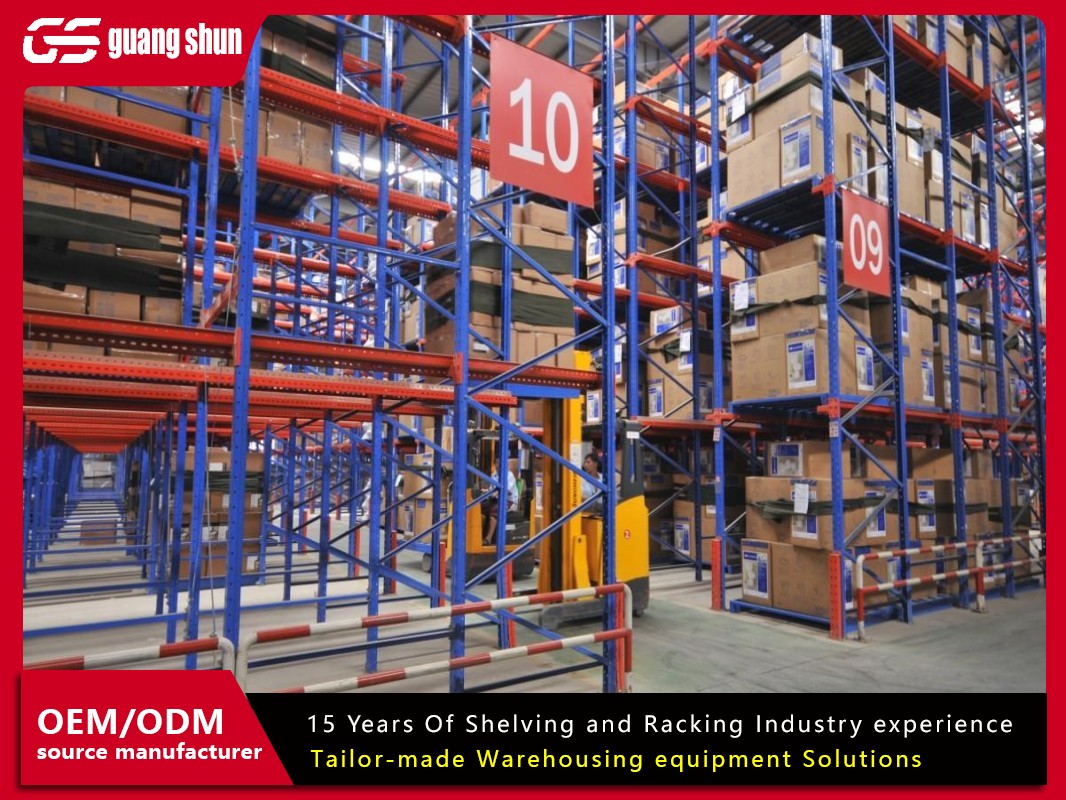
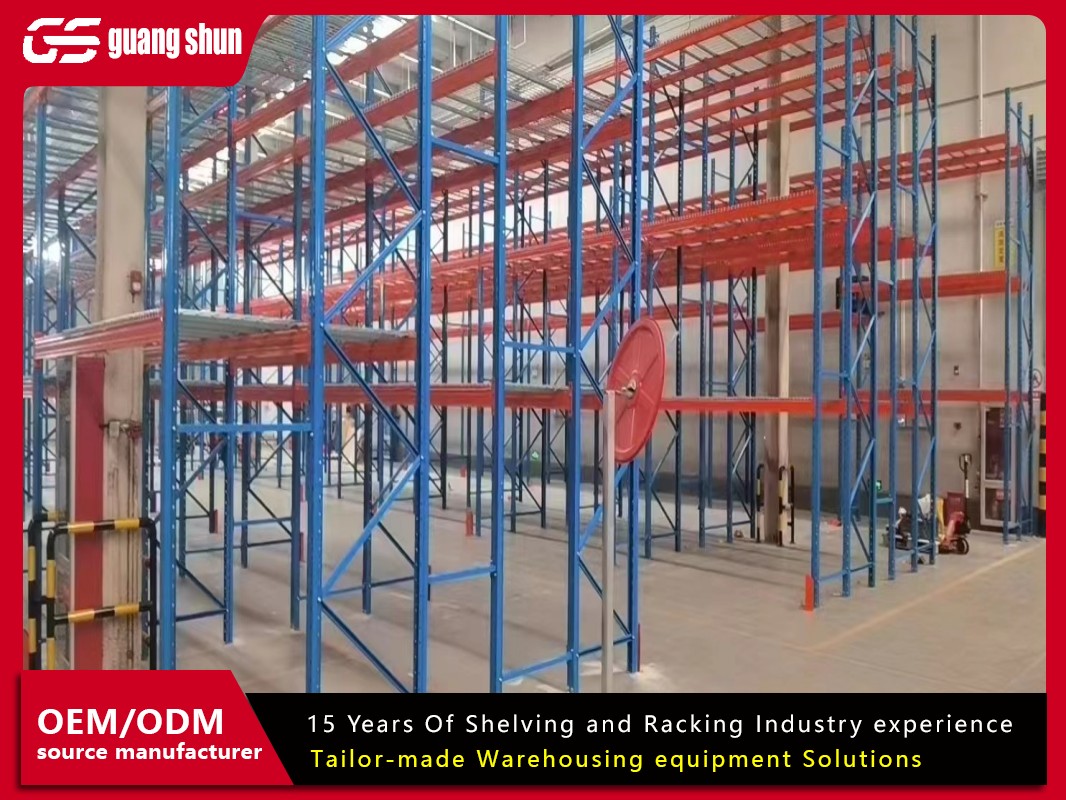
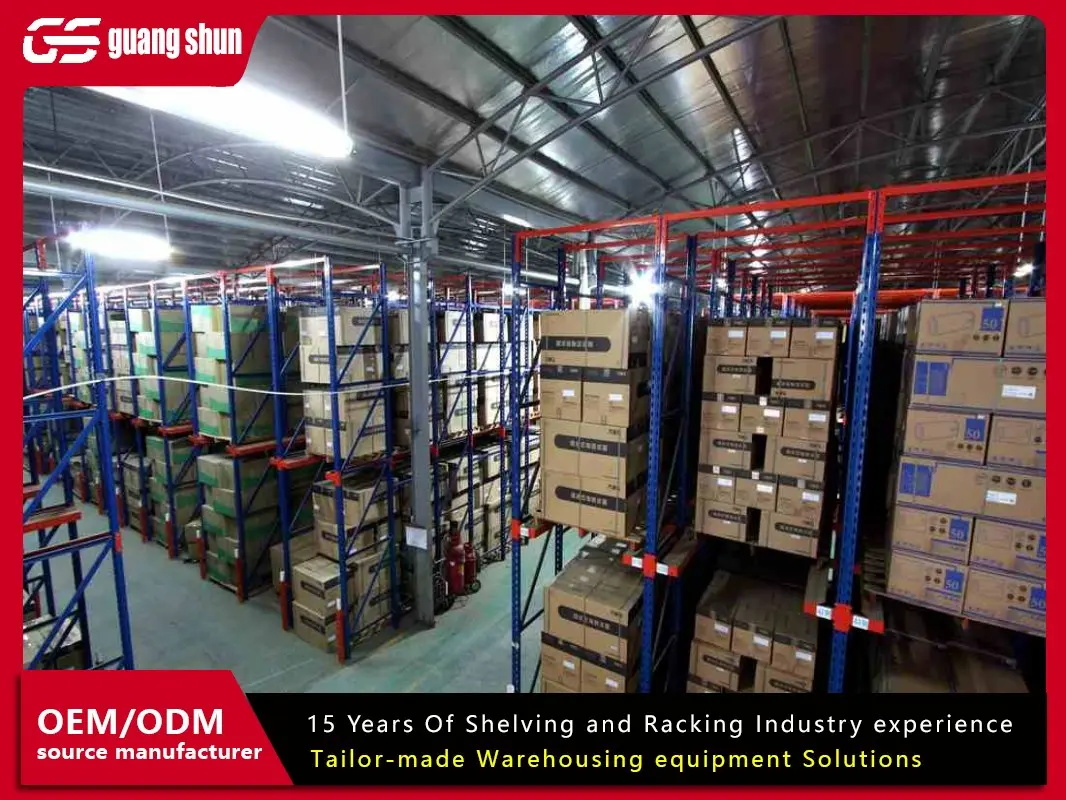
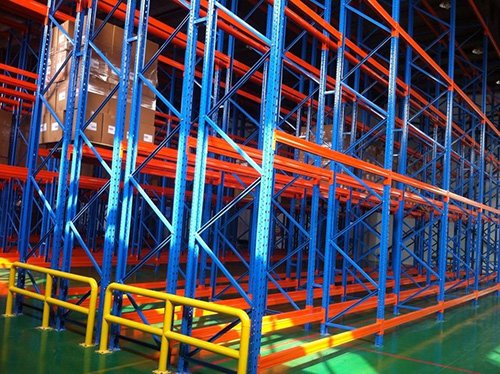
Warehouse storage racking is engineered for unit loads, almost always on pallets. It’s a heavy-duty framework designed to handle the massive weight and bulk of palletized goods, whether from forklifts or pallet jacks. Think of rows of full pallets of building materials, food cases, or automotive parts.
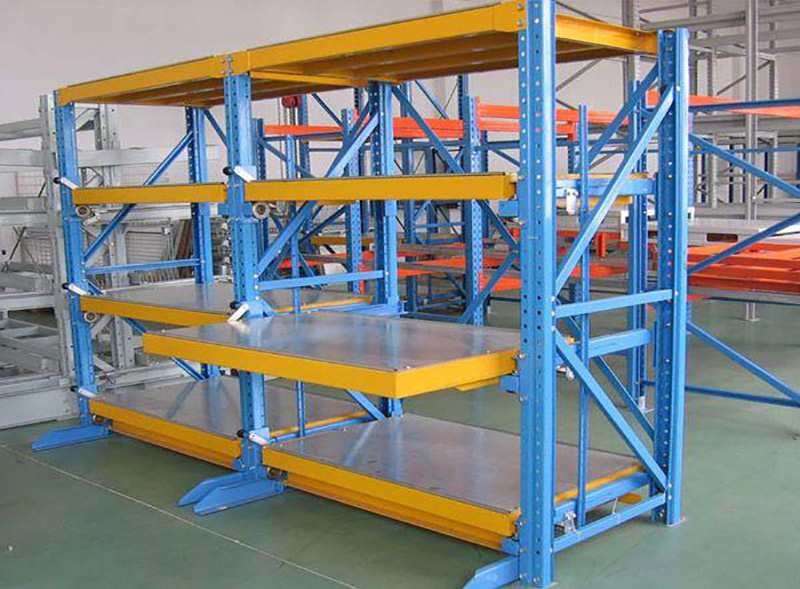
Warehouse metal shelving is designed for individual items, boxes, or bins. It provides accessible shelving for smaller, lighter products that are typically picked by hand. Think of tools, maintenance supplies, retail boxed products, or electronic components stored in bins.
Confusing these two is like trying to store a pallet of concrete bags on a library shelf. The results won’t be good.
When you have pallets, you need racking. Its primary job is to use your building’s vertical cube safely and efficiently.
Common Types of Storage Racking:
Key Advantages of Racking Systems:
Typical Uses for Racking:
Bulk raw material storage, finished goods in distribution centers, appliance warehousing, wholesale beverage storage, and any application involving consistent palletized loads.
Shelving brings organization to the smaller stuff. It’s about categorization and easy manual access.
Common Types of Metal Shelving:
Key Advantages of Metal Shelving Systems:
Typical Uses for Metal Shelving:
Maintenance, repair, and operations (MRO) storerooms, tool cribs, retail backstock, packaging supply areas, small parts inventory in bins, and archival records storage.
Let’s put them side-by-side on key decision factors.
1. Weight Capacity:
2. Accessibility & Picking Speed:
3. Space Efficiency & Density:
4. Flexibility & Reconfiguration:
5. Initial Cost & Installation:
Your inventory profile dictates the solution. Ask these questions:
The Winning Strategy: Integration.
Most successful warehouses use both. The bulk of your inventory—full pallets of fast and slow-movers—resides on selective pallet racking. Then, you have a dedicated “pick face” or “forward picking area” where you break down a master carton and store the individual units on metal shelving for rapid order fulfillment.
This hybrid approach combines the density of warehouse storage racking for bulk with the accessibility of metal shelving for picking. It’s the blueprint for a modern, efficient operation.
Regardless of your choice, safety is paramount.
For racking, conduct regular inspections for forklift damage on uprights. Ensure load beams are securely locked and never exceed the posted load capacity. Use pallet supports and column guards where needed.
For metal shelving, ensure it is properly anchored to the floor or back-to-back to prevent tipping. Distribute weight evenly, placing heavier items on lower shelves. Never climb on shelving units; use a proper ladder.
Q1: Can I put pallets on heavy-duty metal shelving?
A1: It is generally not recommended and often unsafe. Standard warehouse metal shelving is not designed for the concentrated point loads and dynamic forces of a forklift placing or removing a full pallet. For pallets, you must use a proper pallet racking system engineered for that purpose.
Q2: What's more cost-effective for small parts storage?
A2: Metal shelving is almost always the more cost-effective and practical choice for small parts. It allows for better organization with bins and dividers, easier visual identification, and much faster manual picking compared to trying to store small items on pallet racking.
Q3: How high can metal shelving and racking typically go?
A3: Standard boltless shelving units are often safe up to 12-15 feet when properly secured. Light-duty storage racking for lighter loads may go to 20 feet. Heavy-duty selective pallet racking, however, can be designed to utilize clear ceiling heights of 40 feet or more, as it is anchored to the floor and integrated with high-reach forklifts.
Q4: Can I connect shelving and racking together?
A4: It is not advisable to physically connect different manufacturers' systems or dissimilar structures like freestanding shelving to pallet racking. They have different load capacities and design specifications. They should be kept as separate, independent structures for safety and stability.
Q5: Which system holds its value better over time?
A5: Both high-quality warehouse storage racking and metal shelving are durable assets. Racking, due to its heavier steel construction and critical role in material handling, often has a longer lifecycle and strong resale value in the used industrial market. Well-maintained shelving also retains good value, especially versatile boltless styles that are easy to relocate and reconfigure.

 Wechat
Whatsapp
Wechat
Whatsapp