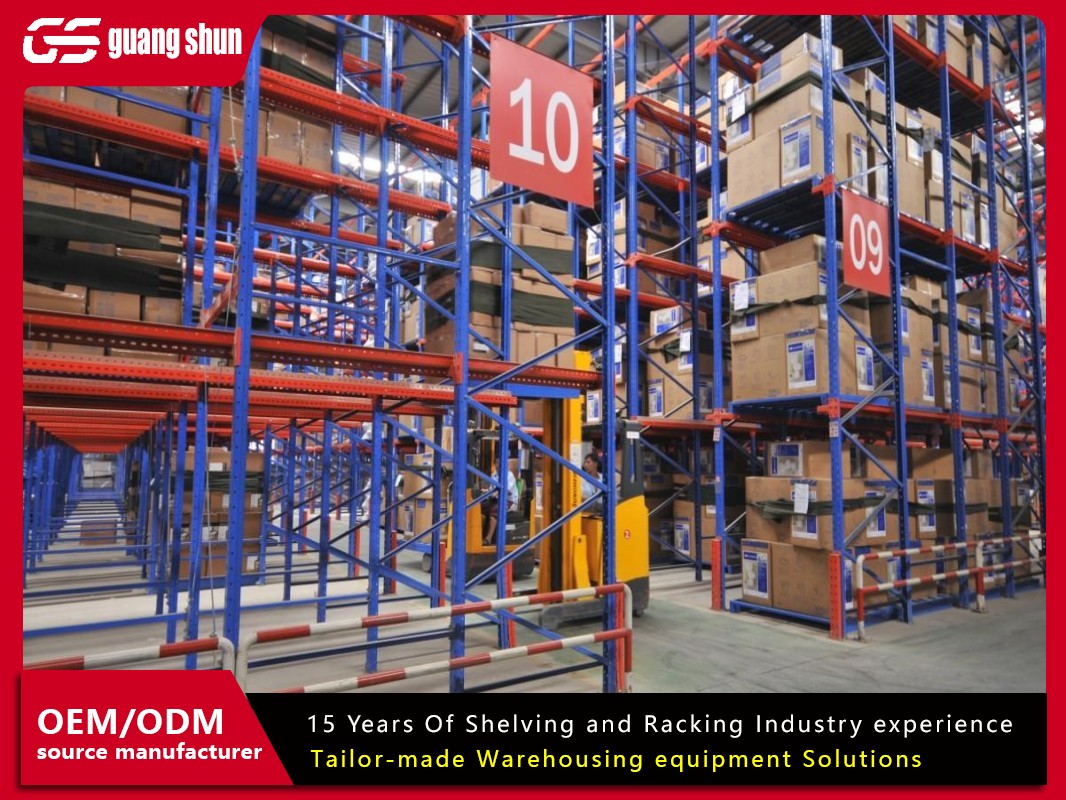
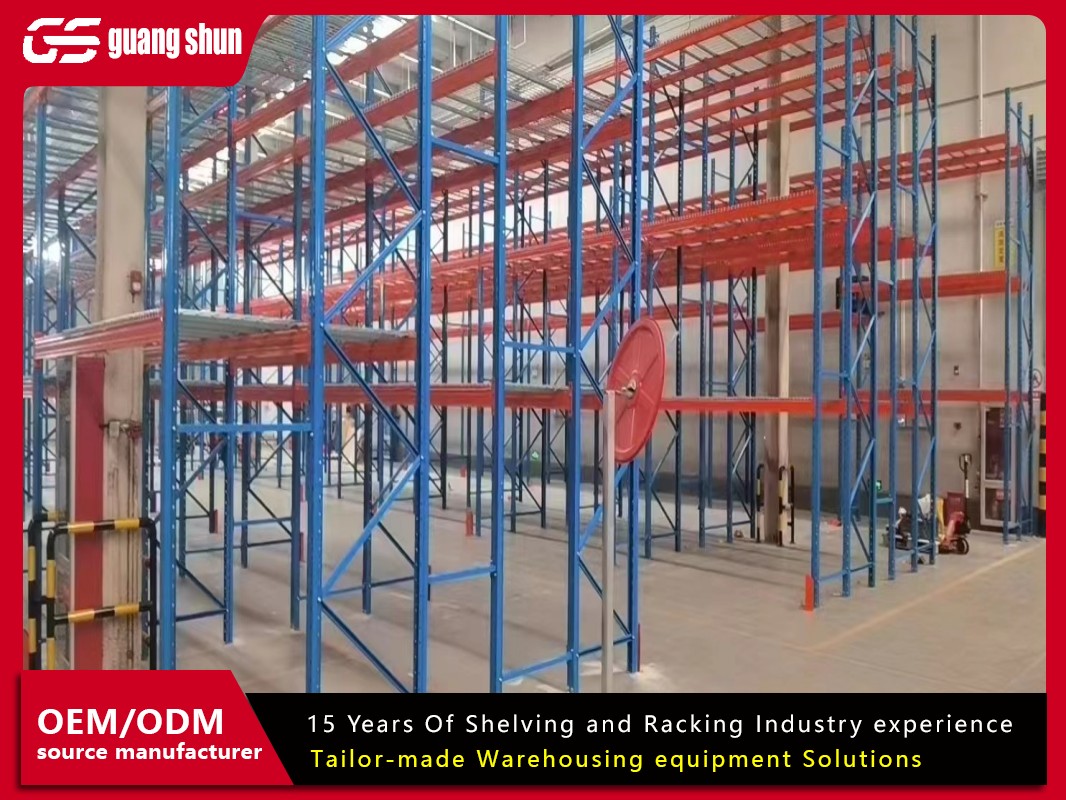
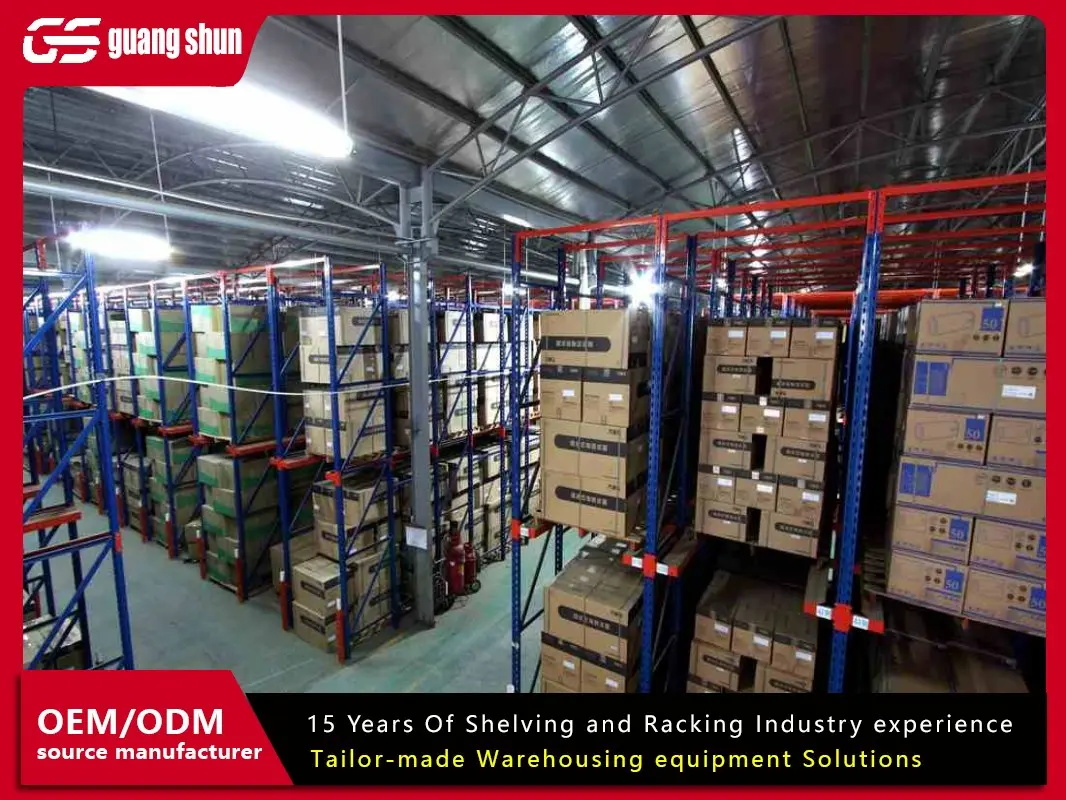
In the world of warehousing and industrial storage, efficiency is everything. Space is a premium asset, and how you utilize every square foot directly impacts your bottom line. For countless businesses storing a diverse range of palletized goods, one storage solution consistently proves its worth: wide aisle adjustable pallet racking.
This system is the reliable, versatile workhorse of the storage industry. It provides direct access to every single pallet, making it ideal for operations with a large variety of SKUs or where inventory turnover is frequent. Its inherent flexibility and strength make it a foundational choice for everything from bulk storage to manufacturing plants.
But what exactly makes wide aisle adjustable pallet racking such a prevalent and effective solution? Let's break down its design, benefits, and ideal applications.
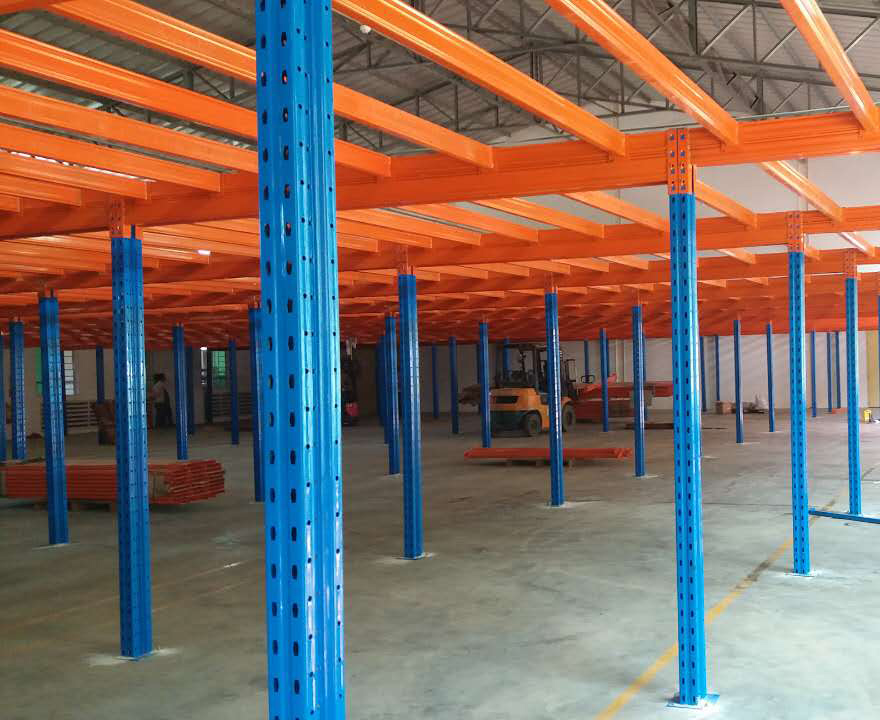
At its heart, wide aisle adjustable pallet racking is a selective storage system. This means each pallet location is directly accessible, unlike drive-in or push-back racks where pallets are stored in depth. The name itself describes its key features:
"Wide Aisle" refers to the spacing between rows of racks. These aisles are typically wide enough to accommodate traditional counterbalance forklifts or reach trucks operating in a straightforward, non-guided path. Aisle width is determined by the turning radius of the material handling equipment used.
"Adjustable" is the critical element of flexibility. The horizontal load beams are secured to the upright frames using safety clips or bolts, and they can be easily repositioned to different heights. This allows you to customize the vertical spacing between shelves to match the exact height of your palletized goods, eliminating wasted vertical space.
"Pallet Racking" confirms its purpose: to safely and securely store unit loads on pallets. The standard configuration includes two upright frames connected by load beams, creating a bay where pallets rest on the beams.
Why has this system remained so popular? The benefits address the core needs of dynamic warehouses.
Unmatched Flexibility and Scalability
The adjustable beam heights are its standout feature. Your inventory profile will change over time. With a wide aisle adjustable system, you can reconfigure your storage layout without purchasing new equipment. Adding new product lines with different pallet heights is simple and cost-effective. The system grows and adapts with your business.
Optimal Space Utilization
By fine-tuning beam levels to your products, you maximize the use of your building's cubic volume. You can store more within the same footprint. The wide aisle layout, while using more floor space for aisles than very narrow aisle (VNA) systems, provides an excellent balance between storage density and accessibility.
Superior Accessibility and Productivity
Every pallet is visible and reachable. This enables true First-In, First-Out (FIFO) inventory management and drastically reduces the time needed for order picking. Forklift operators can work quickly and safely without complex maneuvers, speeding up both put-away and retrieval processes.
Cost-Effectiveness and Reliability
Compared to more complex high-density systems, wide aisle adjustable pallet racking has a lower initial investment. It uses standard, proven components and requires less specialized equipment (standard forklifts suffice). Its simplicity also translates to easier maintenance and long-term durability.
Enhanced Safety
Direct access means less chance of product damage from difficult extractions. Properly configured with the correct beam levels and load capacities, it creates a stable and predictable storage environment. The wide aisles also provide safer operating lanes for forklifts, reducing the risk of collisions with racking.
This system is not a one-size-fits-all, but it fits a vast number of scenarios perfectly. It is the go-to solution for:
Successful implementation requires careful planning. Key considerations include:
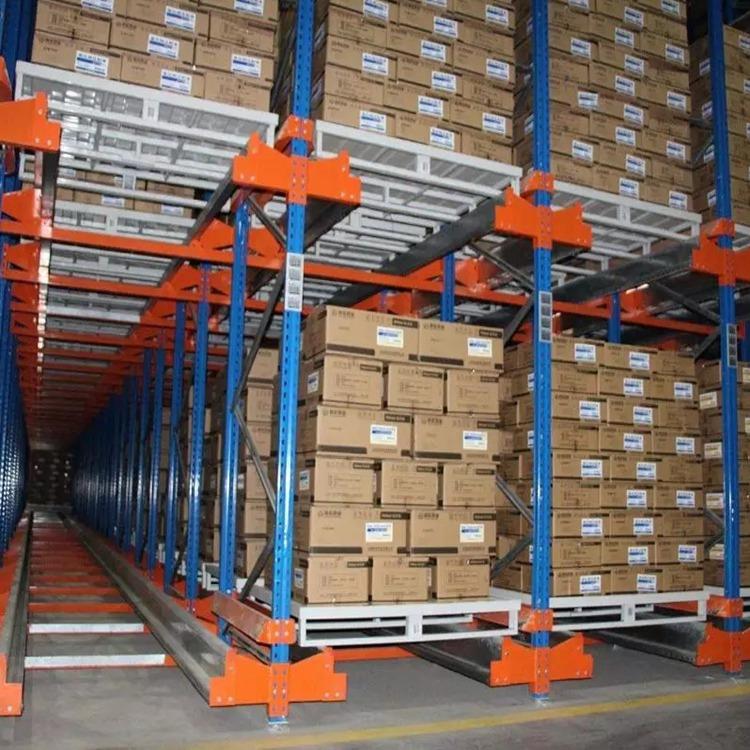
The strength of the system depends on its correct use and care. Always adhere to the rated load capacities for beams and uprights. Use quality pallets in good condition. Ensure beams are properly secured with safety locks. Regular inspections for damage from forklift impacts are essential. Never allow unauthorized modifications. A well-maintained adjustable pallet racking system is a safe and long-lasting asset.
Q1: What is the typical aisle width needed for wide aisle racking?
A1: Aisle width varies based on the forklift used. For a standard counterbalance forklift, aisles are often between 11 to 13 feet. For a reach truck, aisles can be reduced to approximately 8 to 10 feet. Always consult with your equipment dealer and racking supplier for a precise calculation based on your specific models and load sizes.
Q2: How often can I adjust the beam levels on my racking?
A2: The beams on adjustable pallet racking are designed for frequent reconfiguration. As long as the beams and safety clips (or bolts) are in good condition and you follow the manufacturer's installation instructions, you can adjust them as often as your inventory requires. The ease of adjustment is a primary benefit of this system.
Q3: Can wide aisle racking be used for very heavy loads?
A3: Yes, wide aisle adjustable pallet racking systems are available in a wide range of load capacities. From lighter-duty applications to ultra-heavy-duty storage for industrial materials, you can specify upright frames and beams with the appropriate capacity. Always ensure your rack is rated for your heaviest pallet load.
Q4: Is this type of racking suitable for a warehouse with low ceilings?
A4: Absolutely. The flexibility of adjustable beam heights is advantageous in any building, regardless of height. In facilities with lower ceilings, the system allows you to efficiently utilize the available vertical space up to the safe maximum height, ensuring you don't waste any potential storage capacity.
Q5: What are the main cost savings compared to other systems?
A5: The savings with wide aisle adjustable pallet racking come from several areas: lower initial system cost per bay compared to complex automated systems, the ability to use standard and often existing forklifts (avoiding the need for expensive guided VNA trucks), and the long-term savings from being able to adapt the same racking to new inventory without buying new structures. It represents a highly efficient use of capital.
In conclusion, wide aisle adjustable pallet racking remains a dominant force for a simple reason: it offers an unmatched blend of accessibility, flexibility, and cost-efficiency. For operations that value direct selectivity and the need to adapt to changing inventory, it is often the smartest and most reliable foundation for an effective storage strategy.

 Wechat
Whatsapp
Wechat
Whatsapp