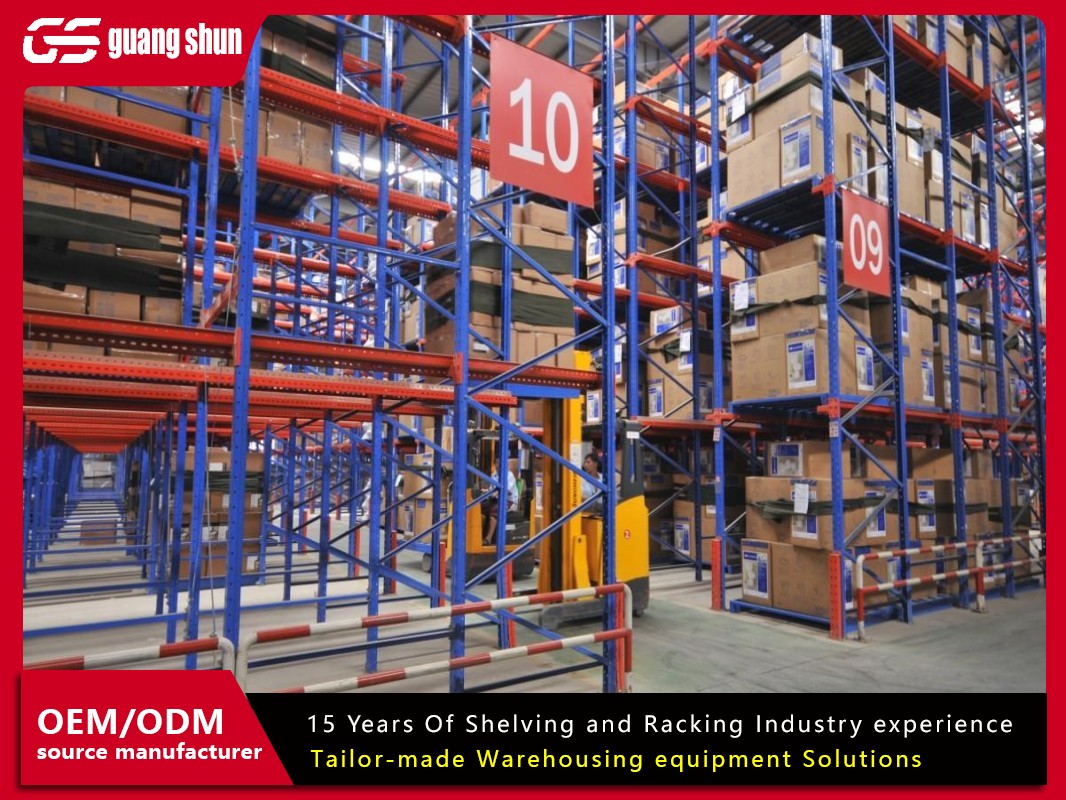
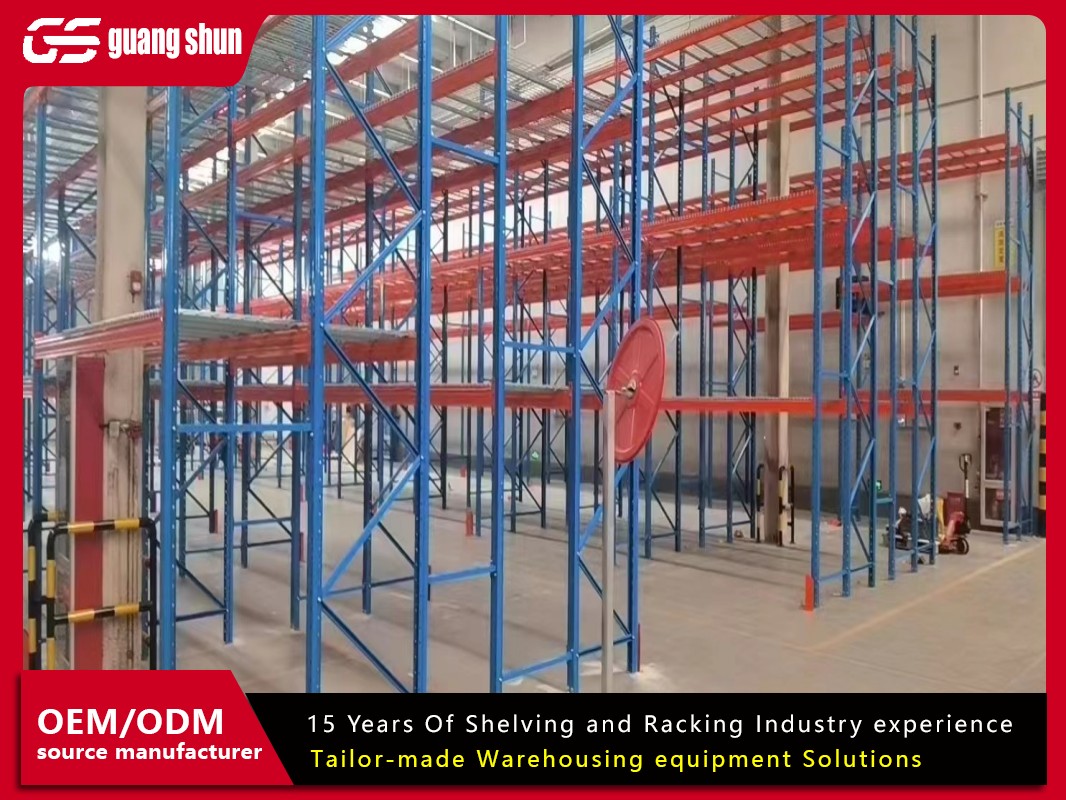
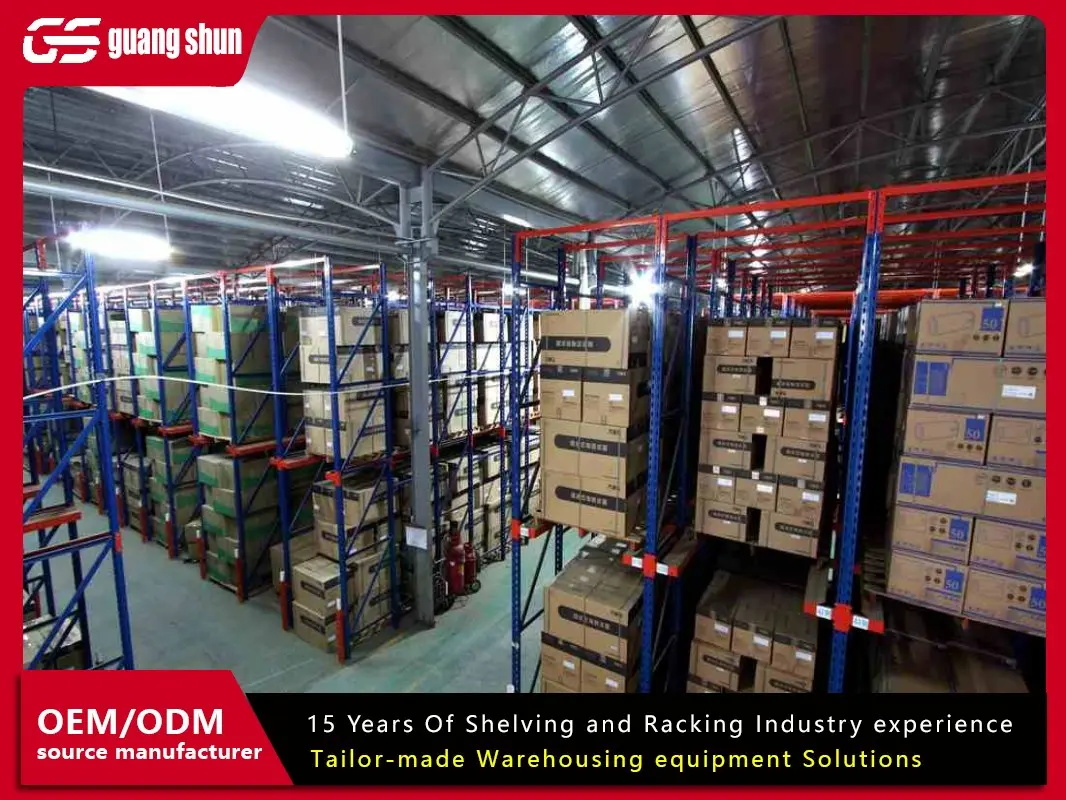
Your storage space is a mess. Bulky boxes, awkward parts, and heavy inventory are eating up your floor space. You need a storage solution that doesn't flinch under heavy loads or waste an inch of space. That's where wide span industrial shelving comes in.
But before you make a purchase, you need the right information. This isn't just about buying shelves; it's about investing in the backbone of your operation. Let's break down what you need to know.
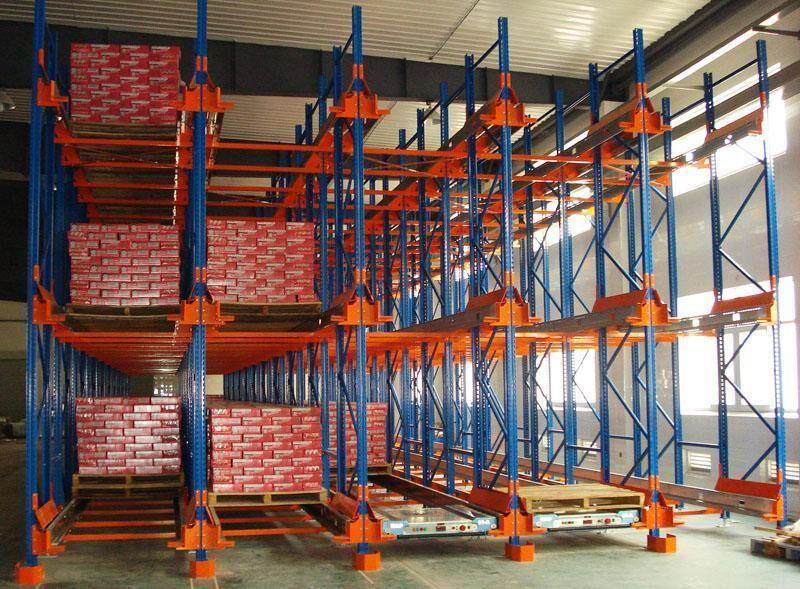
Often called long span or pallet shelving, this is the heavy-hitter of storage systems. The "wide span" refers to the distance between the vertical upright frames. This design creates large, open bays capable of supporting significant weight over a broad area.
Unlike light-duty, bolt-together shelving found in retail stores, wide span shelving is engineered for industry. It's constructed from heavy-gauge steel with a durable finish. The key components are simple but tough: upright frames, box beams or step-beams, and sturdy decking.
Think of it as a middle ground between standard shelving and full pallet racking. It gives you the accessibility of shelves with a load capacity that nears racking systems.
This is the primary reason people choose it. Wide span industrial shelving is built to bear serious weight. Each shelf level can typically support loads ranging from 1,500 to 6,000 pounds or more, depending on the configuration.
The strength comes from the beam design. Heavy-duty beams lock securely into the uprights, creating a rigid, stable platform. This makes it perfect for storing engines, drums of material, packed filing boxes, or bulky retail stock.
You can consolidate heavy items onto a single, organized unit instead of scattering them unsafely across the floor. This directly reduces clutter and hazard risks.
Warehouse space is expensive. Every square foot needs to work hard. A wide span shelving system helps you use your air rights by going tall and wide.
The open design and absence of numerous vertical supports mean you can store large, irregular items that wouldn't fit on standard shelving. You can also adjust the shelf heights with ease. This flexibility allows you to customize the layout for your specific inventory profile.
From small parts bins on one shelf to large machinery on the next, it all fits. This efficient use of vertical and horizontal space can dramatically increase your storage density without needing a bigger building.
What good is stored inventory if you can't find it or reach it? The open structure of industrial wide span racks is a major operational advantage.
Many systems use wire mesh decking. This allows light to pass through from above, illuminating lower shelves. It also enables air circulation, which is crucial for certain stored goods. Most importantly, it improves visibility. You can often see inventory on several levels from a single vantage point.
With wide aisles in front (accommodating carts or pallet jacks), every item is accessible. This speeds up both put-away and picking processes, saving labor time.
An industrial setting is tough on equipment. Dust, moisture, impacts from equipment, and constant use are the norms. Wide span industrial shelving is designed for this life.
The steel is typically coated with a powder-coated or electroplated finish. This protects against rust, chipping, and corrosion. The components are thick and robust, able to withstand the occasional bump from a forklift or hand truck.
This durability translates to a long service life. It’s a capital investment that won't need replacing every few years, providing excellent long-term value.
You'll find wide span industrial shelving in any environment that handles heavy, bulky items.
Don't just order the first system you see online. A little planning ensures you get the right fit.
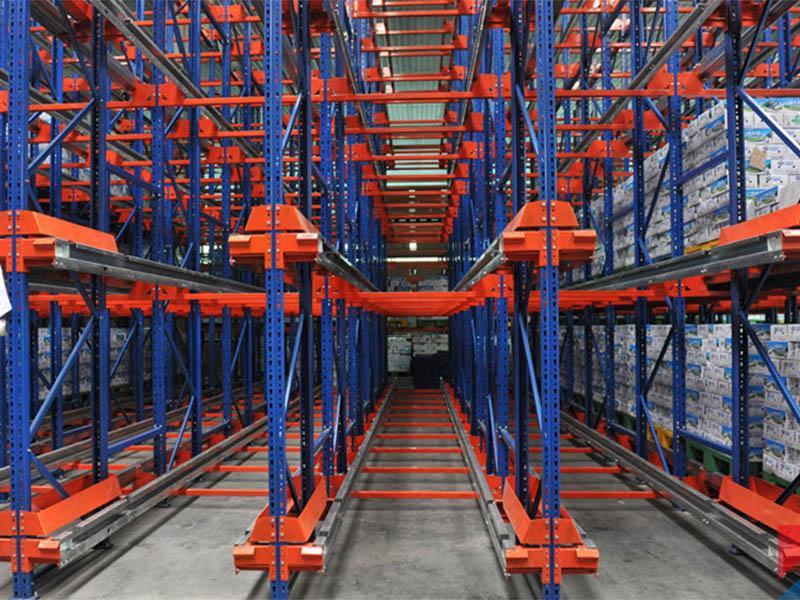
A poorly installed system is a dangerous one. For large installations, professional installers are worth the investment. They ensure everything is plumb, level, and securely anchored.
If installing yourself, follow the manufacturer's instructions to the letter. Use the correct anchors for your concrete floor. Never, ever skip the anchoring step.
Once installed, establish simple rules. Heavier items always go on lower shelves. Loads must be evenly distributed and never exceed the rated capacity. Schedule regular visual inspections for any damage or deflection.
An organized shelf is an efficient one. Use a logical labeling system for every bay and shelf level. Implement bin boxes, dividers, and drawer inserts for small parts on larger shelves. This keeps everything findable and maintains the integrity of your heavy-duty wide span shelving system.
Q1: How is wide span industrial shelving different from pallet racking?
A1: While both are heavy-duty, pallet racking is designed specifically for storing unitized pallet loads using forklifts. Wide span industrial shelving is more like a giant, heavy-duty bookcase. It's accessed from the front, often manually or with carts, and is better suited for individual items, boxes, or bulky goods that aren't on full pallets. The decking is also a key differentiator.
Q2: Can the shelves be adjusted after assembly?
A2: Yes, adjustability is a major feature. The beams can be unlocked and repositioned to different heights on the upright frames relatively easily. This allows you to reconfigure the wide span shelving as your storage needs change over time, without full disassembly.
Q3: What is the typical lifespan of this shelving?
A3: With proper installation, loading, and basic care, a quality wide span industrial shelving system can last for decades. The durable steel construction and corrosion-resistant finishes are made for long-term service in demanding environments. The lifespan often outlasts the business's initial use case.
Q4: Do I need special tools or equipment to assemble it?
A4: Assembly typically requires basic tools: a rubber mallet (for tapping beams into place), a wrench for anchoring bolts, a level, and a tape measure. For larger projects, having a forklift or pallet jack to move the heavy components is very helpful. The assembly process is generally straightforward but can be labor-intensive due to the weight of the parts.
Q5: Is it safe to use wide span shelving in a freezer?
A5: Yes, it is commonly used in cold storage. However, it's crucial to specify this need with your supplier. Some finishes perform better in low-temperature, high-humidity environments. The metal will contract in the cold, but proper engineering accounts for this. Regular inspections for condensation-related issues are advisable.

 Wechat
Whatsapp
Wechat
Whatsapp