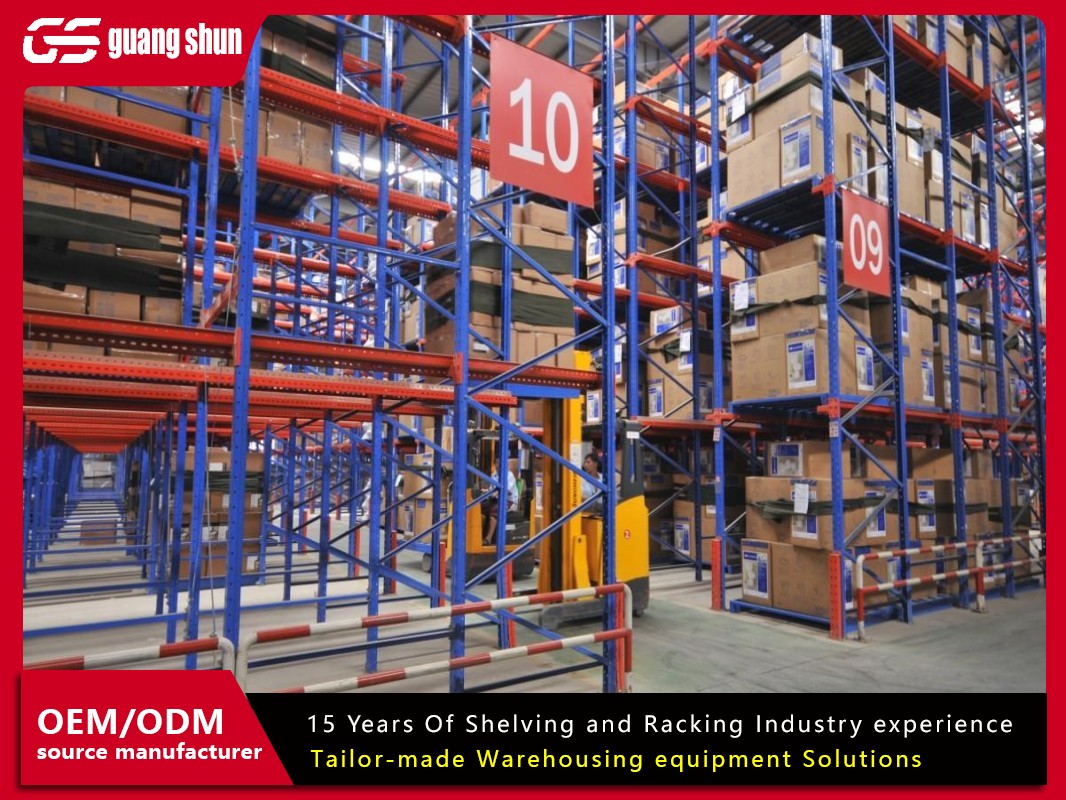
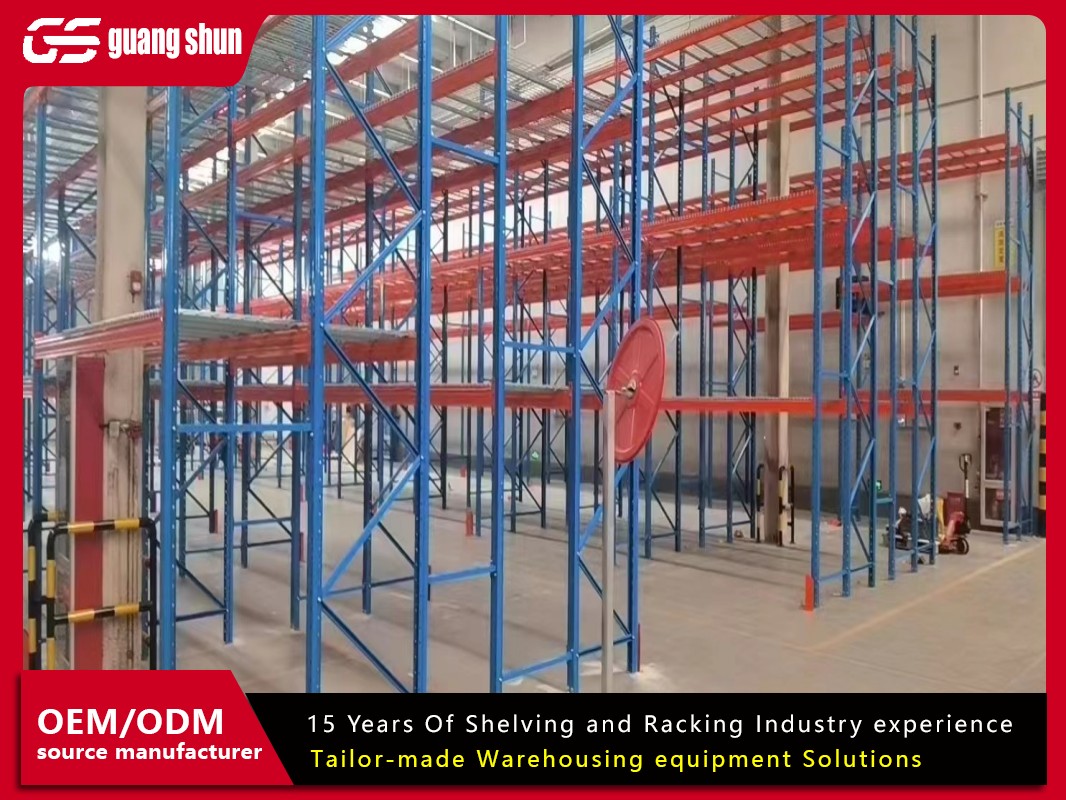
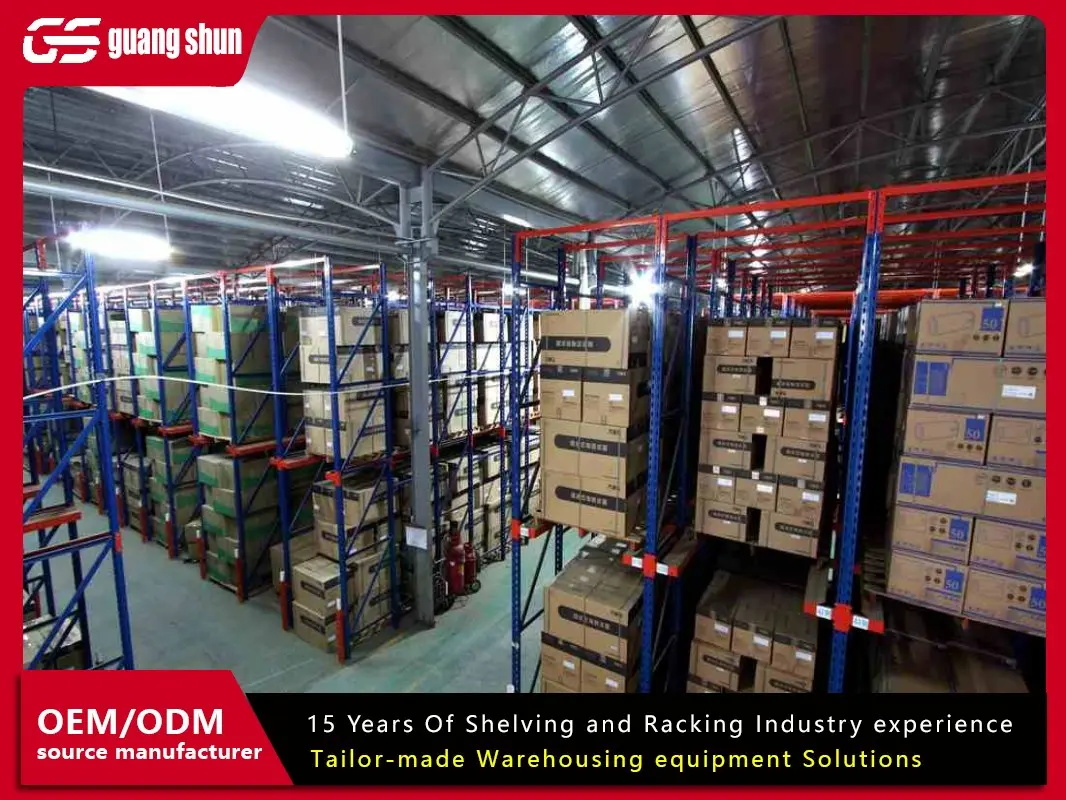
If you're organizing a warehouse, retail stockroom, or any industrial space, you've likely searched for sturdy, flexible storage. The solution you keep finding? Wide span metal shelving. But what makes it so popular?
This post breaks down the key benefits, uses, and buying tips for this essential storage system. We'll look at why it's a top choice for businesses that need reliable, adaptable, and cost-effective organization.
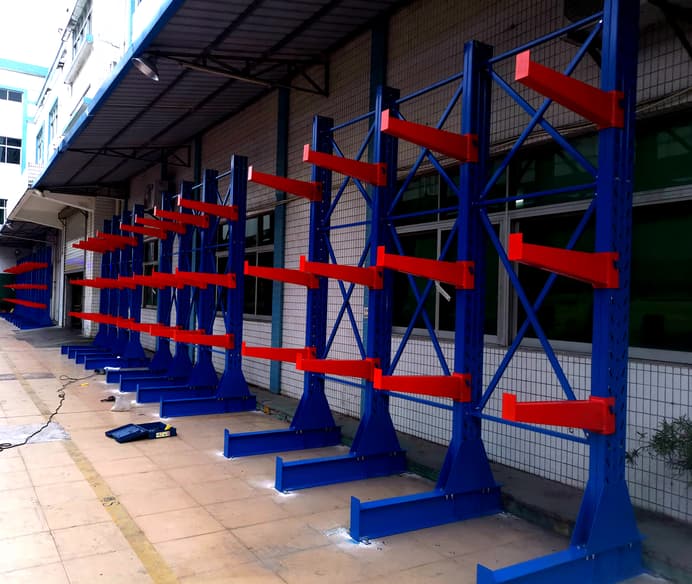
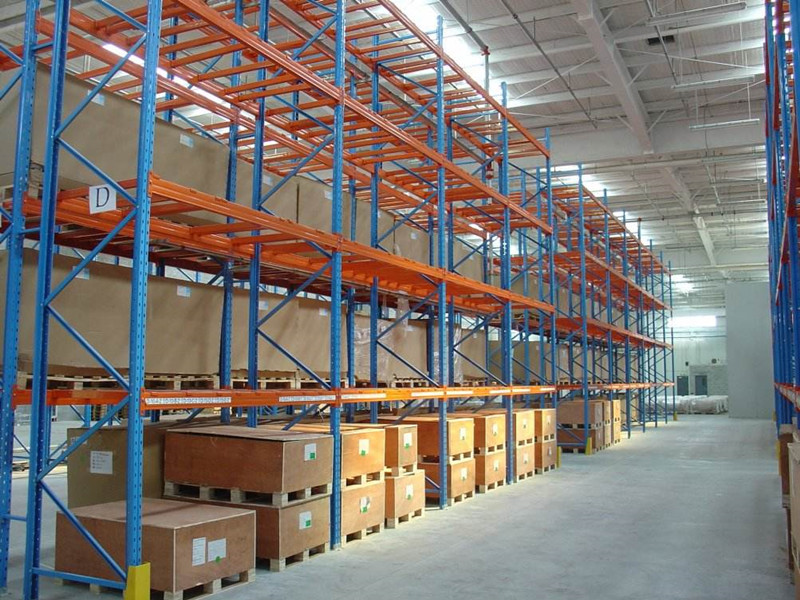
First, let's define it. Wide span shelving, also known as long span or pallet shelving, is a type of heavy-duty storage. It features tall, upright frames with wide-spanning beams that support large, heavy-duty decking.
The "wide span" refers to the distance between the uprights. This design allows for much wider shelves compared to standard boltless shelving. It's built to handle bulkier, heavier items with ease.
The primary components are simple: upright frames, cross beams, and decking (often wire mesh or solid steel). This modularity is a huge part of its appeal.
Why do so many facilities opt for this system? The benefits are clear and impactful.
Exceptional Strength and Load Capacity. The core advantage is its incredible strength. Built from heavy-gauge steel, wide span metal shelving is engineered for serious weight. Each level can often support thousands of pounds.
This makes it perfect for storing industrial parts, bulky supplies, or packed boxes. You can load it up without worrying about sagging or collapse.
Maximized Storage Space and Accessibility. The open design and wide bays eliminate wasted space. You can store large, irregularly shaped items that wouldn't fit on standard shelves.
Furthermore, the open wire mesh decking improves air circulation and light penetration. This allows for better inventory visibility. You can see what's on every shelf from multiple angles.
Superior Flexibility and Customization. This is not a one-size-fits-all system. You can easily adjust beam heights to accommodate items of various sizes. Need a 24-inch shelf for bins and a 48-inch shelf for drums? It's a simple change.
The modular nature means you can start with a single bay and expand into a massive, continuous system. You configure it for your needs today and reconfigure it tomorrow.
Durability for the Long Haul. Made from high-quality steel, often with a durable powder-coated finish, wide span metal racking is built to last. It resists rust, scratches, and damage from impact.
It stands up to the harsh conditions of warehouses—dust, moisture, and constant use. This longevity provides an excellent return on investment.
Cost-Effectiveness Over Time. While the initial investment might be higher than light-duty options, the value is undeniable. Its durability means you won't be replacing it every few years.
The efficiency gains—faster stocking, easier picking, better space use—directly save labor time and operational costs. It pays for itself by making your workflow smoother.
Where do you typically find this type of shelving in action? Its versatility suits many fields.
In warehousing and distribution centers, it's the backbone for storing bulk goods before shipment. The ability to hold palletized loads or heavy boxes is crucial.
Retail stockrooms rely on it for holding overstock, seasonal items, and large product shipments. The accessibility helps staff quickly restock store shelves.
Manufacturing and industrial plants use it for raw materials, work-in-progress items, and finished goods. Its strength handles heavy metal parts, machinery components, and industrial supplies.
Even archives, libraries, and cold storage facilities find it useful. The open design is ideal for document boxes, while its sturdy construction works well in chilly environments.
Choosing the correct system requires some planning. Don't just buy the first one you see.
First, assess your load requirements. What is the maximum weight you'll place on each shelf? Always choose a system with a load rating higher than your heaviest expected load. Factor in the weight of the decking itself.
Next, consider dimensions and layout. Measure your available floor space and ceiling height accurately. Plan the shelf dimensions (length, width, depth) to fit your items without wasting space. Remember to leave ample aisle space for safe movement and equipment like pallet jacks.
Decide on decking type. Wire grid decking is common—it’s lightweight, allows for air and light flow, and prevents dust accumulation. Solid steel decking is better for very small items or for a cleaner appearance. Particle board decking over beams is a lower-cost option for lighter, dry goods.
Think about safety and accessories. Always ensure your wide span shelving is properly anchored to the floor to prevent tipping. Consider adding end braces, row spacers, and safety locks for beams. For better organization, accessories like dividers, label holders, and bin boxes are invaluable.
Proper setup and care will ensure your shelving performs safely for decades.
If possible, professional installation is recommended for large or complex systems. They ensure perfect alignment and secure anchoring. For DIY, follow the manufacturer's instructions meticulously. Use a level, and never skip the step of bolting it to the floor.
Regular inspection and maintenance are simple but critical. Schedule periodic checks for any signs of damage, such as bent beams or loose connections. Immediately replace any damaged component.
Keep the load distribution even. Never exceed the stated weight capacity. Place heavier items on lower shelves to maintain a low center of gravity and improve stability.
Keeping Your Shelving Organized
A great system is only as good as its organization. Implement a logical labeling system for every shelf and section. Use clear, large-print labels.
Group similar items together. Place high-turnover items at waist level for easy access. Regularly audit and declutter to maintain efficiency and safety.
Q1: What is the typical weight capacity for wide span metal shelving?
A1: Weight capacity varies significantly by model and beam configuration. Light-duty systems may hold 1,000-2,000 lbs per level, while heavy-duty industrial wide span shelving can often support 4,000 lbs, 6,000 lbs, or even more per shelf. Always check the manufacturer's specific load rating for the exact beam and upright combination you are using.
Q2: Can wide span shelving be disassembled and reconfigured easily?
A2: Yes, one of its main advantages is reconfigurability. The beams can be unlocked and moved to different heights on the upright frames without full disassembly. To expand or reduce the overall footprint, sections can be taken apart and rebuilt. It's a modular, adaptable system.
Q3: What is the difference between wide span and boltless shelving?
A3: Boltless shelving (or clip shelving) uses a series of small clips to attach shelves to uprights, is typically lighter-duty, and has narrower shelves. Wide span metal shelving uses heavier steel and positive-locking beams that hook into deep slots on uprights, allowing for much wider spans and far greater weight capacity.
Q4: Is it necessary to anchor the shelving to the floor?
A4: Absolutely. For safety, especially for tall units or those carrying heavy loads, anchoring wide span racking to a concrete floor is non-negotiable. This prevents tipping, which is a major safety hazard. It is a standard and crucial part of proper installation.
Q5: What kind of items should NOT be stored on wide span shelving?
A5: Avoid storing hazardous materials that could corrode the metal unless the shelving has a specific chemical-resistant coating. Also, while it's strong, it's not designed for constantly moving, dynamic loads (use pallet racking for frequent forklift work). Most importantly, never store items that exceed the rated shelf capacity, as this is extremely dangerous.

 Wechat
Whatsapp
Wechat
Whatsapp