Every industrial facility, from manufacturing plants to offshore rigs, relies on robust frameworks to maximize space and operational efficiency. At the heart of many of these solutions is the platform steel structure.
This versatile construction system provides essential elevated spaces for equipment, storage, walkways, and maintenance access. Understanding its core aspects is crucial for any successful industrial project.
This article delves into the critical design and implementation factors that define a high-quality, long-lasting platform steel structure.
The foundation of any safe platform steel structure lies in its design. It begins with a meticulous analysis of intended use and load requirements.
Engineers must calculate both static (dead) loads and dynamic (live) loads. Dead loads include the permanent weight of the steel, decking, and permanently mounted equipment. Live loads account for personnel, moving materials, tools, and potential impact forces.
Furthermore, environmental loads like wind, seismic activity, and snow (for outdoor structures) are factored in. The design must ensure the steel platform has adequate strength, stiffness, and stability under all combined loading scenarios.
Local building codes and international standards, such as those from OSHA or AISC, provide mandatory guidelines. Adherence ensures the steel structure platform meets all safety and performance benchmarks.
The performance of a platform steel structure is directly tied to the quality of its materials and fabrication. Most industrial platforms use structural carbon steel, like ASTM A36, for its excellent strength-to-cost ratio.
For corrosive environments—common in chemical plants or coastal areas—galvanized steel or stainless-steel alloys may be specified. The choice impacts longevity and maintenance cycles.
Fabrication precision is non-negotiable. All steel members are cut, drilled, and welded according to detailed shop drawings. High-quality welding ensures integral connections, while proper surface preparation and painting (or galvanizing) protect against corrosion.
A well-fabricated steel platform ensures ease of assembly on-site, structural integrity, and a professional finish.
Platform steel structures are not one-size-fits-all. They are categorized by their design and support method, each serving distinct purposes.
Independent Mezzanine Platforms: These are free-standing structures within a building, creating a second or third level for offices, storage, or production. They are supported by their own columns and are independent of the building walls.
Structural Steel Platforms: This is a broad category often referring to custom, heavy-duty platforms supporting large equipment, conveyor systems, or major piping runs. They are engineered for specific, often significant, loads.
Pipe Rack and Access Platforms: Common in oil & gas and power generation, these steel structure platforms provide walking and working surfaces around pipe racks for inspection and valve operation.
Stair Towers and Access Systems: An integral part of any elevated platform steel structure, these provide safe, code-compliant access with landings, guardrails, and non-slip treads.
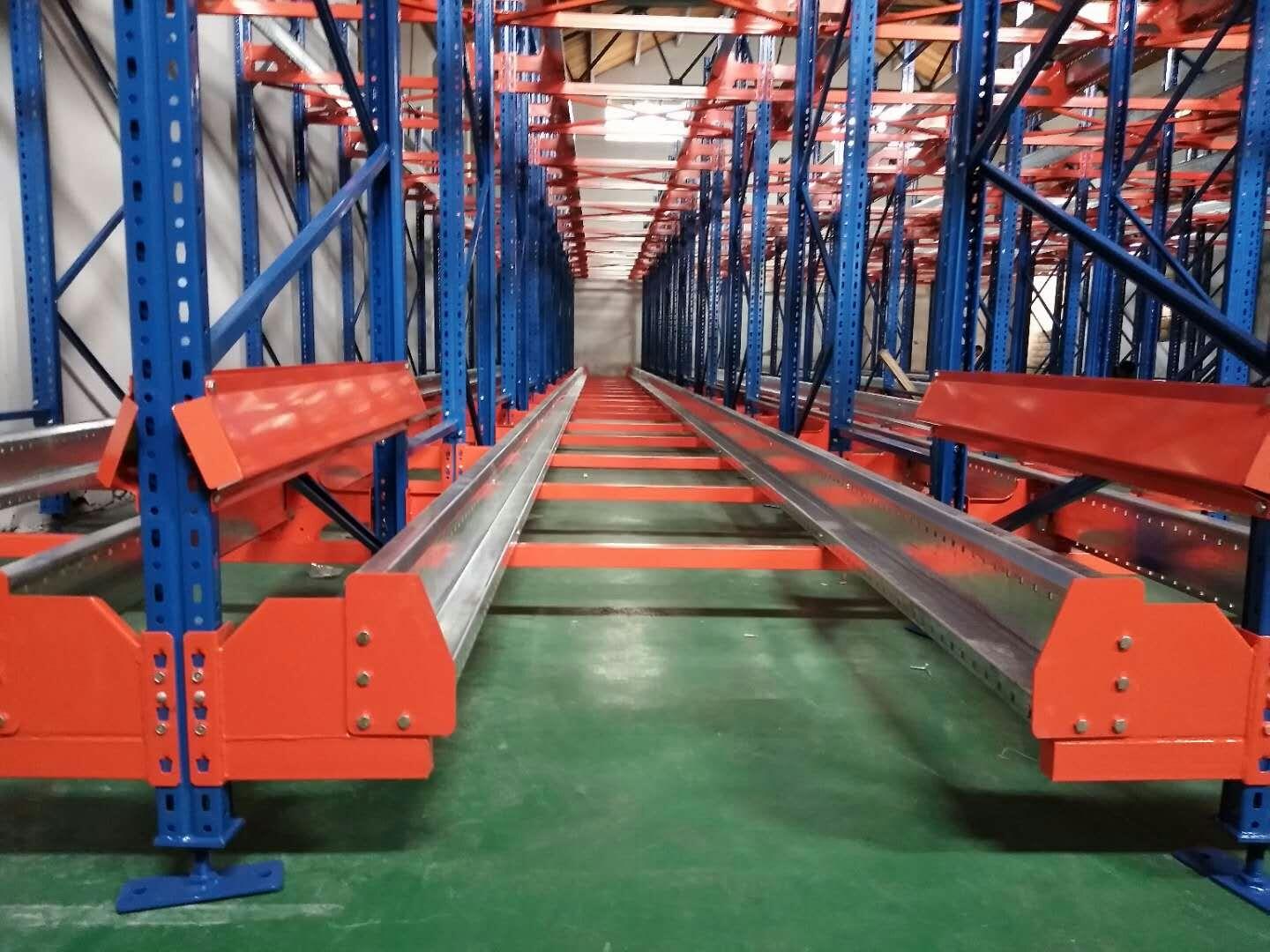
The decking material forms the working surface of the steel platform. Options include:
Safety is paramount. A complete platform steel structure integrates guardrails (with top rail, mid-rail, and toe-kick), stair handrails, and safety gates. Toe boards prevent tools from falling. Adequate lighting and clear signage further enhance a safe working environment.
Proper decking and safety integration transform a bare steel frame into a functional and compliant workspace.
Modern platform steel structures are often designed for bolted connections, enabling faster, cleaner, and more adjustable on-site installation compared to field welding. Professional erection is key to ensuring alignment and stability.
Maintenance is straightforward but essential. Regular inspections should check for corrosion, loose connections, damaged decking, or compromised safety rails. A simple regimen of cleaning and touch-up painting can vastly extend the service life.
The long-term value proposition of a steel structure platform is significant. It offers durability, adaptability (ease of modification or expansion), and excellent return on investment through optimized space utilization and improved operational workflow.
Q1: What are the most common applications for a platform steel structure?
A1: Industrial platform steel structures are incredibly versatile. Common uses include creating mezzanine floors for storage or offices, supporting heavy machinery and HVAC systems, providing walkways and access catwalks (pipe racks, equipment platforms), and forming work platforms in assembly or maintenance areas.
Q2: What are the main advantages of steel for industrial platforms versus other materials?
A2: Steel offers superior strength-to-weight ratio, allowing for large spans with less material. It is highly durable, non-combustible, and predictable in its engineering properties. Steel platforms are also prefabricated for quality control and faster installation, and are easily modified or expanded as needs change.
Q3: Can a platform steel structure be customized?
A3: Absolutely. Customization is a key benefit. Engineers design the steel structure platform to exact dimensions, load requirements, and functional needs. This includes specific heights, column locations to avoid equipment, integrated staircases, special cut-outs, and choices of decking and finishes.
Q4: How often does a steel platform need maintenance?
A4: For interior environments, an annual visual inspection is typically sufficient. For exterior or corrosive environments, inspections should be semi-annual. Maintenance mainly involves addressing any corrosion spots with touch-up paint, checking bolt tightness, and ensuring all safety components (guardrails, grating) are secure and undamaged.
Q5: What safety standards govern the design of these platforms?
A5: Design and safety are governed by a combination of standards. These often include the Occupational Safety and Health Administration (OSHA) regulations (e.g., for guardrail height and load), the American Institute of Steel Construction (AISC) design manuals, and relevant local building codes. Always work with a professional engineer who is well-versed in these requirements.

 Wechat
Whatsapp
Wechat
Whatsapp