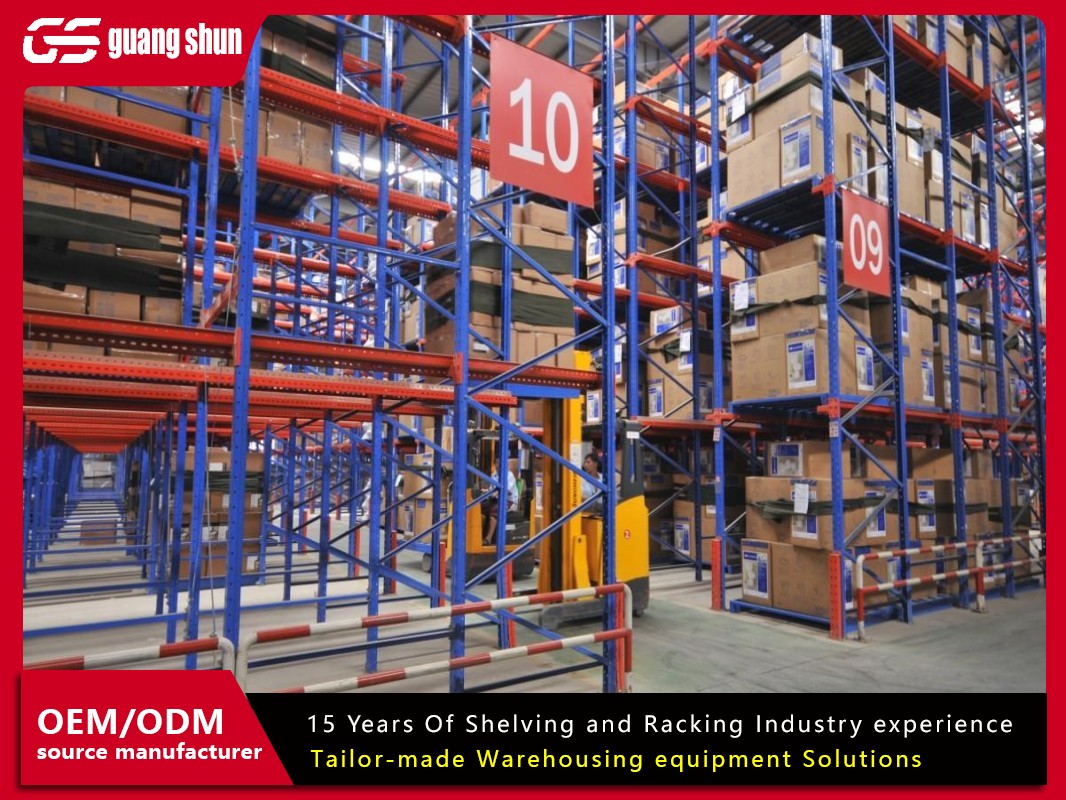
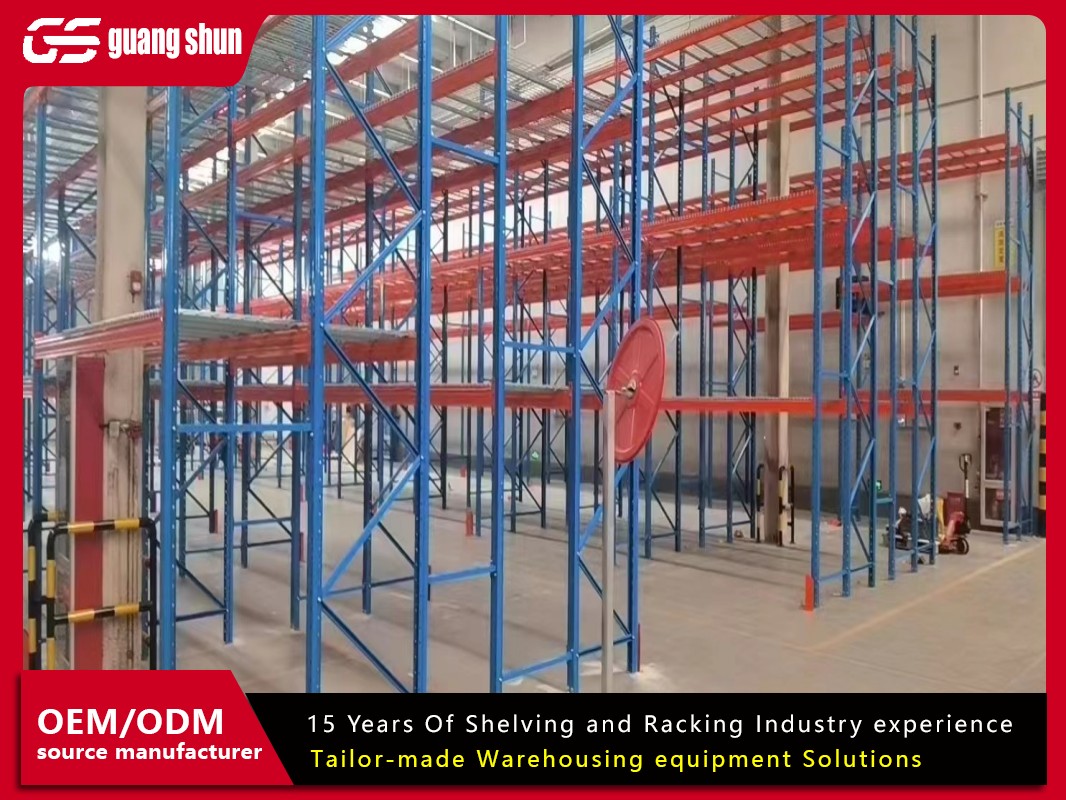
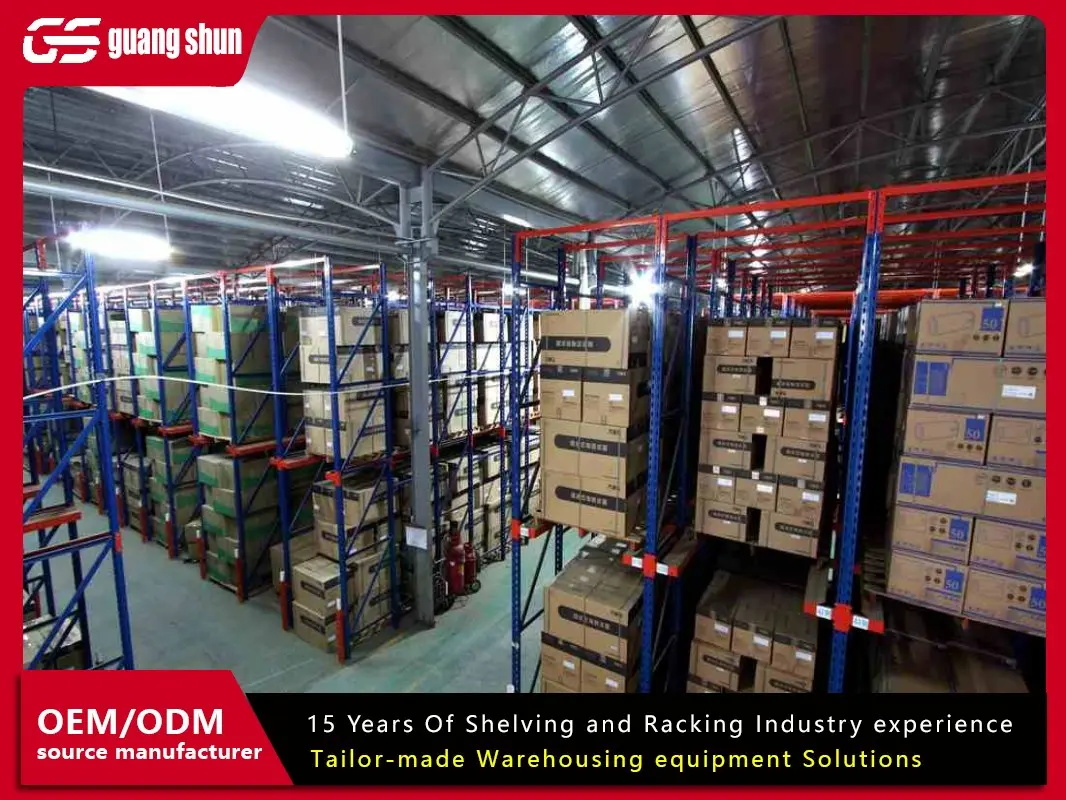
Walk into any modern warehouse or distribution center, and you’ll see a towering, orderly maze of metal. This is the world of racks logistics, the silent backbone of global supply chains. It’s far more than just shelving.
In simple terms, racks logistics refers to the strategic planning, implementation, and management of warehouse storage racking systems. It encompasses everything from selecting the right type of rack to its layout, loading, and integration with material handling equipment.
Efficient racks logistics directly translates to space savings, faster order fulfillment, reduced product damage, and improved worker safety. It’s a critical investment that defines warehouse productivity.
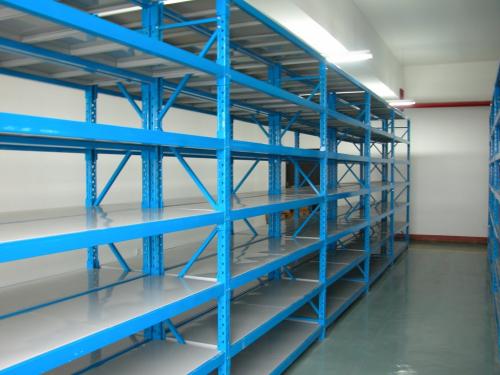
Why are these systems so indispensable? Their primary functions address the fundamental challenges of warehouse management.
First, they Maximize Vertical Space. Warehouses grow upward, not outward. By safely stacking inventory vertically, racking systems dramatically increase storage density. This turns expensive cubic air into valuable, usable storage space.
Second, they Organize for Efficiency. A well-planned racking layout creates a logical flow for inventory. It allows for systematic storage and retrieval, which is the heart of warehouse operations. This organization minimizes travel time for workers and machines.
Third, they Enable Inventory Control. Modern racks logistics often integrates with warehouse management systems (WMS). Each pallet location within the racking becomes a trackable address. This enables precise inventory accuracy and supports methods like FIFO (First-In, First-Out).
Finally, they Protect Goods and Personnel. Properly designed and installed racks secure heavy loads safely overhead. They prevent collapses and damage. Combined with clear aisles and safety protocols, they create a safer working environment.
Not all storage needs are the same. Different products and turnover rates call for different racking solutions. Here are the most prevalent types in industrial logistics.
Selective Pallet Racking is the most common system. It offers direct access to every single pallet location, making it highly flexible. It’s ideal for warehouses with a wide variety of SKUs. This is the workhorse of pallet racking.
Drive-In/Drive-Through Racking is designed for high-density storage of homogeneous products. Forklifts drive directly into the rack structure to place or retrieve pallets. It’s perfect for cold storage or bulk items with low SKU counts, maximizing space but reducing selective access.
Push Back Racking offers a balance of density and selectivity. Pallets are stored on nested carts on inclined rails. When a new pallet is loaded, it pushes the previous ones back. Retrieval works in reverse order (LIFO). It provides better selectivity than drive-in while still offering good density.
Pallet Flow Racking uses gravity. Loaded pallets are placed at the high end of a slightly inclined rail system. They glide slowly to the pick face at the other end. This is an excellent warehouse racking solution for strict FIFO inventory, like perishable goods or items with expiration dates.
Cantilever Racking is specialized for long, bulky items. It features sturdy vertical columns with horizontal arms protruding outwards. This design is ideal for storing pipes, lumber, furniture, or rolls of material, keeping them organized and accessible.
Choosing a system isn't about picking the one with the highest density. It requires a careful analysis of your specific operation.
Inventory Characteristics come first. What are the dimensions and weight of your pallets or goods? How many SKUs do you have? What is the turnover rate for each product type (fast, medium, slow)? The answers guide the rack type selection.
Facility and Equipment Constraints are physical limits. What is your clear ceiling height? What are the floor load capacities? What type of forklifts or narrow-aisle equipment will you use? The aisle width required by your equipment directly determines the potential storage density of your racking layout.
Throughput and Accessibility Needs define speed. How many loads are moved in and out per shift? Do you need immediate access to every pallet (selective), or can you operate on a lane basis (drive-in)? High-throughput operations often prioritize accessibility over maximum density.
Future Scalability and Flexibility is crucial. Is your product mix or business volume expected to change? Modular racking systems that can be reconfigured offer long-term value. Your racks logistics plan should accommodate future growth without requiring a complete overhaul.

Today’s racks logistics is increasingly smart. It integrates seamlessly with technology to drive accuracy and speed.
Warehouse Management System (WMS) Integration is standard. The WMS assigns put-away and picking locations within the racking grid. This optimizes space utilization and travel paths. It turns physical racks into a digital map of your inventory.
Automated Storage and Retrieval Systems (AS/RS) take this further. These systems use robotic cranes, shuttles, or carousels to automatically store and retrieve loads from very high-density rack structures. This represents the pinnacle of automated racks logistics, minimizing labor and maximizing speed and accuracy.
Voice and Pick-to-Light Systems guide workers within the racking aisles. These systems increase picking accuracy and speed by directing operators to the exact location and confirming the task, reducing errors in complex racking layouts.
A racking system is a capital asset that must be maintained. Safety is paramount in all warehouse operations.
Regular Professional Inspections are mandatory. A certified rack inspector should assess the entire system at least annually. They look for damage from impacts, column alignment, load beam connector integrity, and proper anchoring.
Daily Visual Checks by staff are the first line of defense. Forklift operators and floor supervisors should be trained to identify and report visible damage—like dents, bends, or missing safety locks—immediately. Damaged components must be quarantined and replaced.
Adherence to Load Notices is critical. Every rack configuration has a specific load capacity set by the engineer. Never exceed the posted maximum weight per level or bay. Overloading is a leading cause of catastrophic rack failures.
Clear Safety Protocols must be enforced. This includes using pallets that are in good condition, ensuring loads are stable and centered, and never climbing on the rack structure itself. Proper racks logistics planning includes ongoing safety training for all personnel.
The field continues to evolve, driven by e-commerce demands and technological advancement.
Increased Density with Robotics is a clear trend. Automated mobile robots (AMRs) and compact AS/RS shuttles allow for narrower aisles and taller racks than human-operated equipment. This pushes the limits of storage density.
Data-Driven Optimization is growing. Sensors on racks and analytics from WMS data are used to continuously optimize slotting. Fast-moving items are repositioned dynamically to minimize travel time, making the racking system adapt in real-time.
Sustainable and Adaptive Designs are gaining importance. The use of recycled steel and designs that allow for easy reconfiguration and relocation support sustainability goals. The future of racks logistics is not only smart but also circular and adaptable.
Q1: What is the most cost-effective type of racking for a new warehouse?
A1: Selective pallet racking is often the most versatile and cost-effective starting point for a general warehouse. Its flexibility to handle various SKUs and its relatively straightforward installation keep initial costs manageable. However, true cost-effectiveness is measured over time; a high-throughput operation might save more with a denser system like push-back racking, despite a higher upfront cost.
Q2: How often should warehouse racking be professionally inspected?
A2: A formal inspection by a qualified rack inspector should be conducted at least once per year. Additionally, an inspection should be performed after any significant event, such as a forklift impact, seismic activity, or if the racking is reconfigured. Daily visual checks by trained staff are also essential.
Q3: Can different types of racking systems be mixed in one warehouse?
A3: Absolutely. This is a core principle of effective racks logistics. Most warehouses use a mix. For example, fast-moving items might be in selective racking at the pick face, bulk storage of slow-moving goods could be in drive-in racking, and long products might be on cantilever racks. This hybrid approach optimizes both space and accessibility.
Q4: What is the biggest safety risk with warehouse racking?
A4: Forklift impact is the most common cause of damage and a major safety risk. A single hit can compromise the structural integrity of a upright frame. This is why column guards, aisle discipline, and operator training are critical. The second major risk is overloading racks beyond their rated capacity, which can lead to sudden collapse.
Q5: How does racking integrate with a Warehouse Management System (WMS)?
A5: The WMS treats each pallet location in the racking as a unique address (e.g., Aisle 10, Rack 5, Level 3). It directs put-away by assigning an empty location based on product type and turnover. For picking, it generates a route that sequences tasks to minimize travel. This integration is what transforms static racks into a dynamic, intelligent component of racks logistics.

 Wechat
Whatsapp
Wechat
Whatsapp