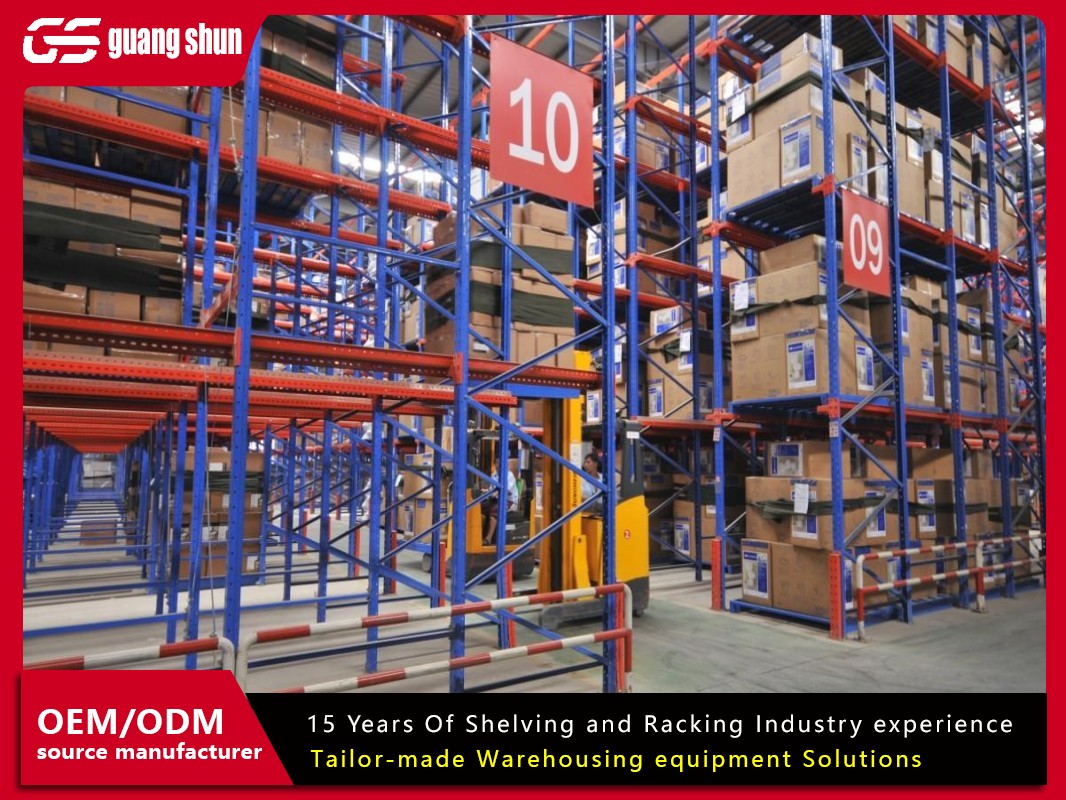
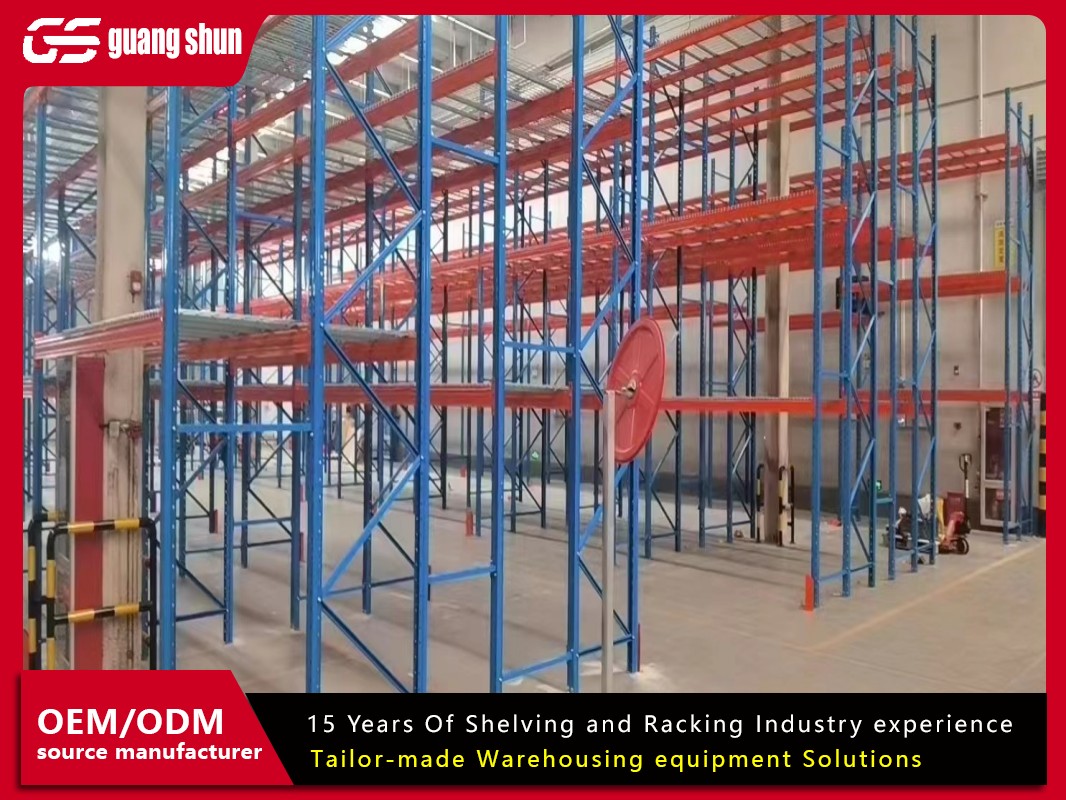
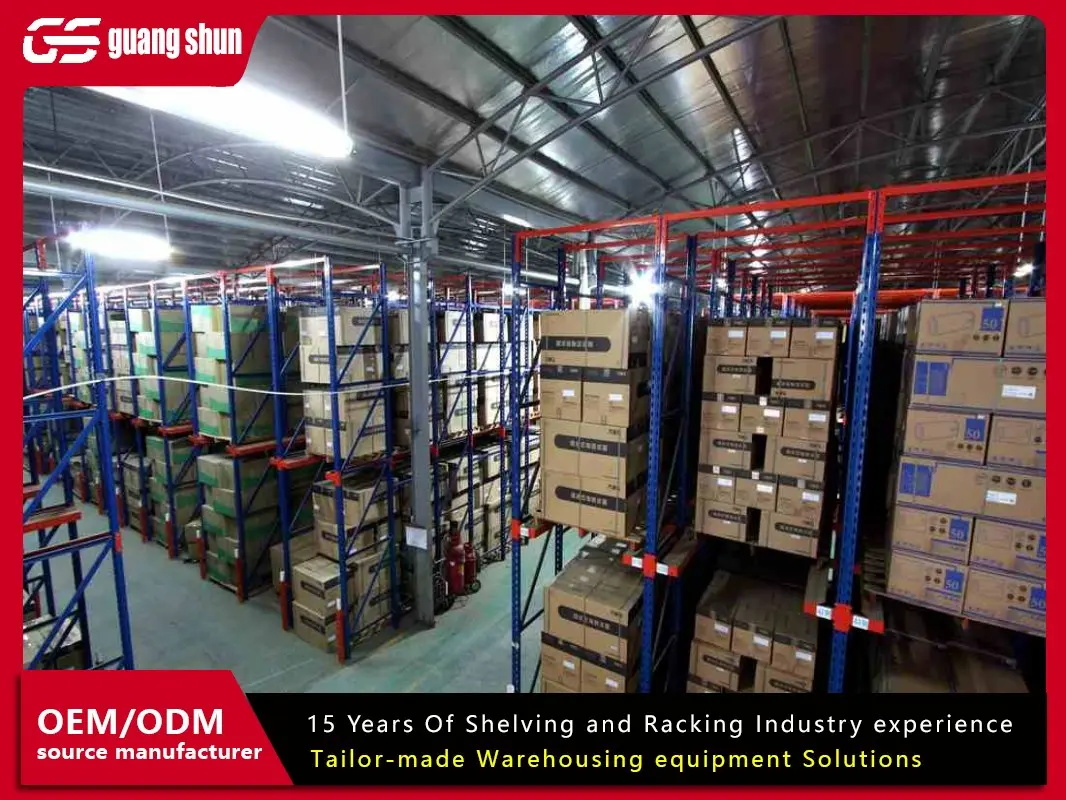
Walk through any factory, power plant, offshore rig, or public utility space, and you'll likely be standing on or beneath a critical yet often overlooked component: the steel deck platform system. More than just a walking surface, these systems form the essential secondary floors, walkways, and access structures that keep facilities safe, organized, and operational.
A steel deck platform system is a modular, engineered structure typically constructed from steel gratings or plates, supported by a framework of beams and columns. It is designed to create elevated work areas, mezzanines, catwalks, and equipment platforms. Its primary role is to provide safe access, maximize vertical space, and support significant loads in demanding environments.
Choosing the right platform system is not a minor detail. It directly impacts worker safety, workflow efficiency, maintenance costs, and the long-term durability of your facility's infrastructure.
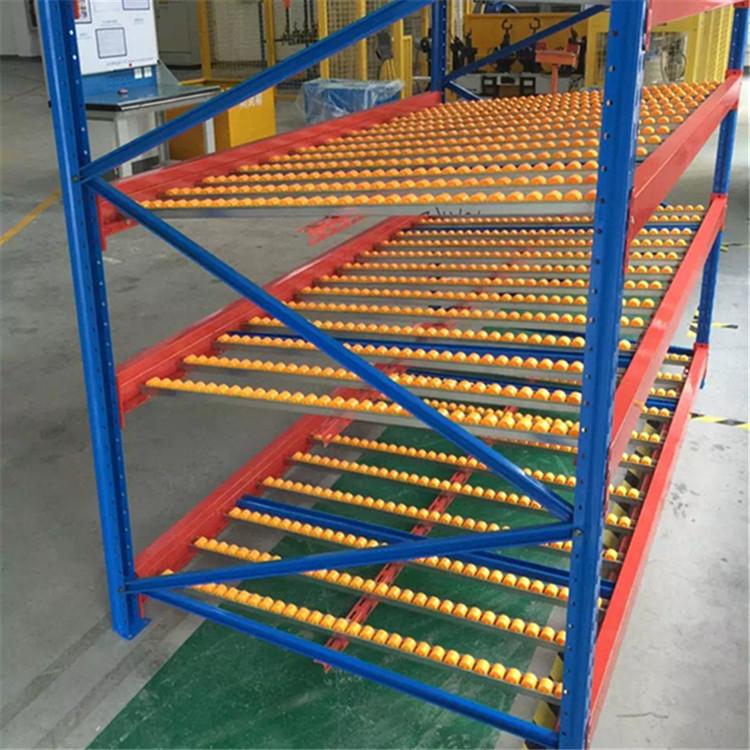
Why do engineers and facility managers consistently turn to steel deck platforms? The answer lies in a combination of inherent material benefits and smart design.
Strength and Load Capacity are paramount. These systems are engineered to support heavy equipment, concentrated loads from machinery, and dynamic loads from personnel and moving materials. The load capacity of a steel grating platform can be precisely calculated and specified to meet exact project demands, ensuring safety under the most strenuous conditions.
Durability and Long Service Life set steel apart. A properly specified and installed steel deck platform resists impact, abrasion, and fatigue. It does not warp, rot, or splinter like alternative materials. This translates to decades of reliable service with minimal degradation, offering a superior lifetime value.
Safety and Slip Resistance are engineered into the product. Most steel grating surfaces feature a serrated or raised pattern that provides excellent slip resistance, even in wet or oily conditions. Furthermore, the open mesh design of many gratings allows for the passage of light, air, water, and debris, preventing accumulation and reducing fire hazards.
Finally, the Versatility and Customization potential is vast. Steel deck systems are not one-size-fits-all. They can be customized in terms of dimensions, panel size, bearing bar pitch, and finish to suit virtually any layout or functional requirement, from a simple footbridge to a complex multi-tiered industrial platform.
The utility of steel deck platform systems spans across nearly every heavy industry. Their adaptability makes them indispensable.
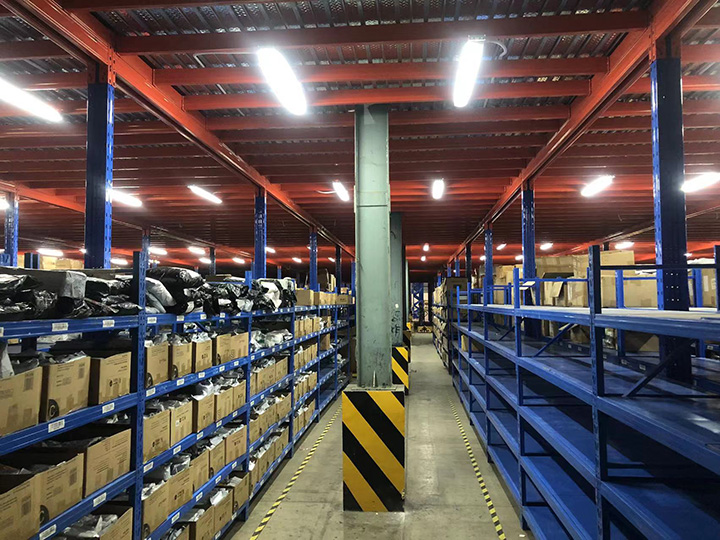
In Industrial and Manufacturing Plants, they are the workhorses. You'll find them as mezzanine flooring for extra storage or office space, as equipment access platforms around machinery, and as safe walkway systems above production lines. They keep workers off the main floor, improving traffic flow and safety.
Power Generation and Utilities, including oil and gas facilities, rely heavily on these platforms. They provide critical access for inspection and maintenance around turbines, boilers, transformers, and piping systems. Their non-sparking properties and fire resistance are crucial in these high-risk environments.
Water and Wastewater Treatment Plants use steel deck platforms for walkways over treatment tanks, access to clarifiers, and screening areas. The material's excellent corrosion resistance, especially when hot-dip galvanized or made from stainless steel, withstands constant exposure to moisture and chemicals.
Transportation and Infrastructure projects utilize them in maintenance bays, as access platforms in airport hangars, and as part of bridge inspection and maintenance gantries. Their ability to be installed quickly with minimal disruption is a key benefit.
Specifying a steel deck platform system requires careful thought. Several factors must be balanced to achieve optimal performance and cost-efficiency.
Load Requirements are the starting point. Engineers must determine the dead load (weight of the structure itself), live load (personnel, equipment), and any dynamic or impact loads. This calculation dictates the type of grating, the thickness of materials, and the supporting frame design.
Material Selection and Finishes directly affect longevity. Carbon steel is common and economical, often protected by hot-dip galvanizing for corrosion resistance. For highly corrosive environments (marine, chemical plants), stainless steel or aluminum platform systems may be specified. Coatings like industrial paint can add an extra layer of protection.
The choice between Grating Types is crucial. Welded steel grating offers a rigid, robust panel with excellent load-bearing properties. Pressure-locked grating provides a smooth, clean appearance with good strength. Swage-locked grating features a permanent mechanical lock for high-load applications. Each type has its place depending on load, aesthetics, and budget.
Compliance with Standards is non-negotiable. A reputable platform system must be designed and manufactured in accordance with relevant industry standards, which govern everything from material quality and load testing to slip resistance and geometric design. Compliance ensures legal and safety obligations are met.
A well-designed system can only perform if it is correctly installed and cared for.
Installation Methods generally fall into two categories: bolted and welded. Bolted platforms offer the advantage of modularity, easier future modification, and often faster on-site assembly. Welded platforms provide a permanent, rigid connection and can be preferable for extremely heavy static loads or where a seamless appearance is desired.
Long-Term Maintenance for a steel deck platform is typically straightforward but essential. Regular visual inspections for signs of corrosion, loose connections, or damage to the walking surface are recommended. For galvanized systems, maintenance may simply involve washing with water. Painted systems might require touch-ups. The open design of grating minimizes debris buildup, reducing cleaning effort.
The Return on Investment (ROI) is clear. While the initial cost may be higher than some alternatives, the extended service life, reduced maintenance needs, and avoidance of downtime for replacements make steel deck platforms a cost-effective long-term solution for industrial infrastructure.
Q1: What is the typical load capacity of a standard steel deck platform system?
A1: There is no single "standard" load capacity, as systems are engineered to specification. However, typical industrial platform designs for walkways often handle live loads of 85-100 pounds per square foot (PSF) or more. For equipment platforms, loads can range from 250 PSF to over 1,000 PSF for heavy machinery. Always consult with a structural engineer to determine the exact requirements for your application.
Q2: How do steel deck platforms handle corrosion in harsh environments like chemical plants?
A2: In corrosive environments, material selection and finish are key. While hot-dip galvanized carbon steel is common, facilities often opt for stainless steel grades (like 304 or 316) which offer superior resistance to chemicals and chlorides. For a balance of cost and performance, carbon steel with a specialized industrial coating system designed for chemical exposure is another effective solution.
Q3: Can these platforms be customized for unusual spaces or specific access needs?
A3: Absolutely. One of the major strengths of steel deck platform systems is their high degree of customization. Manufacturers can create panels in non-standard sizes, incorporate cut-outs for pipes or columns, add stair towers, hatches, and safety gates, and design support frames to fit virtually any existing structure or floor plan.
Q4: What is the expected timeline for fabrication and installation?
A4: Timeline depends on project complexity and size. For standard designs, fabrication can take a few weeks. Bolted platforms can be installed very quickly on-site, often by a small crew using basic tools, minimizing facility disruption. Large, complex, or welded systems require more detailed planning and longer installation times. Your supplier should provide a clear project schedule.
Q5: Are steel grating platforms safe to use in areas with heavy foot traffic or wheeled carts?
A5: Yes, but specification is important. For heavy foot traffic, a closer bearing bar spacing provides a more comfortable walking surface. For areas with wheeled traffic (pallet jacks, carts), a heavy-duty steel grating type with appropriate load capacity and, often, a serrated surface for extra traction is recommended. The direction of the bearing bars relative to traffic flow is also a critical design consideration for smooth movement.

 Wechat
Whatsapp
Wechat
Whatsapp