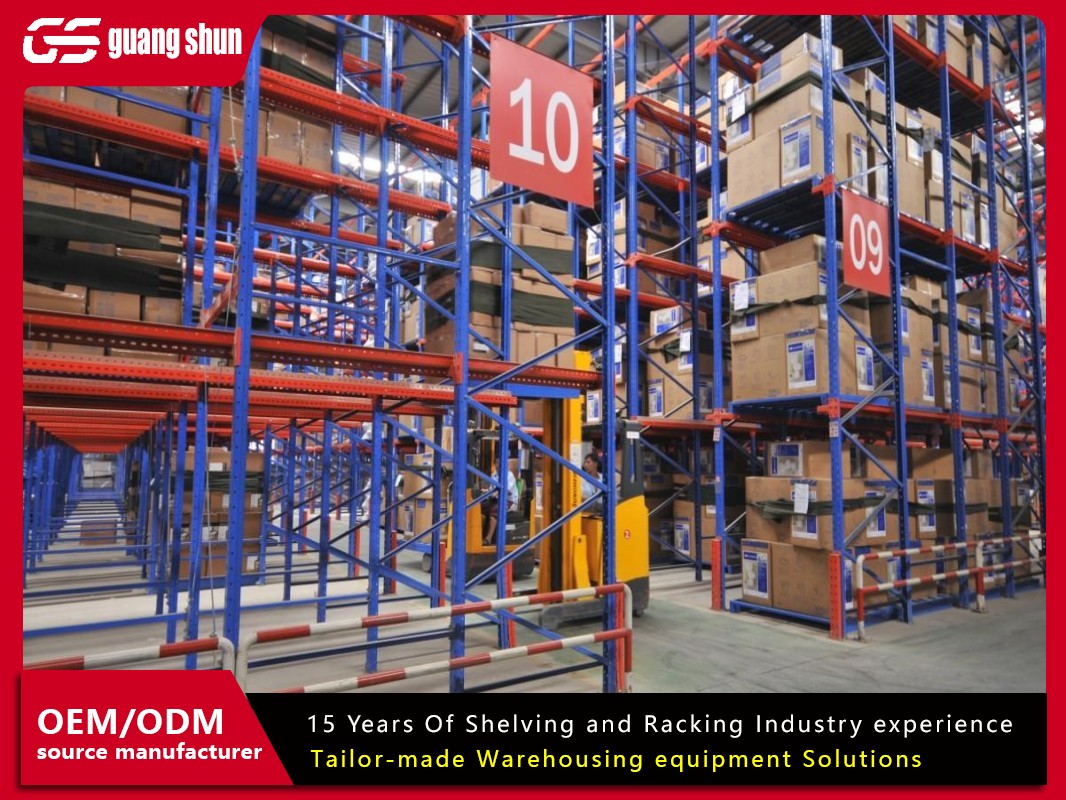
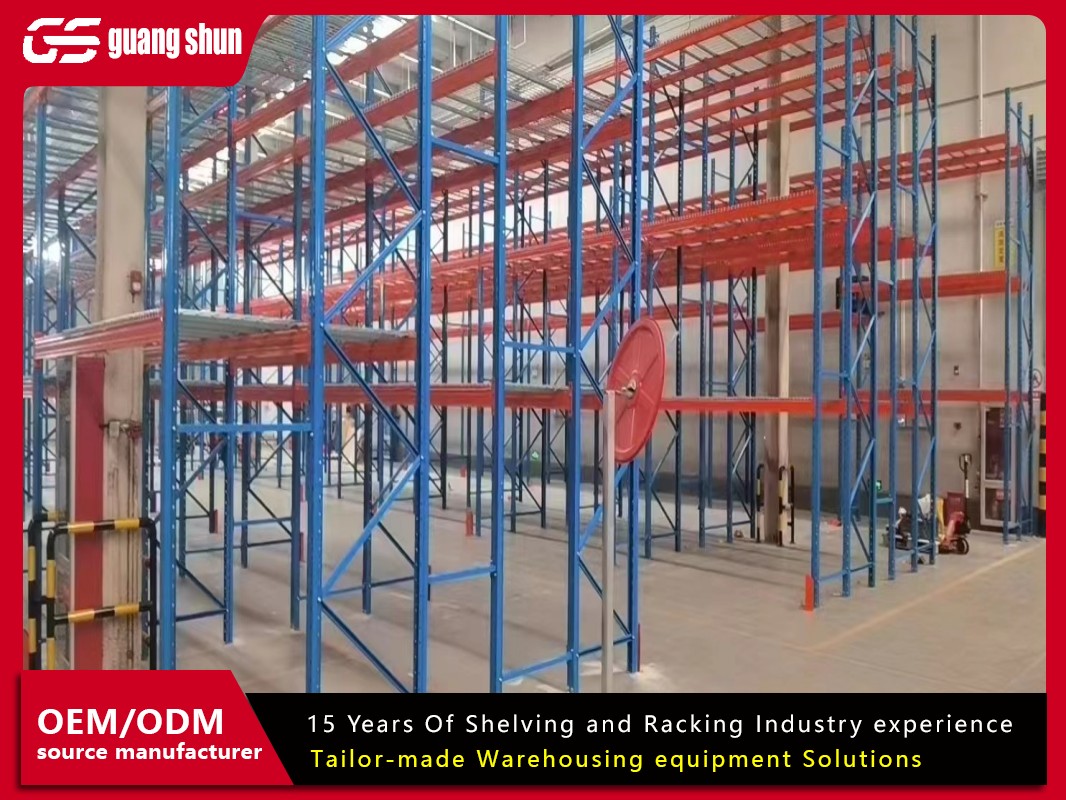
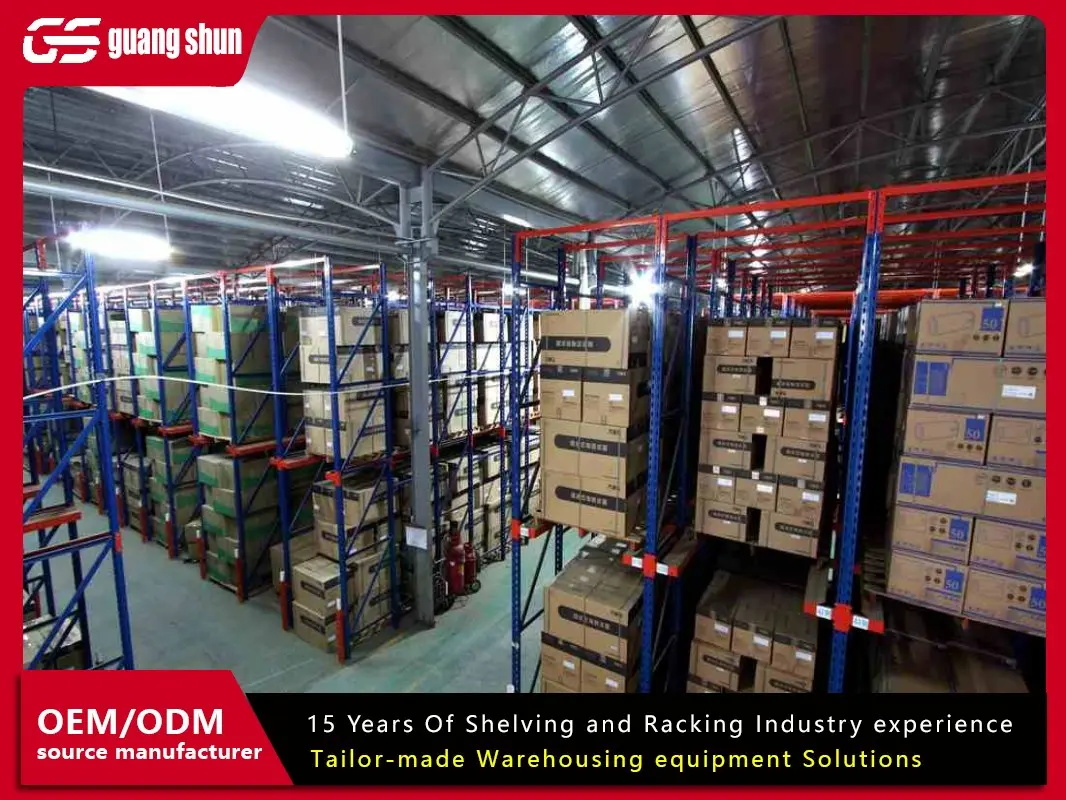
If you run a warehouse where moving goods quickly and efficiently is a constant challenge, you’ve likely looked at every corner of your space. Static shelves and pallet racks have their place, but for active, high-turnover items, they create bottlenecks.
That’s where a well-designed roller racking system warehouse setup changes the game. This isn't just another shelving unit. It’s a dynamic storage solution that uses gravity to bring products to your workers. The result is faster picking, better organization, and a significant boost in productivity.
Let's look at how these systems function, where they fit best, and what you should consider before installing one.
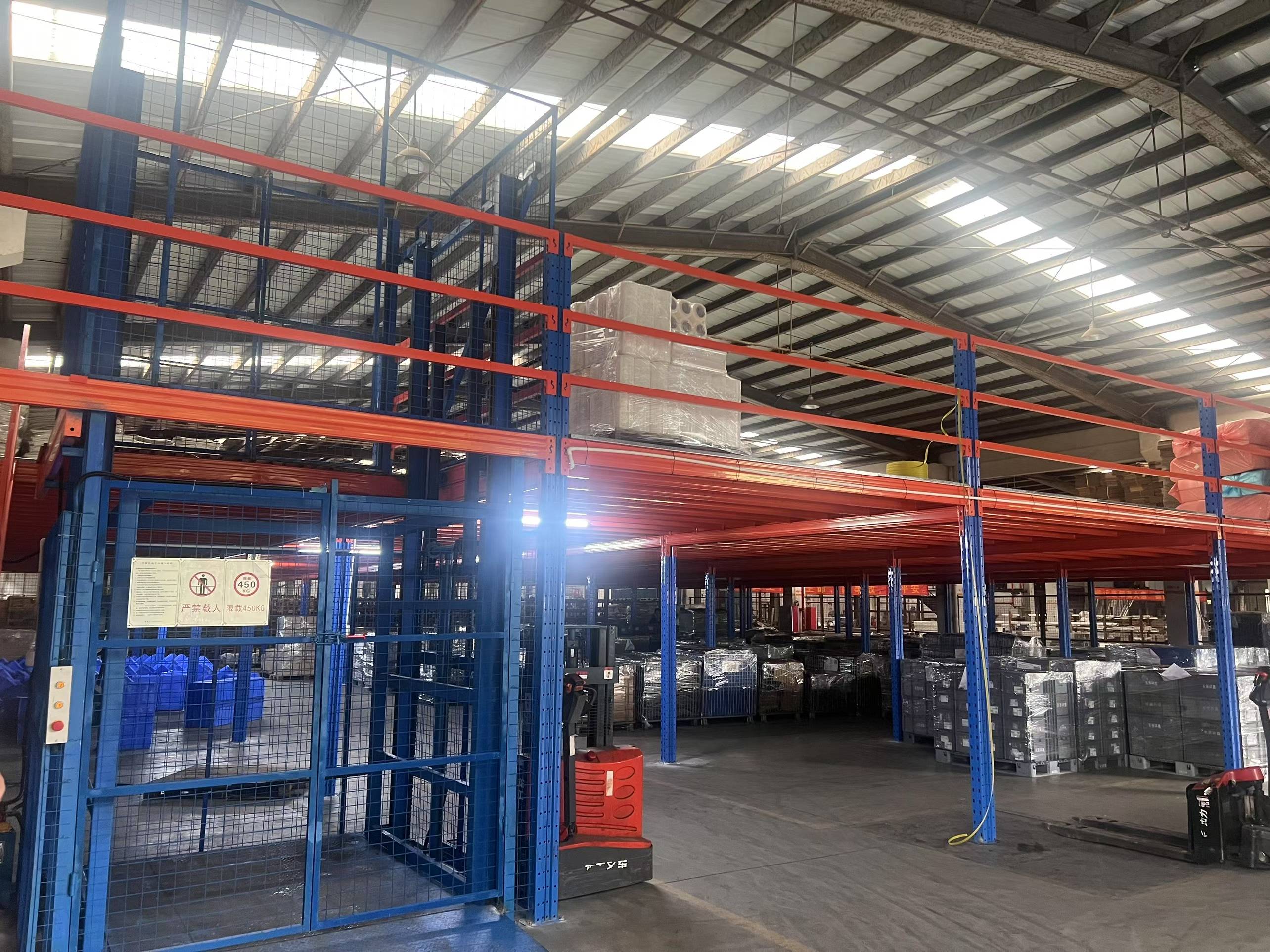
At its core, a roller racking system is a form of dynamic storage. Instead of placing items on static shelves, products are loaded onto inclined tracks fitted with rollers or wheels.
Gravity does the heavy lifting. When you remove the front item, the next one in line rolls smoothly forward to the picking face. This principle is often called "first-in, first-out" (FIFO) flow, which is crucial for perishable goods or items with expiration dates.
These systems are highly modular. They can be designed as standalone units, integrated into existing pallet racking frames, or built as multi-level pick modules. The core idea is always the same: eliminate unnecessary walking and searching.
Not all flow systems are the same. The right choice depends on your product's size, weight, and handling needs.
Pallet Flow Racking
This is the heavy-duty option for full pallet storage. Pallets are loaded at the high end of a closed lane. They glide down on sturdy rollers or wheels to the discharge end. Each lane is deep, often holding multiple pallets. This is ideal for high-density storage of a limited number of SKUs with high turnover, like in cold storage or beverage distribution.
Carton Flow Racking
Designed for smaller cases and cartons, this is the most common type seen in order fulfillment centers. Cases are loaded into plastic or metal flow rails mounted within a shelving or racking bay. As a carton is picked from the front, the next one moves into place automatically. It's perfect for split-case picking operations.
Tray or Tote Flow Systems
These use smaller, lighter tracks designed for bins, totes, or individual product trays. Commonly found in pharmaceutical distribution, assembly lines, or for storing small parts in manufacturing. They ensure precise organization and seamless restocking from the rear.
The benefits of implementing a dynamic storage system go far beyond just saving a few steps.
Dramatically Increased Picking Speed
Pickers spend less time walking, reaching, and searching. The product is always presented in the same, ergonomic position at the front of the lane. Studies routinely show pick rate improvements of 30% or more. This makes a roller racking system warehouse investment a strong candidate for rapid ROI.
Optimal Space Utilization
By using deep lanes, you store more product in a smaller footprint compared to static shelving. The aisles for restocking are separate from picking aisles, minimizing congestion. You use your available cubic space more effectively, often freeing up floor space for other uses.
Inherent FIFO Inventory Control
For food, chemicals, or any dated product, FIFO is mandatory. Gravity flow ensures the oldest stock is always picked first. This eliminates the risk of product spoilage hiding at the back of a shelf and simplifies inventory rotation.
Improved Ergonomics and Safety
Workers no longer need to climb, over-reach, or dig through shelves to retrieve items. This reduces physical strain and the risk of injuries from falling items. A more organized workspace also minimizes trip hazards.
Enhanced Order Accuracy
With clear lane labeling and one SKU per lane, pickers are far less likely to select the wrong item. The system naturally enforces organization, which directly reduces costly picking errors.
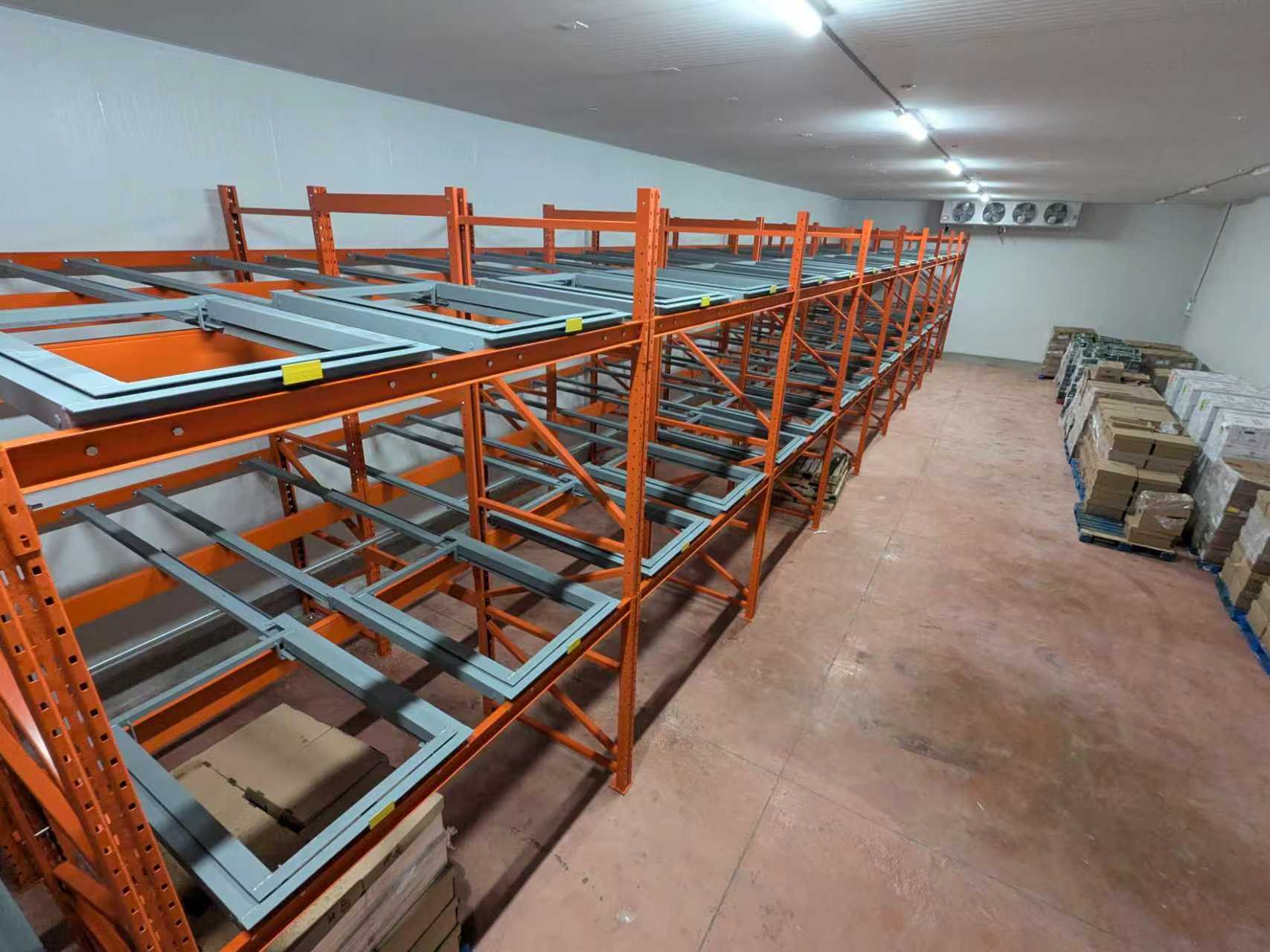
While powerful, these systems are not a universal fix. They excel in specific scenarios.
Ideal Applications:
High-volume picking of a medium range of SKUs.
Products with expiration dates or lot codes.
Operations with a clear velocity profile (fast, medium, slow movers).
Environments where labor efficiency is a primary cost driver.
Cold storage, where reducing door-open time is critical.
Less Suitable For:
Very slow-moving items or dead stock.
Operations with an extremely vast number of SKUs but very low picks per SKU.
Products that are extremely fragile or irregularly shaped (unless custom designed).
Situations where price is the only consideration, as the initial investment is higher than static shelving.
Planning is everything. A poorly planned flow rack installation can create new problems.
Product Weight and Dimensions
This is the first and most critical step. The weight and size of your cartons or pallets determine the required roller type, track strength, and lane slope. Overloading a system is dangerous and will cause it to fail.
Throughput Velocity
Analyze your SKU velocity. Your fastest-moving items should be allocated to the flow racks. Slower items are better suited for less expensive static storage. Proper slotting is key to maximizing the system's benefit.
Lane Depth and Configuration
How many cartons deep should each lane be? This depends on your replenishment cycle and order volume. Lanes that are too deep tie up capital in standing inventory. Lanes that are too shallow require frequent restocking.
Integration with Warehouse Processes
How will restocking work? You need a clear process for loading from the rear without interfering with pickers at the front. Consider the equipment needed (e.g., forklifts for pallet flow, carts for carton flow).
Professional Design and Installation
Due to the mechanical and safety implications, professional design is non-negotiable. An engineer must calculate loads, slopes, and structural support. Proper installation ensures smooth, reliable operation and safety for your team.
Q1: What is the main difference between roller racking and standard shelving?
A1: Standard shelving is static; items stay where placed until manually moved. A roller racking system is dynamic; it uses gravity on inclined tracks to automatically move items to the picking position. This creates continuous product flow, reduces labor, and enforces FIFO inventory.
Q2: How much weight can a typical carton flow system handle?
A2: Capacity varies by design. Standard carton flow rails often handle between 50 to 150 pounds per lane. For heavier loads, reinforced rollers and tracks are available. It is absolutely vital to provide your exact product weights to your system designer to ensure correct specification.
Q3: Are these systems noisy?
A3: Modern systems with high-quality polymer rollers are relatively quiet, producing a soft rolling sound. Systems with metal wheels can be noisier, especially when fully loaded. In office-adjacent or quiet operation environments, discuss sound considerations with your supplier.
Q4: Can I add a roller racking system to my existing pallet racks?
A4: In many cases, yes. Carton flow rails and beams are often designed to integrate into standard upright rack frames. This allows you to convert selective pallet rack bays into dynamic picking zones. A site assessment is needed to confirm compatibility and load capacity.
Q5: What maintenance does a gravity flow system require?
A5: Maintenance is generally minimal but important. Regularly inspect rollers for debris or damage and clean tracks to ensure smooth movement. Check for any loose fittings or supports. The most common issue is product jams, which are often caused by damaged cartons or incorrect lane loading.

 Wechat
Whatsapp
Wechat
Whatsapp