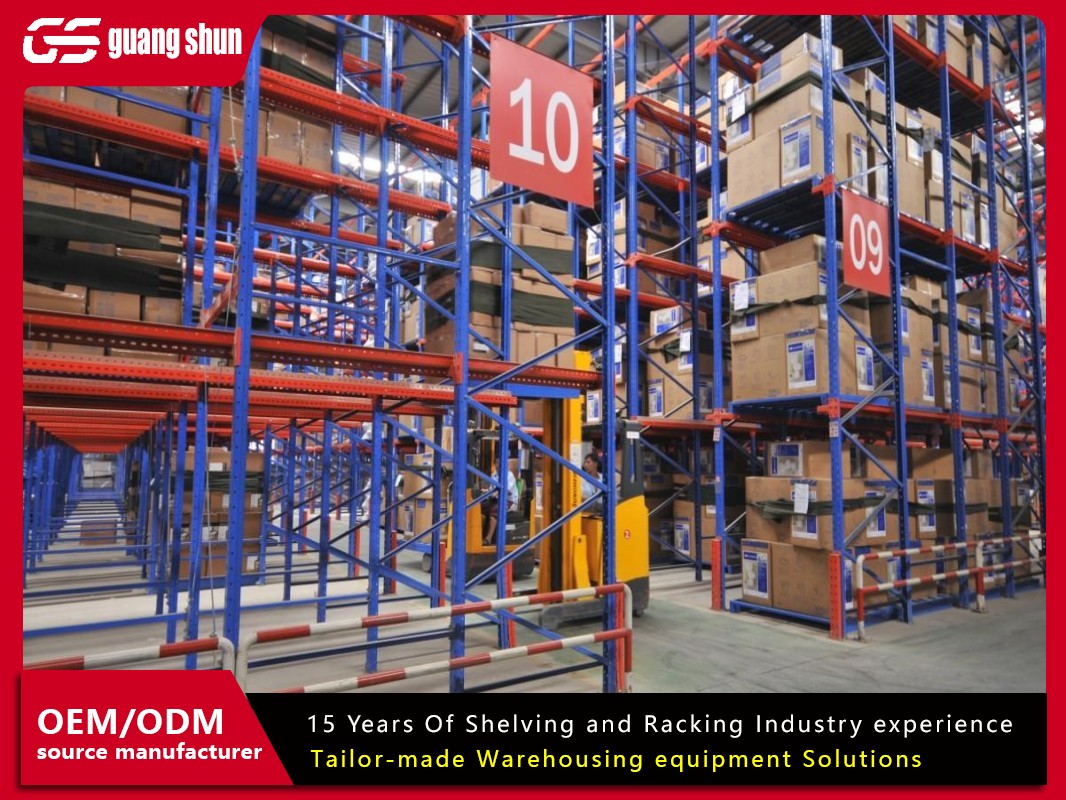
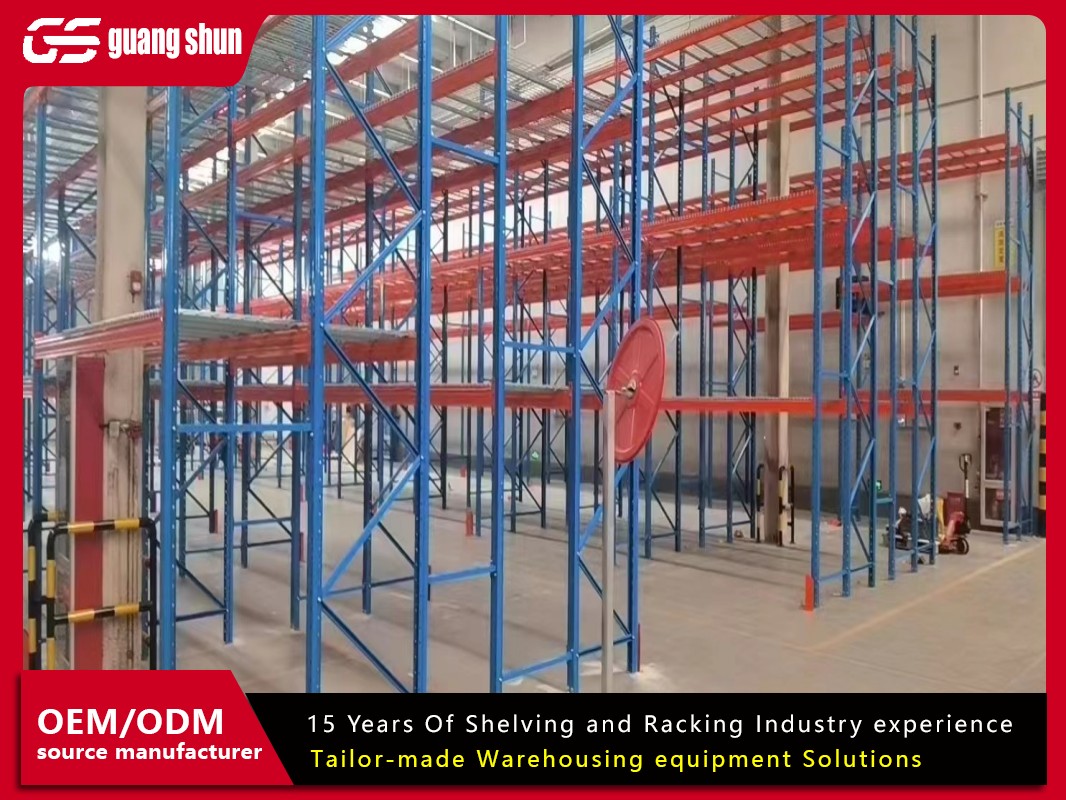
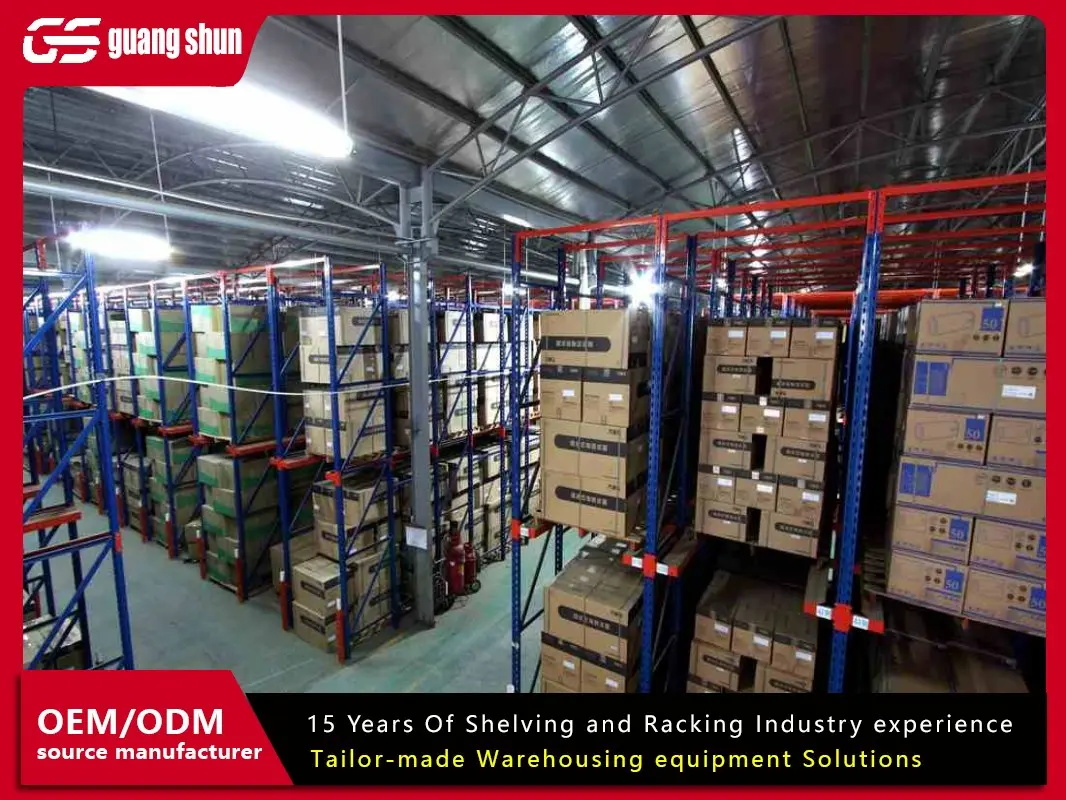
Choosing the right storage system is a critical decision for any warehouse operation. The backbone of efficient logistics is often the heavy duty storage racks for warehouse facilities. These structures are not just metal shelves; they are the engineered framework that determines your storage density, accessibility, and overall safety.
Selecting the wrong system can lead to wasted space, damaged goods, and even dangerous workplace incidents. This article breaks down the key aspects of industrial racking to help you make an informed choice that boosts your productivity and protects your inventory.
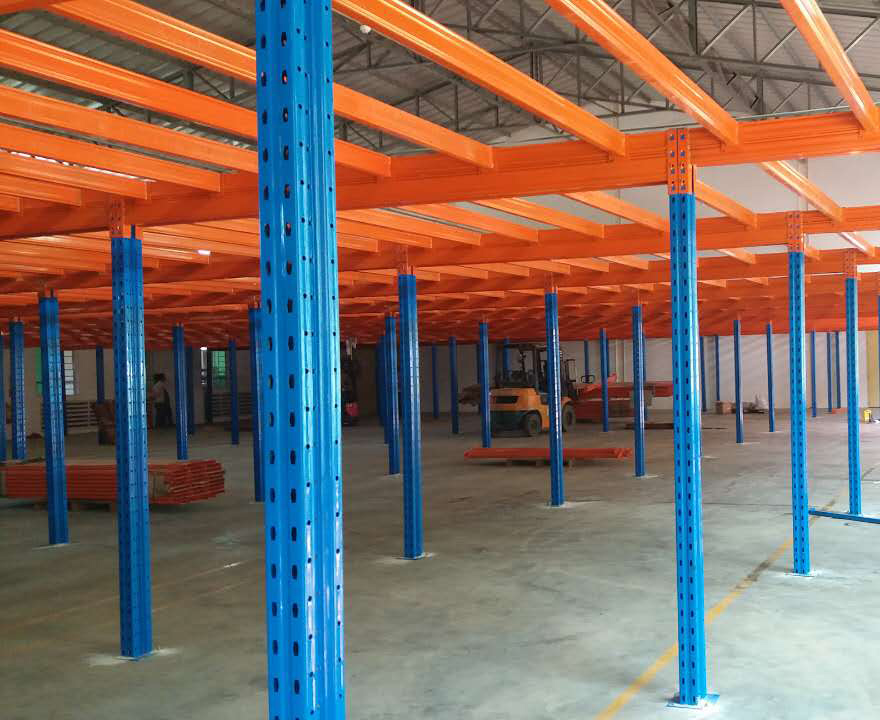
Not all storage needs are the same. The ideal heavy duty warehouse racking system depends entirely on your inventory profile, handling equipment, and operational workflow.
Selective Pallet Racking
This is the most common type of heavy duty storage racking. It offers direct access to every single pallet location. This system is highly versatile and ideal for warehouses with a wide variety of SKUs. Forklifts can easily store and retrieve pallets from any position without moving others.
Drive-In and Drive-Through Racking
Maximize storage density for high-volume, low-SKU inventory. In these systems, forklifts drive directly into the rack structure to place or retrieve pallets. Drive-in racks have a single entrance, operating on a Last-In, First-Out (LIFO) basis. Drive-through racks allow access from both ends for First-In, First-Out (FIFO) inventory management.
Cantilever Racking
Specifically designed for long, bulky, or awkward items. Cantilever racks feature arms that extend from a central column, perfect for storing pipes, lumber, furniture, or rolls of material. This design eliminates front-column obstructions, making loading and unloading much simpler.
Push Back Racking
A dynamic system that increases density compared to selective racks while still offering good selectivity. Pallets are loaded onto nested carts on an inclined rail. When a new pallet is pushed in, it forces the previous pallet back. Retrieval works in reverse, bringing the next pallet to the front. It’s an excellent balance for mid-to-high-volume products.
Before purchasing any system, a thorough analysis of your requirements is essential. Rushing this step can lead to costly mistakes.
Assess Your Inventory Profile
Consider the size, weight, and shape of your pallets or items. Know your maximum pallet dimensions and weights. Also, analyze your inventory turnover. Fast-moving goods need easily accessible locations, while slower items can go into higher-density systems.
Evaluate Your Available Space
Precise measurements of your warehouse are crucial. Consider ceiling height, floor conditions, column placements, and sprinkler clearances. The goal is to utilize cubic space effectively, not just floor space. Tall warehouses can benefit greatly from high capacity storage racks that reach upward.
Match Equipment to Your Racks
Your heavy duty storage racks for warehouse operations must be compatible with your material handling equipment. Know the clear aisle requirements for your forklifts or order pickers. Narrow-aisle trucks, for example, can work with very tall racking but require specific guidance systems.
Plan for Growth and Flexibility
Your storage needs will change. Choose a system that can be reconfigured, expanded, or adapted. Look for racks with adjustable beam levels. Consider how easily you can add new bays to the system in the future.
Safety is paramount with industrial storage racks. A collapse can cause severe injury, product loss, and operational shutdown.
Understand Rated Capacity
Every component of a heavy duty pallet racking system has a specific load rating. The upright frames, beams, and wire decking all have limits. The system’s overall capacity is determined by its weakest component. Never exceed these ratings.
The Critical Role of Professional Installation
Poor installation is a leading cause of rack failure. Always use trained, certified installers. They ensure the structure is perfectly plumb, beams are correctly engaged with safety locks, and anchors are properly secured to the concrete floor.
Regular Inspection and Maintenance
Implement a scheduled inspection program. Look for damage from forklift impacts, such as bent uprights, dented beams, or missing safety locks. Even minor damage can significantly reduce the rack’s load-bearing capacity. Repair any damage immediately.
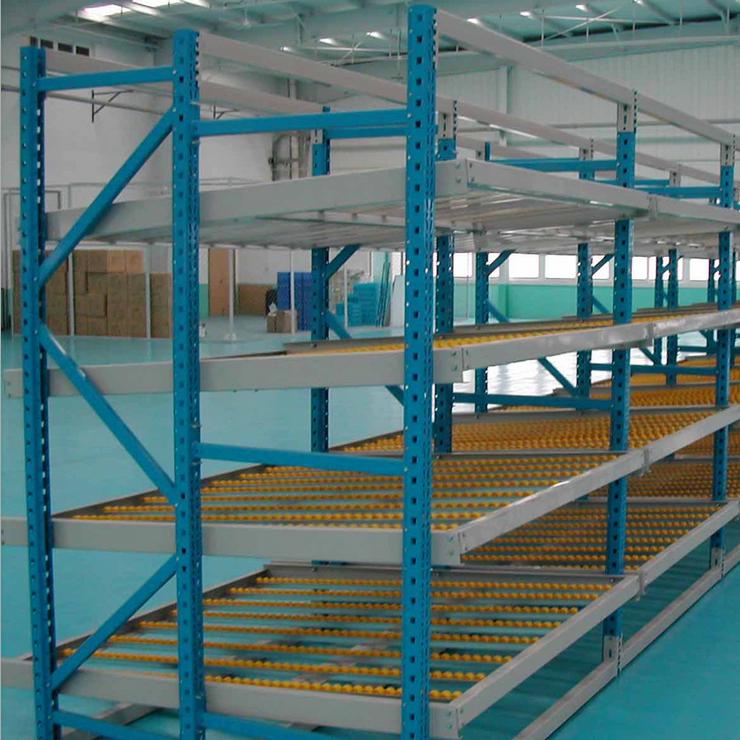
The base rack structure is just the start. Thoughtful layout and add-ons can dramatically improve functionality.
Aisle Width and Layout Planning
Aisle width is a major trade-off between storage density and accessibility. Wide aisles allow faster forklift movement but reduce storage. Narrow aisles increase density but may require special equipment. Analyze your traffic patterns to find the optimal balance.
Essential Rack Accessories
Accessories enhance safety and organization. Consider column guards to protect uprights from impacts, post protectors for the same purpose, and wire mesh decking to provide a safe surface for small items or irregular loads. Pallet supports are also vital for ensuring pallets rest securely on the beams.
Integration with Warehouse Operations
Your heavy duty storage racks for warehouse design should support your picking and put-away processes. Place high-turnover items in the most accessible “golden zone” (knee-to-shoulder height). Ensure your warehouse management system (WMS) can map inventory locations accurately within the racking layout.
Q1: How do I calculate the load capacity needed for my heavy duty warehouse racking?
A1: You must determine the heaviest pallet load you will store, including the weight of the pallet itself. Then, consider the potential for uneven weight distribution on the pallet. It is standard practice to add a safety margin. Always consult with a racking engineer or supplier who will use this data to specify a system with an appropriate rated capacity for each component.
Q2: Can I mix different types of heavy duty storage racks in the same warehouse?
A2: Yes, this is a very common and effective strategy. Many warehouses use selective racking for their diverse SKUs, drive-in racks for bulk storage of a single product, and cantilever racks for long items. The key is to zone your warehouse logically so that material handling equipment can operate efficiently in each area.
Q3: What is the most important safety check for existing heavy duty pallet racking?
A3: Regular visual inspections for impact damage are crucial. The most critical areas to check are the upright frames, especially at the base and at beam connection levels. Any visible bend, twist, or tear in the metal is a serious concern and requires immediate offloading and repair. A formal, documented inspection schedule is highly recommended.
Q4: How high can heavy duty storage racks for warehouse buildings typically go?
A4: The practical height is limited by your building’s clear ceiling height, sprinkler requirements, and the capabilities of your forklifts. With modern narrow-aisle forklifts or order pickers, industrial storage racks can easily reach 30 to 40 feet or more. The structural design of the racks themselves must be engineered for these heights to withstand seismic and lift forces.
Q5: Do I need a permit or professional design for installing heavy duty warehouse racking?
A5: In most jurisdictions, permits are required for tall, permanent rack structures. More importantly, a professional design by a qualified engineer is absolutely essential. They will ensure the rack design accounts for your specific loads, local building codes (including seismic/wind forces), and proper anchorage to your floor. Never attempt to design or install a significant rack system without expert involvement.

 Wechat
Whatsapp
Wechat
Whatsapp