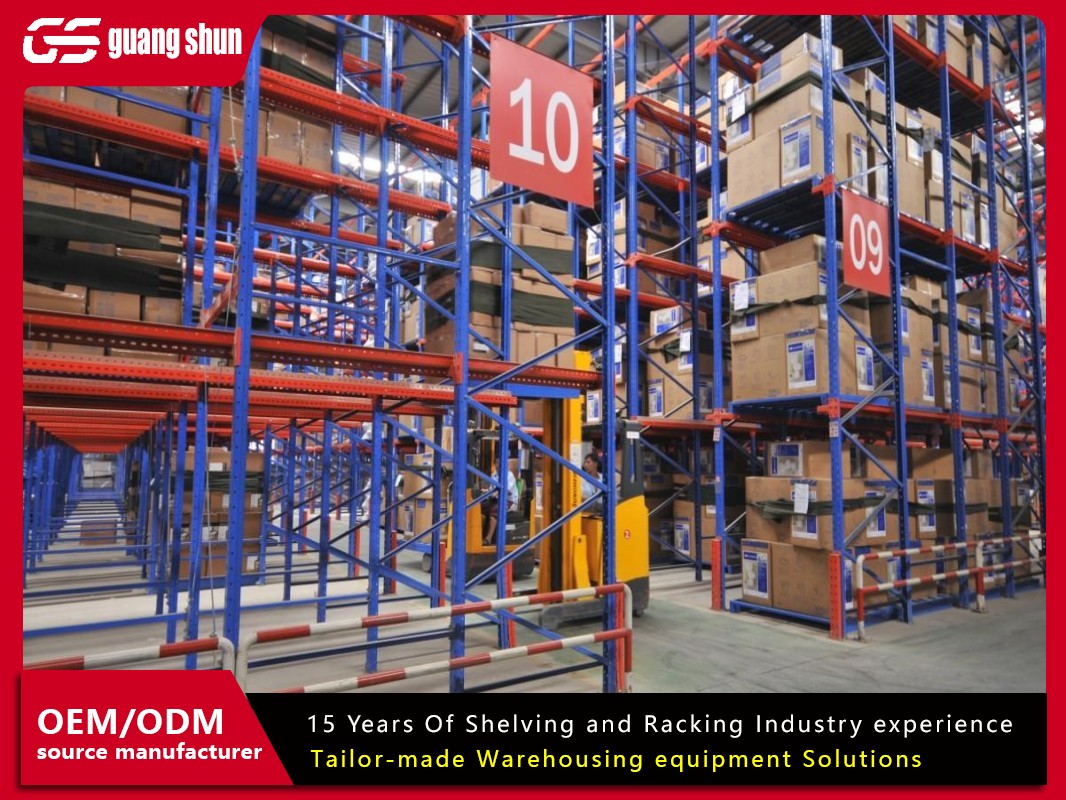
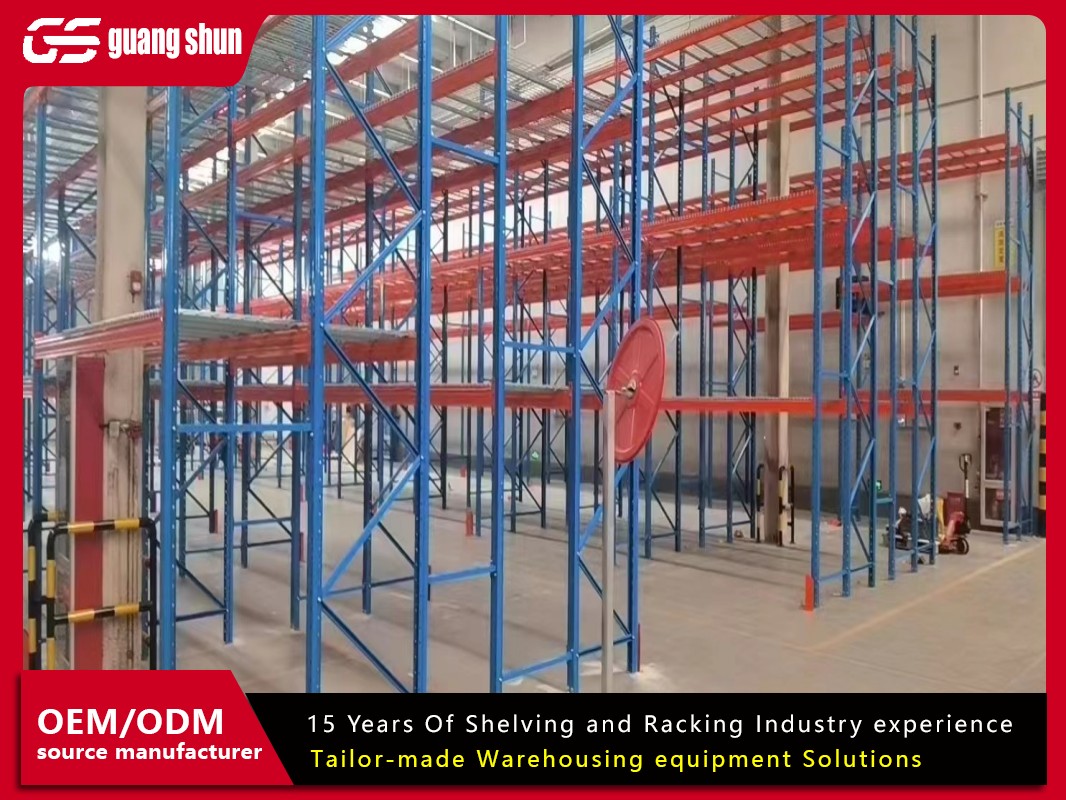
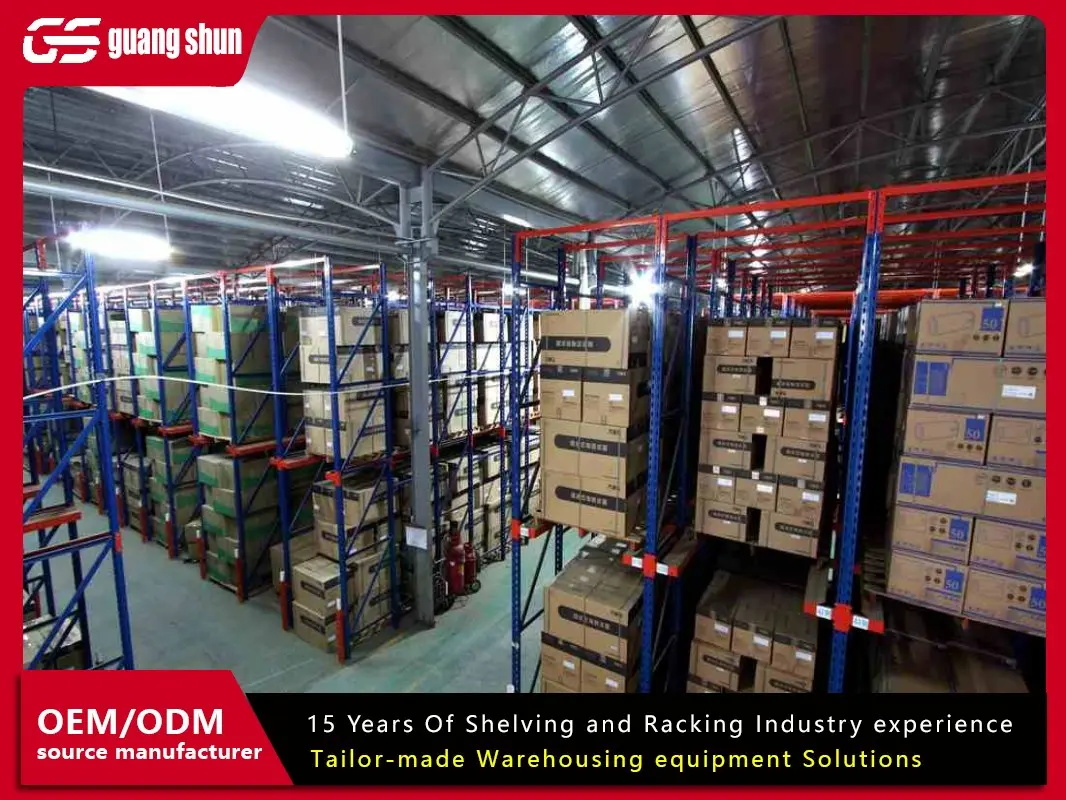
If you manage a warehouse or storage area, you've likely hit a wall. Literally. You need to store more, but your floor space is maxed out. Expanding the building is a massive cost. So, what's the solution for smarter storage?
Look up, and look at the walls. The answer often lies in reclaiming the "dead space" in your existing footprint. That's where sliding warehouse racks enter the conversation. They aren't just another shelving unit; they are a high-density storage philosophy built on rails.
This article cuts through the hype. We’ll look at how sliding warehouse racks work, when they make sense, and what you need to know before considering them. Forget the generic sales pitches. Let's talk about real-world application.
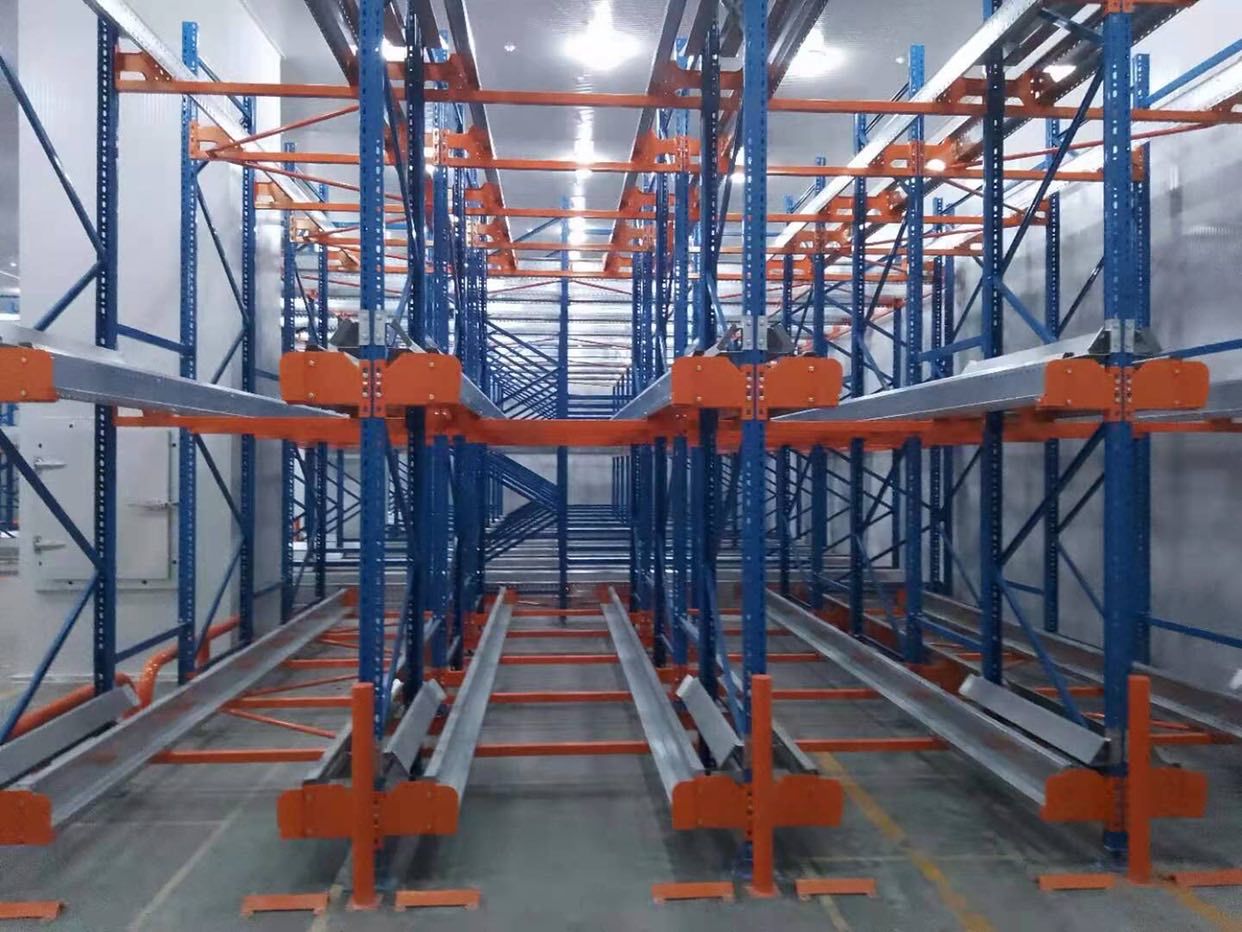
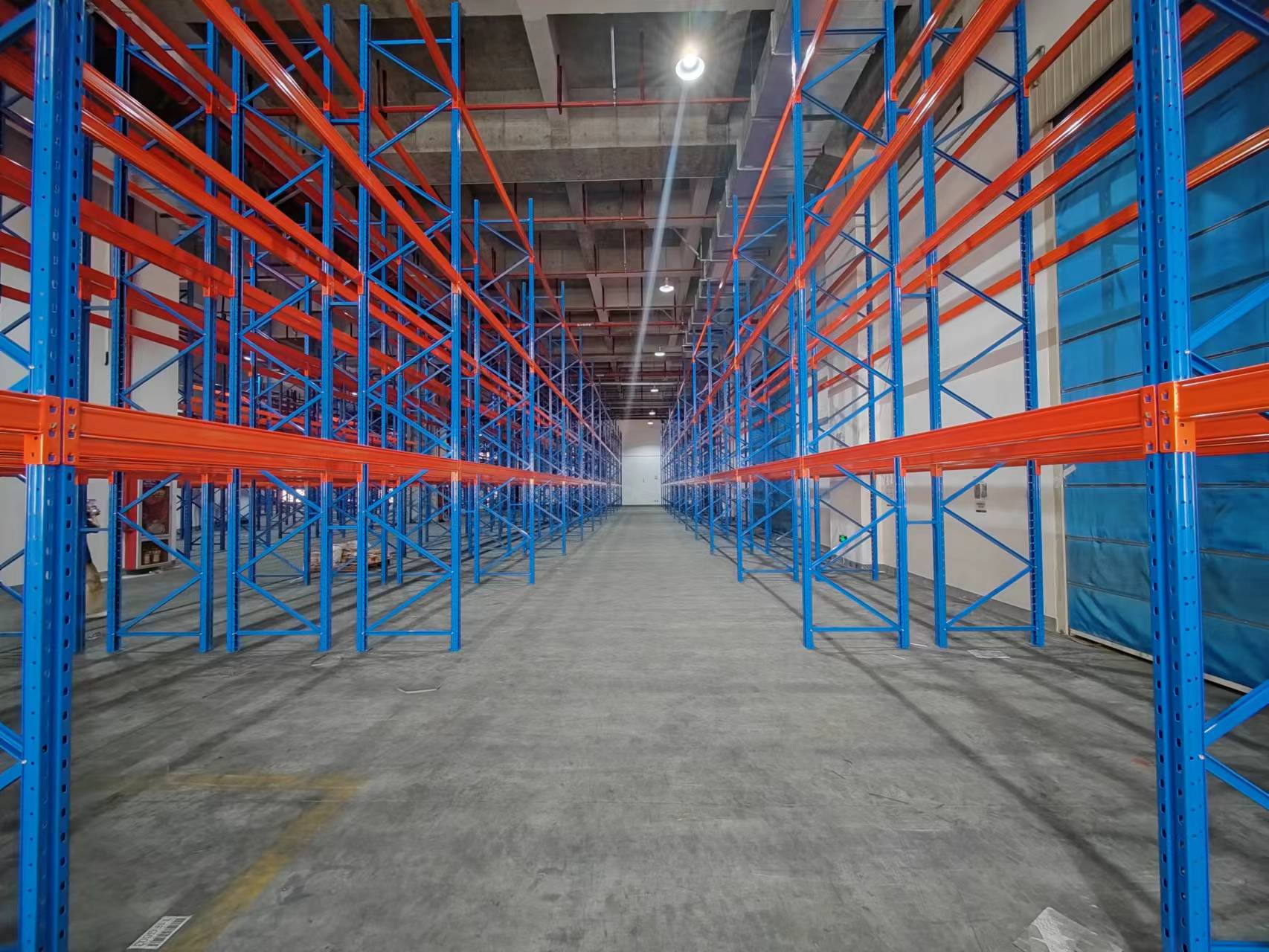
Let's start with a clear picture. Imagine a series of tall, heavy-duty storage rack units. Now, picture them mounted on sturdy steel rails or tracks fixed to your warehouse floor. Instead of leaving permanent aisles between every single rack row, these units can slide side-to-side along these tracks.
This sliding mechanism is the core feature. It means you only need one accessible aisle at a time. You want to access a specific pallet or bin? You simply slide the entire rack row left or right to create an aisle exactly where you need it. Once you're done, you slide it back.
This system is also known by other names you might hear, like mobile pallet racking, high-density mobile storage, or sliding shelving systems. The principle remains the same: reduce wasted aisle space to dramatically increase your storage capacity in the same square footage.
It's a simple idea with a profound impact on layout efficiency.
To appreciate sliding warehouse racks, you must first understand the problem of traditional static racking. In a standard setup, every row of racks requires a dedicated access aisle. These aisles are necessary for forklifts or order pickers to reach the inventory.
But think about it. That aisle space is pure overhead. It holds zero inventory. It just sits there, taking up 30% to 50% of your total floor space, waiting for the moment someone needs to use it. In a large warehouse, that's a staggering amount of real estate dedicated to empty air.
Sliding warehouse racks attack this inefficiency head-on. By eliminating multiple permanent aisles and creating just one "floating" aisle, you can fit more rack rows into the same area. It’s about storing more product without needing a bigger building.
For businesses in expensive urban areas or those simply outgrowing their current space, this is often the most cost-effective upgrade available.
Yes, the primary driver is space savings. But the advantages of implementing a sliding warehouse rack system ripple out into other areas of your operation.
Increased Storage Density: This is the headline number. By consolidating aisles, you can typically increase your storage capacity by 50% to 80% within the same floor area. This directly defers or eliminates the need for costly expansion or relocation.
Improved Inventory Control: With a high-density system, you’re forced to be more deliberate about slotting. This often leads to better organization. Inventory for slower-moving items can be placed in the less-accessed zones, while high-turnover goods are positioned for easier retrieval.
Enhanced Security: When the racks are closed, the system forms a solid wall of storage. This can act as a physical barrier, securing valuable or sensitive inventory more effectively than open racking. Access can be logically controlled to a single point.
Better Environmental Control: In facilities requiring specific temperature or humidity levels (like archival storage or certain food products), reducing the open air volume of aisles can make climate control more efficient and less costly to maintain.
Versatility: Modern sliding warehouse racks are not one-size-fits-all. They can be designed to handle everything from palletized goods and drums to long rolls of material or small parts in bins. The underlying track-and-move principle adapts to different storage media.
This is the crucial question. Sliding warehouse racks are a powerful tool, but they aren't perfect for every single warehouse scenario. They introduce a different workflow that must be evaluated.
The Ideal Candidate:
Potential Challenges to Consider:
Weighing your access frequency against your space savings will point you toward the right decision.
Installing a sliding warehouse rack system is a significant project. It's not a DIY weekend job. Getting it right involves careful planning and professional expertise.
Load Capacity and Engineering: This is paramount. The entire system, from the floor anchors to the tracks, carriages, and rack frames, must be engineered for your specific loads. Overloading is a catastrophic risk. A professional structural assessment is non-negotiable.
Floor Strength and Condition: Your warehouse floor becomes a critical structural component. It must bear the immense point loads of the fully loaded racks on their carriages. Core drilling and load testing are common prerequisites.
Safety Systems are Not Optional: This is where you cannot cut corners. Every reputable system must include:
Professional Installation: Always use experienced, certified installers for sliding warehouse racks. Proper alignment, secure anchoring, and correct integration of safety features are too important to leave to chance.
A well-maintained system will last for decades. Neglect can lead to unsafe conditions and expensive repairs. A simple preventative maintenance plan is essential.
Schedule regular inspections. Look for debris in the tracks—even a small piece of plastic wrap can jam a wheel. Check for unusual noises, vibration, or uneven movement when sliding the racks.
Lubricate the moving parts as specified by the manufacturer. This usually means the wheel bearings and the track surface with the correct type of lubricant.
Inspect all safety devices monthly. Test the aisle sweeps and emergency stop buttons to ensure they function immediately. Check that all lock pins engage smoothly.
Train your team. Everyone who operates near or uses the system must understand its basic function and safety protocols. They should know to never force a jammed rack and to immediately report any issues.
Q1: How much more can I store with sliding racks compared to traditional racks?
A1: Typically, sliding warehouse racks can increase your storage density by 50% to 80% in the same floor space. The exact figure depends on your current aisle layout and the configuration of the new system.
Q2: Are they safe? What if someone is in the aisle when the rack moves?
A2: Modern systems are engineered with multiple safety features. The most critical is the aisle safety sweep, a bar or sensor along the base that makes contact with any obstacle and immediately cuts power and stops movement. Strict operational protocols and training further mitigate risk.
Q3: Can any warehouse floor support sliding racks?
A3: No. The floor must have sufficient load-bearing capacity and be very level. An engineering survey is always required before installation to test the slab’s strength and flatness. Reinforcing the floor is a common and sometimes costly part of the project.
Q4: What about fire codes with such dense storage?
A4: This is a vital consideration. High-density storage can affect sprinkler system effectiveness. You must consult with your local fire marshal and a fire protection engineer during the planning phase. They may require in-rack sprinkler heads or specific clearance around structural elements.
Q5: How do I access items in an emergency if the power fails?
A5: All commercial sliding warehouse rack systems include a manual release or crank mechanism. This allows personnel to manually open an aisle even during a total power outage, ensuring emergency access is always possible.
Q6: Are sliding racks only for pallets?
A6: Not at all. While pallet racking is common, the sliding carriage principle is used for a wide range of applications, including archive shelving for boxes, bin shelving for small parts, and specialized racks for long, heavy items like steel bars or rolls of fabric.

 Wechat
Whatsapp
Wechat
Whatsapp