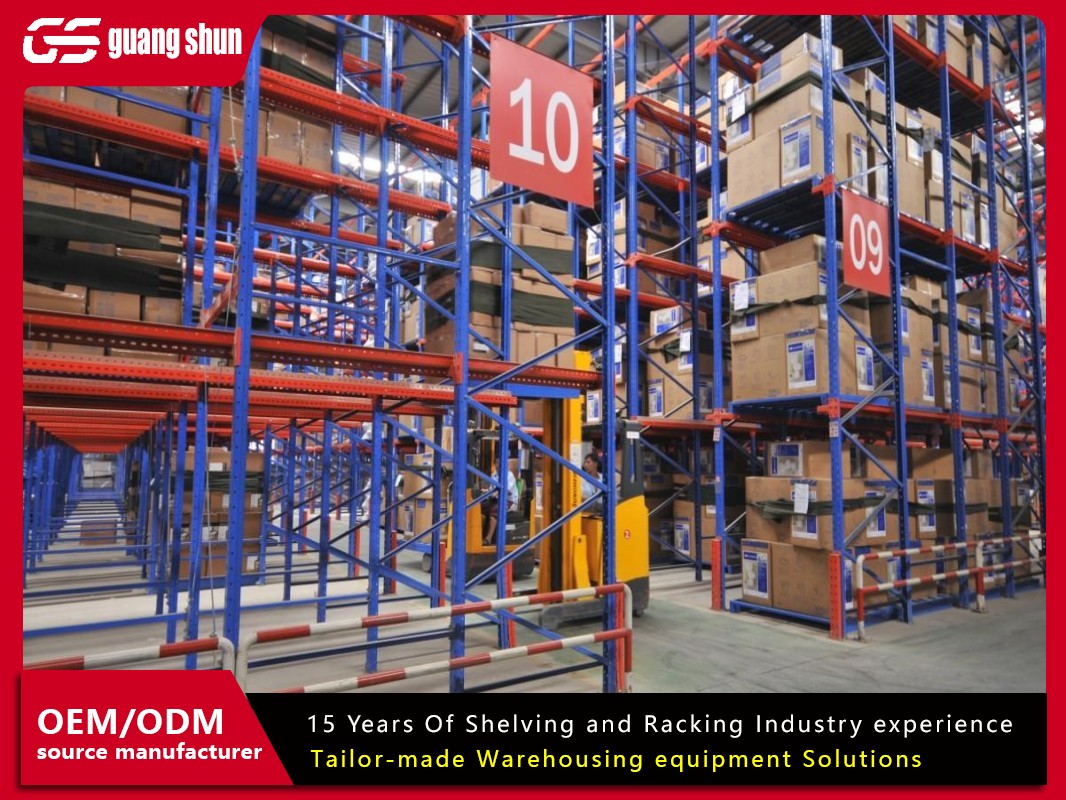
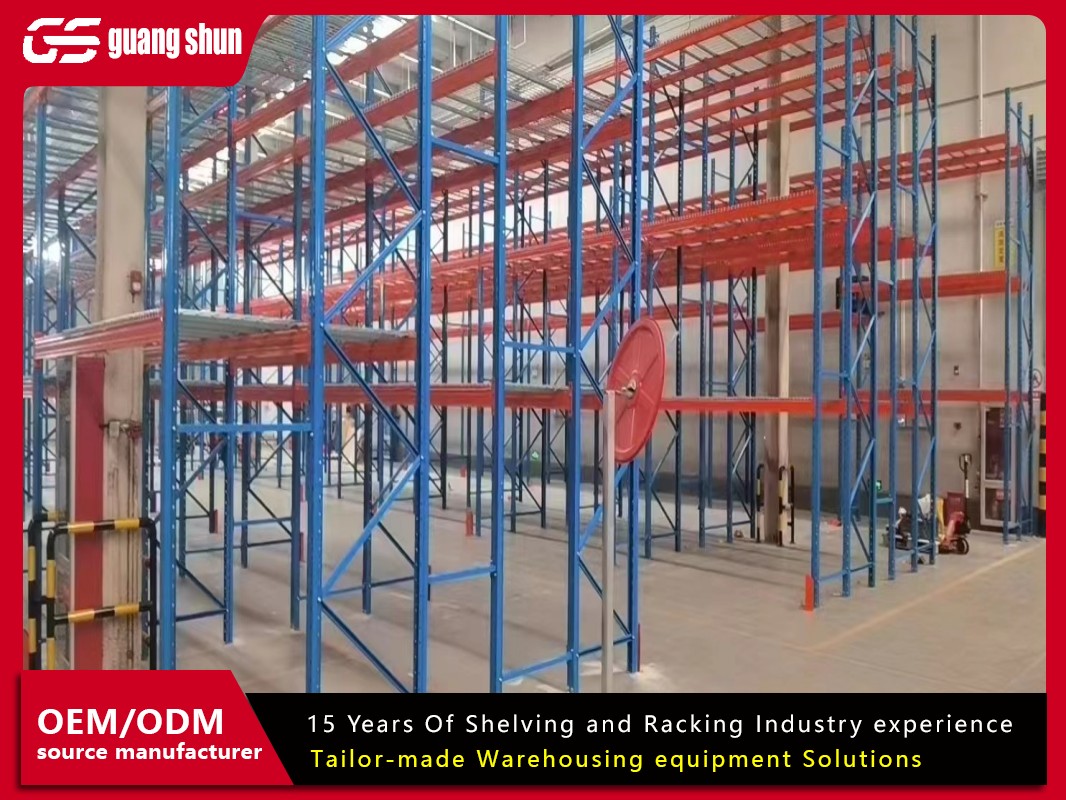
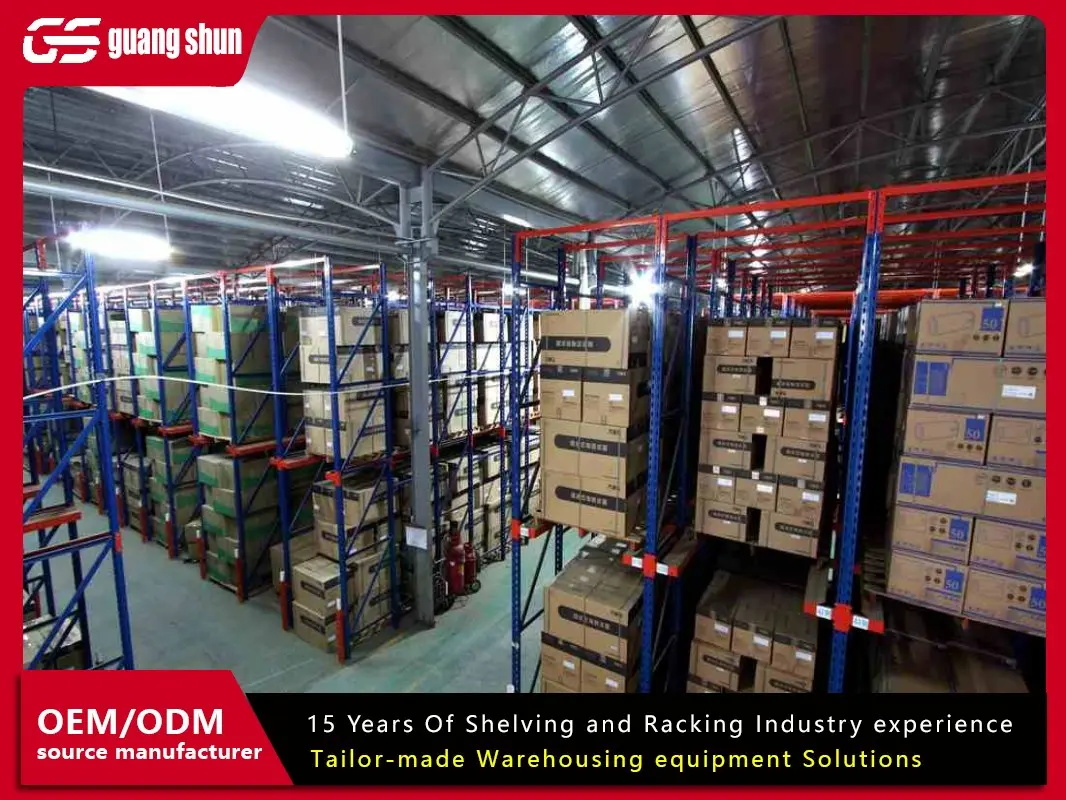
When it comes to efficient storage solutions, skid shelves often fly under the radar. But if you're managing a warehouse, factory, or any industrial space, you've likely encountered them. Skid shelves are more than just metal frames; they form the backbone of organized storage systems. In this article, we'll dive into what makes skid shelves essential, how they can transform your operations, and what to consider when using them. Whether you're a seasoned professional or new to logistics, these insights will help you make informed decisions.
Many people overlook skid shelves until they face clutter or inefficiency. By understanding their role, you can boost productivity and safety. Let's explore why skid shelves deserve your attention and how to leverage them effectively.
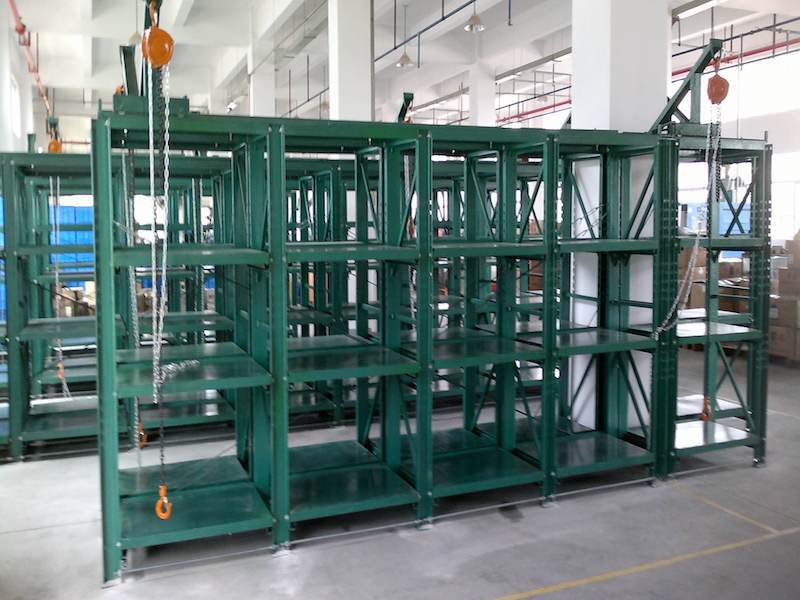
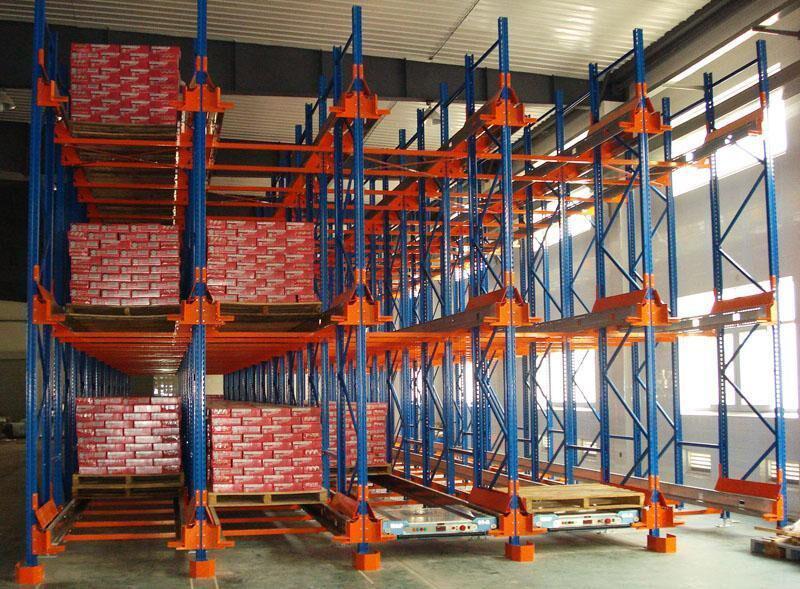
Skid shelves are sturdy storage units designed to hold heavy loads, typically palletized goods. They consist of a frame with multiple levels or shelves, often made from steel or durable materials. Unlike standard shelving, skid shelves are built to withstand industrial environments, including forklift traffic and heavy inventory.
These systems are commonly used in warehouses, distribution centers, and manufacturing plants. They allow for vertical storage, maximizing floor space. The term "skid" refers to the base or platform that supports the shelves, enabling easy movement with equipment like pallet jacks.
Skid shelves come in various configurations, including static or mobile units. They can be customized to fit specific needs, such as weight capacity or shelf spacing. Understanding the basics of skid shelves is the first step toward optimizing your storage setup.
Implementing skid shelves in your facility offers numerous advantages. From cost savings to improved workflow, let's break down the key benefits.
First, skid shelves enhance space utilization. By stacking items vertically, you free up valuable floor area. This is crucial in crowded warehouses where every square foot counts. With skid shelves, you can store more inventory without expanding your footprint.
Second, they promote organization. With designated shelves for different products, inventory management becomes simpler. You can label skid shelves for easy identification, reducing time spent searching for items. This leads to faster order fulfillment and fewer errors.
Third, skid shelves improve safety. Properly installed units prevent accidents like falling objects or clutter. They are designed to handle heavy loads securely, minimizing risks for workers. Additionally, using skid shelves can reduce strain from manual lifting by facilitating equipment-based handling.
Fourth, durability is a major plus. Skid shelves are built to last, resisting wear and tear in harsh environments. This longevity translates to lower replacement costs over time. Investing in quality skid shelves pays off in the long run.
Lastly, skid shelves support scalability. As your business grows, you can add more units or reconfigure existing ones. This flexibility makes them a smart choice for dynamic operations. Whether you're storing raw materials or finished goods, skid shelves adapt to your needs.
Selecting the perfect skid shelves for your facility requires careful consideration. Here are some factors to guide your decision.
Start by assessing your load requirements. Determine the weight and size of items you'll store. Skid shelves come with different weight capacities, so choose units that can handle your inventory safely. Overloading can lead to damage or accidents.
Next, consider the dimensions. Measure your available space, including ceiling height. Skid shelves should fit comfortably without obstructing aisles or equipment. Opt for adjustable shelves if you deal with varied product sizes.
Material quality matters. Look for skid shelves made from high-grade steel or corrosion-resistant coatings. This ensures they withstand moisture, chemicals, or heavy use. Cheaper options might save money upfront but could cost more in repairs.
Think about accessibility. If you frequently access items, choose skid shelves with open designs or easy-to-reach shelves. For long-term storage, taller units with higher shelves might suffice. Mobility features, like casters, can add convenience for rearranging.
Don't forget compliance. Ensure your skid shelves meet industry standards for safety and performance. Check for certifications or ratings from relevant authorities. This protects your workforce and avoids legal issues.
Lastly, budget wisely. While cost is important, prioritize value over price. Durable skid shelves may have a higher initial cost but offer better ROI through reduced maintenance and longer lifespan.
Proper installation is key to getting the most out of your skid shelves. A poorly set-up unit can compromise safety and efficiency. Follow these tips for a smooth process.
First, prepare the site. Clear the area where you'll install the skid shelves. Ensure the floor is level and clean to prevent instability. Mark out the placement using tape or chalk for precision.
Assemble the skid shelves according to manufacturer instructions. Use the right tools and hardware. Tighten bolts and connectors securely to avoid wobbling. If possible, involve multiple people to handle heavy components safely.
Anchor the skid shelves to the floor or wall if recommended. This adds stability, especially in areas prone to vibrations or seismic activity. Anchoring prevents tipping, protecting both inventory and personnel.
After installation, test the skid shelves with a gradual load. Start with lighter items and increase weight to ensure they hold up. Check for any signs of stress or misalignment. Regular inspections during setup catch issues early.
Finally, train your team on proper use. Educate them on weight limits, loading techniques, and safety protocols around skid shelves. This reduces misuse and extends the equipment's life.
Maintaining your skid shelves ensures they remain reliable and safe. Neglect can lead to failures or hazards. Here's how to keep them in top shape.
Conduct routine inspections. Check for damage like bent beams, loose bolts, or rust. Address any issues promptly to prevent accidents. Schedule monthly reviews as part of your facility's maintenance plan.
Clean skid shelves regularly. Remove dust, debris, or spills that could cause slipping or corrosion. Use appropriate cleaners for the material, such as mild soap for steel shelves. Avoid harsh chemicals that might degrade coatings.
Monitor load distribution. Ensure weight is evenly spread across skid shelves to avoid stress points. Overloading one shelf can weaken the entire structure. Follow capacity guidelines strictly.
Implement safety measures. Use guards or rails if necessary to prevent items from falling. Keep aisles around skid shelves clear for easy access and emergency exits. Post signs indicating weight limits or hazards.
Update your skid shelves as needed. If your storage needs change, reconfigure or replace units to match. Upgrading to newer models can improve efficiency and safety features. Don't hesitate to retire damaged skid shelves.
By prioritizing maintenance, you extend the lifespan of your skid shelves and create a safer workplace. This proactive approach saves money and boosts productivity in the long term.
In this section, we answer frequent queries about skid shelves. These insights clarify doubts and help you make better decisions.
Q1: What are skid shelves typically used for?
A1: Skid shelves are commonly used in industrial settings like warehouses, factories, and distribution centers. They store heavy or palletized goods, such as machinery parts, bulk materials, or inventory, by utilizing vertical space efficiently.
Q2: How much weight can skid shelves hold?
A2: The weight capacity of skid shelves varies by design and material. Standard units can hold from a few hundred pounds to several thousand pounds per shelf. Always check the manufacturer's specifications and avoid exceeding the rated limit.
Q3: Are skid shelves easy to assemble?
A3: Yes, most skid shelves come with instructions for assembly and require basic tools. However, for larger or complex units, professional installation is recommended to ensure safety and stability.
Q4: Can skid shelves be customized?
A4: Absolutely. Many suppliers offer customizable skid shelves in terms of dimensions, shelf spacing, and load capacity. This allows them to fit specific storage needs or unique facility layouts.
Q5: How do skid shelves compare to pallet racks?
A5: Skid shelves are similar to pallet racks but often include integrated shelves or platforms for more versatile storage. While both handle heavy loads, skid shelves may offer easier access and organization for smaller items, whereas pallet racks focus on bulk pallet storage.
Q6: What safety precautions should I take with skid shelves?
A6: Key precautions include regular inspections for damage, adhering to weight limits, ensuring proper installation, and keeping areas around skid shelves clear. Training staff on safe handling practices is also crucial.
Q7: Where can I buy skid shelves?
A7: Skid shelves are available from industrial supply stores, online retailers, and specialized manufacturers. Compare options based on quality, price, and customer reviews to find the best fit for your needs.
In summary, skid shelves are a vital component of modern storage systems. They offer efficiency, safety, and adaptability for various industries. By applying these insights, you can optimize your space and operations. Remember to choose quality units, maintain them well, and prioritize safety. If you have more questions, consult with experts or suppliers to tailor skid shelves to your specific context. Embrace the potential of skid shelves to transform your storage challenges into opportunities for growth.

 Wechat
Whatsapp
Wechat
Whatsapp