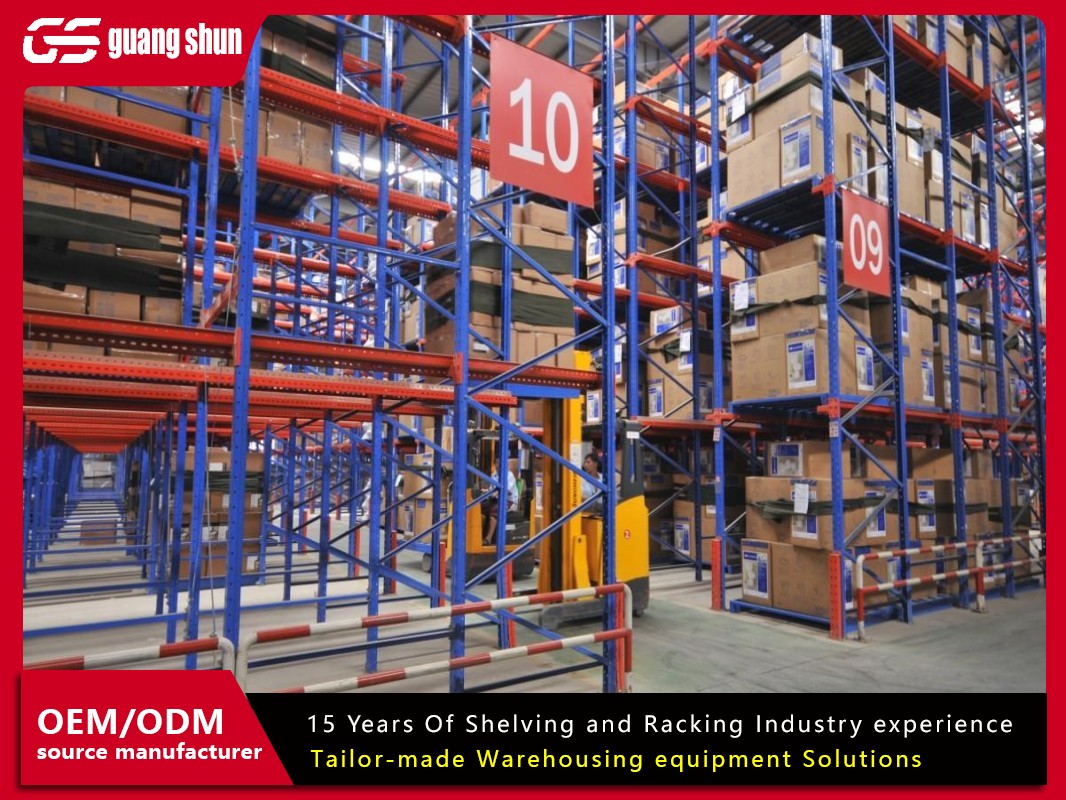
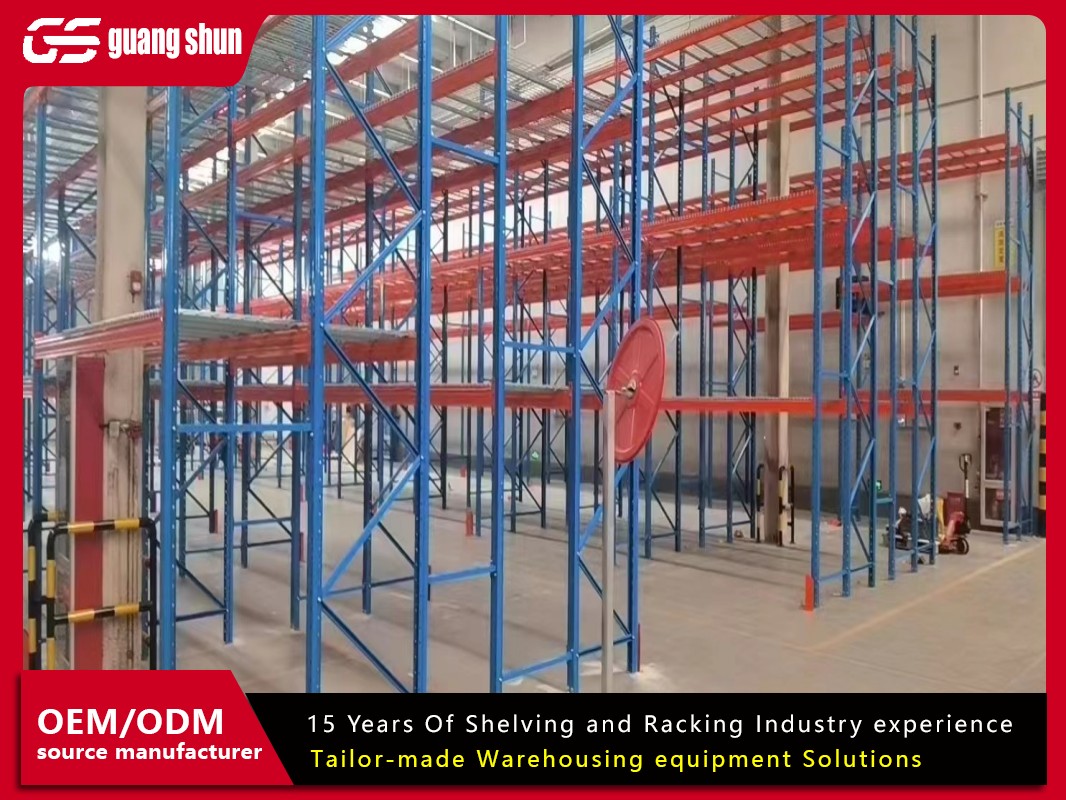
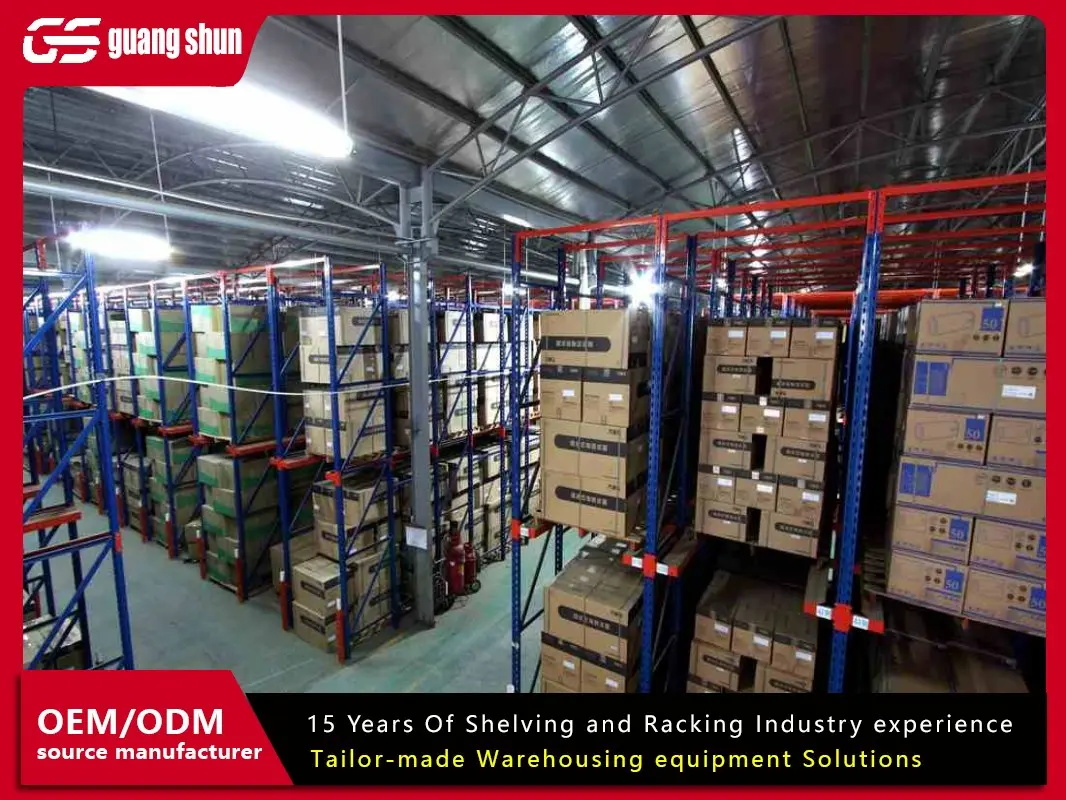
If you run a warehouse, you’ve likely heard about adjustable pallet racking. It’s the most common storage system for a reason. But what exactly makes it tick, and is it the right choice for your operation?
This isn't about a one-size-fits-all solution. It’s about understanding the flexibility and limitations of this workhorse system. Let's break down what you need to consider before making a purchase or redesigning your space.
Getting it right can transform your workflow. Getting it wrong can lead to wasted space, safety hazards, and frustrated employees.
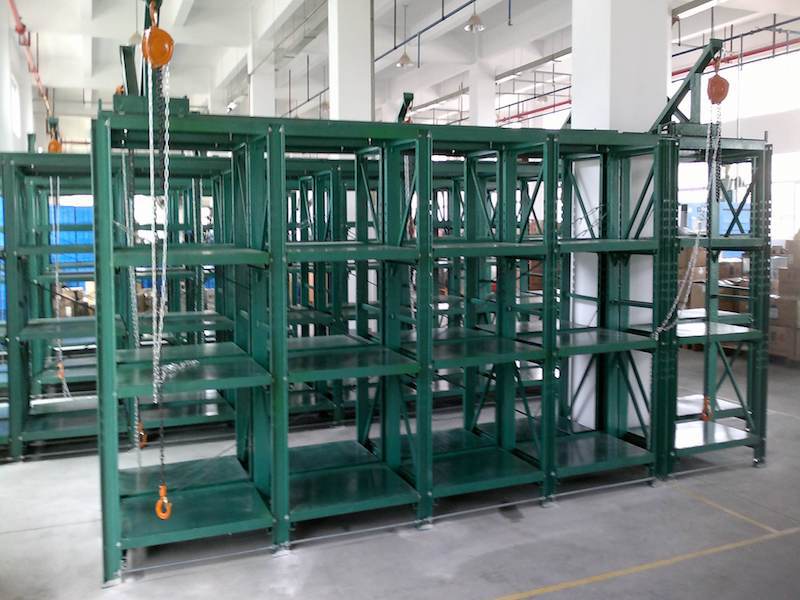
At its core, an adjustable pallet racking system is a modular storage solution. It consists of upright frames and horizontal beams. The key feature is that the beams can be moved and secured at different heights on the uprights.
This adjustability is its superpower. It allows you to customize the space between shelves. You can accommodate pallets of various heights within the same bay.
The design is often called "selective racking." This means every pallet is directly accessible. You don’t need to move others to reach a single load.
Most systems use a simple, robust connection method. Beams typically have hooks or locks that slot into holes or clips on the upright frame. A safety pin or lock then secures them in place.
Why does this system dominate warehouses? The benefits are clear and tangible for most businesses.
First, the flexibility and adaptability are unmatched. Your inventory today might not be your inventory in six months. With an adjustable system, you can reconfigure beam levels in an afternoon. This future-proofs your investment against product changes.
Second, it offers excellent space utilization. By tailoring shelf heights to your exact pallet size, you minimize wasted vertical air space. This allows you to store more product in the same footprint. It turns your cubic volume into usable storage.
Third, it provides direct access and simplicity. Forklift operators can store and retrieve any pallet without complicated maneuvers. This speeds up operations and reduces handling damage. The straightforward layout also makes inventory management and cycle counting easier.
Installing an adjustable pallet rack isn't just about filling a floor plan. Smart design is critical for safety and efficiency.
Start with load capacity. Every component has a maximum weight rating. You must know the heaviest pallet you will store and ensure your upright frames and beams are rated for that load. Remember to factor in the weight of the pallet itself.
Bay dimensions are next. The width and depth of each bay must match your pallet sizes. Standard practice is to allow 3-6 inches of overhang on each side of the beams for stability. Depth must accommodate the pallet with a little room to spare.
Don't forget aisle width. This is determined by your forklift type. A standard counterbalance truck needs a wide aisle. A narrow-aisle reach truck can work in much tighter spaces, allowing for more racks. Your choice of equipment dictates your storage density.
Finally, consider expansion. Leave room for future growth. Designing your initial layout with a clear expansion path is cheaper and easier than restructuring everything later.
Putting together an adjustable pallet racking system is a serious task. Precision matters for structural integrity.
Professional installation is highly recommended. Certified installers ensure the rack is perfectly plumb, level, and anchored correctly to the floor. They follow strict engineering specifications.
If you proceed in-house, the process is methodical. You start by laying out the upright frames. Then you connect the first beams at the base level to create a stable "ladder" frame.
As you build upward, you must constantly check for plumb and level. A rack that leans, even slightly, is unsafe. All safety locks or bolts must be fully engaged.
The final, non-negotiable step is anchoring the rack to the concrete floor. This prevents tipping, especially during loading or in the event of a minor impact. It is a critical part of safe rack installation.
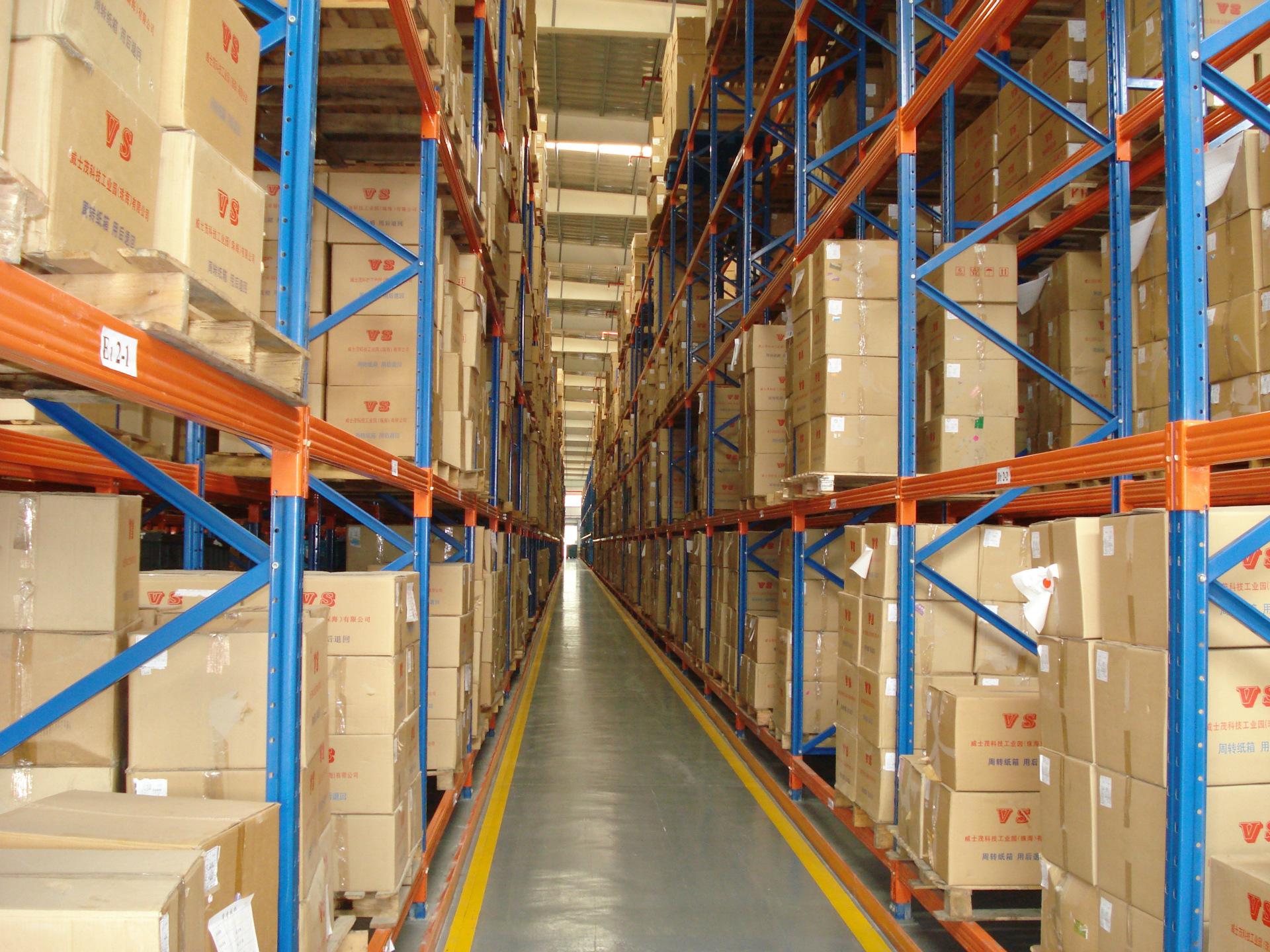
Your responsibility doesn’t end once the rack is full. An adjustable rack system requires ongoing vigilance.
Schedule regular visual inspections. Look for visible damage, especially dents or bends in the upright columns. Even small damage can significantly reduce the load capacity.
Check that beams are fully seated and all safety locks are present and engaged. Look for leaning frames or overloaded beams. Pallets should be centered and in good condition.
Enforce strict rules for forklift operators. A major cause of rack failure is impact from forklift masts or loads. Consider installing column guards or post protectors in high-traffic areas.
Have a formal, documented inspection at least annually. This should be done by a competent person, often from an outside service. They can spot issues your team may miss in daily operations.
Q1: How often can I safely adjust the beam heights on my racking?
A1: You can adjust beams as often as needed, provided it's done correctly. Always follow the manufacturer's guidelines. Ensure the rack is unloaded before making changes, use the right tools, and never remove more than one beam per level at a time for stability. Always re-engage all safety locks.
Q2: Can I mix different beam sizes or types on the same upright frame?
A2: This is generally not recommended unless specifically approved by the system's manufacturer or a qualified engineer. Beams and uprights are engineered as a system. Mismatched components can create weak points and compromise the entire structure's rated capacity.
Q3: What's the real difference between roll-formed and structural racking?
A3: Roll-formed racking is made from lighter-gauge steel, punched and formed into shape. It's common for lighter loads. Structural racking uses heavier, hot-rolled steel C-channels or I-beams, welded together. It's for much heavier capacities. The adjustable pallet racking system you choose depends entirely on your weight requirements.
Q4: Do I need a permit to install an adjustable pallet rack in my warehouse?
A4: Building code requirements vary by location and the height of the rack. Taller systems (often over 12 feet) almost always require a permit and a stamped engineering drawing. Always check with your local building authority before installation to ensure compliance.
Q5: How do I calculate the true cost beyond just the rack components?
A5: Factor in site preparation (floor leveling), professional installation fees, required safety accessories (guards, nets), and potential building modifications (sprinkler head relocation). Also consider future reconfiguration costs. The cheapest component price can lead to a much higher total project cost.

 Wechat
Whatsapp
Wechat
Whatsapp