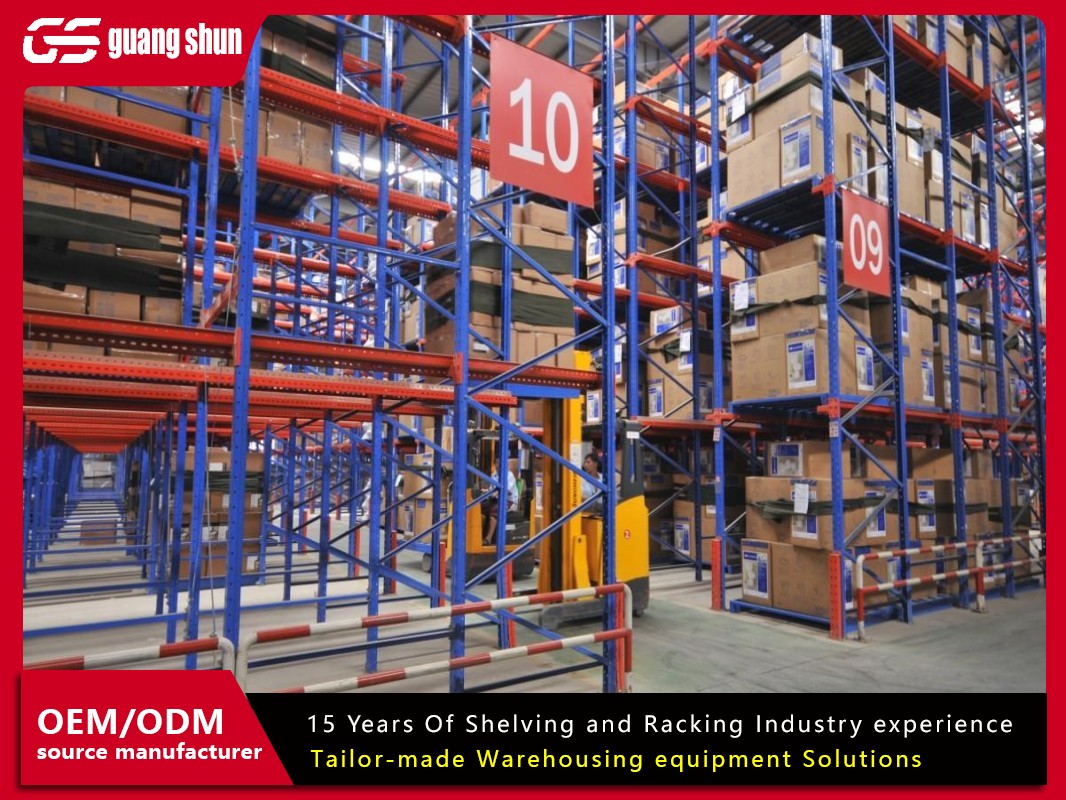
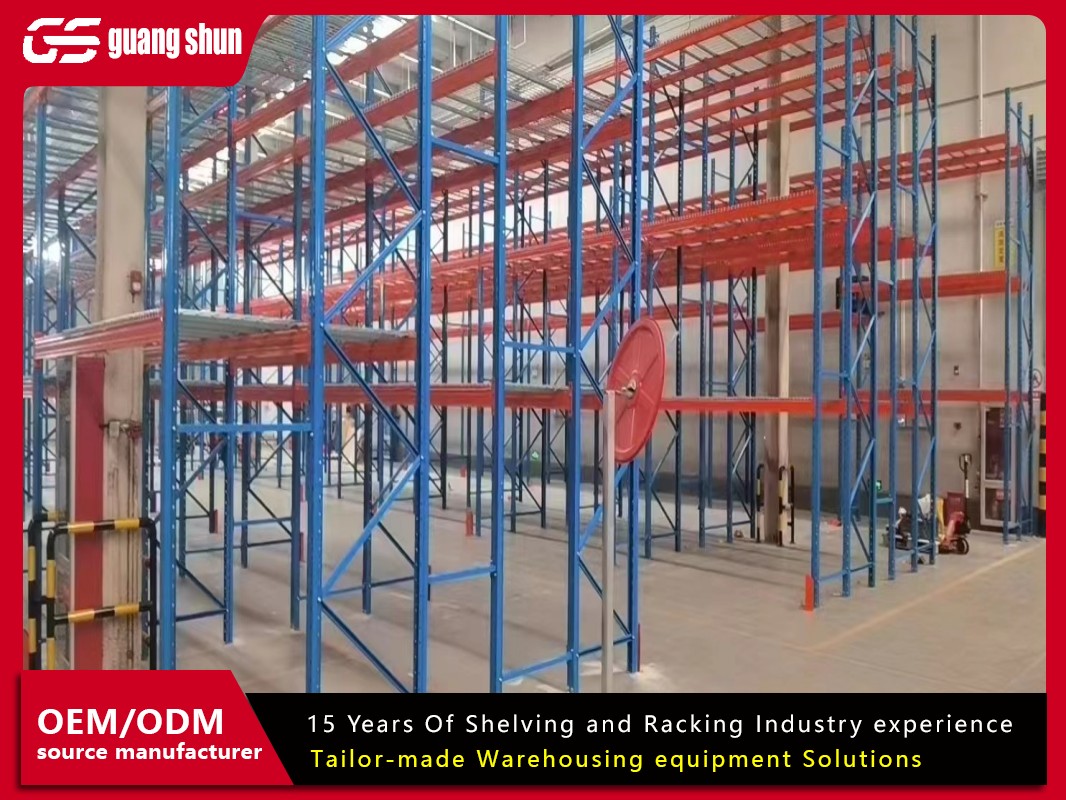
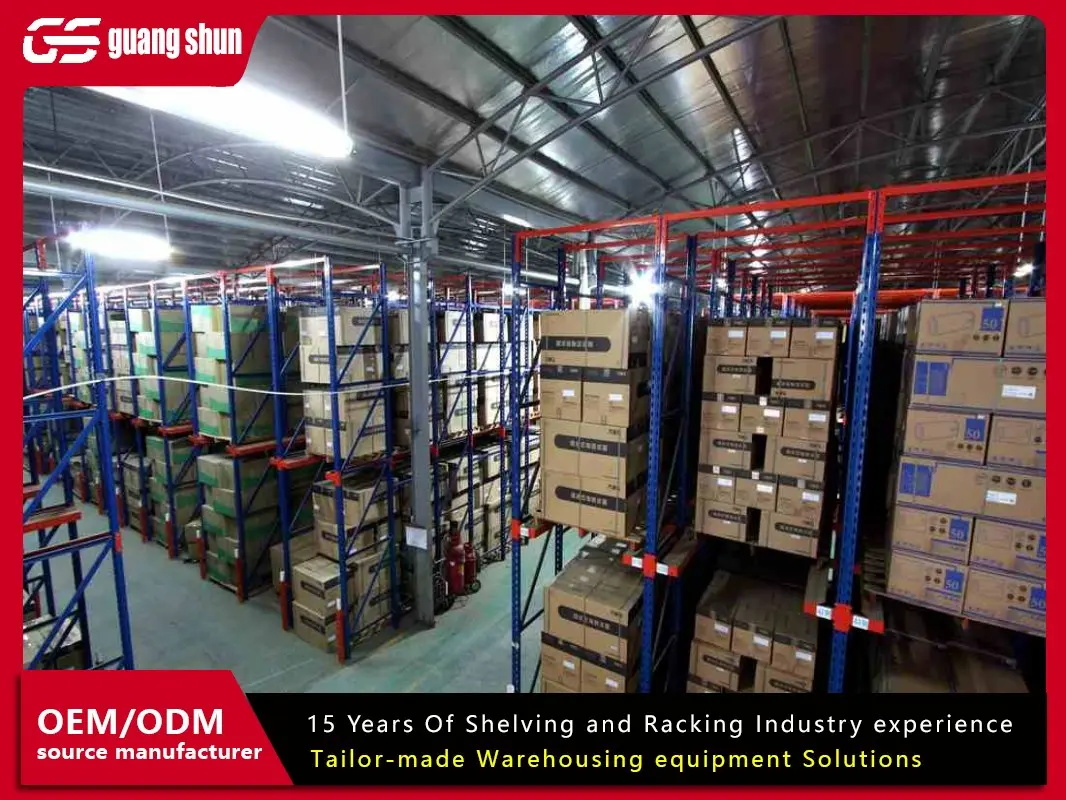
If you’re looking at warehouse storage options, you’ve probably heard a dozen different terms. One of the most common and reliable setups is the single deep racking system. It’s the classic image of warehouse storage for a reason.
But is it the right choice for your operation? It’s not the fanciest or the most space-saving system out there. Yet, for many businesses, it strikes the perfect balance. Let’s break down what this system is, where it shines, and where it might not fit.
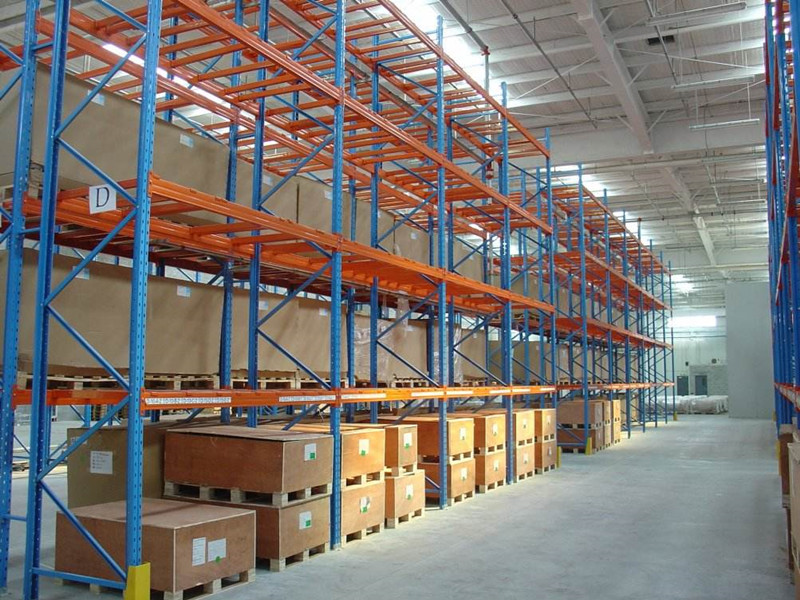
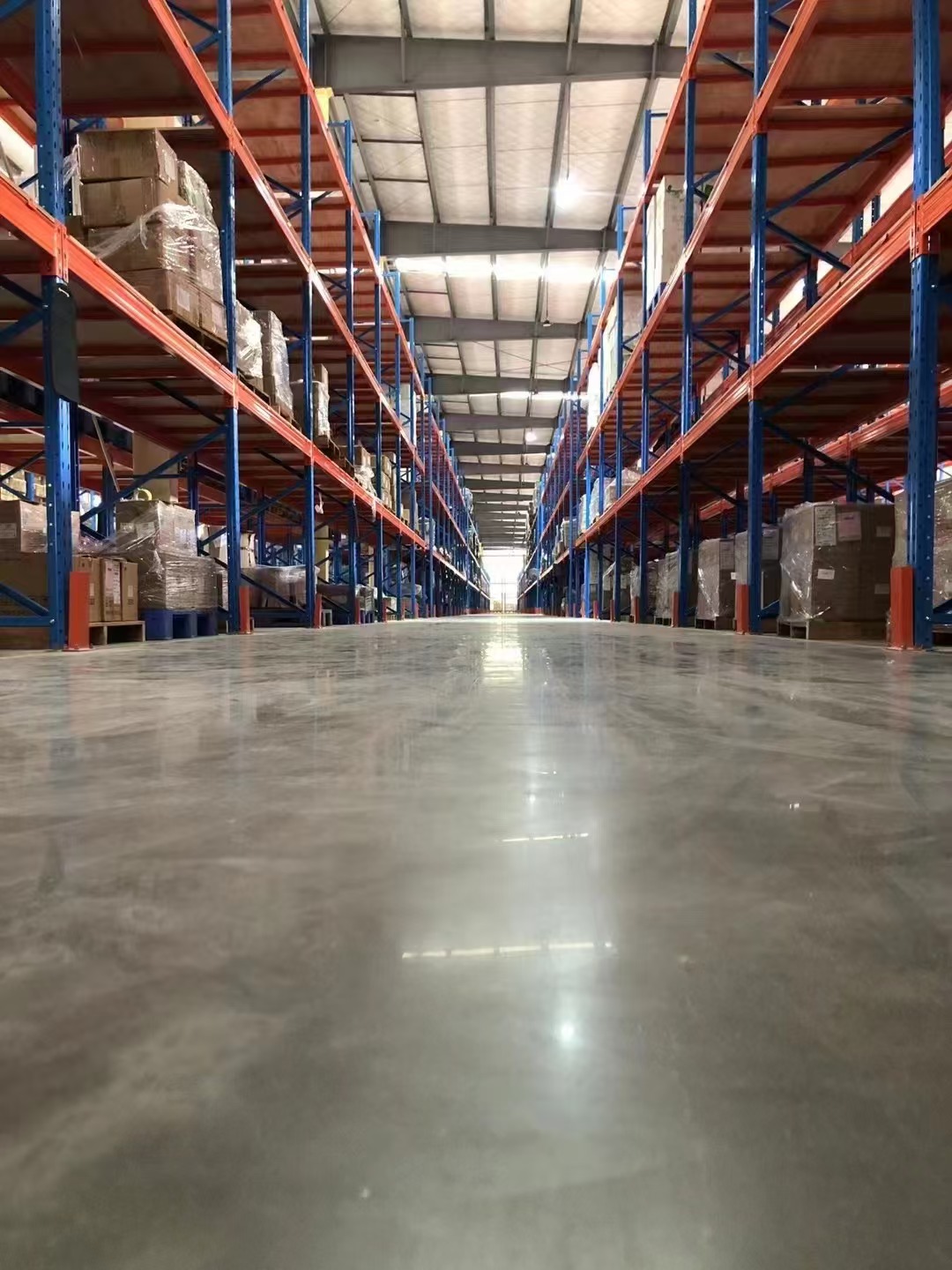
At its core, the concept is simple. A single deep racking system stores pallets one unit deep on each side of an aisle. Every single pallet is directly facing the aisle, ready to be picked.
This design is also known as selective pallet racking because it allows operators to “select” any pallet without moving others. You have one aisle, then a row of racking, then another aisle. It’s straightforward, predictable, and easy to understand.
The system is built from upright frames and horizontal load beams. You can adjust the beam heights to accommodate different load sizes. This flexibility is a huge part of its enduring popularity in warehouses worldwide.
Understanding the parts helps you plan better. A standard single deep rack setup isn’t complicated.
The upright frames are the vertical pillars. They feature a series of holes or slots that allow you to connect the horizontal beams at almost any height. These beams create the shelves that hold the pallets.
Often, wire mesh decking or pallet support bars are added across the beams. This provides a stable surface and improves safety. The “single deep” measurement is designed for the exact depth of one standard pallet, plus a little clearance.
This design creates clear, accessible aisles. The width of these aisles is crucial, as it determines the type of forklift you’ll need to operate efficiently within the racking system.
Why do countless warehouses default to this system? The benefits of a single deep racking system are practical and significant.
First, it offers 100% direct access to every SKU. No shuffling pallets, no waiting. This maximizes picking speed and simplifies inventory management practices like FIFO (First-In, First-Out).
Second, it works with standard forklifts. You don’t need expensive, specialized narrow-aisle or reach trucks. A regular counterbalance forklift can do the job, which keeps equipment costs and operator training requirements lower.
Third, it’s incredibly flexible and scalable. You can easily reconfigure beam heights as your inventory changes. Adding more bays to expand the system is usually straightforward. This modularity makes the single deep pallet rack a future-proof choice for growing businesses.
Of course, no system is perfect. The main trade-off for that great accessibility is storage density.
A single deep racking system requires more aisles than other configurations. This means you dedicate a larger percentage of your total floor space to travel lanes rather than actual storage. If your primary goal is to cram as many pallets as possible into a building, this isn’t the most efficient design.
It’s generally best for warehouses with a high number of SKUs and lower quantities of each. If you store large quantities of the same product, systems like drive-in or push-back racking might offer better density.
Also, since every pallet is accessible, it can be tempting to overload the system or neglect proper organization. Good warehouse discipline is essential to keep a selective racking system running smoothly and safely.
So, who should use it? The single deep racking system is the workhorse for several specific scenarios.
It’s ideal for distribution centers that handle many different products. Think of an e-commerce fulfillment center or a parts distributor where order pickers need rapid, random access to thousands of SKUs.
Cold storage facilities also benefit greatly. The quick, direct access minimizes the time freezer doors are open, saving energy and maintaining temperature. The simplicity of the system is a major advantage in these harsh environments.
Manufacturing plants use it for raw material and finished goods storage where production lines require a steady, accessible supply of components. Any operation with high inventory turnover and a need for excellent product visibility is a strong candidate for this racking system.
Jumping in without a plan is a bad idea. Proper installation of a single deep racking system requires careful forethought.
Start with your pallet data. Know the exact dimensions, weight, and height of your heaviest load. This information is non-negotiable for designing safe and functional racks.
Map your warehouse floor plan meticulously. Consider column locations, door swings, sprinkler heads, and traffic flow. The aisle width calculation is critical—it must accommodate your forklift’s turning radius with a safety margin.
Always, always involve a professional. An engineer or qualified rack designer will ensure the system is rated for your loads and complies with all local building and safety codes. They’ll also help you plan for seismic considerations if needed.
Your racking is a major investment and a critical safety structure. A well-maintained single deep racking system will last decades.
Start by never exceeding the posted load capacity. Those ratings are there for a reason. Use pallets that are in good condition; damaged ones can collapse or get stuck.
Install physical protection like column guards and end-of-aisle barriers. Forklift impacts are the number one cause of rack damage. These guards are cheap insurance.
Schedule regular, formal inspections. Have a trained person look for dents, bends, cracks, or any misalignment. Pay special attention to beam connectors and safety locks. A damaged upright frame often needs to be replaced entirely—it cannot be simply straightened.
It helps to see where it fits in the broader landscape. The single deep racking system is the baseline against which others are often measured.
Double-deep racking stores pallets two deep. It increases density but requires a deep-reach forklift and makes the rear pallet less accessible.
Drive-in racking turns aisles into storage lanes. It offers very high density but operates on a LIFO (Last-In, First-Out) basis and has slower throughput.
Push-back racking stores pallets several deep on slightly inclined carts. It offers good density and better selectivity than drive-in, but at a higher cost and mechanical complexity.
The choice always comes down to your core need: perfect accessibility (single deep selective) versus maximum storage density (other systems). For balanced, general-purpose warehousing, the single deep racking system is often the most logical and cost-effective starting point.
Q1: What is the minimum aisle width for a single deep racking system?
A1: There’s no universal minimum; it depends entirely on your forklift. For a standard counterbalance forklift, aisles are typically 11-13 feet. Using a narrow-aisle reach truck can reduce this to 8-10 feet. You must consult your forklift’s specification sheet for its exact turning radius and work with a layout planner.
Q2: Can I mix different pallet sizes in the same single deep system?
A2: Yes, the flexibility is a key advantage. By adjusting the beam heights and positions within the upright frames, you can create openings of different sizes within the same racking system bay. Just ensure each beam level is configured to properly support the specific pallet size and weight it will hold.
Q3: How much weight can a single deep rack typically hold?
A3: The capacity is not one number. It is determined by the specific components used—the thickness (gauge) of the upright frames and the beam type/size. Light-duty systems may hold 2,000 lbs per level, while heavy-duty versions can hold 15,000 lbs or more per level. Your supplier must provide engineered load capacity ratings for your configuration.
Q4: Is decking mandatory on the beams?
A4: While not always a strict requirement of the rack manufacturer, warehouse safety standards and insurance providers often require it. Decking (wire mesh or plywood) prevents products from falling, provides stability for pallets, and is crucial for fire protection in facilities with sprinkler systems. It is highly recommended.
Q5: We have very high ceilings. Can we build a single deep racking system very tall?
A5: Yes, but with important caveats. Very narrow-aisle (VNA) single deep racking systems can be built over 100 feet tall. However, this requires specialized turret trucks or stacker cranes, a perfectly flat and level floor, and significant engineering. For standard forklift operations, heights are generally limited by the safe lifting height of the truck, often around 20-25 feet.

 Wechat
Whatsapp
Wechat
Whatsapp