If you’re running out of space or spending too much time picking orders, you’ve likely looked into high-density storage. Among the options, gravity feed pallet racking systems stand out for their unique blend of efficiency and simplicity. They move the product to the picker, not the other way around.
But are they right for your operation? This article cuts through the noise. We’ll cover how they work, where they excel, and what you need to consider before investing.
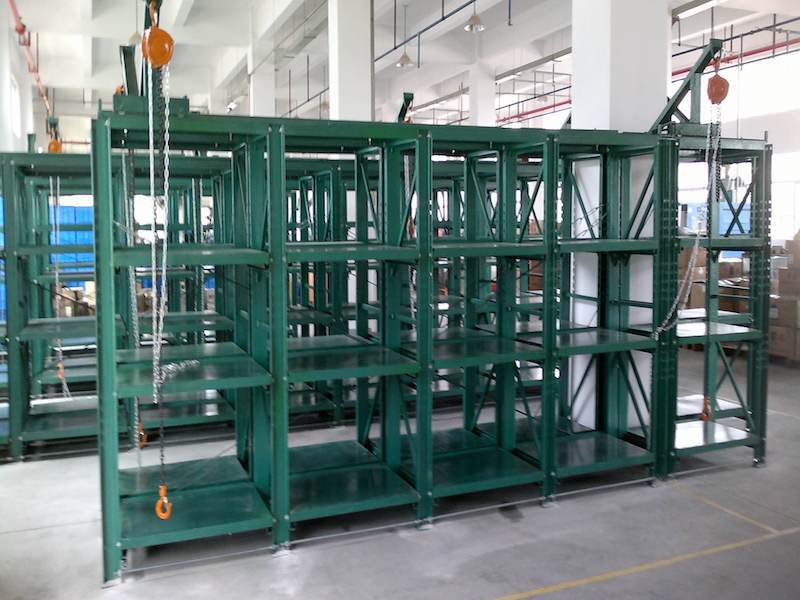
The principle is straightforward. Gravity feed pallet racking systems use inclined rails or wheels to create a flow. Pallets are loaded at the higher rear end of the system and move by gravity toward the lower front end, where order picking happens.
Think of it as a roller coaster for your inventory. The system consists of a few key components:
Inclined Rails/Wheel Tracks: These are the backbone. Steel rails or sets of wheels are set at a precise decline, typically between 3% and 5%.
Braking System: This is critical. Speed controllers or brake rollers are spaced along the tracks. They prevent pallets from gaining dangerous momentum and ensure they stop gently at the front.
Support Structure: Heavy-duty upright frames and beams hold multiple lanes of flow tracks, creating a multi-level, high-density storage block.
This design creates a first-in, first-out (FIFO) inventory flow automatically. The oldest pallet is always the next one presented at the pick face. It’s a core reason these are also called pallet flow racking systems.
Not every warehouse needs a gravity flow system. They solve specific problems. You’ll see gravity feed pallet racking systems delivering a strong return in these scenarios:
High-Volume, FIFO Inventory: Perfect for food and beverage, pharmaceuticals, or any sector with strict stock rotation or expiration dates.
Cold Storage Environments: Maximizing space is crucial in expensive cold storage or freezer facilities. Reducing aisle space with a high-density storage system like this directly cuts energy costs.
High-Throughput Picking: Operations with many SKUs but high volume per SKU. Instead of driving down a long aisle to multiple pallet locations, pickers stay at one face as pallets come to them.
Bulk Storage with Frequent Replenishment: They work well behind the scenes to feed forward picking areas, acting as a dynamic reserve.
If your operation has a wide range of very slow-moving items, a traditional selective rack might be more flexible. The gravity feed system thrives on consistency and volume.
Selecting a gravity flow rack isn’t just about dimensions. The details dictate performance and safety.
Pallet Specs are King: The weight, bottom board condition (stringer vs. block), and wood quality are non-negotiable starting points. Warped or damaged pallets will jam. Pallet flow systems are sensitive to this.
Wheel vs. Roller Tracks: Wheel tracks (series of small wheels) generally offer lower friction for smoother flow. Roller tracks (heavier-duty rollers) can handle higher loads and are more tolerant of minor pallet imperfections. Your supplier will advise based on your pallets.
Brake Configuration: The braking system must be matched to your pallet weight. Lighter loads need a different brake setup than heavy, dense loads. Properly calibrated brakes prevent impact damage at the front.
Lane Depth and Pitch: How many pallets deep will each lane be? Lane depth (e.g., 5 pallets deep) and the resulting incline angle are engineered calculations. Too shallow, and you waste structure. Too steep, and you risk control issues.
The Loading/Unloading Interface: Consider how forklifts will interact with the system. The rear loading bay needs proper clearance and protection. The front pick face often includes safety stops and presentation decks.
Getting these specs wrong leads to jams, damage, and frustration. A professional layout is essential.
The price of gravity feed pallet racking systems is higher per pallet position than simple selective rack. You’re paying for the mechanical flow technology and the dense configuration.
Major cost drivers include:
The Flow Tracks Themselves: The wheels, rollers, brakes, and rails are the most specialized and costly component. Higher weight capacities and specialized brake requirements increase cost.
System Depth and Height: More pallets deep per lane increases density and efficiency but requires longer, more robust tracks. Building higher with multiple tiers increases the frame and beam costs.
Pallet Compatibility Work: If your pallets are non-standard, in poor condition, or vary significantly, you may need higher-spec (and higher-cost) tracks or face costly pallet refurbishment programs.
Installation Complexity: Installing and leveling a gravity flow racking system is more precise than erecting standard rack. The incline must be consistent across the entire lane. Professional installation is highly recommended and adds to the project cost.
The business case isn't about cheapest storage; it's about cost per pick and space savings. The ROI comes from labor savings and maximizing your building’s cubic footprint.
Because of their complexity, gravity feed systems rely heavily on expert support.
Feasibility Analysis & Design: A reputable supplier will start with a deep dive into your pallets, SKU profile, and throughput. They use this data to model lane depth, flow speed, and overall configuration. This step avoids a costly mismatch.
Professional Installation: As mentioned, precision is key. Certified installers ensure the structure is perfectly level and the flow tracks are aligned and secured for reliable operation.
Ongoing Maintenance & Inspection: Unlike static rack, moving parts need attention. Service contracts often include regular inspection of brakes, wheels, and structural integrity to prevent unexpected downtime.
Retrofit and Expansion: Existing selective rack frames can sometimes be retrofitted with flow rails to create a hybrid system. Professionals can assess this possibility.
Skipping these services for a DIY approach is a significant risk with this type of industrial storage equipment.
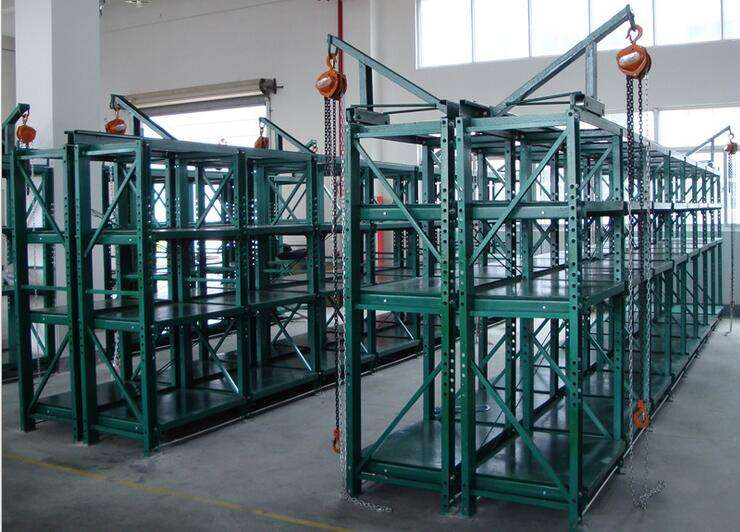
Safety in a gravity feed pallet racking system is about control and procedure.
Strict Pallet Quality Control: This is the number one rule. Implement a program to ensure only pallets in perfect condition enter the system. No broken boards, missing blocks, or protruding nails.
Regular Brake Inspection: Brakes wear. Schedule monthly checks to ensure they are holding and releasing correctly, preventing pallet collisions.
Load Balancing: Pallets should be evenly weighted and stable. Top-heavy or irregular loads can tip or jam.
Front Safety Protocols: Use the provided safety stops and arms. Never allow personnel to stand in front of a lane that is being loaded from the rear. Clear signage is a must.
Structural Anchoring: The entire structure must be anchored to withstand the dynamic forces of moving pallets, not just static weight.
A well-maintained system is a safe and fast system. Letting maintenance slide invites product damage and workplace accidents.
Q1: What’s the main difference between gravity feed and drive-in racking?
A1: Both are high-density, but access is different. Gravity feed pallet racking systems offer FIFO flow with no forklift entry into the storage lanes.