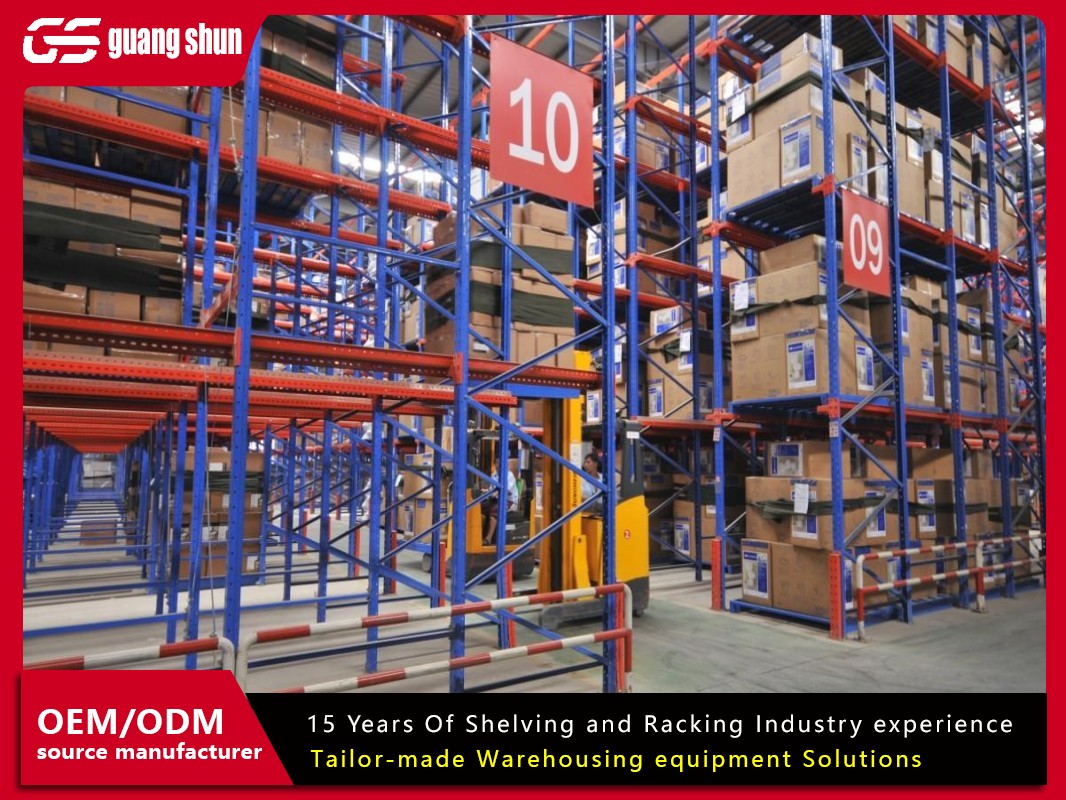
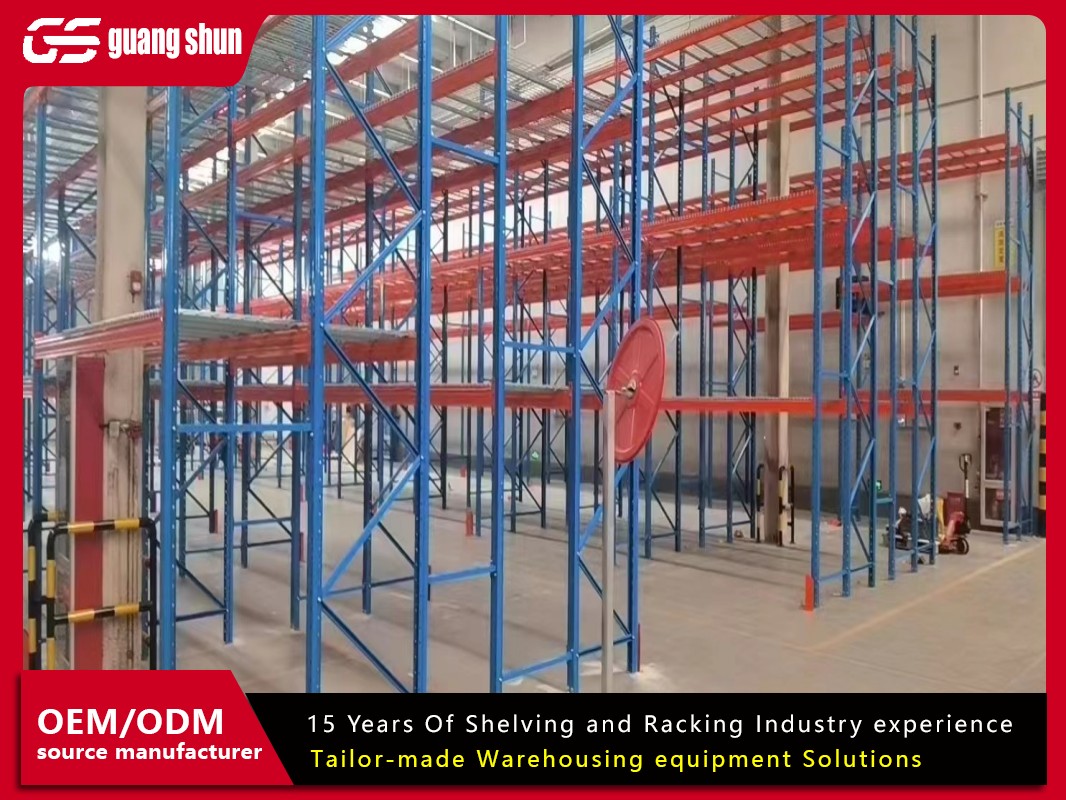
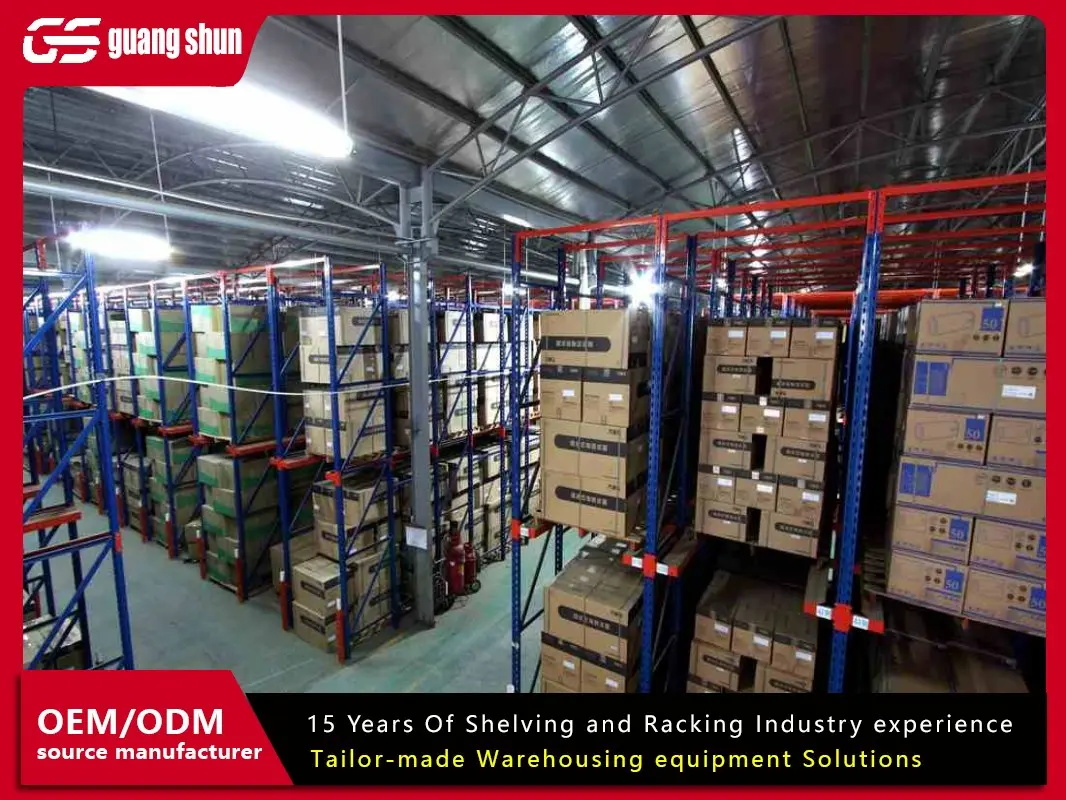
Every square foot in a warehouse is valuable real estate. How you use that space directly impacts your operation's efficiency, safety, and bottom line. The most critical decision in this process is selecting and implementing the right racks and shelves warehouse storage system.
This isn't just about buying metal. It's about building the physical framework for your logistics. The wrong choice leads to wasted space, difficult access, and potential safety hazards. The right system turns your warehouse into a model of productivity.
Let’s break down what you need to know to make an informed decision.
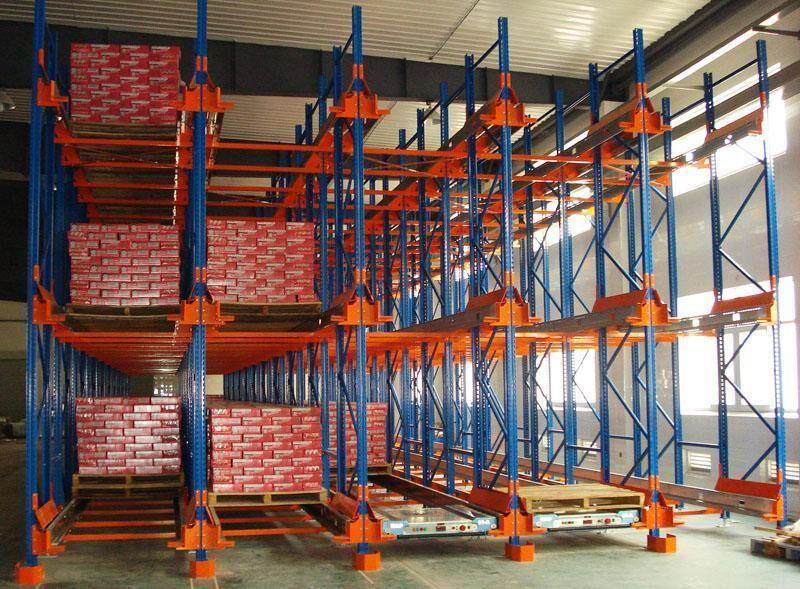
Broadly, warehouse storage solutions fall into two categories: racks and shelving. While the term racks and shelves warehouse is often used together, they serve distinct purposes.
Pallet Racking Systems are the heavy-duty backbone for bulk storage. They are designed to store unit loads on pallets, typically accessed by forklifts. Common types include:
Selective Pallet Racks: The most common system. They offer direct access to every pallet location, providing great flexibility for SKUs with high turnover.
Drive-In/Drive-Thru Racks: A high-density solution where forklifts drive directly into the rack structure. Ideal for storing large quantities of a few SKUs (like seasonal items). Drive-thru allows access from both sides.
Push-Back Racks: Another high-density option where pallets are stored on nested carts on an inclined rail. When a pallet is removed, the one behind it rolls forward. This system offers better selectivity than drive-in racks.
Cantilever Racks: Designed for long, awkward items like pipes, timber, or furniture. Arms extend from a central column, providing unobstructed access.
Industrial Shelving Units are for smaller, hand-picked items. They are perfect for parts, tools, or small case picking in a racks and shelves warehouse environment.
Boltless Shelving: Easy to assemble and reconfigure without tools. Common for lighter-duty storage.
Heavy-Duty Shelving: Built with thicker steel and higher weight capacities for bulkier boxes or smaller drums.
Mobile Shelving Systems: Shelving units mounted on carriages that move on tracks, eliminating static aisles. This can increase storage density by up to 100% in the same footprint.
Selecting between racks, shelves, or a combination comes down to your inventory and workflow.
Consider Your Inventory Profile.
Load Size & Weight: Pallets over 500 kg? Look at pallet racking. Boxes under 50 kg? Industrial shelving is likely sufficient.
SKU Count & Variety: A high number of unique SKUs often favors selective racks and shelving for easy access. High volume of few SKUs points to dense solutions like push-back racks.
Product Dimensions: Long items need cantilever racks. Small, uniform boxes work well on standard shelving.
Analyze Your Operational Flow.
Picking Method: Is it full-pallet retrieval or individual item picking (order picking)? Shelving is often king for order picking zones.
Access Frequency (FIFO vs. LIFO): Do you need First-In, First-Out (like perishable goods)? Selective racks support this. Last-In, First-Out (like bulk paper goods) can be handled by drive-in racks.
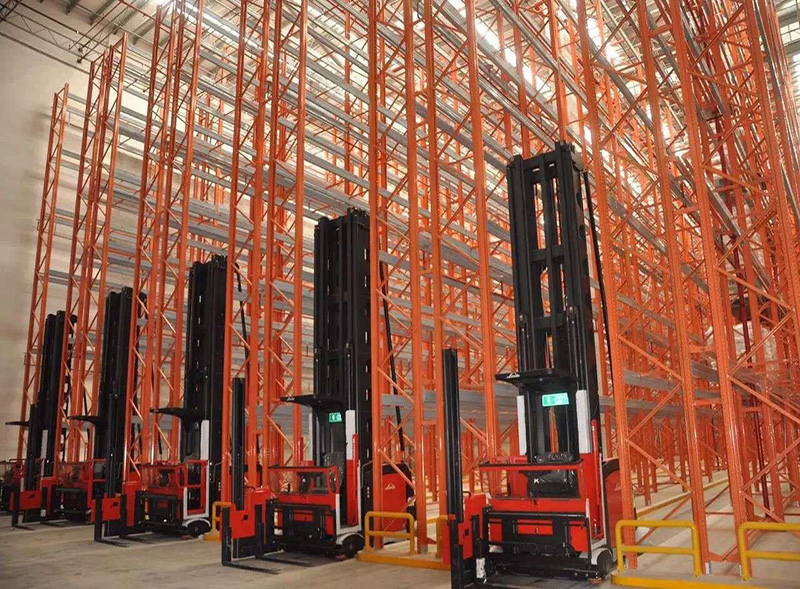
Equipment Used: The type of forklifts or order pickers you have determines aisle width and rack height. Very narrow aisle (VNA) trucks require specific racking structures.
Evaluate Your Space Constraints.
Building Height: Clear ceiling height is your most underutilized asset. High-bay warehouses can use tall racks and shelves warehouse systems to maximize cube space.
Floor Space & Layout: Map out your required aisle space for equipment movement. Dense storage systems reduce aisles but may sacrifice some accessibility.
The price of a racks and shelves warehouse system isn't just the sticker price of the equipment.
Upfront Investment:
Material & Manufacturing: Costs vary by type, steel gauge, and load capacity. Selective racking has a lower entry point than automated systems. Heavy-duty shelving costs more than light-duty.
Design & Engineering: A proper layout from a qualified supplier prevents costly mistakes.
Installation: Professional installation is crucial for safety and integrity. Factor this into your quote.
Long-Term Value & Hidden Costs:
Durability & Warranty: A cheaper, lighter system may need replacement sooner. Invest in quality for a long-term asset.
Reconfigurability: Boltless systems offer future flexibility at lower cost. Welded structures are permanent.
Operational Efficiency Gains: The right system pays for itself through faster picking, reduced labor, and better space utilization. Calculate the cost of not upgrading.
Ignoring technical details can lead to catastrophic failure.
Load Capacity & Beam Design.
Every component has a rated capacity. The rack beam is critical. Ensure beams use a positive lock connection (like a teardrop or safety clip) and are rated for your intended load, including the weight of the pallet.
Floor Conditions and Anchoring.
Racks must be anchored to a concrete floor to withstand seismic activity and impact. The floor must be level and strong enough to bear the point loads. A professional will assess this.
Safety and Compliance Standards.
Systems should comply with local building codes and industry standards (e.g., RMI in North America). Regular inspections for damage (especially from forklift impacts) are non-negotiable in any racks and shelves warehouse.
Integration with Other Systems.
Will your racks and shelves warehouse setup work with conveyors, mezzanines, or future warehouse management system (WMS) barcode scanning? Plan for integration from the start.
Don't just shop online. Look for a partner.
What to Look For:
Industry Experience: Seek companies that specialize in racks and shelves warehouse solutions, not general hardware.
Design Services: They should offer a CAD layout or 3D visualization of your proposed system.
Project Management: Can they handle the entire process: design, delivery, and installation?
Safety Focus: They should insist on proper site evaluations and provide clear load capacity documentation.
The Process:
Consultation: Share your inventory data, floor plans, and goals.
Design & Proposal: Review their recommended layout and quote.
Site Prep: Prepare the area as directed (floor markings, clearing space).
Installation: Let certified professionals do the work.
Inspection & Training: Get a final walkthrough and train your staff on safe use.
Q1: What is the main difference between warehouse racks and shelves?
A1: The core difference is in what they store and how they are accessed. Racks are primarily for heavy, unitized loads on pallets, handled by forklifts. Shelves are for smaller, individual items or boxes that are typically picked by hand. A complete racks and shelves warehouse strategy often uses both.
Q2: How do I calculate the load capacity needed for my racks or shelves?
A2: Always calculate based on the heaviest pallet or item you will store, not the average. Include the weight of the pallet itself. For shelving, consider the weight per shelf and the overall unit capacity. A reputable supplier will help with these calculations and engineer a system with an appropriate safety factor.
Q3: How often should warehouse racking be inspected?
A3: Formal, documented inspections by a competent person should be conducted at least annually. However, employees should be trained to perform and report basic visual checks for damage (like bent beams or loose connections) on a weekly or monthly basis. Any impact from a forklift necessitates an immediate inspection.
Q4: Can I mix different types of storage systems in one warehouse?
A4: Absolutely. This is often the most efficient approach. For example, you might use push-back racks for full-pallet storage of best-selling items, selective racks for slower-moving pallets, and industrial shelving for a dedicated order picking zone. This is the essence of an optimized racks and shelves warehouse layout.
Q5: What are the first steps in planning a new warehouse storage system?
A5: Start with data: list all SKUs with dimensions, weights, and turnover rates (how often they are shipped). Have a detailed floor plan of your space, including ceiling height, column locations, and door placements. Then, consult with a few experienced storage solution providers to get layouts and proposals based on this concrete information.

 Wechat
Whatsapp
Wechat
Whatsapp