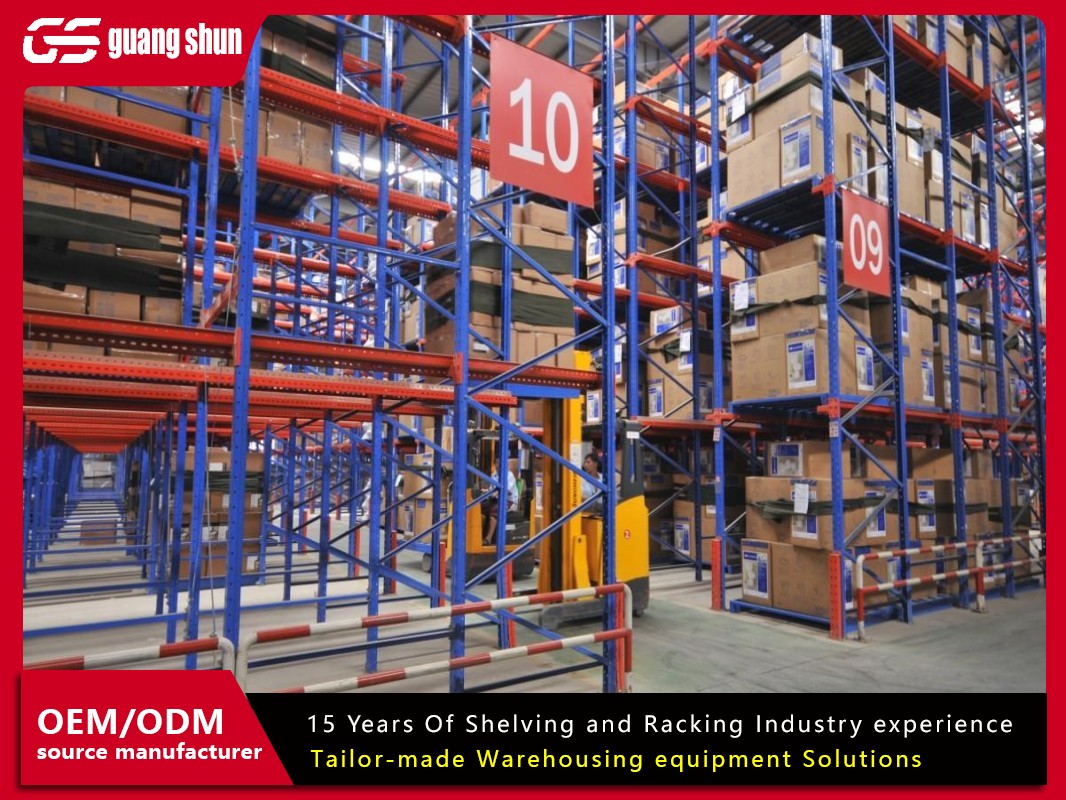
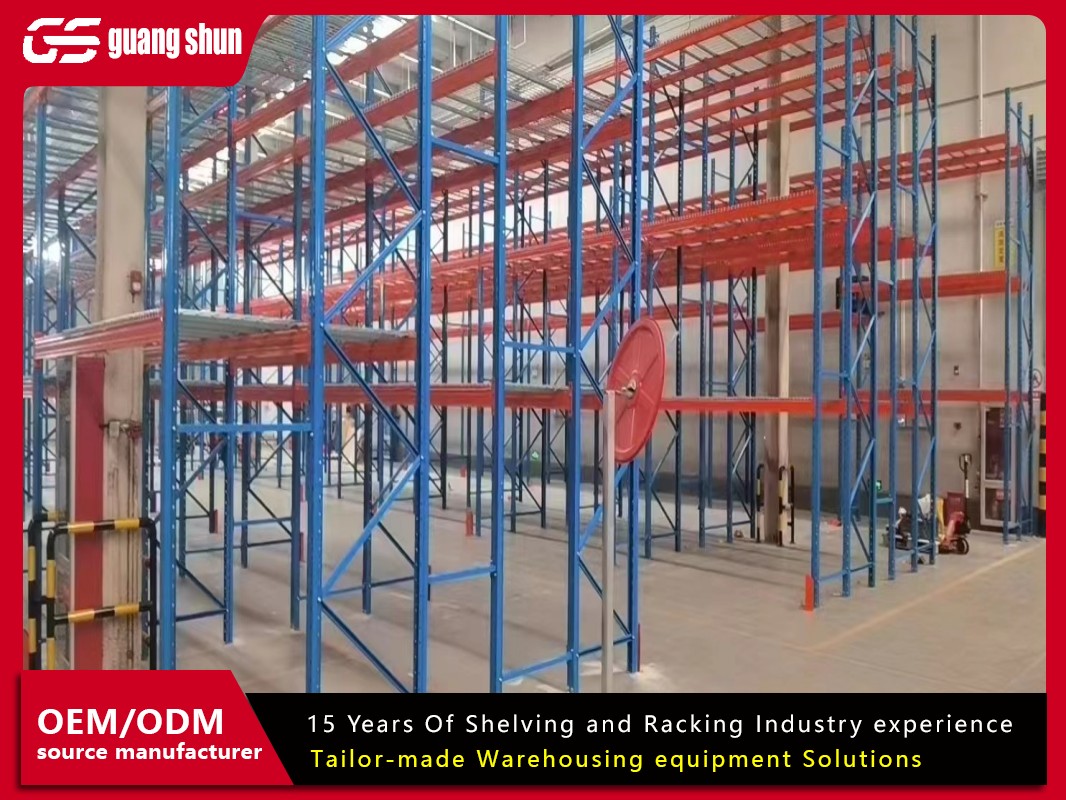
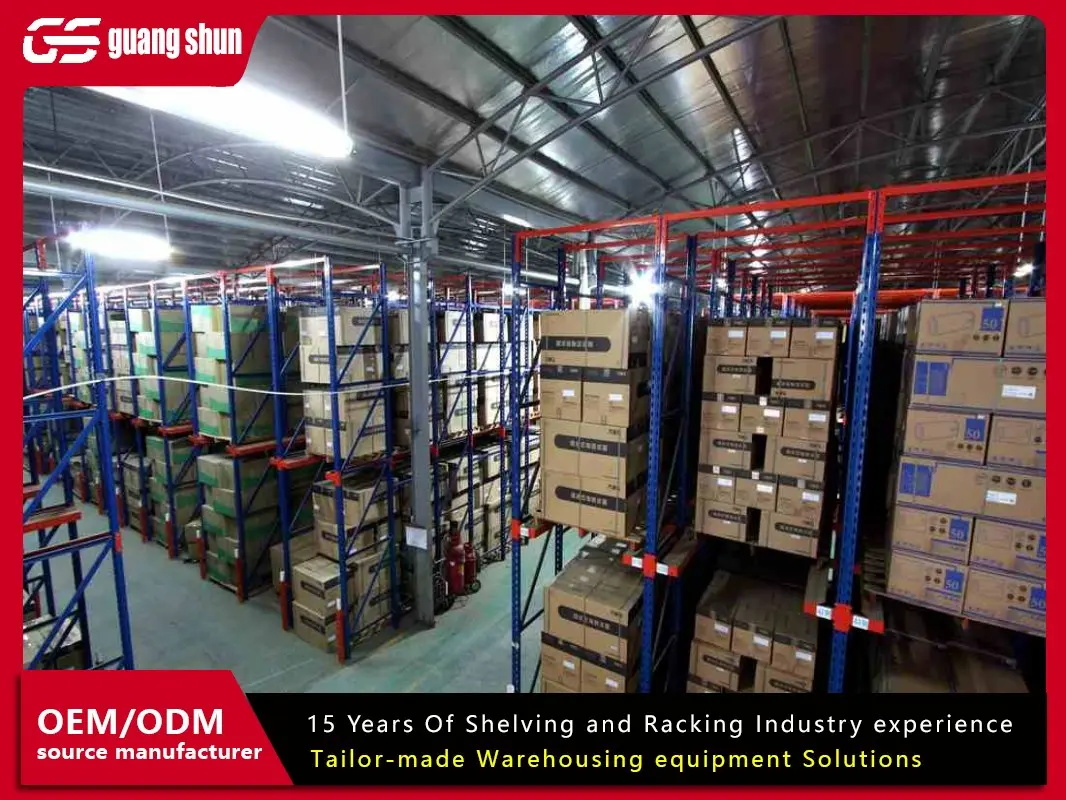
Choosing warehouse racks is one of the most impactful decisions for your operation. Get it right, and you unlock efficiency, safety, and scalable growth. Get it wrong, and you face daily frustrations, wasted space, and potential hazards.
This isn't about buying generic steel. It's about engineering your storage infrastructure. A well-planned rack warehouse system directly boosts your bottom line by maximizing every cubic foot.
Let's walk through the key considerations, costs, and technical details you need to make a smart choice.
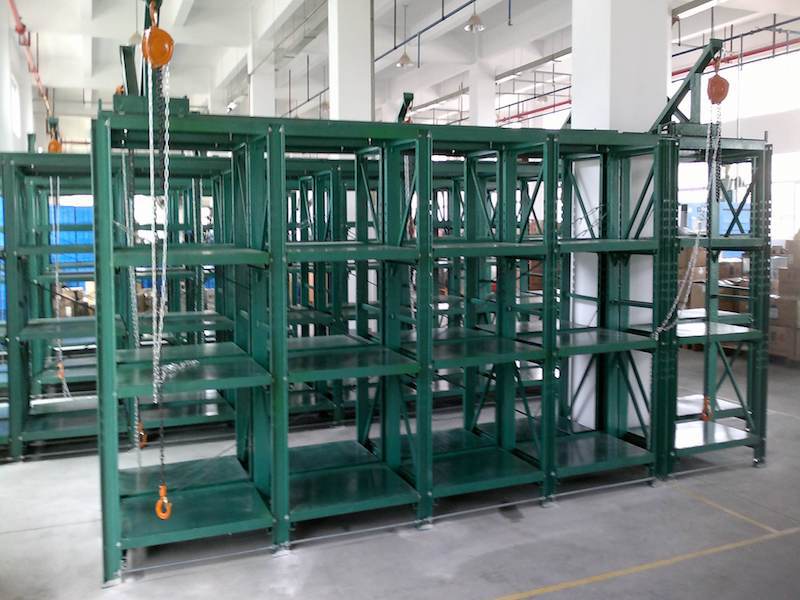
When people say "rack warehouse," they are usually referring to pallet racking. This is the framework that stores unitized loads on pallets, designed for forklift access. The type you choose defines your warehouse's flow.
Selective Pallet Rack is the industry standard. It's an open-shelf system where every pallet position is directly accessible. This offers maximum flexibility for operations with a wide variety of SKUs. It’s the go-to choice for most general rack warehouse applications.
Drive-In Rack is a high-density storage solution. Forklifts drive directly into the rack structure to place and retrieve pallets. It’s ideal for storing large quantities of fewer products, like seasonal items or beverages. It typically operates on a Last-In, First-Out (LIFO) basis.
Push-Back Rack also prioritizes density but offers better selectivity than drive-in. Pallets are stored on nested carts on inclined rails. When a front pallet is removed, the next one rolls forward. This allows for multiple pallets deep per lane, with access to each SKU from a single aisle.
Cantilever Rack is designed for long, awkward items. Think lumber, piping, or furniture. Arms extend from a central column, providing clear, unobstructed access to lengthy stock. This is a specialist system within a broader rack warehouse strategy.
Your inventory and workflow should dictate your racking choice, not the other way around. Ask these questions.
What is your inventory profile? Analyze your pallet load dimensions, weights, and the total number of SKUs. Heavy, uniform loads suit drive-in systems. Lighter, diverse loads are better for selective rack.
How is product moved? The equipment you use—forklift type, reach trucks, order pickers—determines aisle width. Standard counterbalance forklifts need wide aisles. Narrow-aisle reach trucks can work with selective rack in tighter spaces, boosting your rack warehouse density.
What is your picking methodology? Is it full-pallet retrieval, case picking, or piece picking? Selective rack supports all methods easily. High-density systems are primarily for full-pallet storage and retrieval.
What are your growth plans? Will your SKU count explode, or will you deepen existing product lines? Selective rack is easier to reconfigure. Dense systems require more careful long-term planning.
Budgeting for racks means looking beyond the per-unit price tag. Consider the total project cost and the long-term value.
Upfront costs include the rack components (uprights, beams, wire decking), professional design and engineering services, delivery, and certified installation. Never skip on professional installation; a poorly erected rack warehouse is a safety and liability nightmare.
Ongoing costs involve regular safety inspections, potential reconfiguration labor, and replacement parts for damaged components. Factor in the cost of floor marking and signage for safety and efficiency.
However, the right system also generates a return. Calculate the value of increased storage capacity, faster picking times, reduced product damage, and improved safety. A more efficient rack warehouse pays for itself over time through operational gains.
This is where the rubber meets the road. Overlooking technical details can lead to catastrophic failure.
Load capacity is paramount. Every component has a rated capacity—upright frames, beams, and decking. Your rack design must account for the heaviest pallet load, including the pallet's weight. Engineers apply a safety factor, but you must provide accurate data.
Beam connections are critical. Most modern racks use a teardrop or safety clip design that provides a positive mechanical lock. Ensure beams are fully seated and that safety locks are engaged after installation and any reconfiguration.
Anchoring to the concrete floor is non-negotiable. Anchors resist seismic forces and prevent uprights from tipping if struck. The floor must be level and have sufficient compressive strength to handle the point loads.
Compliance with standards is essential. In North America, look for racks designed and installed per the Rack Manufacturers Institute (RMI) specifications. Regular inspections, as outlined by OSHA and RMI, are a legal and practical necessity for any safe rack warehouse.
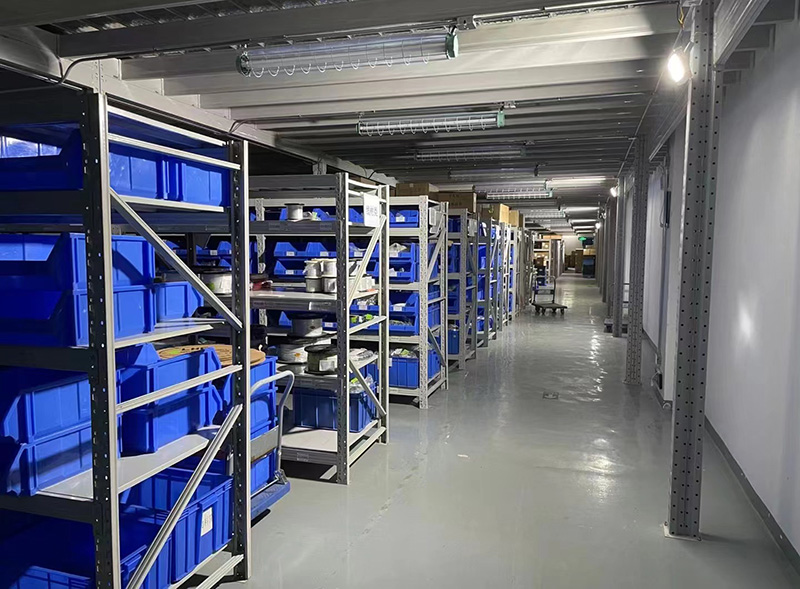
Your rack supplier should be a consultant. Here’s how to vet them.
Look for a company with proven experience in designing and installing rack warehouse systems. They should ask detailed questions about your inventory, equipment, and workflow before suggesting a solution.
They must provide a professional layout, often a CAD drawing, showing the proposed system's footprint, aisle widths, and flow patterns. This allows you to visualize the final result.
A full-service partner manages the entire process: site evaluation, design, supply, installation, and post-installation inspection. They should also offer training for your staff on safe loading and unloading procedures.
Finally, they should prioritize safety over upselling. A reputable supplier will insist on proper engineering for your specific loads and site conditions.
Q1: How high can warehouse racks be built?
A1: The maximum height is primarily determined by your building's clear ceiling height and the capabilities of your material handling equipment (like reach trucks). In practice, a standard rack warehouse might have racks up to 30-40 feet. Very narrow aisle systems can go much higher, but require specialized buildings and equipment.
Q2: Can I install racking myself to save money?
A2: It is strongly discouraged. Professional installers have the training, tools, and knowledge to ensure the system is level, plumb, properly anchored, and meets all safety standards. DIY installation risks structural failure, voided warranties, and serious safety liabilities.
Q3: How often should racking be inspected, and what should we look for?
A3: A formal inspection by a competent person should occur at least annually. Employees should be trained to do visual checks weekly or monthly. Look for visible damage: bent or dented uprights or beams, loose or missing connectors, dislodged anchors, or pallets overloaded or improperly placed.
Q4: What's the difference between roll-formed and structural steel rack?
A4: Roll-formed rack is made from coiled steel formed into shapes. It's cost-effective and strong for most applications. Structural rack is made from heavy welded steel beams. It's used for extreme loads, seismic zones, or very tall installations. Your supplier will specify the right type for your rack warehouse needs.
Q5: Are used warehouse racks a good option?
A5: They can be, but caution is vital. You must ensure all components are from a compatible manufacturer and system, have documented load capacities, and are free of damage or excessive wear. Missing parts can be hard to source. For critical, high-use operations, new racks with a warranty and engineering certification are often the safer choice.

 Wechat
Whatsapp
Wechat
Whatsapp