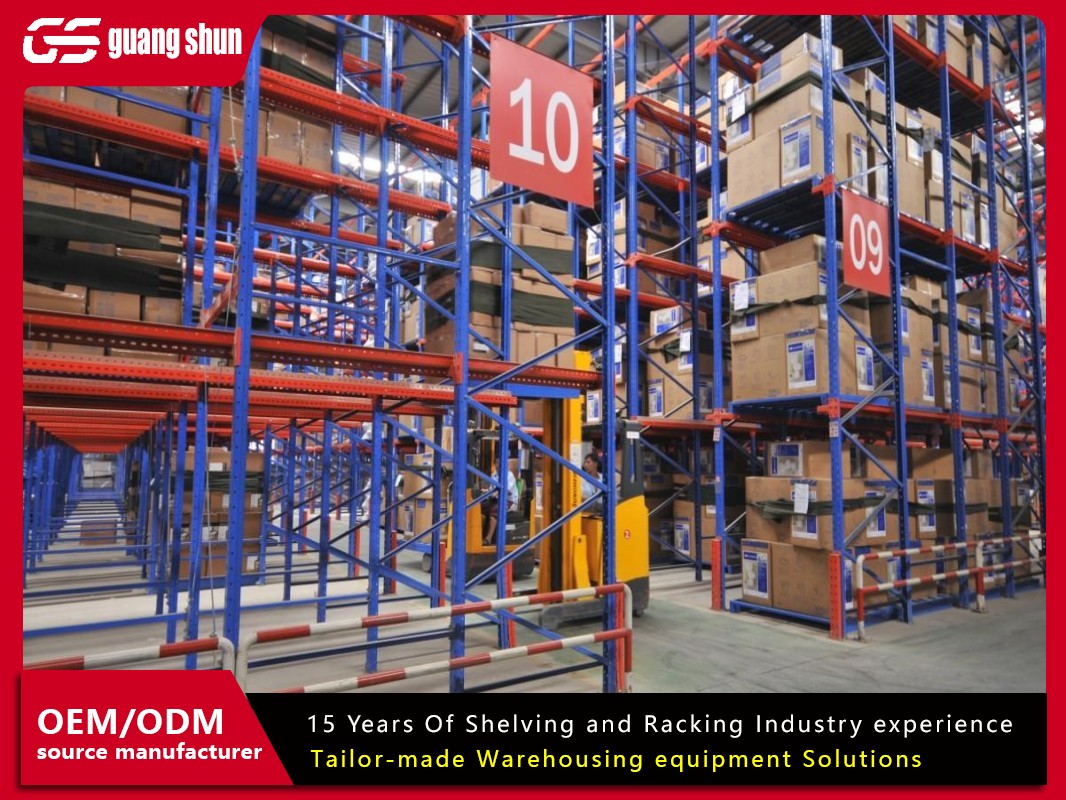
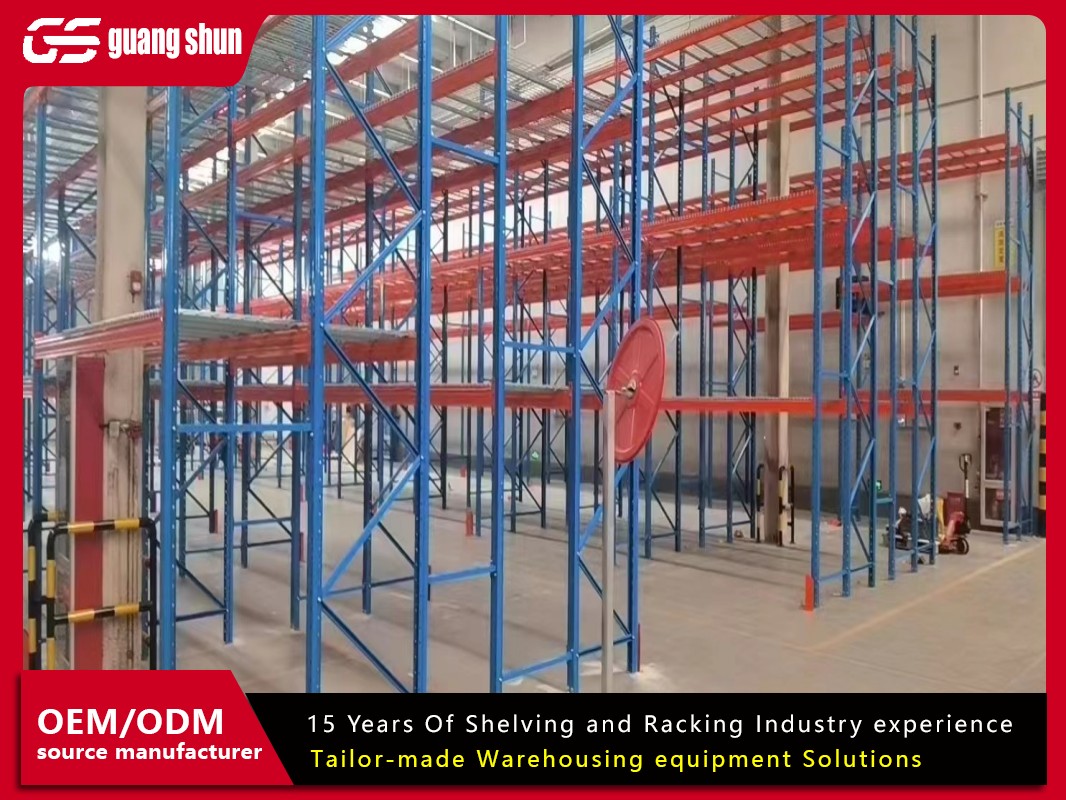
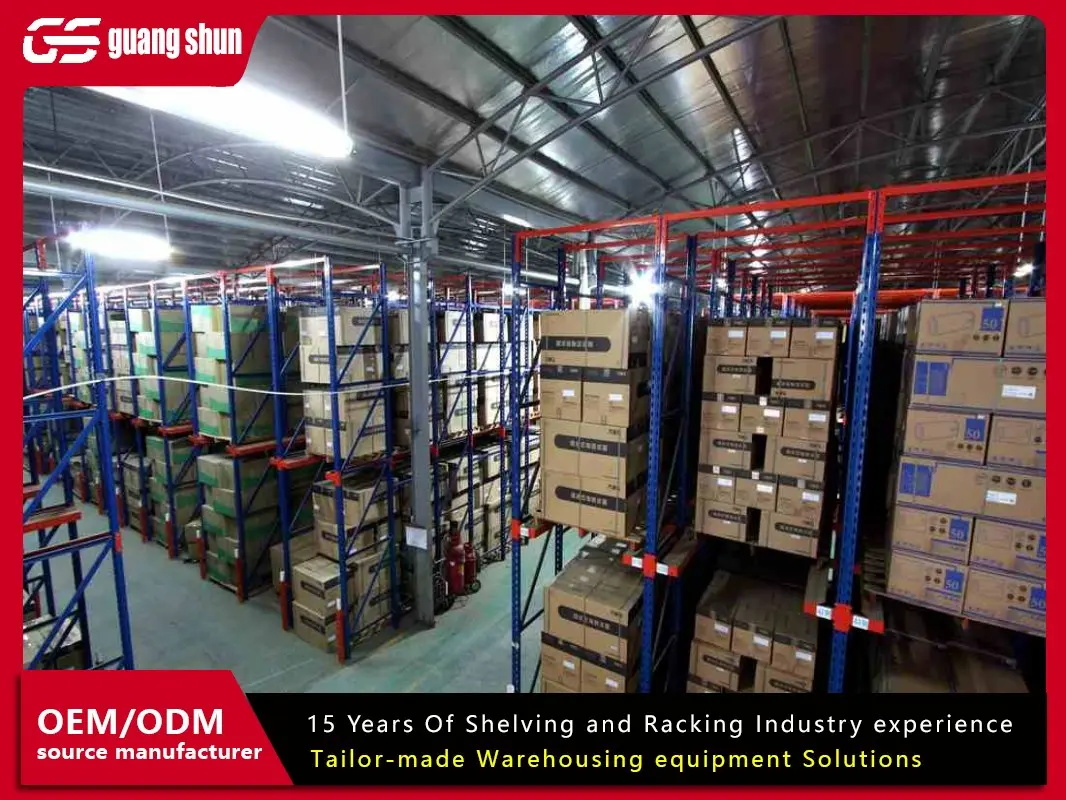
Modern logistics demands innovative solutions to store more goods in less space. A high rack warehouse is a popular answer, using vertical space to maximize storage capacity. These structures can transform operational efficiency. However, planning one requires careful thought. This guide addresses seven crucial questions to consider for a successful project.
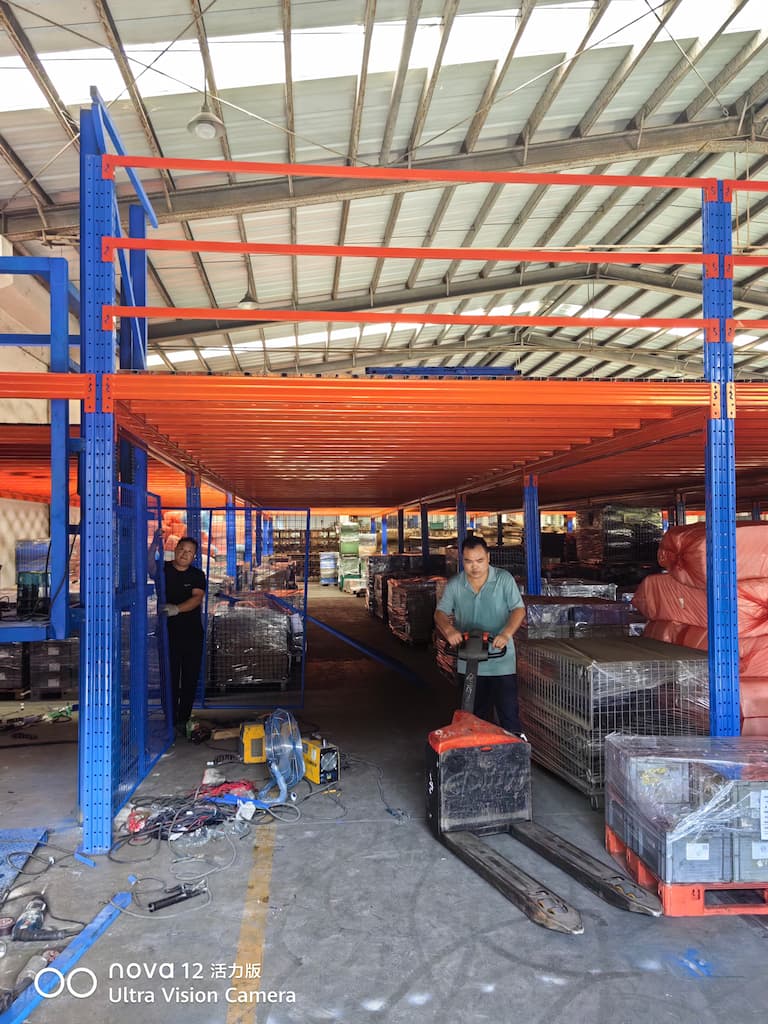
A high rack warehouse is a storage facility designed around tall shelving systems. These racks typically exceed 10 meters in height. They rely on specialized equipment for storing and retrieving pallets. The core idea is to build upward, not outward, to optimize land use. This approach is central to modern automated storage and retrieval systems (AS/RS).
Not every tall storage area qualifies. Specific features define this warehouse type.
Significant Height: Structures often range from 12 to over 40 meters.
Integrated Racking: The storage system is part of the building's structural design.
Specialized MHE: Uses narrow-aisle forklifts, stacker cranes, or shuttles.
High Density: Aims to store the maximum number of pallets per square meter.
Investing in a high rack warehouse brings several operational and financial advantages. The benefits extend beyond simple storage gains.
This is the most obvious benefit. By building vertically, companies drastically increase storage capacity on the same footprint. This is vital in urban areas or industrial parks where land is expensive or scarce. It allows for business growth without needing more physical space.
Advanced systems offer excellent organization and control.
Clear lane and level organization for every SKU.
Integration with Warehouse Management Systems (WMS) for real-time tracking.
Better stock rotation control, supporting both FIFO and LIFO methods.
Automation and optimized layouts reduce time and labor.
Reduced travel time for picking and storing goods.
Higher throughput with automated cranes and conveyors.
Lower energy costs per pallet stored due to efficient operations.
Building a high rack warehouse is a major project. Several factors must be analyzed during the planning phase to ensure success.
The design depends entirely on what you store. Key questions include:
What are the dimensions and weight of your pallets?
How many different SKUs do you manage?
What are your turnover rates for different product groups?
This analysis determines rack configuration, aisle width, and required handling speed.
The rack height directly dictates your material handling equipment (MHE).
Up to 12-15 meters: High-reach forklifts may be sufficient.
Above 15 meters: Automated stacker cranes become necessary.
For very high density: Pallet shuttles within the racks might be ideal.
Equipment choice is a major cost and efficiency driver.
Tall structures face strict rules. You must account for:
Local building codes and height restrictions.
Wind load and seismic calculations for structural integrity.
Advanced fire protection systems, like in-rack sprinklers.
Comprehensive safety protocols for workers and equipment.
The initial investment is significant. A clear financial analysis is essential to justify the project and plan for a positive return.
Major expenses go beyond just the racks.
Civil Work: Foundation, flooring, and building shell.
Racking System: The primary storage structure.
Material Handling Equipment: Forklifts, cranes, or automated systems.
Software & Controls: WMS, WCS, and automation software.
Consulting & Installation: Professional planning and setup services.
Benefits that contribute to ROI include:
Savings from avoided land purchase or rental.
Reduction in labor costs through higher efficiency.
Lower energy costs per stored unit.
Reduced inventory loss due to better organization.
Increased throughput supporting business growth.
A high rack warehouse is a powerful tool for businesses needing dense, efficient storage. It offers a smart solution for space constraints and can significantly boost operational metrics. Success depends on thorough planning, a clear understanding of inventory needs, and a realistic budget. By answering these key questions, you can make an informed decision about implementing this advanced storage solution.
Q1: How tall can a high rack warehouse actually be?
A1: There is no universal limit, but practical heights typically range from 10 to 45 meters. The final height depends on local building codes, fire safety regulations, the capabilities of available material handling equipment (like stacker cranes), and the structural engineering of the racking system itself.
Q2: What type of goods are best suited for this warehouse?
A2: These warehouses excel with high quantities of uniform, palletized goods. They are ideal for products with a medium to high turnover rate. Industries like beverages, packaged food, pharmaceuticals, and automotive parts commonly use them. Fragile or extremely irregularly shaped items may require special adaptations.
Q3: Are high rack warehouses safe in case of fire or earthquake?
A3: Safety is a primary concern. Modern designs incorporate strict measures. These include in-rack sprinkler systems, advanced smoke detection, and structural designs that account for seismic activity. Regular inspections and adherence to safety protocols for equipment operation are mandatory to maintain a safe environment.
Q4: What is the lead time for building one?
A4: Lead times vary widely based on complexity. A project can take anywhere from 6 months for a simpler system to over 24 months for a fully automated, large-scale facility. Timeline factors include design, permitting, construction of the building shell, manufacturing and installation of racks, and integration of software and automation.
Q5: Can existing warehouses be converted into high rack systems?
A5: Conversion is possible but challenging. It requires a thorough analysis of the existing building's ceiling height, floor strength, column spacing, and fire protection. Often, the cost and disruption of reinforcing an old building make new construction a more viable option for achieving significant height and efficiency gains.

 Wechat
Whatsapp
Wechat
Whatsapp