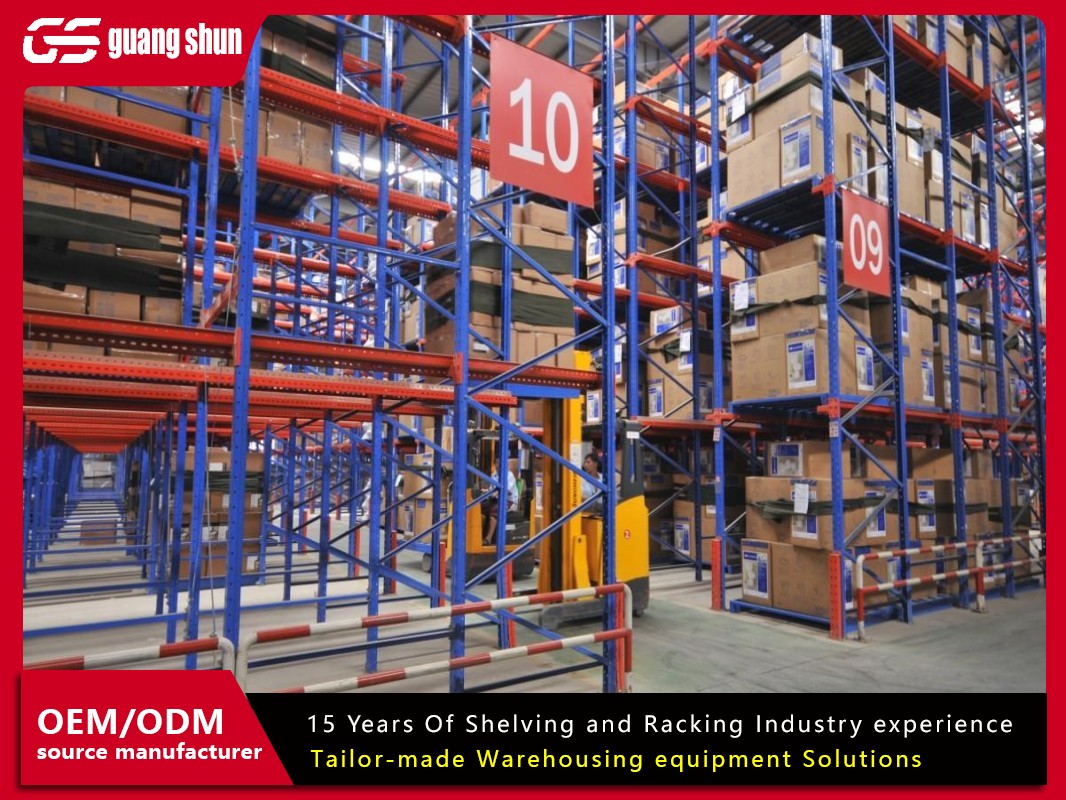
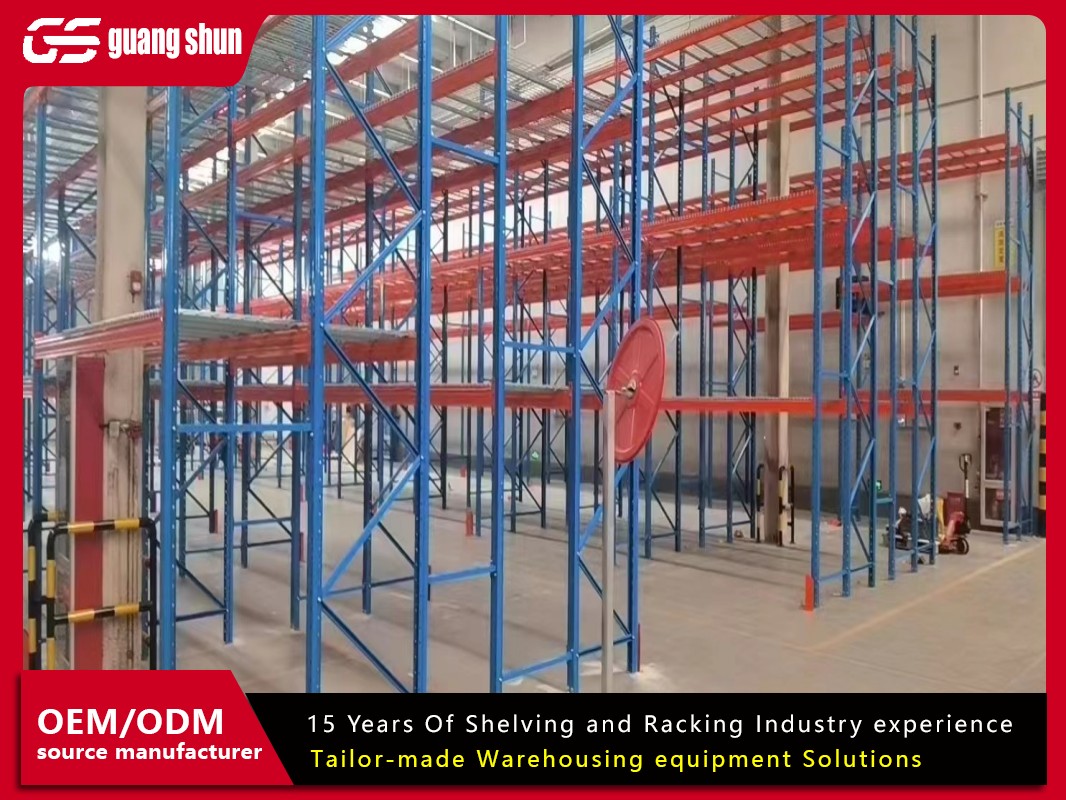
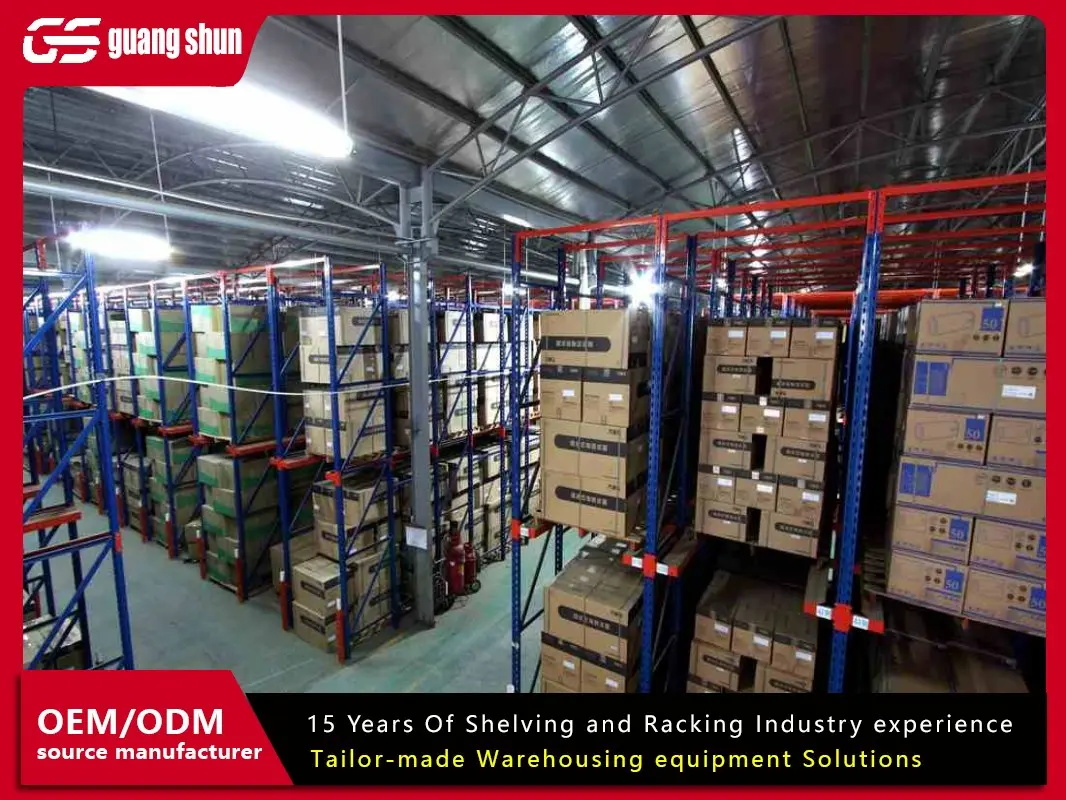
Tall warehouse shelving has become a game-changer in modern storage solutions. With space at a premium, businesses are looking upward to maximize their storage capacity. This article dives deep into the practical aspects of implementing and maintaining tall warehouse shelving. We’ll explore key factors that can help you make informed decisions, improve efficiency, and ensure safety.
Whether you’re setting up a new facility or upgrading an existing one, these insights will guide you through the process. Let’s get started on understanding how tall warehouse shelving can transform your operations.
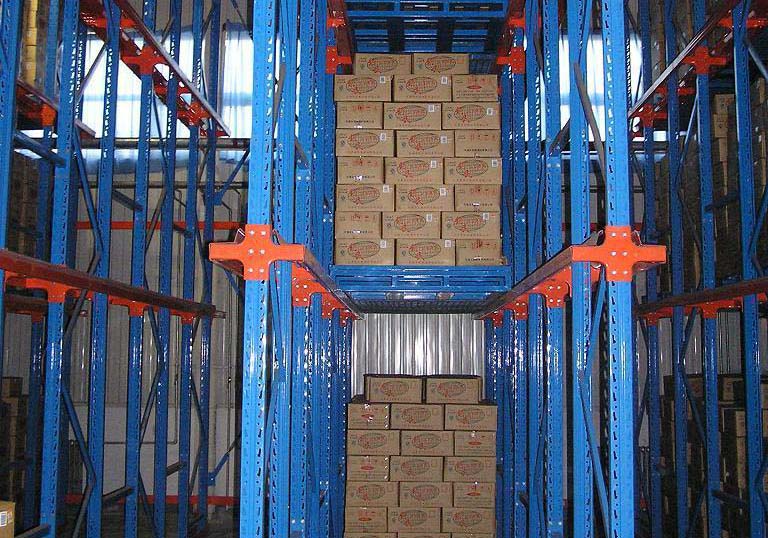
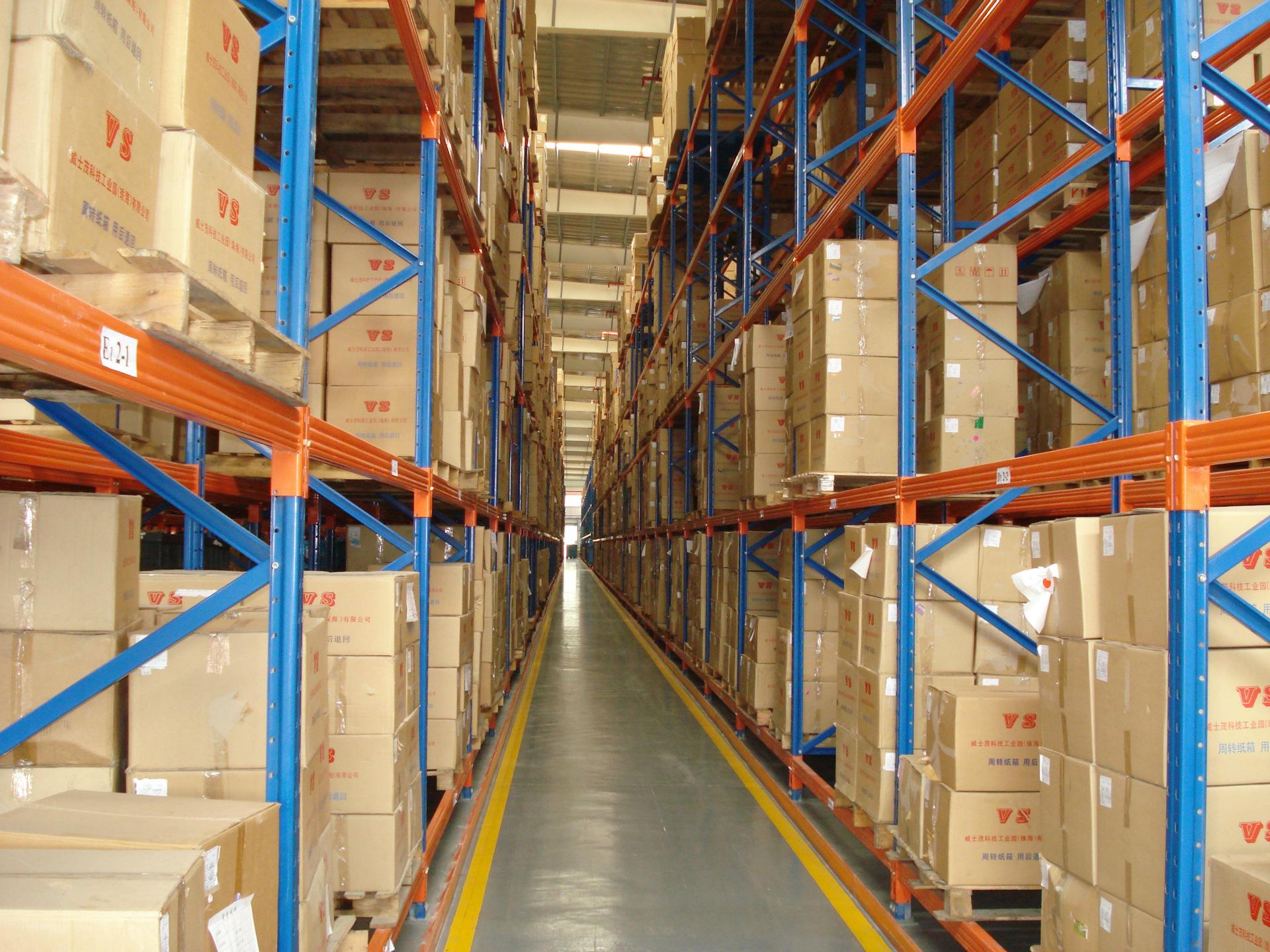
Tall warehouse shelving refers to storage systems that utilize vertical space, typically reaching heights of 10 feet or more. These systems are designed to store items in a high-density format, making them ideal for warehouses with limited floor space. Unlike standard shelving, tall warehouse shelving often incorporates robust materials and engineering to support heavy loads at elevated levels.
This type of shelving is commonly used in industries like logistics, manufacturing, and retail. It allows businesses to store more inventory without expanding their footprint. By going vertical, you can significantly increase your storage capacity. Tall warehouse shelving systems come in various configurations, including selective, drive-in, and pallet racking styles.
Key components include upright frames, beams, and decking. The design focuses on stability and accessibility. When planning for tall warehouse shelving, it’s crucial to consider factors like load capacity, aisle width, and retrieval methods. This foundation sets the stage for efficient warehouse management.
Implementing tall warehouse shelving offers numerous benefits. First, it maximizes storage density. By using vertical space, you can store more goods in the same area. This is especially valuable in urban settings where real estate costs are high. Tall warehouse shelving helps reduce the need for additional facilities.
Second, it improves inventory organization. With proper labeling and zoning, items are easier to locate and retrieve. This streamlines operations and reduces picking errors. Tall warehouse shelving systems can be customized to fit specific product sizes and weights.
Third, it enhances cost-efficiency. Although initial installation might require investment, the long-term savings on space and labor are substantial. Tall warehouse shelving reduces travel time for workers and optimizes workflow. Additionally, it can integrate with automation technologies for even greater efficiency.
Lastly, tall warehouse shelving supports scalability. As your business grows, you can add more levels or reconfigure the system. This flexibility makes it a future-proof solution. Overall, leveraging vertical storage through tall warehouse shelving is a smart move for any warehouse manager.
A well-thought-out layout is critical for the success of tall warehouse shelving. Start by assessing your available space. Measure the ceiling height, floor area, and any obstructions like columns or doors. This data will inform the design of your tall warehouse shelving system.
Consider the flow of operations. Place high-demand items in easily accessible locations. Use lower levels for frequently picked goods and higher levels for bulk storage. This minimizes the need for excessive reaching or climbing. Aisles should be wide enough for equipment like forklifts or order pickers to maneuver safely.
Factor in load requirements. Calculate the weight and dimensions of your inventory to determine the shelving specifications. Tall warehouse shelving must be engineered to handle the intended loads without compromising safety. It’s advisable to consult with professionals during this phase.
Also, think about future needs. Design the layout with expansion in mind. Modular tall warehouse shelving systems allow for adjustments as inventory changes. Proper planning ensures that your tall warehouse shelving setup is both functional and adaptable.
Safety is paramount when dealing with tall warehouse shelving. Due to the heights involved, risks like falls, collapses, or item drops are real concerns. Implementing strict safety protocols can prevent accidents and protect your workforce.
Start with regular inspections. Check for signs of damage, such as bent beams or loose connections. Tall warehouse shelving should be inspected at least annually, or more frequently in high-traffic areas. Address any issues immediately to maintain structural integrity.
Ensure proper training for employees. Workers must know how to safely access and load tall warehouse shelving. Use equipment like ladders, platforms, or mechanical lifts as needed. Emphasize the importance of not overloading shelves beyond their rated capacity.
Install safety features like guardrails, netting, or column protectors. These additions can mitigate the impact of collisions or falling objects. Clear labeling of load limits and zones also helps. By prioritizing safety, you create a secure environment around your tall warehouse shelving systems.
The materials used in tall warehouse shelving directly impact its durability and performance. Common options include steel, aluminum, and reinforced plastics. Steel is the most popular due to its strength and cost-effectiveness. It can support heavy loads and resist wear over time.
When choosing materials, consider environmental factors. For example, in humid or corrosive settings, stainless steel or coated finishes may be necessary. Tall warehouse shelving in food processing or chemical storage areas might require specific materials to meet hygiene or safety standards.
Pay attention to the quality of components. Beams and uprights should be made from high-grade steel with adequate thickness. Connectors and bolts must be robust to ensure stability. Investing in quality materials for your tall warehouse shelving reduces maintenance costs and extends lifespan.
Also, think about customization. Some tall warehouse shelving systems offer adjustable beams or modular panels. This allows you to tailor the storage to your inventory. Durable materials combined with smart design make tall warehouse shelving a reliable long-term solution.
Proper installation is key to the functionality of tall warehouse shelving. It’s often best to hire experienced installers, but if you’re doing it in-house, follow these steps. First, prepare the site. Ensure the floor is level and clean. Any unevenness can compromise the stability of tall warehouse shelving.
Next, assemble the upright frames according to manufacturer instructions. Use appropriate tools and hardware. Secure the frames to the floor using anchors or bolts. This prevents shifting, especially in seismic zones or high-activity areas.
Then, attach the beams at desired heights. Double-check that they are level and securely fastened. Install decking or wire grids if required. For tall warehouse shelving, it’s crucial to follow load specifications during assembly. Avoid shortcuts that could weaken the structure.
Finally, conduct a load test. Place weights gradually to ensure the shelving can handle the capacity. Inspect the entire system for any issues. Proper installation of tall warehouse shelving sets the foundation for safe and efficient use. Document the process for future reference.
Maintenance keeps your tall warehouse shelving in top condition. Establish a routine schedule to inspect and service the system. Look for signs of corrosion, damage, or misalignment. Tighten any loose bolts or connections promptly.
Clean the shelving regularly to prevent dust buildup, which can obscure labels or cause slippage. In industrial settings, tall warehouse shelving might accumulate debris that affects performance. Use non-abrasive cleaners to avoid damaging surfaces.
Monitor load distribution. Ensure that weight is evenly spread and within limits. Overloading one section of tall warehouse shelving can lead to failure. Train staff to report any abnormalities, such as unusual sounds or visible stress.
Update safety features as needed. Replace worn guardrails or netting. Keep aisles clear to prevent collisions. By maintaining your tall warehouse shelving proactively, you extend its life and ensure ongoing safety and efficiency.
Investing in tall warehouse shelving requires a cost-benefit analysis. Initial costs include materials, installation, and any necessary equipment like lifts. However, the return on investment can be significant due to space savings and operational improvements.
Calculate the increased storage capacity. Tall warehouse shelving often doubles or triples available space compared to traditional systems. This can delay or eliminate the need for facility expansion, saving on real estate costs.
Consider labor efficiency. With better organization, picking times decrease, boosting productivity. Tall warehouse shelving can also reduce errors, leading to fewer losses. Over time, these efficiencies translate into lower operational expenses.
Factor in durability. High-quality tall warehouse shelving lasts for decades with proper care. Compare this to cheaper alternatives that may require frequent replacement. The long-term benefits make tall warehouse shelving a wise financial decision for many businesses.
Tall warehouse shelving is a powerful tool for optimizing storage and operations. From planning to maintenance, each step plays a role in maximizing its potential. By focusing on safety, material quality, and efficient layout, you can harness the full benefits of vertical storage.
As warehouses evolve, tall warehouse shelving continues to be a cornerstone of modern logistics. Embrace these insights to create a storage solution that is both practical and future-ready. Start your journey toward a more efficient warehouse today.
Q1: What height is considered tall for warehouse shelving?
A1: Tall warehouse shelving typically refers to systems that are 10 feet or higher. However, this can vary based on building codes and industry standards. Always consult regulations and manufacturer guidelines when designing such storage.
Q2: How do I determine the load capacity for tall warehouse shelving?
A2: Load capacity depends on factors like material strength, beam spacing, and shelf configuration. Check the manufacturer’s specifications and consider hiring an engineer to assess your specific inventory needs for safe tall warehouse shelving setup.
Q3: Can tall warehouse shelving be used with automation?
A3: Yes, tall warehouse shelving often integrates with automation systems like robotic pickers or conveyor belts. This enhances efficiency and reduces manual labor, making it ideal for high-volume operations.
Q4: What are common safety risks with tall warehouse shelving?
A4: Risks include falls during access, collapsing due to overloading, and items falling from heights. Mitigate these by implementing safety protocols, regular inspections, and proper training for staff working with tall warehouse shelving.
Q5: How often should I inspect my tall warehouse shelving?
A5: Inspect tall warehouse shelving at least annually, or more frequently in high-use environments. After any impact or seismic event, conduct an immediate inspection to ensure structural integrity and safety.

 Wechat
Whatsapp
Wechat
Whatsapp