Gravity pallet racking is a cornerstone of efficient warehouse operations. Many warehouse managers hear the term and think of simple shelves. But this system is far more sophisticated. It uses the natural force of gravity to move inventory, creating a seamless flow from loading to unloading.
This article breaks down what you need to know. We’ll look at how gravity pallet racking functions, where it shines, and critical considerations before installation. By the end, you’ll have a clear picture of whether this dynamic storage solution fits your operation.
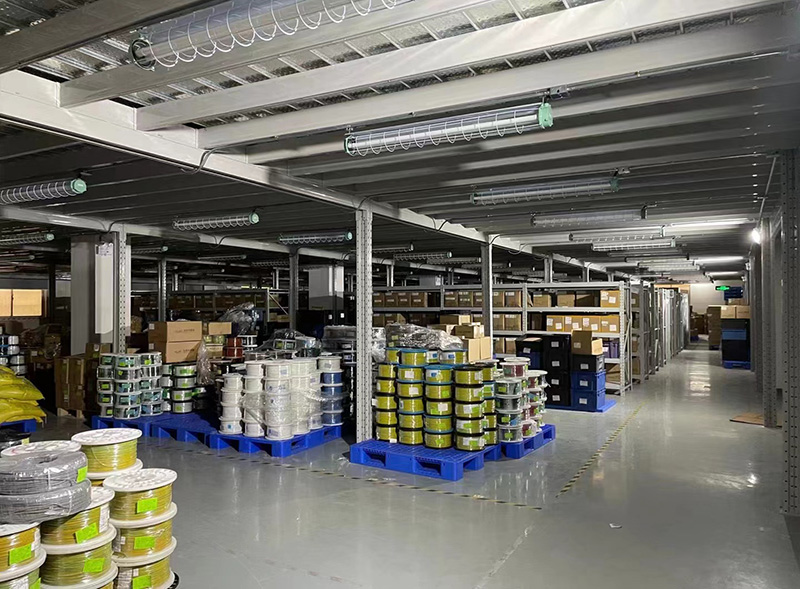
Let's start with the core concept. Gravity pallet racking, often called gravity flow racking, is a high-density storage system. It consists of inclined rails or wheels set within a rack structure. Pallets are loaded at the higher, “back” end. They then gently glide down the rails by gravity to the lower, “front” pick face.
The system operates on a First-In, First-Out (FIFO) inventory method. The oldest pallet is always at the front, ready to be picked. This is crucial for goods with expiration dates, like food, beverages, or pharmaceuticals. It automates stock rotation without manual intervention.
A typical setup includes the rack frame, the flow rails (which can be wheel or roller style), and speed controllers. These controllers are vital. They prevent pallets from gaining too much momentum and crashing into the front stop. This ensures product safety and system integrity.
Unlike static selective racking, gravity pallet racking keeps goods in constant, controlled motion. It’s a perfect blend of simple physics and smart engineering designed to save time and space.
The magic of gravity pallet racking is in its mechanics. Each lane is slightly inclined, usually at a decline of 3% to 5%. This gentle slope is enough to let gravity do its job. When a new pallet is loaded onto the high end, it pushes the entire row forward.
The pallets ride on specialized flow tracks. Wheel-based tracks are common for uniform, flat-bottomed pallets. Roller-based tracks can handle heavier loads or less even pallet bases. The choice depends on your specific product and pallet type.
Speed controllers, or brakes, are spaced along the lane. They regulate the pallet's descent. This control is non-negotiable. Without it, a heavy pallet could become a dangerous projectile. Properly calibrated, it creates a smooth, safe flow from bulk storage to the order picker.
This design creates a beautiful efficiency. Workers only interact with the system at two points: the loading (rear) and unloading (front) zones. There’s no need to drive into the racking structure. This significantly reduces aisle congestion and forklift traffic.
The benefits of gravity pallet racking are compelling, especially for the right operation. The most significant advantage is space savings. By eliminating multiple access aisles, it dramatically increases storage density. You store more product in the same footprint compared to traditional racking.
Labor efficiency sees a major boost. Picking becomes faster and more ergonomic. Forklift operators simply drop a new pallet at the rear high end. Order selectors at the front always find the next pallet waiting, positioned perfectly for retrieval. This reduces walking, searching, and maneuvering time.
Inventory management becomes almost automated. The enforced FIFO flow guarantees perfect stock rotation. You eliminate the risk of older items being buried and forgotten at the back. This minimizes spoilage and obsolescence, directly impacting the bottom line.
Safety can also improve. With clearly defined loading and unloading zones, forklift travel paths are more predictable. The reduced need for operators to enter the racking aisles lowers the chance of collisions and product damage.
Gravity pallet racking isn’t a universal solution. It comes with specific constraints that must be weighed. The initial investment is higher than standard selective racking. The cost includes not just the racks, but the precision flow rails, brakes, and often a more robust structure.
It requires a consistent pallet and load profile. The system works best with uniform, sturdy pallets and evenly distributed weight. Damaged pallets or unstable loads can jam the lanes, causing downtime and requiring manual intervention to clear.
There is also a degree of product limitation. Extremely fragile items might not be suitable, despite speed controllers. Very slow-moving SKUs can also be a problem. If a pallet sits motionless for too long, the wheels or rollers beneath it can develop flat spots, leading to uneven flow.
Finally, maintenance is a proactive necessity. The flow tracks and brakes require regular inspection and cleaning. Dust, debris, or pallet splinters can hinder movement. A planned maintenance schedule is key to preventing disruptive failures.
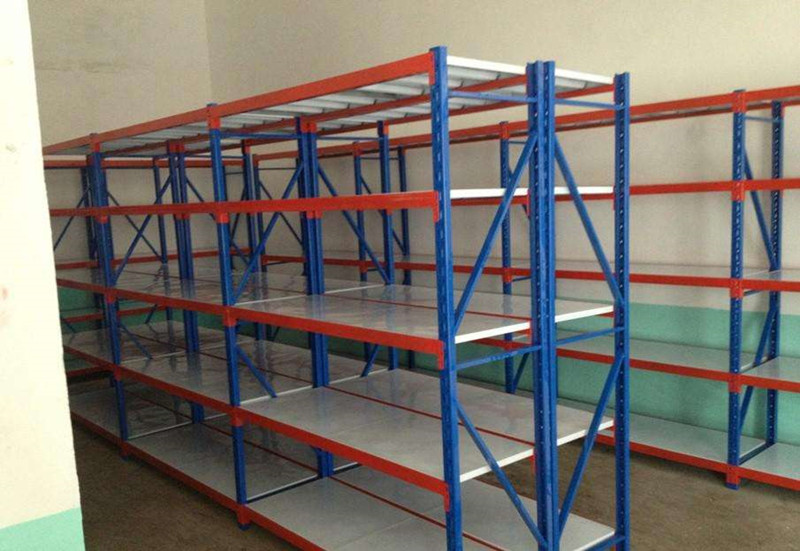
So, where does this system truly shine? It’s a star performer in industries with high-volume, fast-moving SKUs and FIFO requirements. Beverage distribution is a classic example. Cases of beer or soda move quickly and need perfect rotation.
Food and cold storage warehouses are prime candidates. The FIFO principle is critical for managing shelf life. The density also maximizes expensive cooled or frozen space. Every cubic foot saved translates to lower energy costs.
E-commerce fulfillment centers handling bulk items can benefit. Using gravity pallet racking for forward picking of best-selling products speeds up the replenishment process. It keeps high-demand goods constantly flowing to the pick zone.
Manufacturing facilities also use it for raw material staging. Components can be loaded in bulk and fed steadily to the production line. This creates a smooth, predictable supply right where it’s needed.
Successful implementation of gravity pallet racking starts with meticulous planning. The first step is a thorough analysis of your inventory. You must know your pallet dimensions, weight ranges, and product velocity. This data dictates the lane depth, load capacity, and track type.
Floor flatness is critical. The entire system relies on a consistent, slight incline. An uneven floor will cause jams and poor flow. Professional site preparation and leveling are often required before installation begins.
Consulting with a qualified storage system engineer is highly recommended. They can perform a structural analysis to ensure your building can support the concentrated loads. They’ll also help design the optimal lane length and aisle configuration for your equipment.
Remember to plan for safety accessories. End-of-aisle guards, column protectors, and clear signage for loading zones are essential. Proper installation is not a DIY project; it requires experienced technicians to calibrate the slope and brake systems accurately.
Once your gravity pallet racking is operational, follow these practices to keep it running smoothly. Always use designated, high-quality pallets. Inspect pallets before loading to reject any with broken boards, protruding nails, or significant warping.
Train your team on proper loading techniques. Pallets must be centered on the lane and placed gently. Dropping a pallet onto the tracks can damage both the product and the system. Emphasize the importance of even weight distribution within the pallet.
Implement a routine inspection checklist. Operators should visually check for obstructions, jams, or damaged rollers before each shift. Listen for unusual sounds that might indicate a problem with the flow mechanism.
Have a clear protocol for clearing jams. Workers should know who is authorized to safely intervene and what tools to use. Never allow untrained staff to try and force a jammed pallet, as this can cause injury or further damage.
Q1: What is the main difference between gravity pallet racking and drive-in racking?
A1: Both are high-density, but their access methods differ. Gravity pallet racking uses sloping rails for FIFO flow, with access only at the front and rear.