If you handle large, flat materials like metal, plastic, glass, or wood sheets, you know the challenge of storing them. Leaning them against walls is dangerous and damages materials. Stacking them on the floor wastes space and makes access difficult. A horizontal sheet storage rack is the professional solution designed specifically for this problem.
This article explains why investing in a proper sheet storage system is crucial. We will explore its advantages, features, and how to choose the right one for your needs.
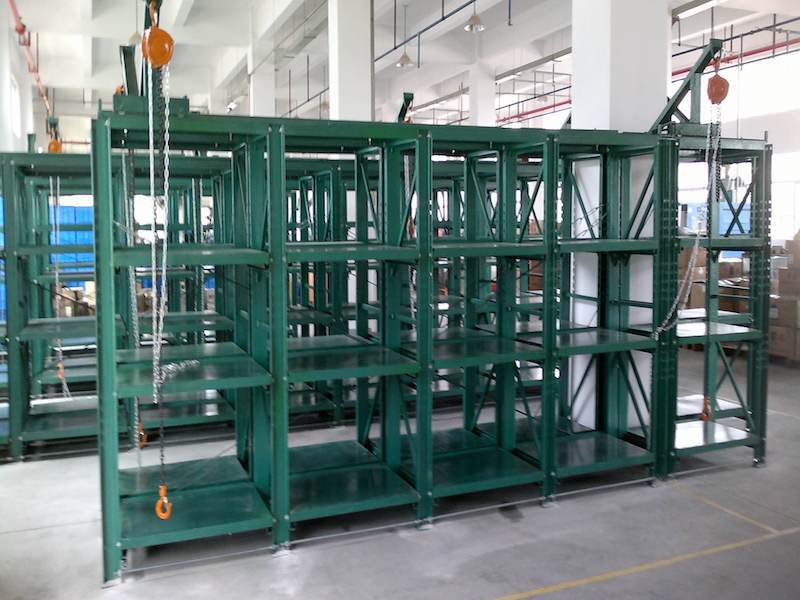
A disorganized storage area for sheets creates numerous problems. It leads to material damage like bends, scratches, and dents. It poses serious safety risks from falling sheets. It also causes major workflow inefficiencies, as workers waste time searching for and extracting specific sheets.
A horizontal sheet rack directly addresses these issues. It stores sheets flat and individually, protecting their integrity. This organized approach is fundamental for any shop dealing with sheet goods. It transforms a chaotic corner into a safe, efficient, and productive part of your operation.
Let's break down the specific benefits you gain by implementing a horizontal sheet material storage system.
1. Maximizes Floor Space and Organization
These racks utilize vertical space that is often wasted. By storing sheets in horizontal layers, you free up valuable floor area. This creates a cleaner, more organized workshop or warehouse. Every sheet has a designated slot, eliminating clutter and making inventory management straightforward.
2. Prevents Material Damage and Warping
When sheets are stored flat and evenly supported, they are safe from warping, bending, and edge damage. Unlike vertical storage, a horizontal sheet rack prevents sheets from sagging under their own weight. This preservation of material quality saves significant money by reducing waste and rejected parts.
3. Enhances Workplace Safety
Safety is perhaps the biggest benefit. A properly loaded rack secures heavy sheets, preventing them from tipping or sliding. This drastically reduces the risk of crushing injuries. It also removes tripping hazards caused by materials leaning on walls or scattered on the floor.
4. Improves Accessibility and Workflow Efficiency
With a horizontal storage rack, operators can easily see and access any sheet in the stack. No more moving multiple sheets to get to the one on the bottom. This selective retrieval saves time and labor, speeding up production processes and reducing worker fatigue.
5. Offers Versatility for Various Materials
A well-designed rack is not just for metal. It can effectively store acrylic, polycarbonate, plywood, MDF, and composite panels. This makes a horizontal sheet rack a versatile investment for many industries, from fabrication and carpentry to signage and aerospace.
6. Adapts with Adjustable Arms
Most quality racks feature adjustable arms or supports. This allows you to customize the spacing between layers to accommodate sheets of different thicknesses. You can optimize the rack's capacity, storing thin gauge metals or thick plywood with equal ease.
7. Promotes a Professional and Efficient Image
An organized storage area reflects well on your business. It demonstrates a commitment to quality, safety, and professional material handling. This can impress clients and create a better working environment for your team.
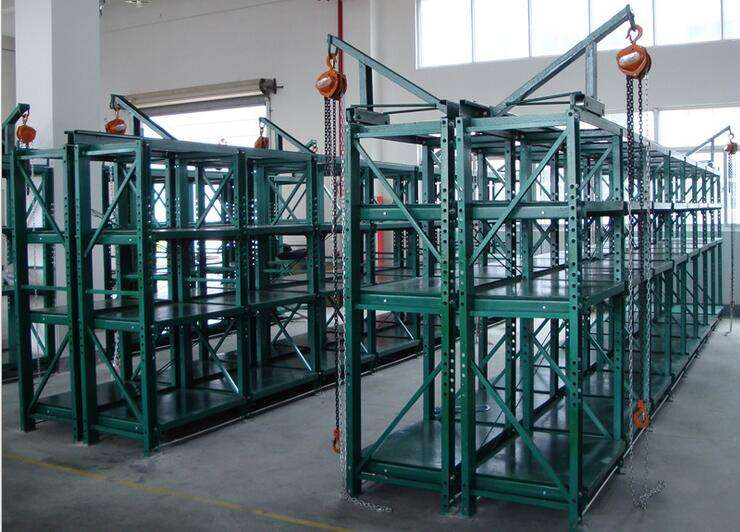
Not all horizontal sheet storage racks are created equal. Here are the key features that define a durable and effective system.
The rack must be built from robust steel to handle the immense weight of sheet materials. Pay close attention to the rated capacity per arm and the total rack capacity. Always choose a rack that exceeds your current maximum load needs to ensure a safety margin.
Look for arms that are easily adjustable without requiring tools. They should lock securely into place to prevent accidental movement. The design should allow for close spacing to maximize storage density when needed.
The rack should have a durable finish, such as powder coating, to resist corrosion, scratches, and spills. This is especially important in environments where metal dust, moisture, or chemicals are present.
A wide, stable base is essential to prevent tipping. Some racks offer anchor points to bolt them to the floor for added security, which is a recommended best practice for tall or heavily loaded units.
Integration with Material Handling Equipment
Consider how you will load and unload sheets. Ensure the rack design allows clearance for forklift tines or overhead crane hooks if needed. The ideal sheet metal storage rack works seamlessly with your existing material handling workflow.
Selecting the perfect horizontal sheet rack involves assessing your specific requirements.
First, measure the maximum sheet size (length and width) you need to store. The rack arms should be long enough to support at least 75% of the sheet's width to prevent sagging.
Next, calculate the total weight you plan to store. Remember to factor in the weight of the heaviest materials you use. Choose a rack with a total capacity that meets or exceeds this number.
Consider the types of materials. For delicate surfaces like polished stainless steel or acrylic, you may want racks with non-marring pads or sleeves on the arms.
Finally, evaluate your space. Plan for adequate aisle space in front of the rack for safe loading and unloading operations.
To get the most from your investment, follow simple maintenance steps. Regularly inspect the rack for any signs of damage, bending, or loose components. Keep the arms and frame clean from debris and heavy dust buildup.
Always follow the load guidelines. Do not exceed the weight limit per arm or the total rack capacity. Distribute weight evenly across the arms to maintain stability.
Use the rack for its intended purpose. It is designed for flat sheet storage, not as a general shelving unit for heavy boxes or machinery parts.
A horizontal sheet storage rack is far more than a simple shelf. It is a strategic investment in safety, efficiency, and material quality. By providing organized, safe, and accessible storage, it pays for itself through reduced waste, improved productivity, and a safer workplace.
Whether you run a small job shop or a large manufacturing facility, integrating a proper sheet storage system is a clear step toward professional and optimized material management.
Q1: What is the main difference between a horizontal and vertical sheet storage rack?
A1: A horizontal sheet storage rack stores materials flat in layered shelves or arms, ideal for preventing sagging and allowing easy access to any sheet. A vertical rack stores sheets on their edge, which can save floor space but may risk bending for thinner materials and makes accessing middle sheets more difficult.
Q2: Can a horizontal sheet rack be used for materials other than metal?
A2: Absolutely. While ideal for sheet metal storage, these racks are excellent for storing plastic sheets (like acrylic or polycarbonate), wood panels (plywood, MDF), glass, and composite materials, provided the rack’s weight capacity is not exceeded.
Q3: How do I determine the correct load capacity for my needs?
A3: Calculate the total weight of the maximum number of sheets you plan to store at one time, including the heaviest material type you use. Choose a horizontal sheet rack with a total dynamic capacity that is 20-30% higher than this number to ensure a safety margin and longevity of the rack.
Q4: Are the support arms always adjustable?
A4: In most quality racks, yes. Adjustable arms are a standard and critical feature, allowing you to customize the space between layers to fit sheets of different thicknesses and optimize storage density. Always verify this feature before purchasing.
Q5: Do I need to bolt the rack to the floor?
A5: For safety, it is highly recommended, especially for taller racks or those that will be loaded near their full capacity. Bolting a horizontal storage rack to the floor prevents any potential tipping hazard and is considered a best practice in industrial settings.

 Wechat
Whatsapp
Wechat
Whatsapp