Struggling to store lengthy steel bars, cumbersome pipes, or oversized furniture in your warehouse or facility? Traditional shelving often falls short. There's a storage system specifically engineered for these challenges.
This article delves into the world of heavy duty cantilever storage racks. We’ll explore what they are, their key benefits, ideal applications, and critical factors for selection.
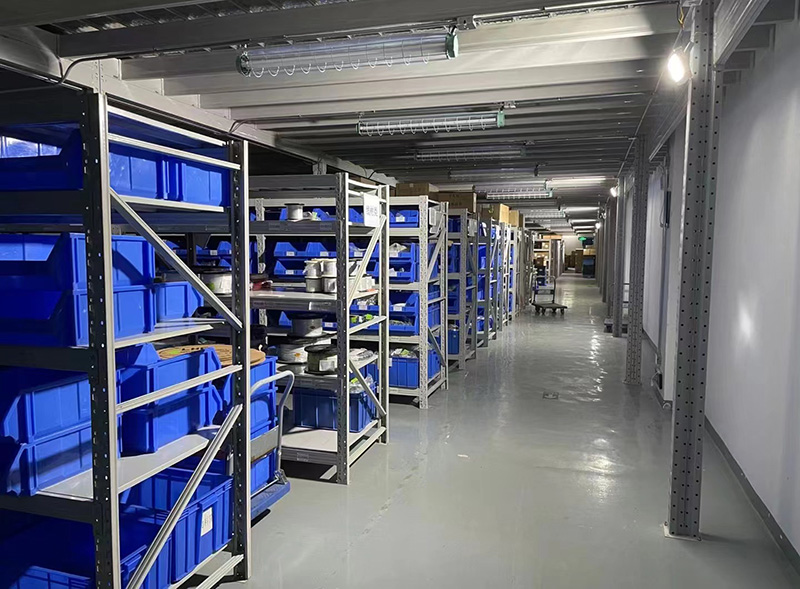
Unlike conventional pallet racking with front-facing columns, cantilever racking features a unique vertical column design with arms that protrude from one or both sides. These arms are the "cantilevers," creating unobstructed, open access from the front.
The term heavy duty signifies a robust build to handle substantial weight. These systems use high-strength steel, reinforced columns, and durable arms capable of supporting thousands of pounds per level.
This combination makes heavy duty cantilever storage racks indispensable for industries dealing with non-palletized, long, or awkwardly shaped materials.
Why choose this system over others? The benefits are clear and impactful for operational efficiency.
Unmatched Accessibility and Space Utilization
With no front columns, loading and unloading items is remarkably easy. Forklifts or cranes can approach from any angle along the arm's length. This speeds up material handling significantly.
Vertical space is fully leveraged. You can store items from floor to near-ceiling height, dramatically increasing storage density for long products compared to leaning them against walls.
Superior Flexibility and Adaptability
The arms on heavy duty cantilever racks are adjustable. You can modify their height on the column to accommodate items of different sizes. Arm lengths can also be specified or sometimes adjusted.
This flexibility allows the same rack system to store a variety of items, from short lumber to long metal tubing, future-proofing your storage investment.
Enhanced Safety and Organization
Storing long items horizontally on dedicated arms prevents warping, bending, or damage that can occur with vertical leaning. It also eliminates the risk of items tipping over.
A well-planned cantilever storage system turns chaotic storage areas into orderly, categorized spaces. This improves inventory control and picking accuracy.
Where do these storage solutions shine? Their design caters to specific material types across numerous sectors.
Manufacturing and Metal Service Centers
This is a primary application. Storing steel bars, pipes, tubes, rods, and sheet metal in bundles is perfectly suited for heavy duty cantilever arms. The open access allows for easy cutting and retrieval of specific lengths.
Lumber and Building Material Suppliers
Storing dimensional lumber, plywood, molding, and PVC/conduit is a constant challenge. Cantilever racks keep these materials flat, organized, and easily accessible for customers and staff.
Warehousing for Bulky Goods
Furniture, carpets, rolls of fabric, plastic extrusions, and glass panels are often stored on these racks. The ability to handle irregular shapes and heavy weights is key.
Specialized Industries
Aircraft and boat manufacturers use them for spar storage. Municipalities use them for pipe and drainage materials. Even archives can use lighter-duty versions for storing architectural blueprints.
Choosing the right heavy duty cantilever storage rack system requires careful planning. Overlooking these factors can lead to underperformance or safety hazards.
Load Capacity and Configuration
This is paramount. You must calculate the maximum weight each arm will hold, both as a uniformly distributed load and as a point load. Consider both the weight and the length of your heaviest items.
Capacity is determined by column strength, arm length, and arm construction. Longer arms typically have lower weight capacities. Professional guidance is recommended for accurate capacity planning.
Column and Arm Specifications
Columns come in various heights, depths, and steel gauges. Taller, heavier-duty applications require more robust columns, sometimes with back bracing or floor anchoring.
Arms can be single-sided (mounted to a wall or back-to-back columns) or double-sided (using a common column). Arm length, style (tapered, boxed), and sleeve type (for added capacity) are critical choices.
Site and Installation Factors
Assess your facility’s clearances. Ensure there is enough aisle width for your forklift or crane to maneuver items onto the arms safely and comfortably.
Professional installation is highly advised for heavy duty cantilever storage racks. Proper anchoring, leveling, and assembly are critical for system stability and safety under load.
Maintenance and Safety Best Practices
A rack system is a long-term investment. Proper care ensures its longevity and safe operation.
Regular Inspection Regimen
Implement a schedule for visual inspections. Look for signs of damage: dents or bends in columns or arms, loose or missing connectors, damage from forklift impacts, or signs of overloading (sagging arms).
Immediately tag and unload any damaged section until repairs can be made by a qualified professional.
Ongoing Safety Protocols
Never exceed the stated load capacity of the arms or the overall system. Always distribute weight evenly across the arms.
Ensure loads are centered on the arms and secured if necessary. Train all personnel on proper loading and unloading techniques specific to cantilever racking systems.
While the fundamental design of heavy duty cantilever storage racks remains proven, innovations continue. These include improved connector designs for faster assembly, advanced steel alloys for higher strength-to-weight ratios, and integration with warehouse management software via RFID or barcode tags on rack components.
The goal remains the same: providing the strongest, most flexible solution for storing what standard racks cannot.
Q1: What is the main difference between cantilever racks and pallet racks?
A1: The key difference is accessibility. Pallet racks are designed for palletized goods stored between vertical front columns. Heavy duty cantilever storage racks have arms that extend from vertical columns, offering completely open front access for long, bulky, or awkwardly shaped items that cannot be palletized easily.
Q2: How much weight can heavy duty cantilever racks typically hold?
A2: Capacity varies significantly by design and manufacturer. Light-duty arms may hold 1,000 lbs per pair, while true heavy duty cantilever arms can often support 4,000 lbs, 6,000 lbs, or even more per pair. The total system capacity depends on column strength, arm length, and configuration. Always consult engineering specifications for your exact model.
Q3: Can cantilever rack arms be adjusted after installation?
A3: Yes, a major advantage of most cantilever storage systems is their adjustability. The arms are typically secured to the column with locking pins or bolts into a series of holes. This allows you to reposition the arms vertically to create different shelf heights as your storage needs change.
Q4: Do I need special equipment to load a cantilever rack?
A4: It depends on the item's weight and size. For very heavy industrial materials like steel beams, a forklift, sideloader, or overhead crane is standard. For lighter materials like lumber or furniture, manual handling or simple lifting devices may suffice. The open design actually makes mechanical loading easier than with many other rack types.
Q5: Are cantilever racks safe? How are they stabilized without front braces?
A5: When properly engineered, installed, and loaded, they are very safe. Stability comes from the robust connection of the arms to the heavy-duty column and from the column's own strength and anchoring to the floor. Many systems include diagonal bracing between columns at the rear and may require wall ties or floor anchors to prevent tipping, especially for tall, heavily-loaded configurations.

 Wechat
Whatsapp
Wechat
Whatsapp