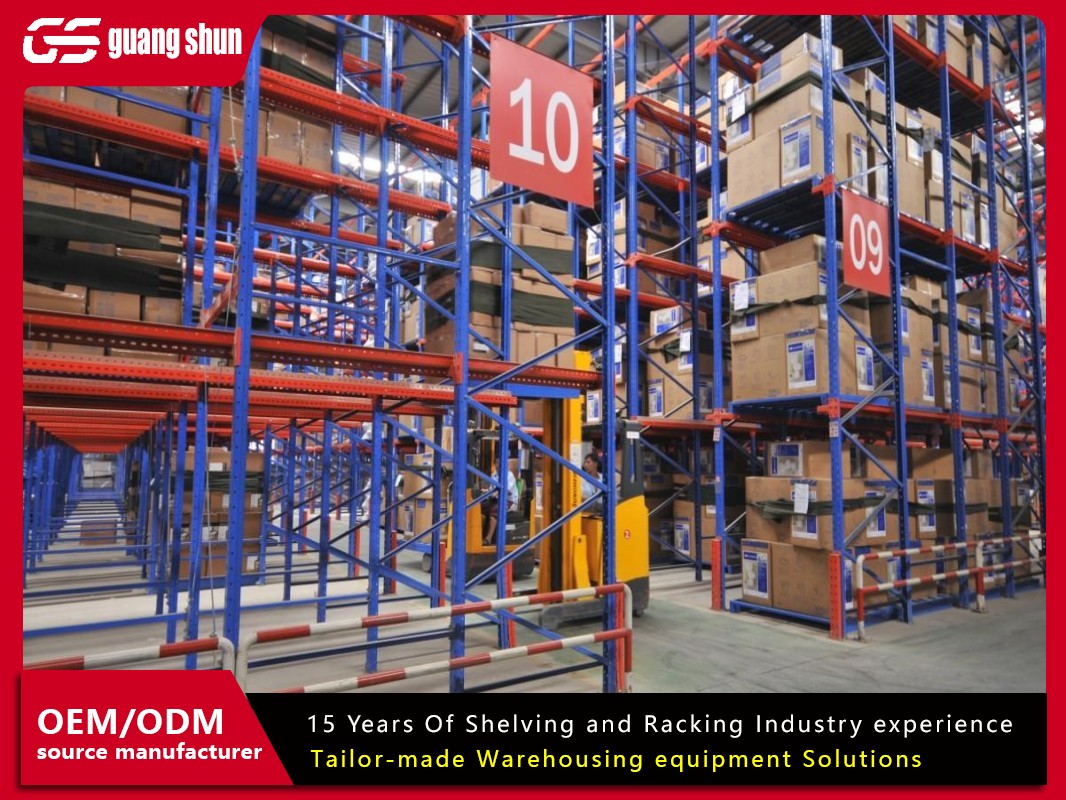
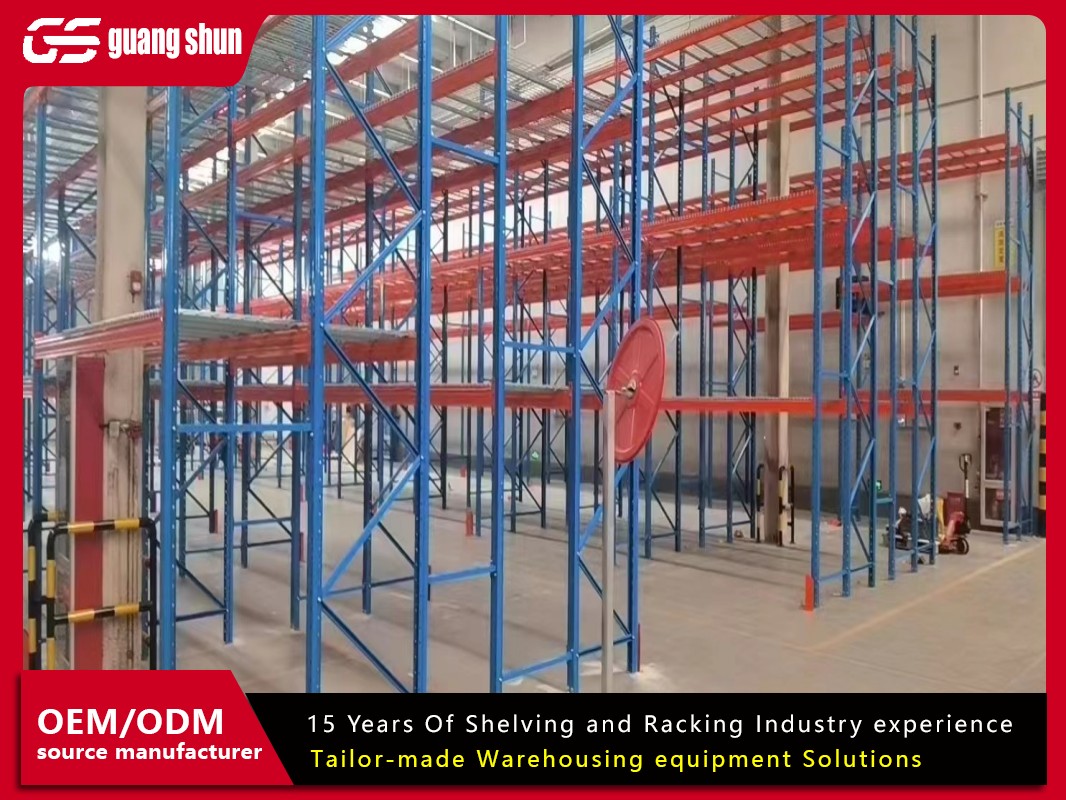
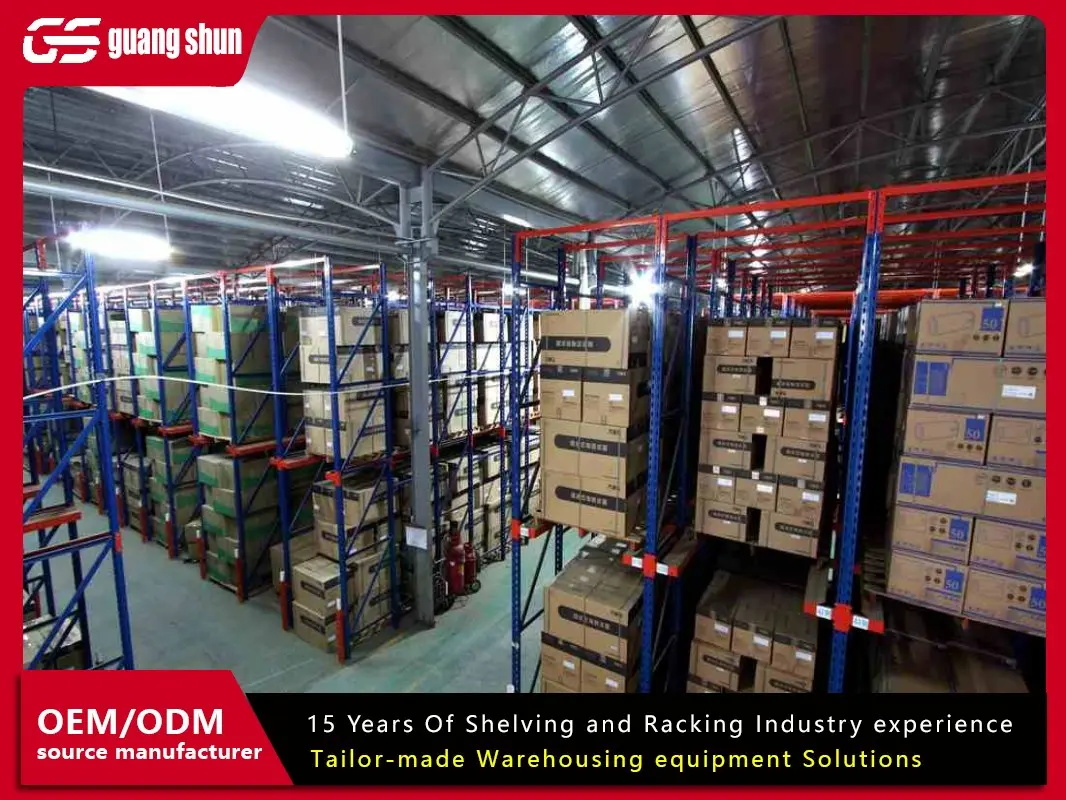
In today's competitive logistics and warehousing landscape, maximizing space is no longer a luxury—it's a necessity. If you're struggling with storage limitations, a dense racking system might be the solution you've been searching for. This article dives deep into the world of high-density storage, offering practical insights that can transform your operations.
We'll explore what makes these systems tick, their benefits, and key considerations for implementation. By the end, you'll have a clearer picture of how a dense racking system can optimize your storage efficiency.
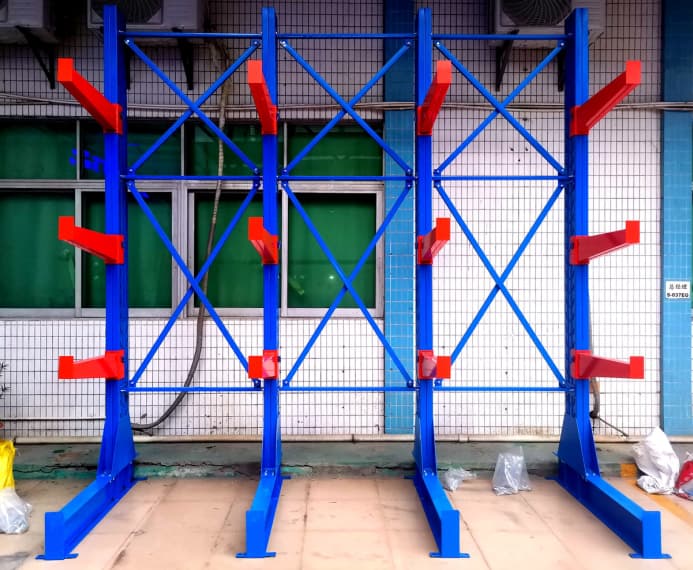
A dense racking system is a type of storage solution designed to maximize warehouse space. It allows for more pallets or items to be stored in a given area compared to traditional racking.
The core principle is reducing aisle space. By minimizing or eliminating access aisles, these systems significantly increase storage density. This is achieved through various innovative designs and mechanisms.
Essentially, a dense racking system helps businesses store more goods without expanding their physical footprint. It's a smart answer to rising real estate costs and spatial constraints.
Several designs fall under the dense racking system umbrella. Each type offers unique mechanisms for storing and retrieving items. Understanding these can help you choose the right fit.
Drive-In and Drive-Through Racking
This system allows forklifts to drive directly into the rack structure. Pallets are stored on rails or tracks. It's ideal for storing large quantities of similar products.
Push Back Racking
Pallets are loaded from the front and rest on inclined carts. When a new pallet is pushed in, it moves the others slightly back. This system offers good selectivity for last-in, first-out inventory.
Pallet Flow Racking
This uses gravity to move pallets. Loaded from the high end, pallets flow to the picking face. It's perfect for high-throughput operations with first-in, first-out needs.
Mobile Racking
Entire rack sections are mounted on movable bases. Aisles are created only when needed. This dense racking system can nearly double storage capacity in some cases.
Automated Storage and Retrieval Systems (AS/RS)
These are highly automated dense racking systems. They use robots or shuttles to store and retrieve items. They offer the highest density and efficiency but come at a higher cost.
Adopting a dense racking system brings numerous advantages. These benefits directly impact your bottom line and operational smoothness.
Dramatically Increased Storage Capacity
The primary benefit is obvious: you store more in the same space. By utilizing vertical space and reducing aisles, a dense racking system can boost capacity by 50% to 100%.
Improved Space Utilization
Every square foot of your warehouse becomes valuable. A dense racking system minimizes wasted space, turning non-productive areas into active storage zones.
Enhanced Inventory Management
Many high-density systems improve inventory control. With organized lanes and better visibility, tracking stock becomes easier and more accurate.
Potential for Reduced Operational Costs
With more storage per square foot, you might delay or avoid expensive facility expansions. Energy costs for lighting and climate control can also drop in a more compact setup.
Better Product Protection
Systems like push back or pallet flow minimize handling. This reduces the risk of damage to goods during storage and retrieval processes.
Investing in a dense racking system is a significant decision. Several factors must be evaluated to ensure a successful implementation.
Analyze Your Inventory Profile
Consider your product types, sizes, and turnover rates. A dense racking system works best with homogeneous SKUs or those with predictable demand patterns.
Understand Throughput Requirements
How quickly do you need to move goods in and out? Some dense racking systems are faster for retrieval than others. Match the system speed to your operational tempo.
Evaluate Forklift Compatibility
Your existing forklifts may need specific features, like side-shifting capabilities, to work with certain dense racking systems. Factor in any necessary equipment upgrades.
Consider Future Growth
Choose a system that can adapt. Your storage needs will change. A flexible dense racking system can accommodate future shifts in inventory or business volume.
Budget and ROI Analysis
Calculate the total cost, including installation, potential building modifications, and training. Weigh this against the expected gains in capacity and efficiency.
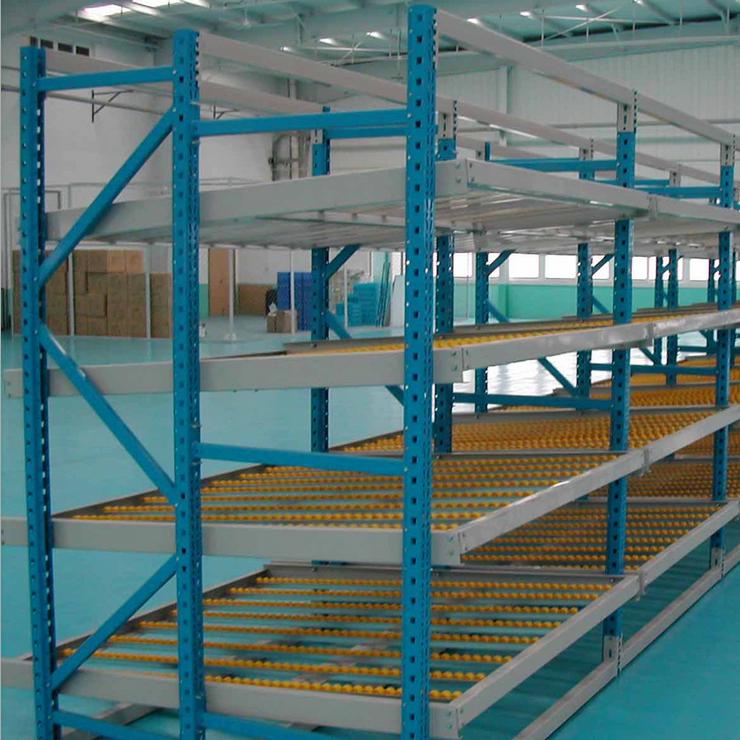
Proper setup and care are vital for any dense racking system. Cutting corners here can lead to safety issues and reduced lifespan.
Professional Installation is Key
Always use certified installers. A dense racking system is a complex structure. Incorrect assembly can compromise its integrity and safety.
Regular Safety Inspections
Schedule frequent checks for damage, alignment, and wear. Pay special attention to load beams, connectors, and guide rails in systems like pallet flow.
Train Your Team Thoroughly
Operators must be trained on the specific protocols for your dense racking system. This includes correct loading weights, retrieval sequences, and safety procedures.
Keep Aisles Clear and Marked
Even in systems with reduced aisles, ensure that access paths are unobstructed. Clear signage prevents accidents and improves workflow efficiency.
Follow Manufacturer Guidelines
Adhere to all recommended maintenance schedules. This includes lubricating moving parts in flow systems or checking drive mechanisms in mobile units.
The dense racking system isn't a one-size-fits-all solution, but it excels in specific scenarios.
Cold Storage Facilities
Space is extremely expensive in refrigerated environments. A dense racking system maximizes costly chilled volume, making it a popular choice for food and pharmaceutical storage.
Beverage and Packaging Industries
These sectors often deal with uniform pallet sizes and high-volume storage. A drive-in or push back dense racking system is frequently used here.
E-commerce Fulfillment Centers
With vast SKU counts and seasonal peaks, e-commerce warehouses use dense systems for bulk storage of fast-moving goods, freeing up space for picking areas.
Archival and Document Storage
Businesses that need to store records long-term benefit from the space efficiency. Mobile racking systems are common in this low-access, high-density application.
Manufacturing Raw Material Storage
Storing large quantities of consistent raw materials is ideal for a dense racking system. It keeps production supplies organized and space-efficient.
Q1: What is the main difference between a dense racking system and selective pallet racking?
A1: The key difference lies in aisle space and storage density. Selective racking has permanent, wide aisles for direct access to every pallet. A dense racking system sacrifices immediate access to every pallet by reducing or eliminating aisles, thereby storing significantly more pallets in the same floor area.
Q2: Is a dense racking system suitable for products with a low turnover rate?
A2: Yes, it can be very suitable. Products with slow turnover, like archival items or seasonal goods, are often perfect for a dense racking system. Systems like drive-in or mobile racking are excellent for deep storage where frequent access isn't required, maximizing space for inventory that sits longer.
Q3: How does safety compare to traditional racking?
A3: Safety is paramount and can be very high with proper use. However, a dense racking system often involves deeper storage lanes and more complex retrieval, which requires strict operator training and adherence to protocols. Regular inspections are crucial. The confined access can sometimes pose different risks, so following design-specific safety rules is essential.
Q4: Can I mix different types of racking in one warehouse?
A4: Absolutely. Many facilities use a hybrid approach. A dense racking system might be used for bulk storage of full pallets, while traditional selective racking serves fast-moving SKUs or case-picking areas. This strategy, often called "storage profiling," optimizes both space and accessibility based on product velocity.
Q5: What is the typical lead time for installing a dense racking system?
A5: Lead time varies widely based on system complexity, customization, and manufacturer schedules. A standard push back or drive-in system might take 6-10 weeks from order to delivery, plus 1-3 weeks for installation. More complex automated dense racking systems (AS/RS) can have lead times of several months. Always consult with suppliers for current timelines.

 Wechat
Whatsapp
Wechat
Whatsapp