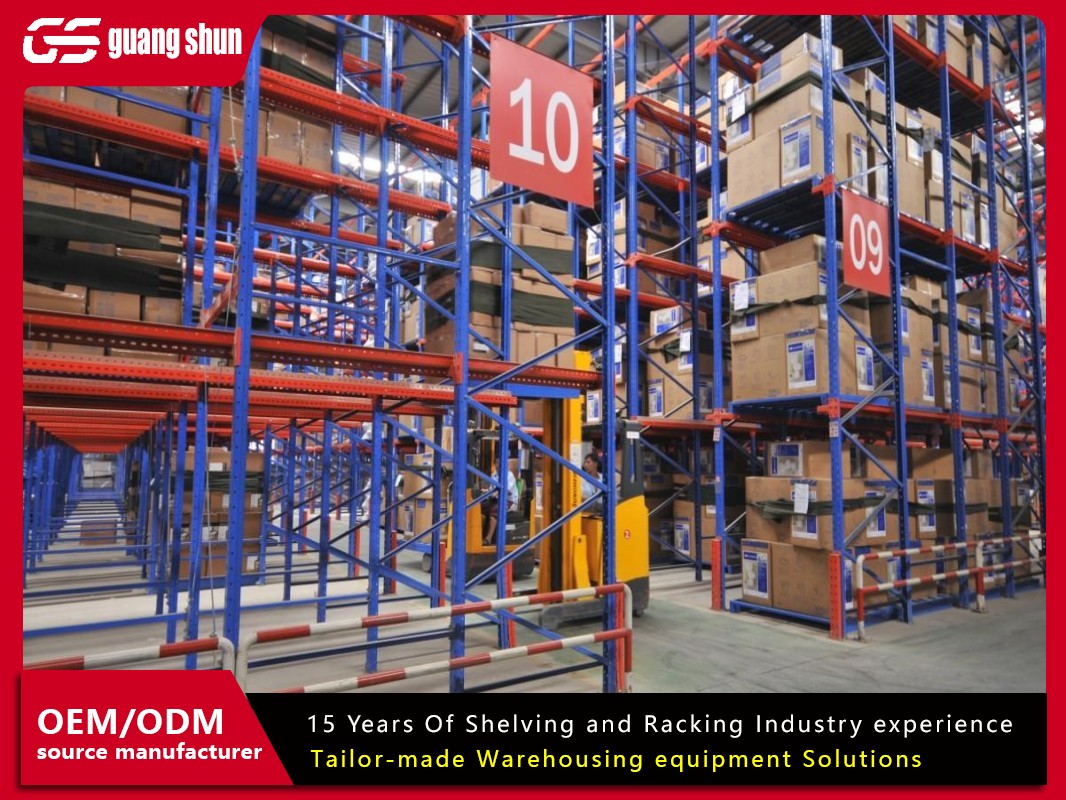
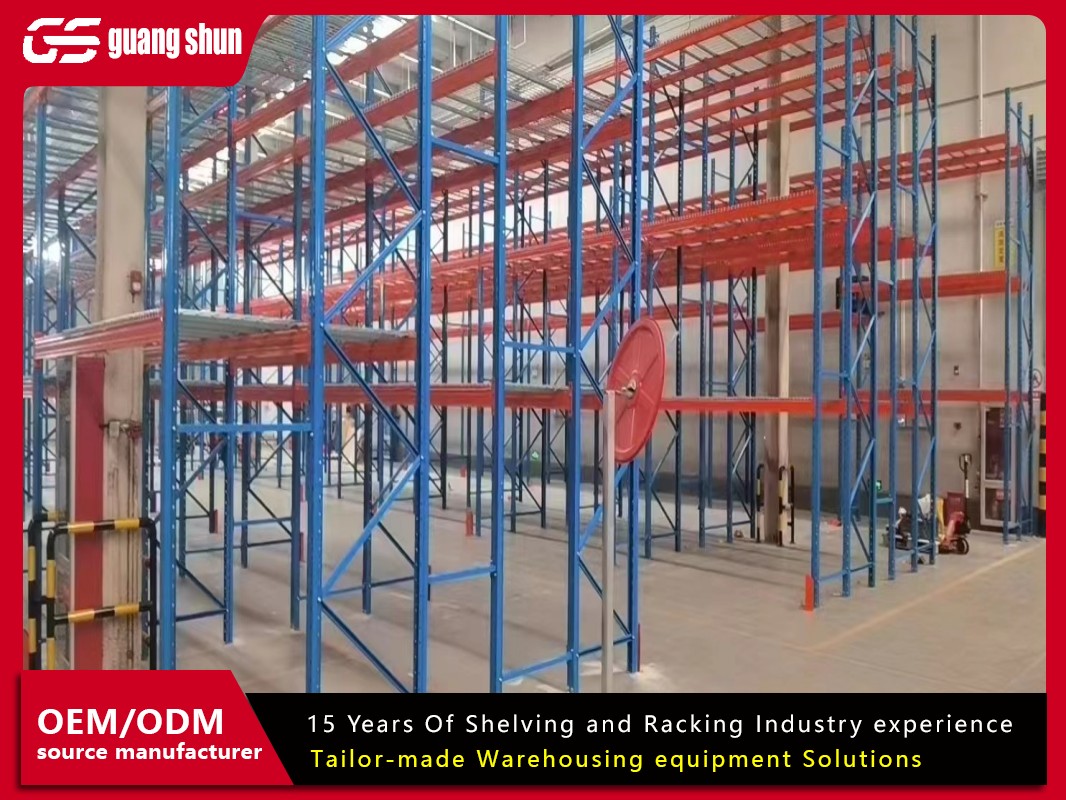
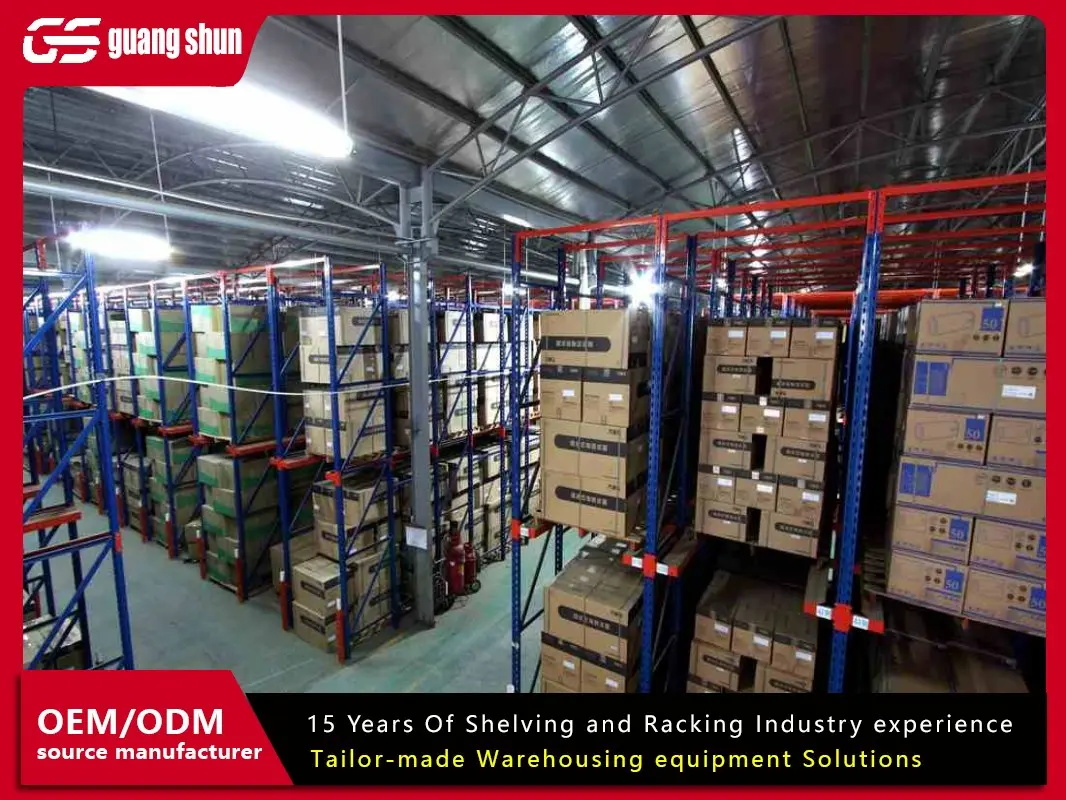
Warehouse optimization is frequently associated with vertical expansion and high-bay automation. However, a significant portion of the global supply chain operates within facilities that possess vertical limitations. Whether due to legacy building designs, localized zoning restrictions, or the presence of extensive mezzanine levels, many operators must find ways to maximize floor density without the luxury of height. This is where the integration of a short pallet rack configuration becomes a fundamental strategy for maintaining a high-performance logistics environment.
The engineering requirements for low-profile storage differ significantly from standard selective racking. For companies like [Guangshun], the focus remains on providing structural integrity and versatility even when the upright frames are limited to heights under 10 or 12 feet. By focusing on the technical specifications of these systems, facility managers can solve complex inventory challenges while adhering to strict safety protocols.
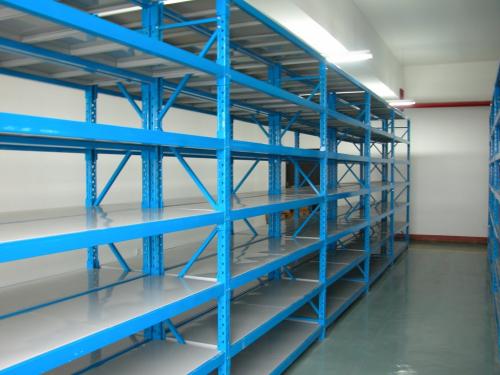
The construction of a short pallet rack involves many of the same materials as high-density systems, but the load distribution dynamics are unique. In a low-profile setup, the upright frames—the vertical members that provide structural support—are typically manufactured from roll-formed or structural steel. Even at lower heights, the gauge of the steel remains a pivotal factor in determining the overall capacity of the system.
Upright Frames: For shorter configurations, frames are often between 6 and 10 feet tall. Despite their reduced stature, they must feature high-strength baseplates to ensure the load is distributed evenly across the warehouse floor slab.
Horizontal Beams: These are the load-bearing members that connect the uprights. In a low-ceiling environment, the beam profile height is important. Using a lower-profile beam can provide several inches of additional clearance per level, which is a major advantage when every inch of vertical space is accounted for.
Row Spacers and Bracing: Even short systems require horizontal and diagonal bracing to resist lateral forces. Row spacers ensure that back-to-back rows remain perfectly aligned, which is necessary for maintaining aisle consistency and seismic safety.
One of the most common applications for a short pallet rack is the area underneath a structural mezzanine or work platform. These zones often have clear heights of only 8 to 9 feet. Standard forklift operations are restricted here, requiring specialized configurations that allow for manual picking or the use of walkie-stackers.
By utilizing these low-profile systems, a facility can transform dead space into a high-density picking zone. This is particularly useful for fast-moving SKUs (Stock Keeping Units) that do not require high-reach equipment. [Guangshun] engineers these systems to fit precisely within these confined envelopes, ensuring that the racking does not interfere with mezzanine support columns or overhead lighting and ventilation systems.
A primary pain point in older industrial buildings is the proximity of the ceiling-mounted fire suppression systems to the stored inventory. National Fire Protection Association (NFPA) standards generally require a minimum of 18 inches of clearance between the top of the stored goods and the sprinkler heads. If a facility attempts to use standard-height racking in a low-ceiling room, they risk non-compliance and significant insurance liabilities.
Implementing a short pallet rack solution allows for the precise calculation of load heights to ensure that even the topmost pallet remains well below the fire suppression threshold. This foresight prevents the need for costly in-rack sprinkler installations, which are often required when inventory density exceeds certain vertical limits or obstructs overhead spray patterns.
In fulfillment centers where order volume is high and individual items are picked frequently, the ergonomics of the "Golden Zone" (the area between an operator's knees and shoulders) is paramount. Short racking systems are naturally aligned with this ergonomic zone. Because the system does not reach into the rafters, every level is easily accessible to warehouse personnel without the constant need for ladders or reach trucks.
This accessibility leads to a measurable increase in picking speed and a reduction in workplace injuries associated with overreaching or improper lifting. When the system is configured correctly, it supports a high-velocity workflow where laborers can move through aisles quickly, identifying and retrieving items with minimal physical strain.
Low-profile racking is often situated in high-traffic areas, such as near shipping docks or assembly lines. This proximity increases the risk of forklift impacts. Even though the racking is shorter, a collision can still compromise the structural integrity of the entire row. To mitigate this risk, heavy-duty floor protectors and column guards should be integrated into the design.
The material choice—structural steel vs. roll-formed steel—plays a role here. Structural steel short pallet rack systems are more resistant to impact damage and are often preferred in heavy industrial environments where the movement of heavy machinery is constant. [Guangshun] provides various coating options, including high-visibility powder coating and galvanized finishes, to ensure the racking remains durable and visible in these busy operational zones.
Beyond the traditional warehouse, certain environments necessitate specialized storage footprints. Retail backrooms are notoriously cramped, often featuring low ceilings and narrow corridors. A short pallet rack allows retailers to store palletized inventory securely, moving it off the floor to prevent damage and improve organization.
Similarly, in cold storage or walk-in freezers, the cost of conditioned air is exceptionally high. Maximizing the storage density within these small, insulated rooms is a financial necessity. Low-profile racking designed for sub-zero temperatures ensures that airflow remains unobstructed—preventing "hot spots" in the freezer—while organizing the inventory for rapid turnover, which is vital for perishable goods.
It is a common misconception that shorter racks are exempt from stringent seismic requirements. In reality, seismic activity exerts force on any structure based on its mass and its connection to the ground. In regions prone to earthquakes, even a low-profile rack must be engineered with reinforced baseplates and specific anchoring hardware.
The engineering team must analyze the "Soil Profile Type" and the "Seismic Design Category" of the facility location. This data informs the thickness of the steel used in the uprights and the diameter of the floor anchors. Ensuring that your system is compliant with local building codes is a mandatory step in protecting both your employees and your inventory assets.
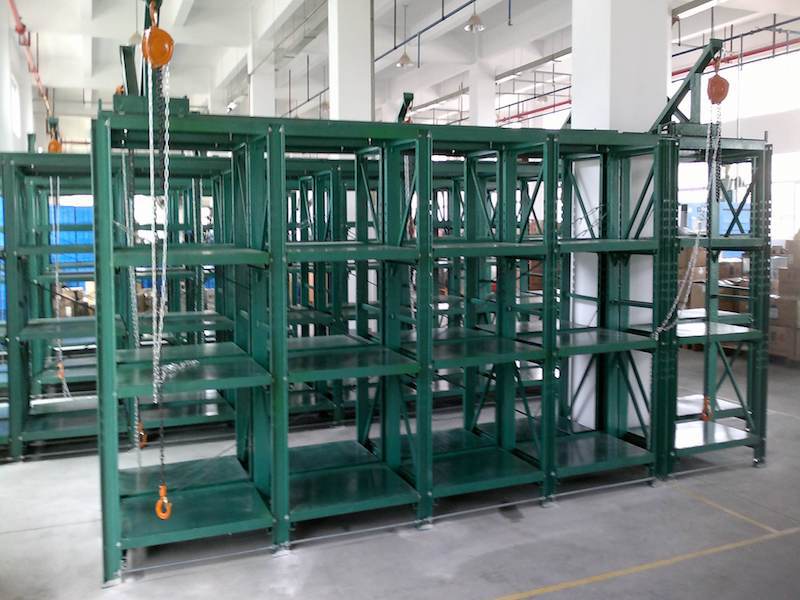
To maximize the utility of a short pallet rack, adding wire decking is a recommended practice. Wire decking provides a stable surface for smaller items that may not be on a standard pallet, and it allows for better light penetration and water flow from sprinklers. Other accessories, such as pallet backstops and safety mesh, prevent items from falling into the "flue space" (the gap between rack rows), which is vital for maintaining fire safety and preventing product damage.
Increased SKU Density: Converts low-ceiling areas into productive storage.
Improved Safety: Maintains necessary clearance for fire suppression and lighting.
Operational Agility: Facilitates faster hand-picking and manual inventory management.
Cost Efficiency: Eliminates the need for expensive high-reach equipment in specific zones.
While the industry often focuses on the "race to the top" with automated high-rise systems, the practical reality of many logistics operations demands a different approach. The strategic use of a short pallet rack system offers a robust solution for facilities with height constraints, ensuring that safety, compliance, and efficiency are not sacrificed. By choosing a high-quality manufacturer like [Guangshun], organizations can implement a tailored storage plan that addresses their specific spatial limitations while providing the structural reliability required for long-term industrial use.
Q1: What is the typical height range for a short pallet
rack?
A1: While there is no strict industry definition, these
systems generally range from 6 feet to 12 feet in height. They are designed to
fit under low ceilings, mezzanines, or in retail environments where standard
20-foot uprights are impractical.
Q2: Can I use standard forklifts with low-profile
racking?
A2: Yes, standard forklifts can be used, but their mast
height must be considered. In many low-ceiling environments, operators prefer
using "low-mast" forklifts, walkie-stackers, or electric pallet jacks to avoid
hitting overhead obstructions.
Q3: Is wire decking necessary for shorter racks?
A3:
While not strictly required by all codes, wire decking is highly recommended for
safety. It prevents loose items from falling, supports damaged pallets, and
meets most fire marshal requirements for 50% openness to allow sprinkler water
to pass through.
Q4: How do I calculate the load capacity for a short
rack?
A4: Capacity is determined by the manufacturer based on the
beam length, beam profile, and upright gauge. Even a short rack can be designed
to hold several thousand pounds per level if structural steel components are
utilized.
Q5: Are these systems boltless or do they require
hardware?
A5: Most modern systems use a "teardrop" or similar
boltless connection for the beams to allow for easy adjustability. However, the
baseplates must always be bolted to the concrete floor to ensure stability and
seismic compliance.

 Wechat
Whatsapp
Wechat
Whatsapp