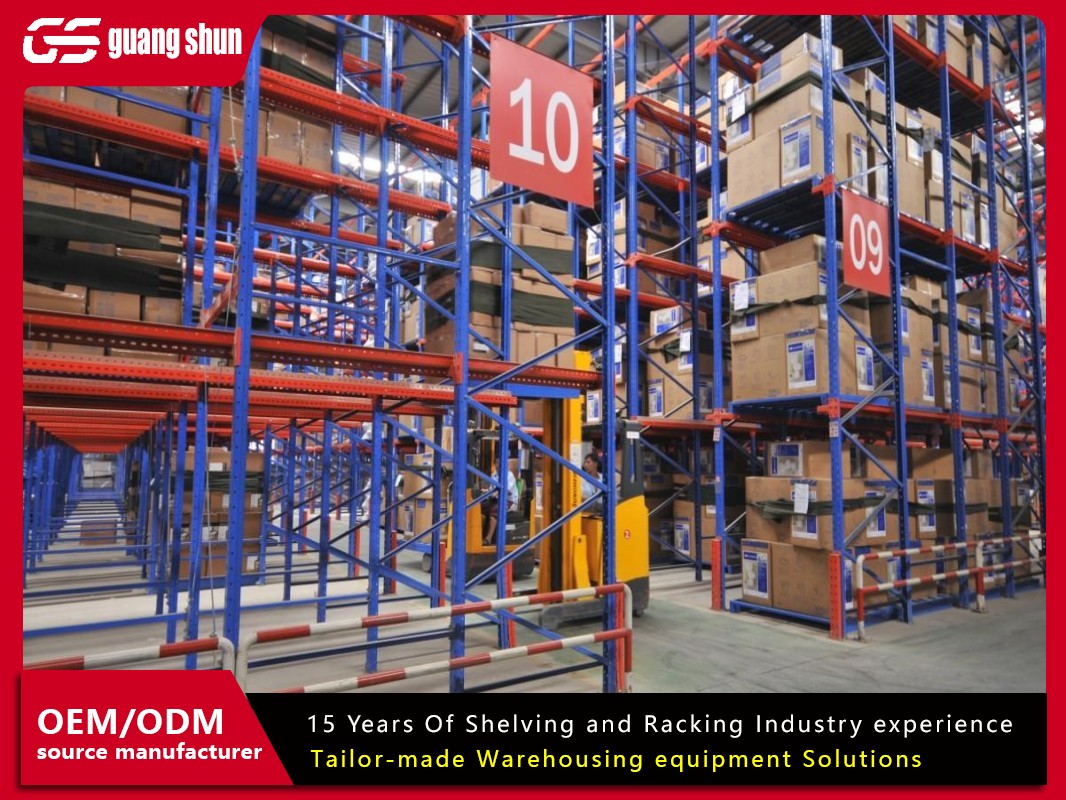
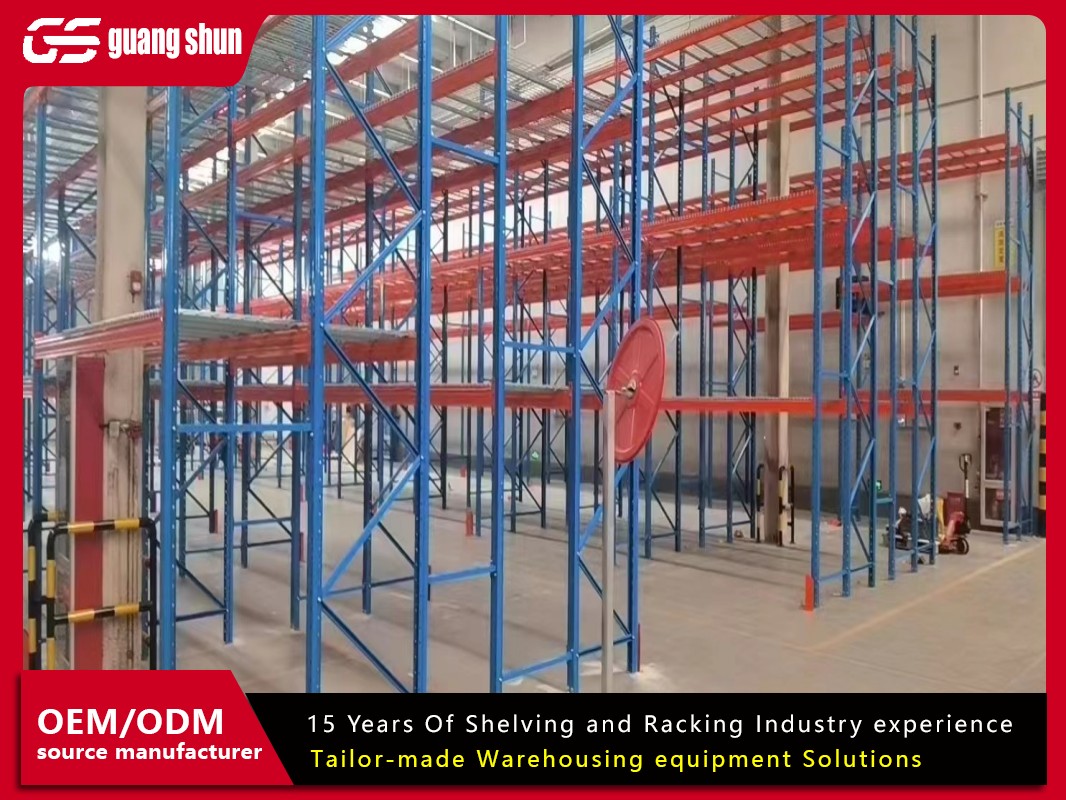
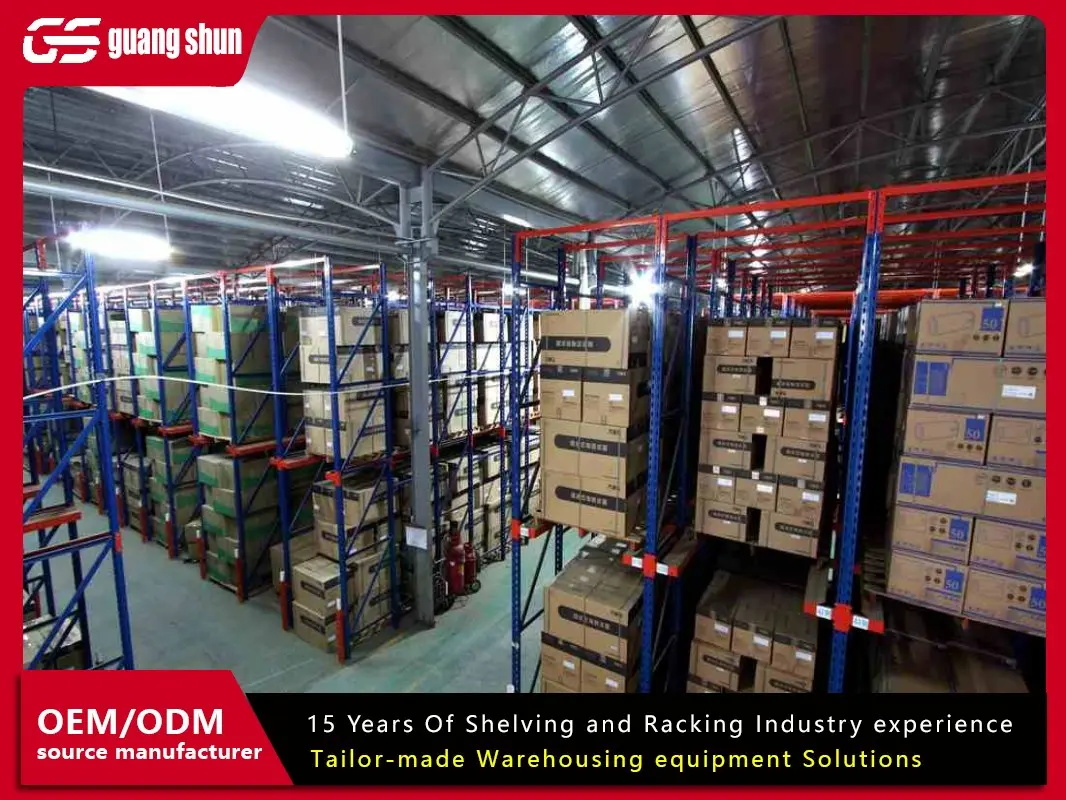
Managing inventory that lacks uniform dimensions presents a unique set of challenges for warehouse managers. Standard pallet racking, while effective for boxed goods, fails when confronted with timber, steel pipes, or heavy machinery components. This is where industrial cantilever shelving becomes a fundamental component of a high-throughput facility. By removing the front-facing vertical obstructions found in traditional systems, this specialized storage solution provides unobstructed horizontal access, allowing for the seamless integration of long and bulky items into a streamlined logistics workflow.
For organizations looking to improve their storage density, working with an experienced manufacturer like [Guangshun] ensures that the engineering meets rigorous safety and durability standards. In this analysis, we examine the technical nuances, material considerations, and operational advantages of implementing a robust cantilever system.
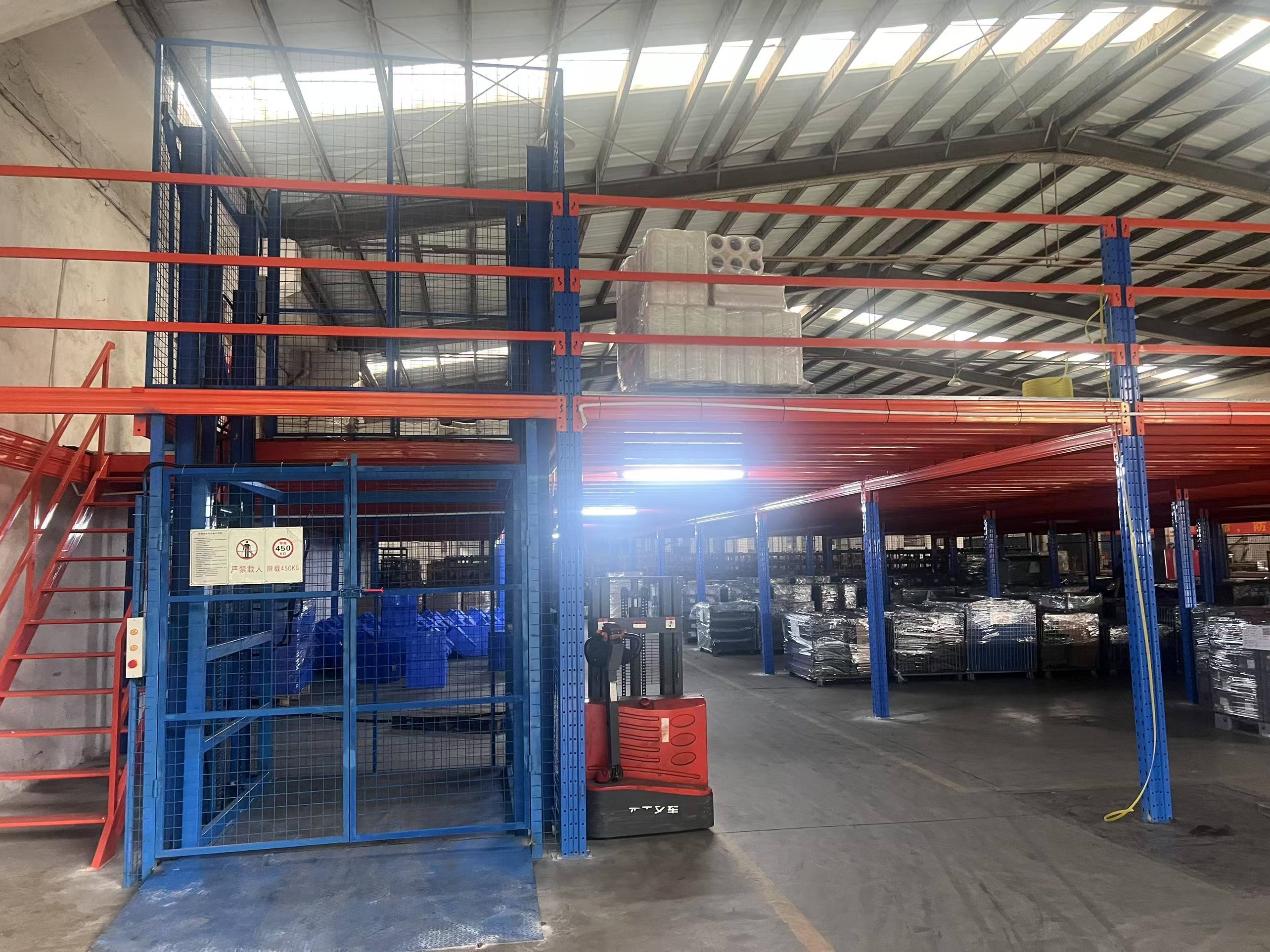
The efficacy of industrial cantilever shelving lies in its specific design architecture. Unlike four-post systems, the cantilever design relies on a heavy-duty base and a vertical upright to support arms that extend outward. Understanding the mechanics of these components is necessary for ensuring system longevity.
Upright Columns: These are the vertical backbones of the system. They are typically manufactured from roll-formed or structural steel. The height of the upright determines the total vertical storage capacity and must be calculated based on the clear height of the warehouse and the reach of the material handling equipment.
Cantilever Arms: These are the horizontal members that hold the load. They can be straight for flat products or inclined to prevent round objects from rolling off. The connection between the arm and the upright is a vital point of failure analysis; high-quality systems use a pin or bolt system that allows for vertical adjustability.
The Base: This is the foundation that anchors the uprights. In most configurations, the base is bolted to the floor and provides the primary counterweight to prevent tipping.
Bracing: Horizontal and diagonal bracing sets provide lateral stability. Without proper bracing, the system could sway under the lateral forces generated during loading and unloading.
When specifying industrial cantilever shelving, the choice between roll-formed and structural steel is a primary decision that impacts both cost and capacity. Roll-formed steel is created by shaping thin sheets of steel at room temperature. It is lighter and generally more cost-effective for medium-duty applications such as PVC piping or light wood trim.
However, for heavy-duty industrial environments, structural steel is the industry standard. Manufactured from hot-rolled C-channel steel, structural systems offer significantly higher resistance to impact damage from forklifts. This is particularly vital in high-traffic zones where the risk of equipment collision is elevated. [Guangshun] specializes in providing structural solutions that withstand the rigors of heavy industrial use, ensuring that the return on investment is realized over decades rather than years.
A common mistake in warehouse planning is ignoring the physics of load deflection. When an arm is loaded, it will naturally flex downward. If the deflection is too great, it can cause the load to slide or put undue stress on the upright connection point. Engineers must calculate the "moment" — the force applied at a distance from the pivot point.
To optimize industrial cantilever shelving, the center of gravity of the stored load should be positioned as close to the upright as possible. If the load extends beyond the length of the arms, it can create a lever effect that compromises the safety of the entire row. Adhering to RMI (Rack Manufacturers Institute) standards regarding load capacity plates and clear labeling is a non-negotiable requirement for modern compliance.
Why do certain sectors prioritize this specific storage method? Let’s examine the pain points solved by industrial cantilever shelving across various industries:
Lumber yards deal with varying lengths of wood. Traditional racking requires a fixed width between posts, often leading to wasted space or dangerous overhangs. Cantilever systems allow for a continuous shelf surface, meaning a 12-foot board and a 20-foot board can be stored on the same level without issue.
Metal bars, tubes, and angles are inherently heavy and prone to bending if not supported correctly. By adjusting the arm spacing, facilities can ensure that long metal products remain straight and are not subjected to structural fatigue during storage.
In automotive recycling, vehicle frames and large body parts are bulky and irregular. The open-front design allows for side-loading forklifts or multidirectional reach trucks to place and retrieve items without navigating around restrictive vertical supports.
Operational efficiency is directly tied to how quickly a forklift operator can locate and retrieve a SKU. industrial cantilever shelving improves visibility and accessibility. Because there are no front columns, operators have a clear line of sight to the inventory, reducing the time spent maneuvering in tight aisles.
Safety is further enhanced by implementing accessories such as:
Removable Pipe Stops: These prevent cylindrical loads from rolling off the arms.
Guide Rails: For narrow-aisle applications, guide rails protect the base of the rack from forklift impact.
Roof Systems: For outdoor storage, cantilever racks can be fitted with roofs to protect inventory from rain and UV damage, effectively creating an "I-beam" shed structure.
Every facility has unique spatial constraints. A "one-size-fits-all" approach rarely maximizes the cubic volume of a warehouse. This is where the expertise of a manufacturer like [Guangshun] becomes invaluable. Customization options such as tapered arms (which compensate for deflection) or specific powder-coating finishes for corrosive environments allow for a tailored solution.
Scalability is another factor. As business grows, the storage system must adapt. Modular designs allow for the addition of new arms or the extension of existing rows without a complete overhaul of the warehouse layout. This flexibility is a key driver in reducing long-term capital expenditure.
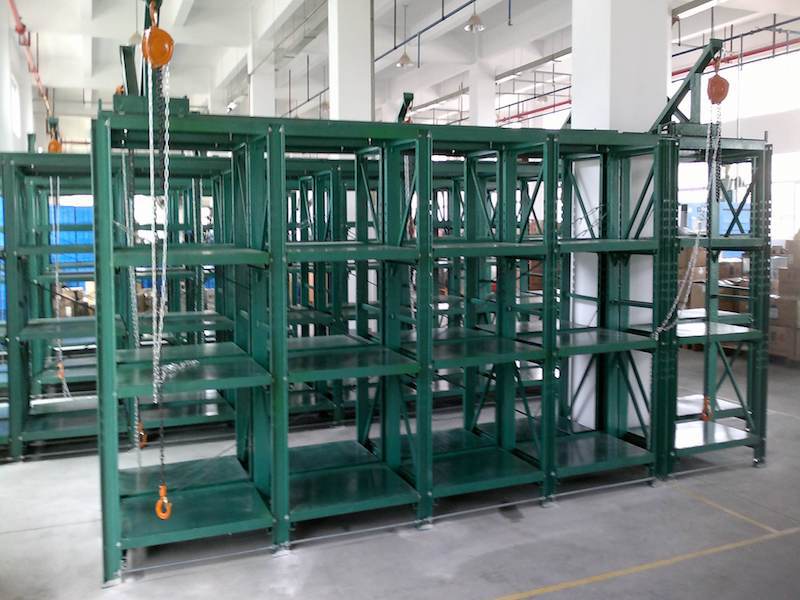
The success of an industrial cantilever shelving installation is dependent on the machinery used to service it. Since these racks are typically used for long loads, side-loaders or 4-way forklifts are the most efficient choices. These vehicles can carry long items down narrow aisles, significantly increasing the storage density of the floor plan. When designing the rack spacing, the "swing radius" and "outrigger clearance" of the MHE must be factored into the aisle width calculations to ensure safe operation.
In the competitive landscape of B2B logistics, the ability to store and move unconventional inventory efficiently is a significant advantage. A well-engineered cantilever system provides the durability, accessibility, and safety required for heavy industrial use. By focusing on structural integrity and working with reputable partners like [Guangshun], facility managers can transform their storage areas into high-performance hubs of activity.
Q1: What is the maximum load capacity for industrial cantilever
shelving?
A1: The capacity varies widely based on the gauge of steel
and the upright height. Heavy-duty structural systems can support upwards of
30,000 lbs per upright, with individual arms capable of holding 2,000 to 5,000
lbs each. Specific calculations must be performed for every installation.
Q2: Can cantilever racks be used outdoors?
A2: Yes. When
treated with a hot-dipped galvanized finish, these systems are highly resistant
to rust and environmental degradation. Many facilities use them for storing
construction materials or steel stock in outdoor yards.
Q3: How do I determine the number of arms needed for a specific
load?
A3: The number of arms depends on the weight and the rigidity
of the product. To prevent sagging, the product should be supported by enough
arms so that the distance between arms is roughly 1/2 of the product length,
with an equal amount of overhang on each end.
Q4: Is it possible to add decking to a cantilever
system?
A4: Yes, wire mesh or steel decking can be placed across the
arms to create a continuous shelf. This is useful for storing shorter items or
boxes alongside longer products within the same system.
Q5: What are the primary safety standards for these
racks?
A5: In the United States, the RMI (Rack Manufacturers
Institute) provides the primary guidelines. Internationally, FEM and EN
standards are often followed. These standards cover everything from steel
quality to the frequency of safety inspections.

 Wechat
Whatsapp
Wechat
Whatsapp