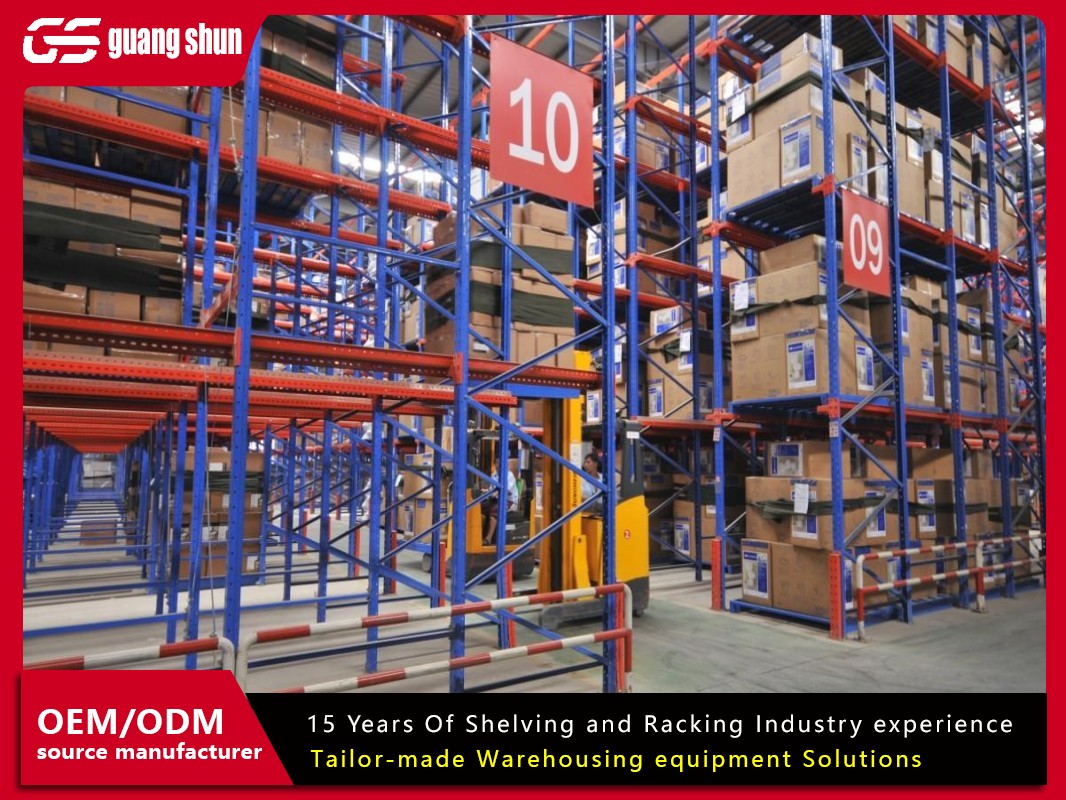
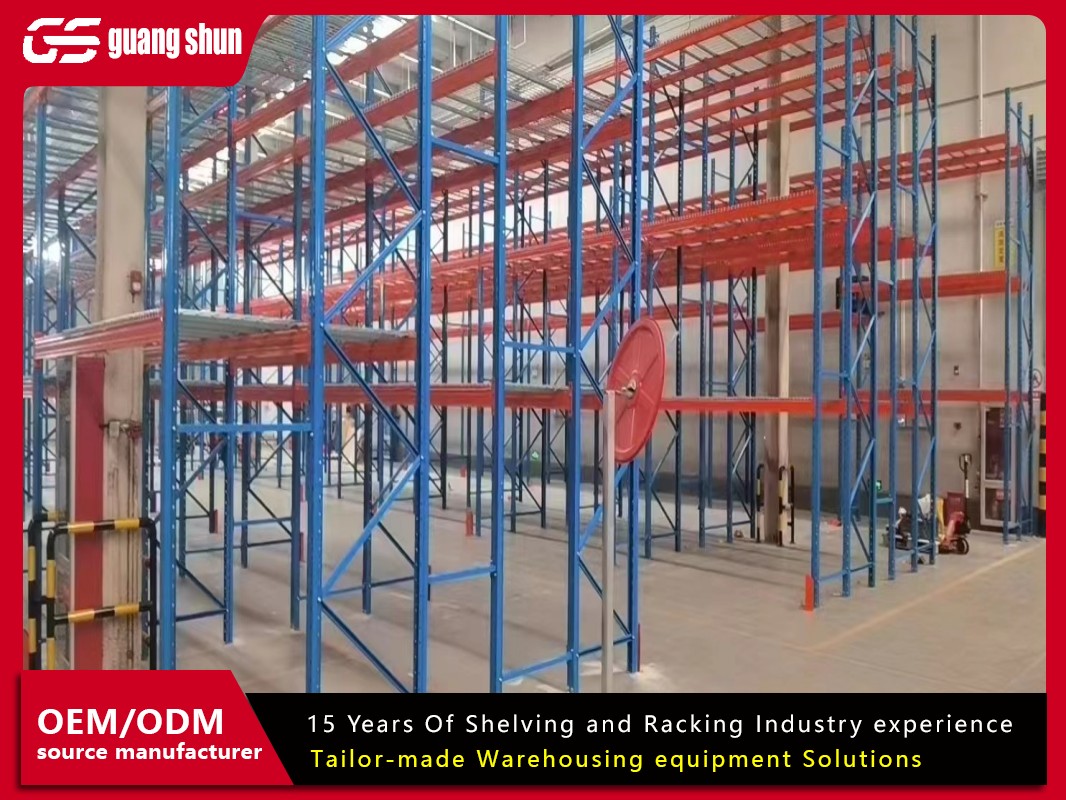
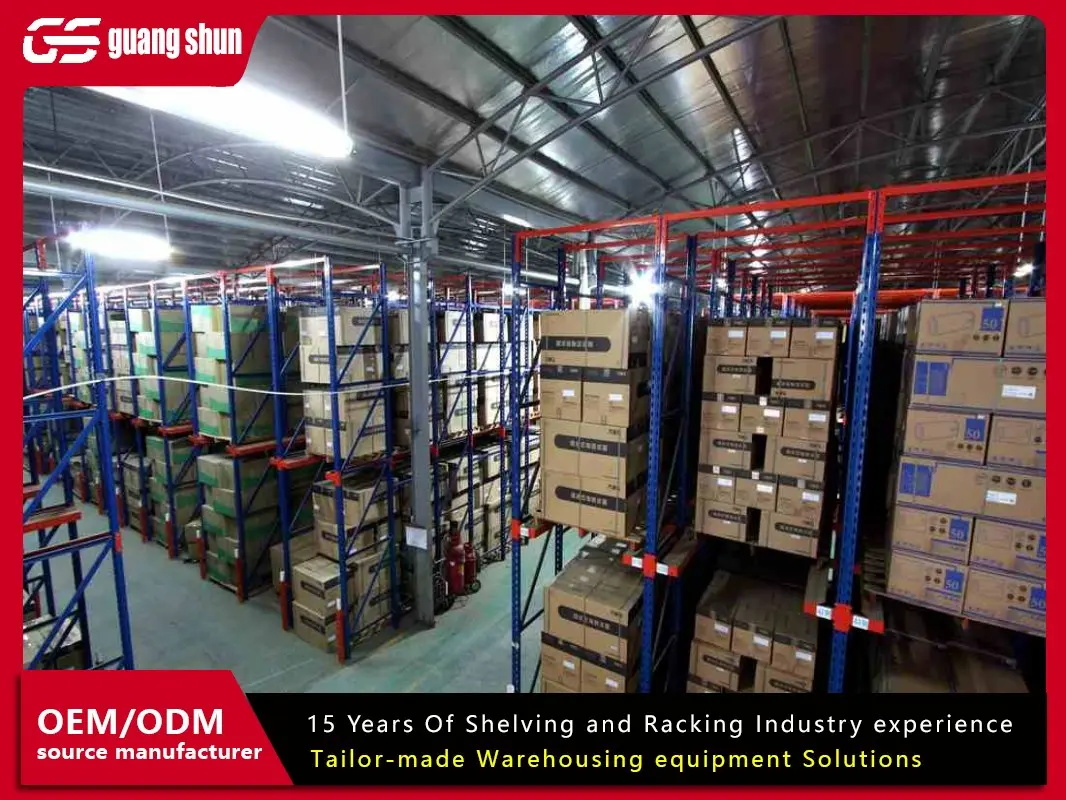
In heavy industrial environments—automotive parts distribution, aerospace warehousing, and high-bay manufacturing—the selection of industrial storage shelving units directly influences operational throughput, safety metrics, and facility longevity. Unlike generic retail shelving, industrial-grade systems must withstand dynamic loading, seismic forces, and decades of continuous use without fatigue failure.
With over two decades of engineering storage infrastructures for Fortune 500 logistics hubs and defense contractors, I have observed that the most costly mistake in facility design is underestimating the interplay between structural steel specifications, floor flatness, and load distribution. This article dissects the engineering principles behind high-capacity shelving, application-specific configurations, and quantifiable total cost of ownership (TCO) models.
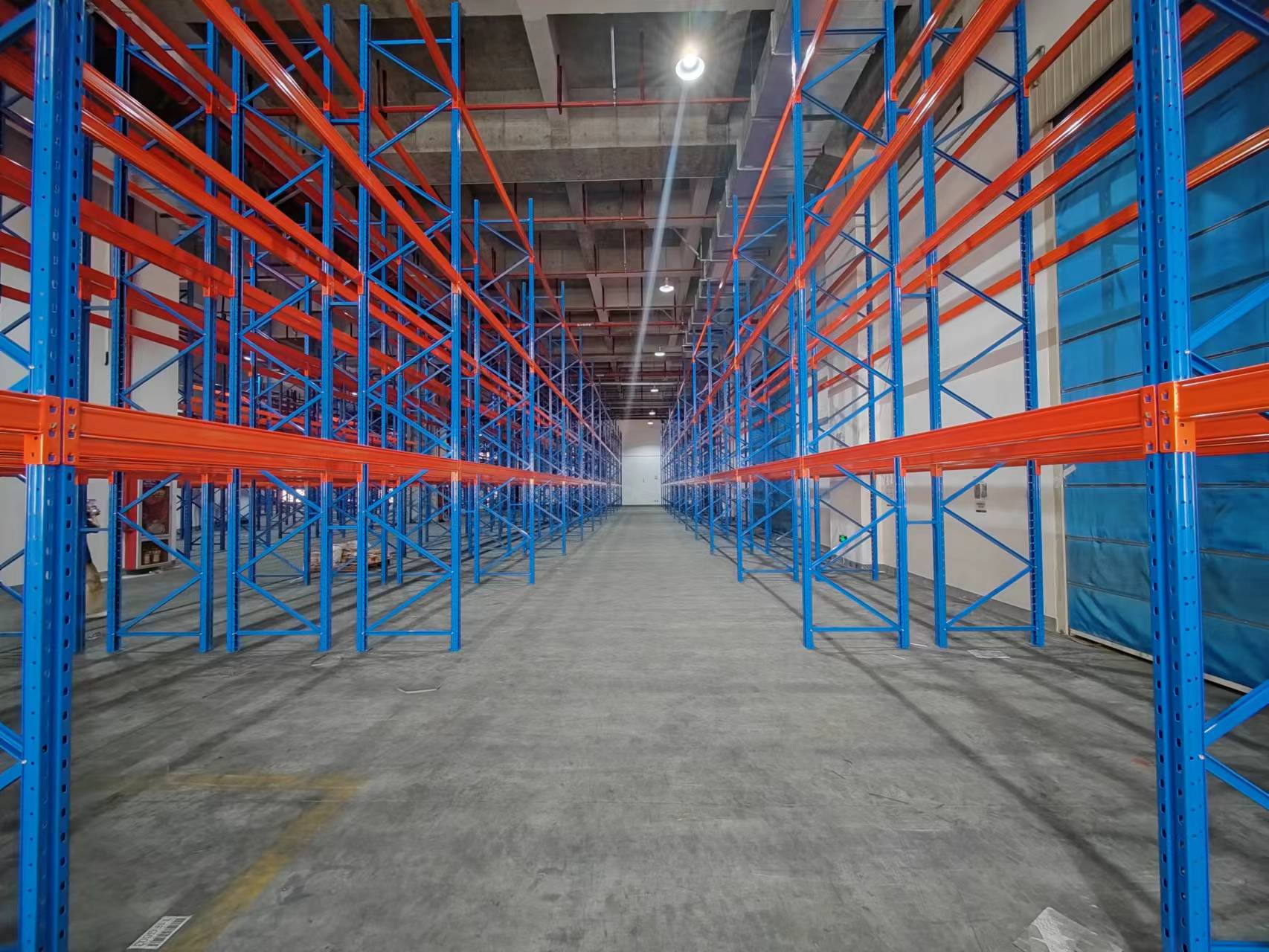
A standard industrial storage shelving unit is defined not by its dimensions but by its load-bearing certifications and structural behavior under stress. The industry segments these systems into three primary categories based on capacity and access methodology.
Boltless systems rely on interlocking rivet connections. While often perceived as “light-duty,” properly engineered boltless units using 1.5mm to 2.0mm cold-rolled steel can support 500–800 kg per shelf level. Critical engineering aspects include:
Column thickness and profile: Uprights must incorporate reinforcing ribs to prevent buckling under eccentric loads.
Beam-to-column interface: Rivet connectors must be manufactured to ISO 2768 tolerances to eliminate sway.
Surface treatment: Industrial environments require powder coating with 80–100 micron thickness and salt spray resistance (ASTM B117) exceeding 500 hours.
When loads exceed 1,000 kg per position, selective racking becomes the standard. These industrial storage shelving units utilize hot-rolled steel sections with bolted connections. Load capacities can reach 5,000 kg per beam level. Design criteria must account for:
Beam deflection limits: Maximum vertical deflection under full load must not exceed L/180 (where L is beam span) to prevent load instability.
Column base plates: Anchor bolt patterns must be engineered to resist overturning moments from seismic or impact forces.
Upright frame bracing: Diagonal braces are mandatory for heights above 4 meters to resist longitudinal rack sway.
Industries handling steel bars, lumber, or automotive body panels require cantilever configurations. The structural challenge lies in arm deflection and column moment resistance. High-performance cantilever units utilize tapered arms and welded column sections with moment capacities exceeding 15,000 Nm.
The longevity of any industrial storage shelving system is determined by its metallurgy. In high-humidity environments (cold storage, chemical warehouses) or outdoor covered areas, material selection becomes a critical financial decision.
Cold-rolled steel (ASTM A1008): Used for boltless and light-to-medium duty shelving. Offers superior surface finish but requires thorough coating to prevent red rust in moist conditions.
Hot-rolled structural steel (ASTM A36 / S235JR): Standard for heavy-duty racking columns. Provides higher yield strength (250 MPa minimum) and better weldability for custom configurations.
High-strength low-alloy (HSLA) steel (ASTM A572 Grade 50): Increasingly adopted for high-bay applications (over 10 meters) to reduce column cross-section while maintaining 345 MPa yield strength, allowing more cubic storage within the same footprint.
Corrosion protection protocols: For cold storage or food-grade environments, suppliers like Guangshun utilize a three-layer system: zinc phosphate pretreatment, epoxy primer, and polyester topcoat, achieving 1,000+ hours of salt spray resistance. This prevents costly replacement cycles that typically occur after 5–7 years in poorly coated systems.
Generic shelving specifications often fail when confronted with extreme operational conditions. Below are three sectors where tailored engineering of industrial storage shelving units is non-negotiable.
Automotive plants require shelving that accommodates sequenced delivery to assembly lines. Loads vary from small bins (20 kg) to heavy powertrain components (1,500 kg) within the same zone. The solution often involves multi-level steel shelving with integrated conveyor interfaces. Key structural requirements: floor anchoring to withstand vibration from adjacent stamping presses, and modularity to reconfigure as model platforms change.
In temperature-controlled environments (-25°C to +8°C), two phenomena affect shelving: condensation-induced corrosion and steel embrittlement. Standard powder coatings delaminate under freeze-thaw cycles. Specialized systems use hot-dip galvanizing (HDG) per ASTM A123 with 85µm minimum coating thickness. Additionally, seismic bracing must account for the added mass of ice accumulation on rack structures in freezer applications.
High-throughput facilities with thousands of SKUs demand carton flow shelving and pick modules. Here, the structural design must support mezzanine floors and conveyor supports integrated into the shelving framework. Dynamic load calculations must account for personnel movement, order picking equipment, and seismic forces simultaneously.
In regions with moderate to high seismic risk (California, Japan, Chile), industrial storage shelving units must comply with ASCE 7-22 or equivalent seismic design categories. Non-compliant racks are a primary cause of warehouse collapse during earthquakes.
Seismic engineering for storage systems involves:
Base isolation vs. rigid bracing: For high-bay systems, base isolators allow the structure to move independently of ground motion. For low-rise shelving, diagonal bracing and proper anchoring are mandatory.
Load combinations: ASCE 7 requires combining vertical gravity loads with horizontal seismic forces (E = ρ QE ± 0.2 SDS D). Engineers must verify that beam-to-column connections resist these combined stresses without yielding.
Testing protocols: Full-scale shake table testing per ICC-ES AC156 provides verified performance data. Specifying tested systems reduces liability and ensures business continuity after a seismic event.
A major beverage distributor in California recently retrofitted 15,000 pallet positions with Guangshun seismic-rated industrial storage shelving units, incorporating base plates designed for 0.5g peak ground acceleration. The retrofit reduced earthquake-related insurance premiums by 22% and eliminated business interruption risk during peak season.
One of the most misunderstood aspects of shelving engineering is the distinction between static load capacity and dynamic load ratings. Many facilities use static ratings for forklift-impacted applications, leading to premature structural failure.
Static load: The maximum weight a shelf can support when loads are placed gently and remain stationary. This is applicable for manual picking areas.
Dynamic load: The capacity accounting for impact forces from forklifts or powered equipment. Industry standards (RMI MH16.1) require a safety factor of 1.5 to 1.8 for dynamic applications.
Point load vs. uniform load: Concentrated loads (e.g., a single heavy drum) create higher stress on beam flanges than uniformly distributed loads. Beam selection must be based on maximum point load, not average load.
Professional engineering calculations must also account for eccentric loading—where the center of gravity of the stored product is offset from the beam centerline. This induces torsion on beams and can cause connection failure even if vertical load limits are respected.
Procurement decisions often prioritize lowest initial cost, yet a 15-year LCA reveals that low-quality shelving incurs 3–5 times higher total cost due to replacements, downtime, and safety incidents. A robust LCA for industrial storage shelving units includes:
Coating durability: High-quality powder coating adds 15–20% to upfront cost but eliminates repainting or replacement in corrosive environments.
Structural redundancy: Systems designed with spare capacity (15–20% above current loads) accommodate future inventory changes without reinforcement.
Damage tolerance: Replaceable column protectors and sacrificial beam ends reduce repair costs from forklift impacts.
Data from a 2024 study across 60 warehouses showed that facilities using certified heavy-duty shelving with impact protection had 78% fewer structural repairs over a decade compared to those using entry-level industrial shelving.
As warehouses adopt autonomous mobile robots (AMRs) and vertical lift modules (VLMs), shelving structures must interface with these systems. Key design considerations include:
Floor flatness (FF/FL): AMR navigation requires floors with FF ≥ 50 and FL ≥ 35. Shelving anchoring must not disrupt floor levelness.
Clearance for robotic picking: Beam heights and depths must accommodate end-of-arm tooling reach profiles.
Electrical integration: Powered shelving (e.g., dynamic storage with motorized lanes) requires conduit routing integrated into the rack structure to avoid trip hazards.
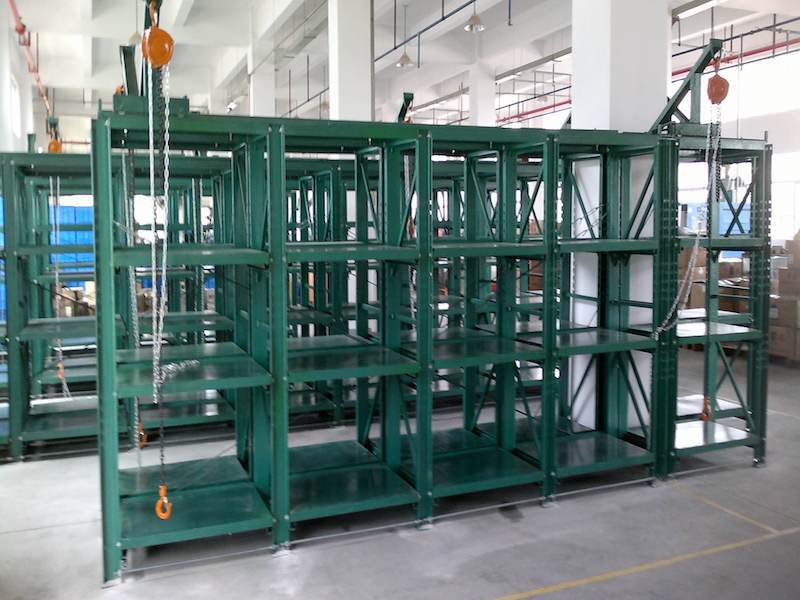
Compliance with RMI (Rack Manufacturers Institute) ANSI MH16.1-2022, FEM 10.2.08, or AS 4084 (Australia) is not optional—it is a legal requirement in most jurisdictions. Certifications to look for in a supplier include:
Third-party seismic testing: ICC-ES or similar.
Material traceability: Mill certificates verifying steel grade and yield strength.
Installation certification: Verification that anchoring torque values meet engineering specifications.
Reputable manufacturers like Guangshun provide full engineering stamps and installation supervision to ensure compliance with local building codes, reducing owner liability in the event of an accident.
Selecting industrial storage shelving units is a capital investment that will shape warehouse safety, efficiency, and adaptability for 20+ years. The engineering depth—from steel grade selection to seismic bracing and dynamic load calculations—separates a facility that operates reliably under peak demand from one plagued by structural failures and costly retrofits. By prioritizing structural integrity, certified compliance, and lifecycle cost over initial purchase price, operations leaders build infrastructure that supports growth rather than constraining it.
Q1: How do I determine whether I need boltless shelving or heavy-duty selective racking?
A1: The determining factors are load weight and access method. If loads are under 800 kg per level and accessed manually (by hand), boltless industrial storage shelving units are cost-effective. If loads exceed 800 kg or are moved by forklifts/pallet jacks, selective racking with hot-rolled steel columns and bolted connections is required to handle impact forces and point loads.
Q2: What is the acceptable floor flatness tolerance for high-bay shelving installations?
A2: For shelving over 6 meters in height, floor flatness must typically meet FF 50 / FL 35. Any deviation exceeding ±3mm over a 3-meter radius must be compensated with shims or leveling plates. Failure to correct floor irregularities leads to uneven load distribution and potential column buckling.
Q3: Can I mix shelving brands within the same storage system?
A3: Mixing brands is strongly discouraged unless engineering certifications confirm compatibility. Differences in beam profiles, connector designs, and column hole patterns can create mismatched load paths, leading to connection failure. For integrated systems, it is safer to use a single supplier such as Guangshun that provides full system engineering documentation.
Q4: How often should industrial shelving undergo professional inspection?
A4: RMI guidelines recommend formal structural inspections every 12 months for active warehouses, with additional inspections after any forklift impact or seismic event. Inspections should assess column deformation (no more than 0.25% out-of-plumb), beam connector engagement, and anchor bolt torque. Signs of corrosion or fatigue cracks require immediate engineering evaluation.
Q5: What is the typical lead time for custom-engineered heavy-duty shelving?
A5: For systems requiring seismic engineering, custom finishes, or non-standard dimensions, lead times range from 8 to 16 weeks. This includes structural calculations, shop drawings, fabrication, and coating. Expedited timelines risk compromising engineering rigor and quality control. Reputable suppliers like Guangshun provide detailed project schedules during the design phase to align with construction timelines.

 Wechat
Whatsapp
Wechat
Whatsapp