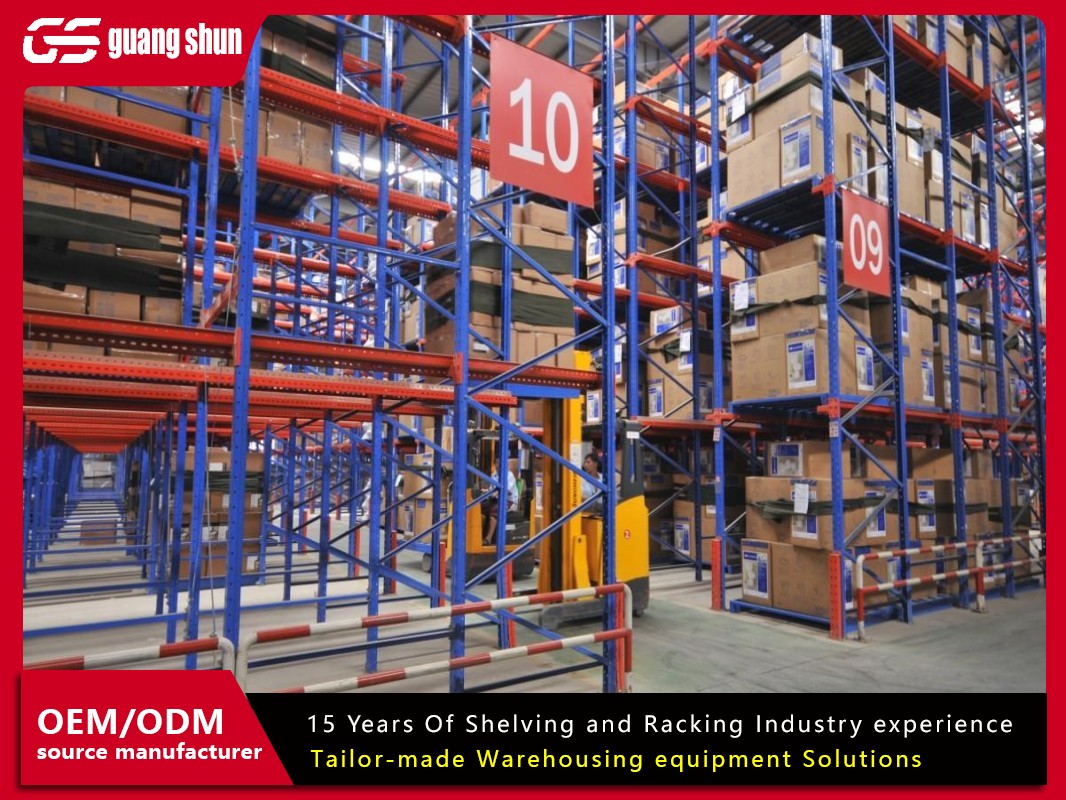
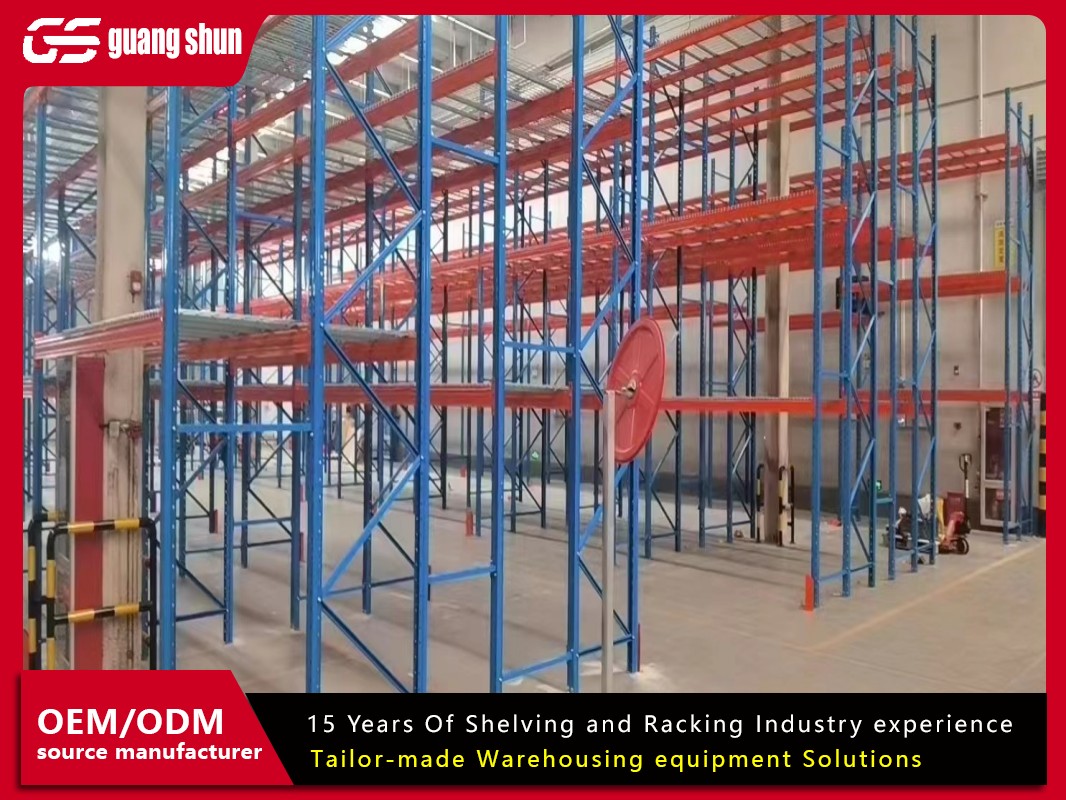
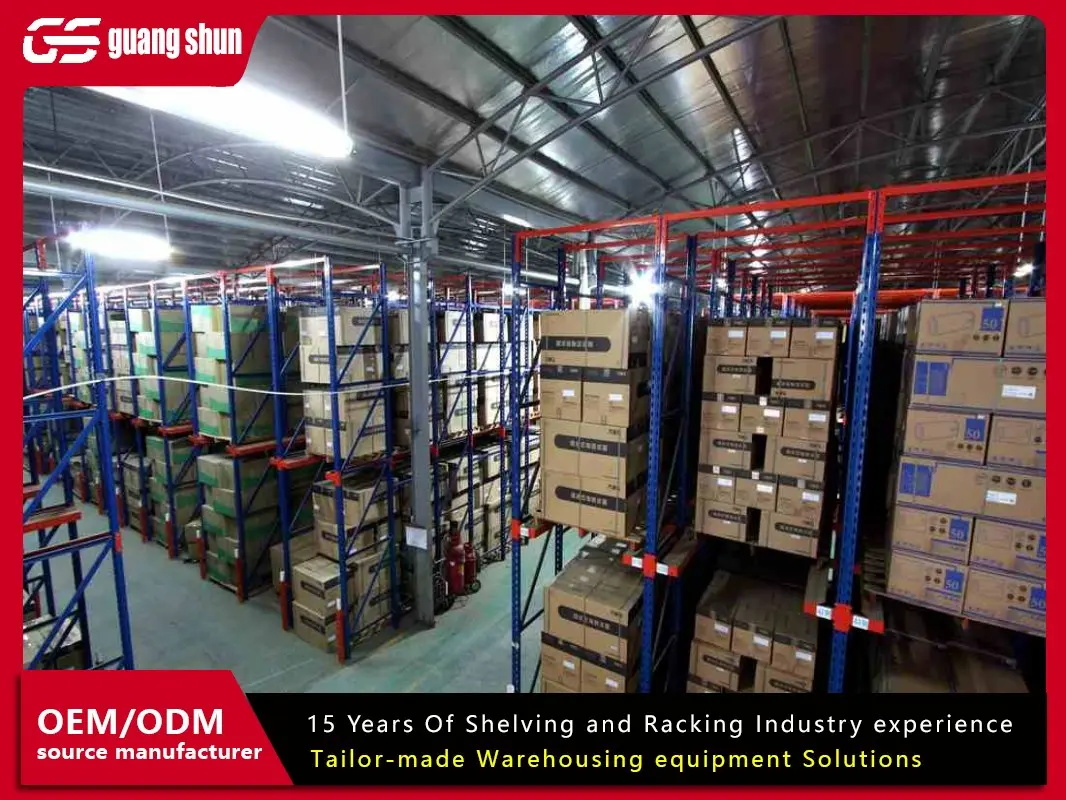
The global logistics infrastructure is currently undergoing a significant shift toward higher SKU density and faster fulfillment cycles. At the heart of this transformation lies the structural integrity of storage racks for industrial use. These are not merely static steel frames; they are highly engineered systems designed to manage immense vertical loads while ensuring the safety of warehouse personnel and the security of high-value inventory. For procurement managers and facility engineers, selecting the right system requires a deep understanding of material science, seismic requirements, and mechanical load distribution.
Modern manufacturing and distribution hubs require storage solutions that go beyond simple shelving. Companies like Guangshun have spent years refining the production processes for these systems, ensuring that every weld and every bolt meets international safety certifications. When we examine the technical specifications of high-quality storage racks for industrial use, we see a convergence of precision engineering and operational strategy.
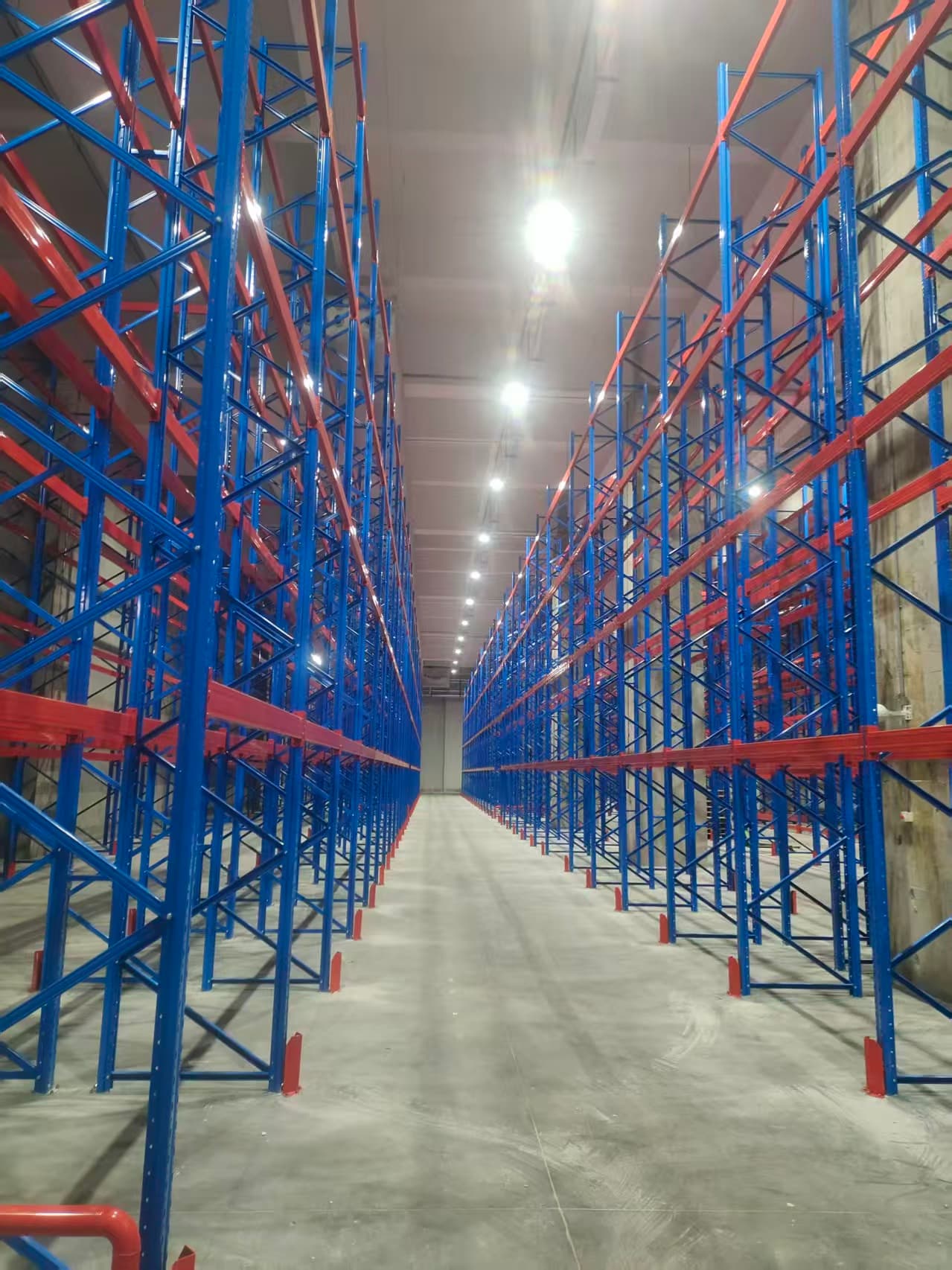
The foundation of any industrial racking system is the quality of the steel. Industrial-grade racks typically utilize high-strength, cold-rolled steel. The mechanical properties, specifically the yield strength—measured in Pounds per Square Inch (PSI)—determine how much a column can support before it undergoes permanent deformation.
Structural Steel (C-Channel): Often used in heavy-duty environments, structural steel is hot-rolled and offers significant resistance to forklift impacts. It is the preferred choice for high-traffic 3PL facilities.
Roll-Formed Steel: This involves shaping long strips of steel through a series of rollers at room temperature. It is highly versatile and cost-effective for storage racks for industrial use that require frequent reconfiguration.
Gauge Consistency: The thickness of the steel (gauge) must be consistent throughout the upright frame. Variations of even a few millimeters can lead to structural imbalances during peak load capacity.
The application of storage racks for industrial use varies based on the inventory management logic—whether it is First-In, First-Out (FIFO) or Last-In, First-Out (LIFO).
This is the most common configuration, providing 100% selectivity. Each pallet is accessible without moving another. It is the standard for general warehousing, but it requires the most aisle space. For facilities looking to maximize their vertical cube, selective racking remains a fundamental choice due to its simplicity and ease of maintenance.
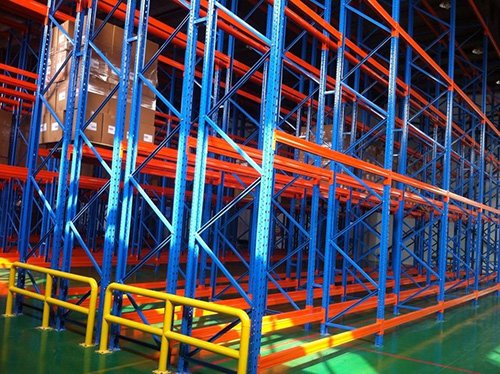
In high-density environments where SKU counts are low but volume per SKU is high, drive-in racking allows forklifts to enter the rack structure itself. This eliminates the need for numerous access aisles, effectively increasing storage density by up to 75%. However, this design places higher stress on the upright frames, requiring reinforced baseplates and heavy-duty rails.
For industrial sectors dealing with lumber, steel pipes, or heavy machinery components, traditional pallet racking is insufficient. Cantilever systems utilize a central upright with extended arms to support long, bulky items. Engineering these systems requires precise calculations regarding "deflection" to ensure the arms do not sag under the weight of non-uniform loads.
One of the most overlooked aspects of procuring storage racks for industrial use is seismic compliance. Depending on the geographical location of the warehouse, the racking must be engineered to withstand lateral forces generated during an earthquake. This involves more than just "bolting it to the floor."
Engineers at Guangshun utilize sophisticated software to simulate seismic events, determining the necessary size of the baseplates and the frequency of floor anchors. A seismic-rated rack will often feature larger footings and specialized bracing patterns (X-bracing or K-bracing) to dissipate kinetic energy. Failure to account for these factors can lead to catastrophic collapse, even in minor tremors, resulting in millions of dollars in losses and potential legal liability.
Warehouse managers frequently encounter the issue of "vertical air," where the space between the top of the pallet and the beam above it is excessively large. This is a sign of inefficient space utilization. Modern storage racks for industrial use offer adjustable beam levels, often in 2-inch increments, allowing for precision tuning of the storage environment.
Impact Damage: Forklift collisions with uprights are the leading cause of rack failure. The solution lies in the installation of column protectors and aisle-end guards. These sacrificial components absorb the impact energy, protecting the main load-bearing structure.
Corrosion in Cold Storage: In refrigerated or humid environments, standard paint will flake and allow rust to set in. Utilizing hot-dipped galvanized steel ensures the racks remain structurally sound despite moisture exposure.
Inventory Accuracy: Integrating barcode labels and RFID tags directly onto the rack beams helps in real-time tracking, reducing the time spent on manual audits.
The finish on a racking system is not merely aesthetic. In the industrial sector, the finish acts as a barrier against oxidation and chemical exposure. High-quality storage racks for industrial use undergo an electrostatic powder coating process. This results in a much harder and more durable finish than liquid paint. This durability is fundamental in high-velocity warehouses where pallets are constantly sliding in and out, creating friction and potential surface wear.
Regulatory compliance is a non-negotiable aspect of industrial storage. In the United States, the Rack Manufacturers Institute (RMI) sets the benchmarks for design and testing. OSHA (Occupational Safety and Health Administration) enforces the maintenance of these standards. Key requirements include:
Load Capacity Plaques: Every rack row must clearly display the maximum weight it is designed to hold. Overloading a beam can cause it to exceed its deflection limit, leading to structural failure.
Plumbness and Leveling: A rack that is out of plumb by even 1 degree is significantly weaker. Professional installation teams use shims and laser leveling to ensure the structure is perfectly vertical.
Safety Pins and Locks: Each beam-to-column connection must have a locking device to prevent the beam from being accidentally dislodged by a forklift operator lifting a pallet too high.
When calculating the return on investment for storage racks for industrial use, many companies make the mistake of focusing solely on the initial capital expenditure (CAPEX). A professional analysis must include the Total Cost of Ownership (TCO). High-quality systems from Guangshun may have a higher upfront cost but offer significantly lower maintenance expenses over a 10-to-15-year period.
Consider the cost of a single rack collapse: lost inventory, damaged equipment, facility downtime, and increased insurance premiums. By investing in robust storage racks for industrial use, a company is essentially purchasing insurance for its operational continuity. Furthermore, efficient racking allows for a smaller warehouse footprint, which reduces property taxes, utility bills, and labor costs associated with long travel distances within the facility.
As we look toward the future, the interaction between physical racks and automated systems is becoming more intricate. AS/RS (Automated Storage and Retrieval Systems) require much tighter tolerances than manual racking. The racks must be perfectly square and level to allow robotic cranes to operate at high speeds without friction. This necessitates a partnership with manufacturers who understand the nuances of automated logistics and can provide the level of precision required for 24/7 autonomous operations.
In conclusion, the selection of storage racks for industrial use is a fundamental business decision that impacts safety, efficiency, and long-term profitability. By focusing on material quality, engineering standards, and safety compliance, organizations can build a resilient logistics backbone capable of supporting the demands of a globalized economy. Guangshun remains committed to providing the technical expertise and high-quality hardware necessary to meet these challenges.
Q1: What are the most common causes of industrial storage rack failure?
A1: The primary causes include forklift impact damage, overloading the beams beyond their rated capacity, improper installation (racks not being plumb), and using damaged or second-hand components that have lost their structural integrity.
Q2: How do I determine the load capacity I need for my racks?
A2: You must calculate the weight of your heaviest pallet and multiply it by the number of pallets per beam level. Additionally, the vertical uprights must be rated for the total weight of all levels combined. It is standard practice to include a safety factor of at least 1.65.
Q3: Is it necessary to anchor storage racks to the floor?
A3: Yes, anchoring is a fundamental safety requirement. Anchors prevent the rack from shifting or tipping due to impacts or seismic activity. Most building codes and RMI standards require at least one anchor per baseplate.
Q4: Can I combine components from different racking manufacturers?
A4: This is generally discouraged. Even if the components appear to fit together, the load ratings are only certified for specific combinations of beams and uprights from the same manufacturer. Mixing brands can void warranties and safety certifications.
Q5: How does cold storage affect the choice of industrial racks?
A5: Cold storage environments cause standard steel to become more brittle. Additionally, moisture can lead to rapid corrosion. For these settings, structural steel or galvanized roll-formed steel is recommended to ensure long-term stability and hygiene compliance.
Q6: What is the difference between FIFO and LIFO in racking?
A6: FIFO (First-In, First-Out) ensures that the oldest stock is used first, which is vital for perishable goods. LIFO (Last-In, First-Out) is used in high-density systems like Drive-In racking, where the most recently added pallet is the first one removed.

 Wechat
Whatsapp
Wechat
Whatsapp