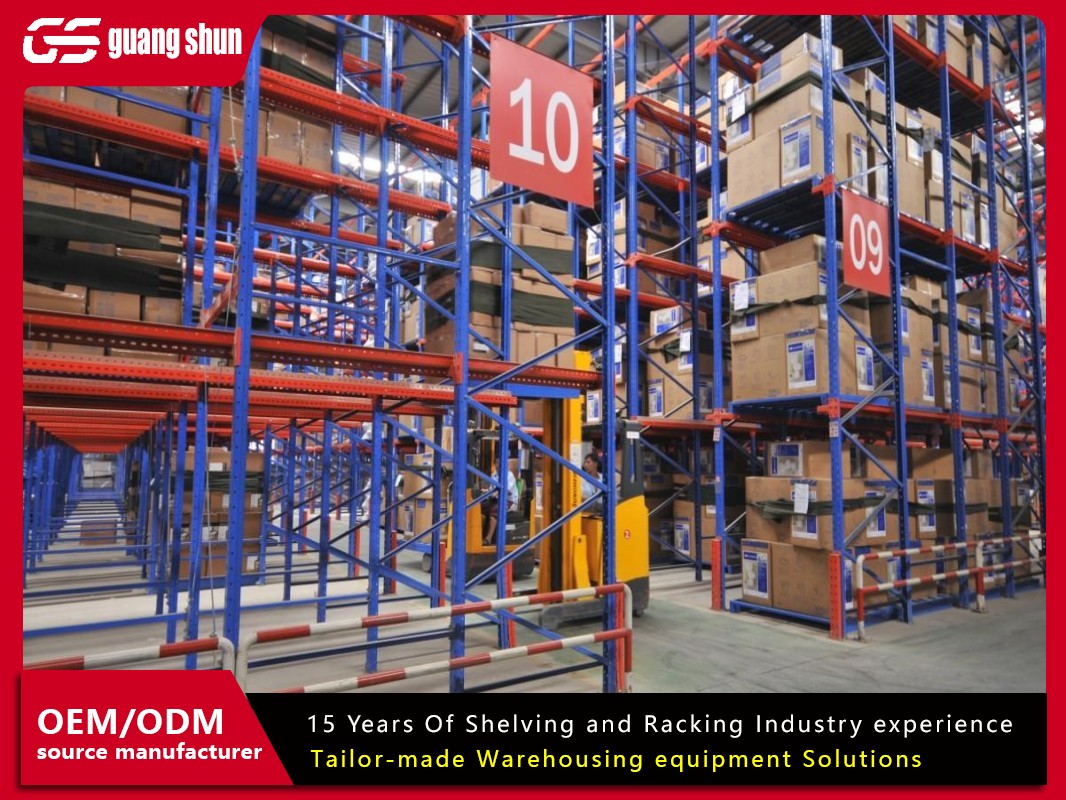
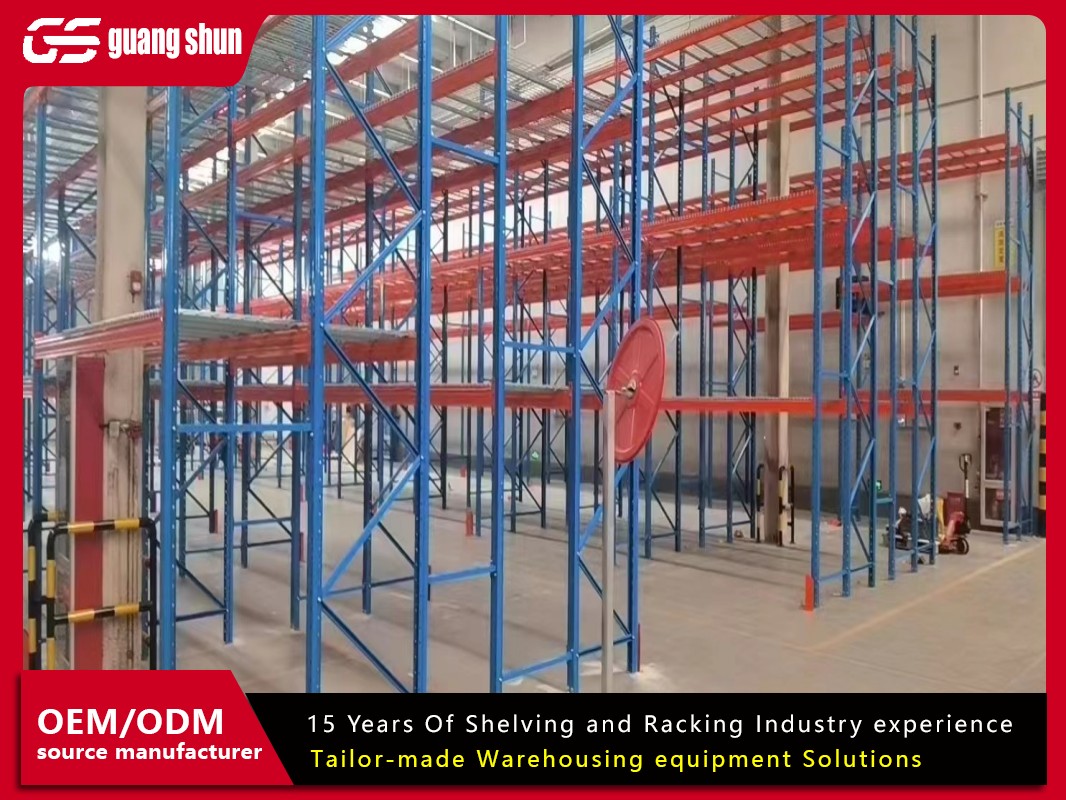
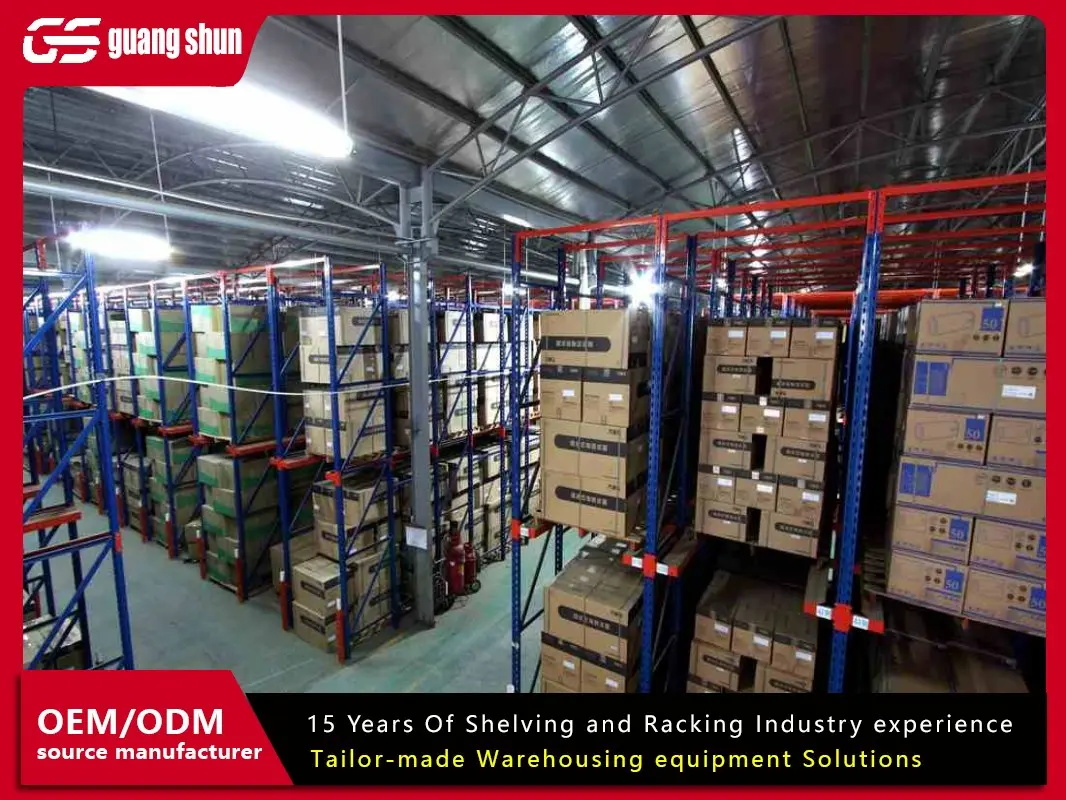
In the specialized field of material handling and industrial storage, the management of cylindrical goods—ranging from steel coils and paper rolls to cable reels and rubber rolls—presents a distinct engineering challenge. Unlike standard palletized loads, cylindrical products demand a storage solution that addresses rolling hazards, weight distribution anomalies, and the need for specialized access. The cylinder pallet rack has emerged as the definitive structural response to these operational constraints. This article provides a deep technical analysis of the engineering principles, application-specific configurations, and safety protocols governing these systems, offering a data-driven perspective for facility managers and supply chain engineers.
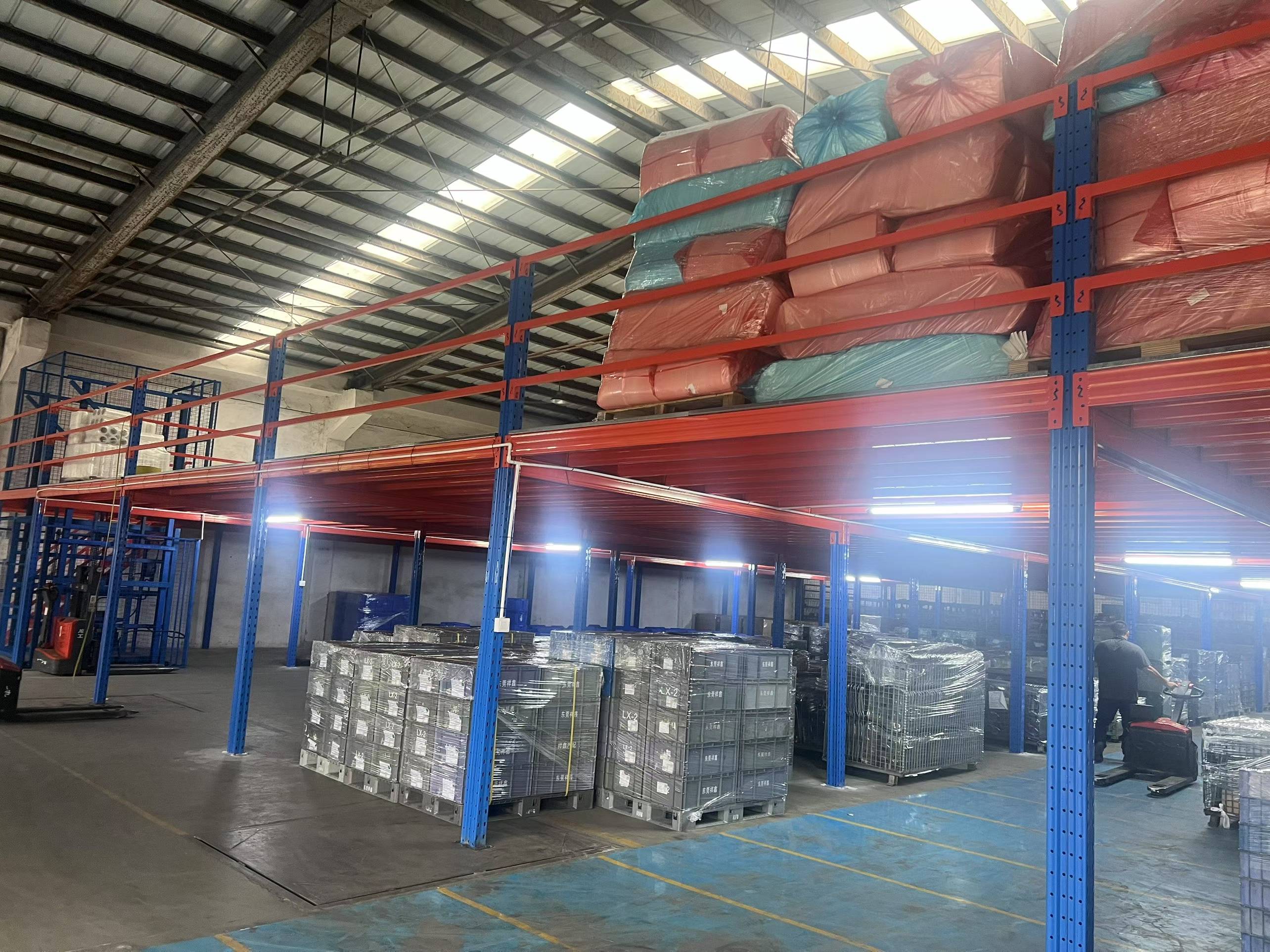
When evaluating storage infrastructure for cylindrical inventory, the distinction between general-purpose selective racks and purpose-built coil racks is critical. A standard pallet rack relies on a flat beam surface to support a pallet; however, a cylinder pallet rack is engineered with specific load-bearing mechanisms to counteract the high point-load pressures exerted by cylindrical objects. These systems typically employ cantilever arms or specially designed coil supports that cradle the product, preventing lateral movement and distributing weight directly onto the vertical column structure. This design minimizes the risk of beam deflection—a common failure point when heavy coils are placed on standard wire decks.
One of the most overlooked technical factors in coil storage is the disparity between uniform load ratings and actual point load. For instance, a steel coil weighing 4,000 lbs concentrates that mass on a contact area of less than 6 square inches if stored improperly. Industrial-grade cylinder racking systems utilize formed steel saddles or adjustable coil cradles that increase the surface area contact, reducing the pounds-per-square-inch (PSI) exerted on the beam. When specifying a cylinder pallet rack, engineers must calculate the load per linear foot based on the coil’s diameter and weight to ensure the structural integrity of the frame remains within AISI (American Iron and Steel Institute) safety margins.
Beam Capacity vs. Cradle Capacity: Standard beams are rated for evenly distributed loads. Coil cradles concentrate the load, requiring a de-rating factor of 0.6 to 0.8 depending on the cradle span.
Column Gauge Selection: Heavy-duty applications often require 3-gauge or 4-gauge steel columns rather than the standard 5-gauge used in lighter systems to handle the eccentric loading generated by stored cylinders.
Footplate Engineering: Anchor bolt patterns are more aggressive for coil racks, utilizing up to four anchors per footplate to resist the torque forces generated when removing a heavy coil with forklift mast tilt.
The versatility of the cylinder rack architecture allows for customization across disparate industries. The LSI terms associated with this niche—such as "coil storage rack," "vertical reel rack," "cable drum storage," and "paper roll racking"—all point to unique material handling workflows that demand specific structural adaptations.
In steel service centers, the primary concern is the storage of slit coils and master coils. Here, the cylinder pallet rack configuration often employs a "stackable" coil rack design. These are typically cantilever-style structures where each arm supports a single coil vertically. The critical engineering requirement here is the implementation of "anti-walk" features. As forklifts insert and remove coils, the vibration can cause coils to shift horizontally. High-quality systems incorporate locking pins or tapered arms to maintain positional accuracy. Furthermore, for facilities managing coated or polished metals, the racking surface must be fitted with urethane or rubber pads to prevent edge damage—a detail that Guangshun frequently integrates into its custom fabrication designs to prevent material marring.
The wire and cable sector presents a unique challenge: the storage of wooden reels and spools of varying flange diameters. Unlike steel coils, these reels are susceptible to flange breakage if support is not provided correctly. A specialized cylinder pallet rack for this industry utilizes "reel bar" systems—horizontal bars that pass through the center of the reel, supporting the product by its arbor hole rather than the flange. This method preserves the integrity of the packaging and allows for dense storage. These systems often integrate with overhead crane systems rather than forklifts, requiring the rack structure to include crane-friendly access aisles and reinforced top beams to support hoisting equipment.
Beyond the structural components, the adoption of specialized cylinder racking is driven by three primary operational pain points: the hazard of unsecured cylindrical loads, the inefficiency of floor storage, and the difficulty of inventory rotation.
Cylindrical objects stored on flat surfaces—commonly referred to as "skid storage" or "floor stacking"—present a Class 1 safety violation in most industrial jurisdictions. The potential energy stored in a vertically oriented 5,000 lb coil is immense; if it topples, the resulting damage to personnel and equipment is catastrophic. A properly engineered cylinder pallet rack eliminates this risk by incorporating physical restraints. Whether through saddle pockets that recess the coil below the arm level or through bolt-on coil stops, these systems provide a positive mechanical lock that prevents rolling or shifting during seismic events or accidental impacts.
Floor storage of cylindrical products is notoriously inefficient. A single steel coil occupies a footprint of approximately 12 sq ft on the floor, but if stored in a single layer, it utilizes zero vertical space. By utilizing a double-deep or cantilever cylinder pallet rack configuration, facilities can achieve vertical storage densities of up to 80%, significantly reducing the required warehouse square footage. Data from warehouse optimization studies indicate that transitioning from floor storage to a structured cylinder rack system can reduce the storage footprint by as much as 65%, directly impacting the cost-per-square-foot of industrial real estate.
First-In, First-Out (FIFO) Compliance: For industries dealing with rubber or adhesives that have expiration dates, drive-through cylinder rack systems allow for natural FIFO rotation without the need for reshuffling inventory.
Selective vs. Dense Storage: Selective systems offer 100% accessibility to each coil but require wider aisles. Dense storage systems (double-deep or push-back) maximize storage volume but require specialized forklift attachments (e.g., coil rams).
For a system to be classified as industrial-grade, the metallurgy and assembly must meet rigorous standards. The frame of a cylinder pallet rack typically utilizes hot-rolled structural steel (JIS G3101 SS400 or ASTM A36 equivalent) with a bolt-together assembly for seismic stability. Welded frames, while rigid, are often less adaptable to layout changes compared to bolt-together systems, which allow for reconfiguration as inventory dimensions shift.
Choosing between cantilever and selective rack architecture depends on the nature of the cylindrical load. Cantilever racks are ideal for long, continuous cylinders (such as pipes or long bars) or for vertical coil storage where arms extend outward to support individual coils. However, for storing multiple smaller cylinders on pallets or for "eye-horizontal" storage (where the coil’s eye faces the aisle), selective pallet racking with coil cradles is superior. Guangshun specializes in hybrid systems that combine the vertical clearance of cantilever with the beam adjustability of selective racks, ensuring that the system aligns precisely with the inventory’s dimensional envelope.
Storage of high-density combustible materials (like paper rolls) or high-value metals necessitates strict adherence to fire safety codes (NFPA 13 in North America). Cylinder racking systems affect sprinkler obstruction rules. Because deep coil cradles can block sprinkler water penetration, systems must be designed with flue spaces. Longitudinal flues (along the aisle) and transverse flues (between racks) must be maintained. In high-density cylinder storage, in-rack sprinkler systems are often mandated to ensure water reaches the seat of a fire hidden within a deep coil stack. Any reputable supplier will provide detailed flue space calculations to ensure the rack design does not void the facility’s fire insurance policy.
While the initial capital expenditure for a heavy-duty cylinder pallet rack system is higher than makeshift floor storage or standard pallet racks, the total cost of ownership (TCO) analysis favors engineered systems. The ROI is realized through:
Damage Reduction: Elimination of product damage caused by crushing or rolling during retrieval, reducing annual write-offs by an estimated 3-7% of inventory value.
Labor Efficiency: Reduction in search time and handling time. Structured racks enable operators to retrieve specific coils in minutes versus hours required to unstack floor-stored coils.
Insurance Premiums: Facilities utilizing certified engineered racking with seismic calculations often qualify for reduced property and liability insurance premiums due to the mitigation of "falling object" hazards
The selection and implementation of a cylinder pallet rack is not merely a procurement decision; it is a strategic engineering investment that dictates the safety, efficiency, and scalability of material handling operations. From the micro-analysis of point load distribution to the macro-impact on warehouse cubic utilization, these systems require a consultative engineering approach. By prioritizing structural integrity, application-specific customization, and adherence to safety codes, organizations can transform chaotic floor storage into a streamlined, high-density, and safe storage ecosystem. For facilities looking to optimize their coil and reel storage workflows, partnering with manufacturers who demonstrate expertise in load calculations and custom fabrication—such as Guangshun—is the definitive path to achieving operational excellence.
A1: A standard pallet rack is designed to support flat
pallets with uniformly distributed loads using horizontal beams and wire
decking. A cylinder pallet rack, by contrast, is engineered specifically to
handle the concentrated point loads and rolling tendencies of cylindrical items
like coils and reels. It utilizes specialized supports such as coil cradles,
saddles, or cantilever arms that physically contain the product, preventing
lateral movement and distributing the weight more evenly across the structural
frame to prevent beam deflection. A2: Determining load capacity requires analyzing the weight,
diameter, and contact surface of the cylinder. You must consider the "point
load" rather than a uniform load. For example, a 6,000 lb coil resting on a
12-inch cradle applies significantly different stress to the beam than 6,000 lbs
spread across a 48-inch pallet. Engineers typically apply a safety factor of 1.5
to 2.0 times the maximum coil weight to account for dynamic forces during
forklift insertion and retrieval. Always consult the manufacturer’s load charts
and perform a structural analysis that includes column gauge, beam size, and
anchor bolt tensile strength. A3: Yes, but the rack configuration changes drastically
based on orientation. For eye-to-the-sky storage (coils lying flat), you
typically use a stackable coil rack with saddles to prevent rolling. For
eye-to-the-aisle storage (coils upright), you require cantilever arms or coil
cradles attached to selective rack beams. The upright storage orientation
requires deeper vertical clearances and specialized forklift attachments (coil
rams) but often allows for higher density storage. Most manufacturers, including
Guangshun, offer hybrid designs that accommodate both orientations depending on
the inventory mix. A4: Cylinder pallet racks pose unique fire safety challenges
due to the deep, solid cradles that can obstruct sprinkler water penetration. To
comply with NFPA or local fire codes, you must maintain clear longitudinal and
transverse flue spaces (typically 6 inches to 12 inches) between stored
cylinders and rack uprights. In high-density storage, in-rack sprinkler heads
are often required. Additionally, the rack structure must be included in the
building’s seismic bracing calculations to ensure sprinkler piping integrity
during an earthquake. A certified rack supplier will provide detailed flue space
layouts and seismic certification documents. A5: For high-value finished coils, you must specify rack
components with protective coverings. This typically involves adding
high-density polyethylene (HDPE) liners, urethane-coated arms, or replaceable
rubber saddles to the contact points of the cylinder pallet rack. These
materials provide a non-abrasive surface that prevents scratching, marring, or
galvanic corrosion. Additionally, the rack design should incorporate "edge
guards" to prevent the steel straps or banding on the coil from snagging on
sharp metal edges during insertion. Custom fabricators can weld on smooth,
radiused edges to eliminate this risk.Frequently Asked Questions (FAQs)
Q1: What is the difference between a standard pallet rack and a cylinder
pallet rack?
Q2: How do I determine the correct load capacity for my coil storage
rack?
Q3: Can cylinder pallet racks be used for "eye-to-the-sky" (vertical)
storage as well as "eye-to-the-aisle" (horizontal) storage?
Q4: What fire safety considerations are unique to cylinder pallet rack
systems?
Q5: How do I protect high-value finished steel or aluminum coils from
surface damage in the rack?

 Wechat
Whatsapp
Wechat
Whatsapp