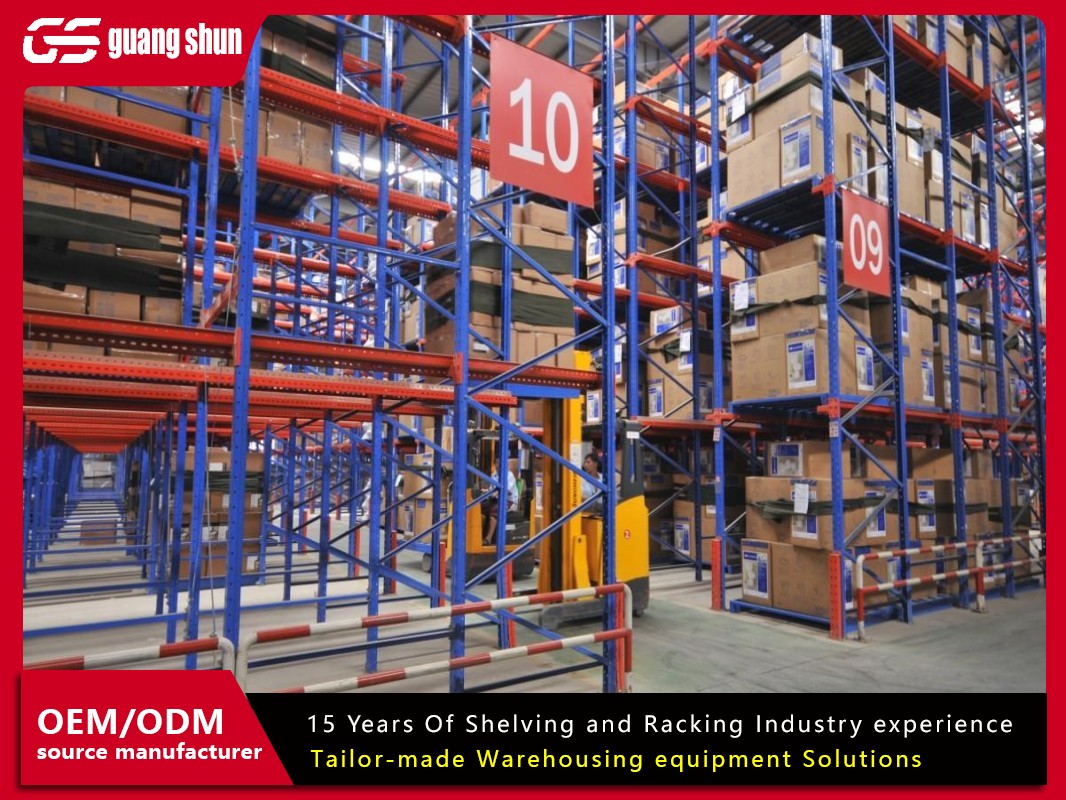
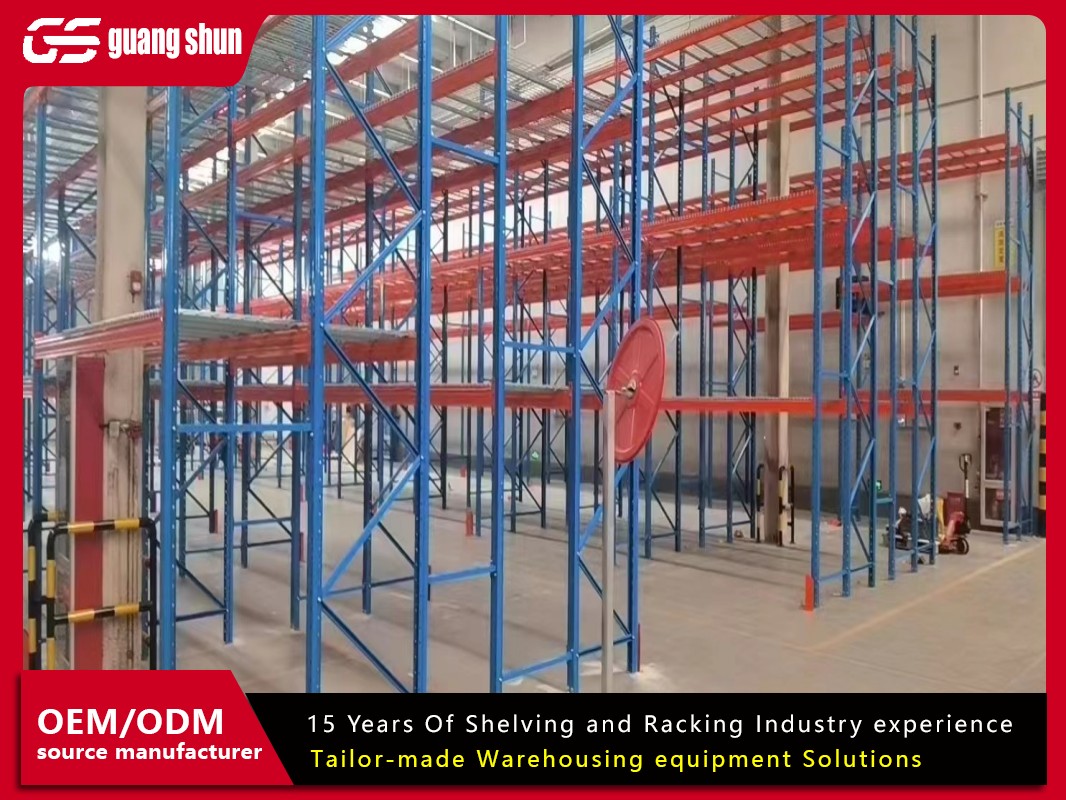
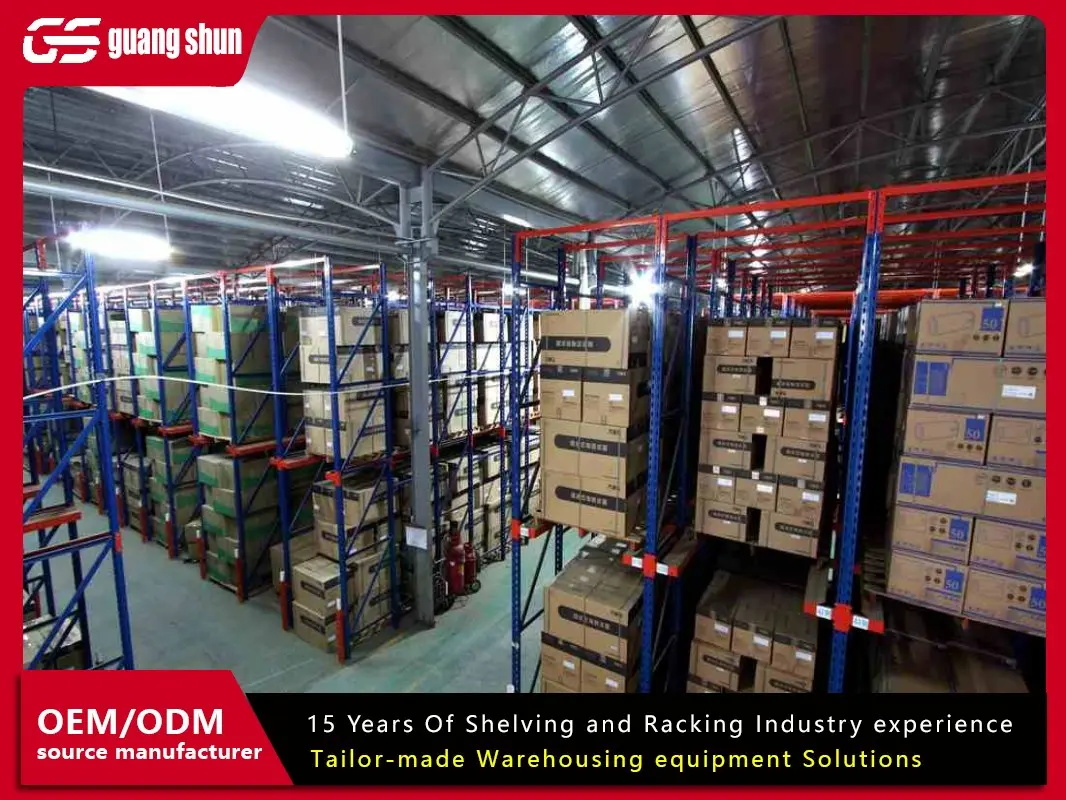
In modern distribution centers, the efficiency of order fulfillment is directly tied to the physical infrastructure supporting the pickers. The selection and configuration of warehouse picking racks represent a pivotal engineering decision that impacts labor costs, throughput rates, and inventory accuracy. Unlike bulk storage systems designed for maximum density, picking racks are engineered for accessibility, ergonomics, and speed. This article provides a data-driven examination of the structural classifications, workflow integration strategies, and material specifications that define high-performance order-picking environments.
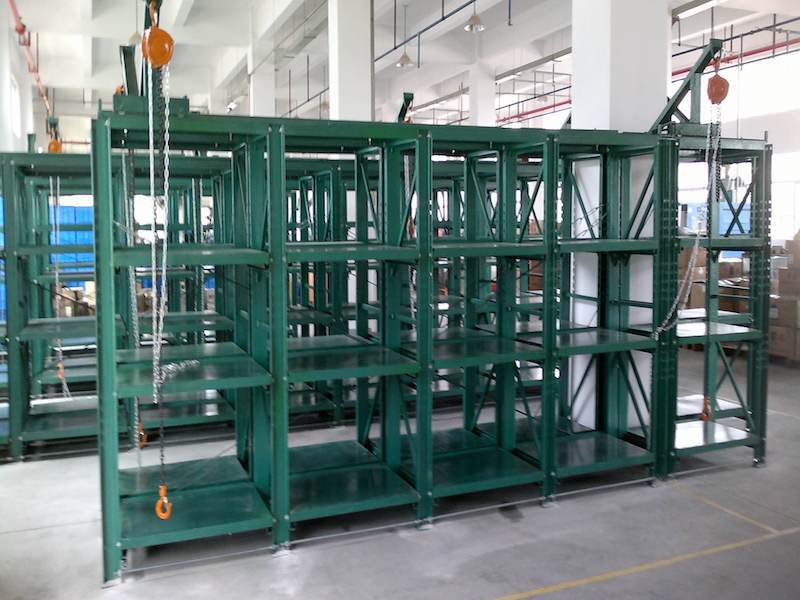
The term warehouse picking racks encompasses a broad spectrum of structural configurations, each suited to specific inventory profiles and order volumes. The fundamental classification separates carton flow systems, selective pallet racks with pick modules, and push-back systems adapted for pick faces. Understanding the operational metrics—such as SKU velocity, cubic dimensions, and order lines per hour—determines which architecture delivers the optimal balance of density and accessibility.
Carton flow racks utilize gravity rollers or wheel tracks set at a slight decline, allowing inventory to flow forward as items are removed. This configuration applies to high-velocity SKUs where restocking occurs from the rear while picking happens at the front. The engineering precision lies in the track pitch and roller spacing. For lightweight consumer goods, wheel tracks with narrow spacing prevent carton hang-ups; for heavier industrial components, steel roller tracks with higher load ratings are necessary. A properly calibrated carton flow system operating within a warehouse picking racks layout can reduce picker travel time by up to 75% compared to static shelving, as the pick face remains continuously replenished at the front-most position.
For operations handling full-case and broken-case picking from the same location, selective pallet racks are configured into multi-level pick modules. These structures incorporate mezzanine platforms, stair towers, and conveyor integration. The vertical dimension becomes critical here: the “golden zone”—the area between the floor and shoulder height—must be reserved for fast-moving SKUs to minimize bending and reaching. Structural specifications for these warehouse picking racks require beam capacities calculated for dynamic loading, as pickers frequently step onto the beams or use integrated work platforms. Industrial safety standards mandate guardrails, toe boards, and fall protection systems on all elevated pick levels.
Industry data consistently shows that labor accounts for 55-70% of warehouse operating costs. The physical interface between the picker and the rack directly influences productivity and error rates. Modern picking rack design incorporates anthropometric data to define optimal pick face heights, aisle widths, and reach distances.
Pick Face Height Optimization: The most frequently picked SKUs should reside between 24 inches and 66 inches from floor level. This zone minimizes spinal flexion and overhead reaching, reducing fatigue-related errors by an estimated 15-20%.
Aisle Width Considerations: Narrow-aisle (NA) configurations, typically 8 to 10 feet wide, enable wire-guided or VNA (Very Narrow Aisle) turret trucks to operate efficiently. However, for manual picking operations, aisles under 6 feet restrict two-way traffic and increase congestion. Data-driven slotting analysis must balance storage density against pick path efficiency.
Lighting and Visual Cues: Integrated pick-to-light systems mounted directly onto the rack face reduce cognitive load by illuminating the exact pick location. This technology, when installed on warehouse picking racks, has demonstrated accuracy improvements of up to 99.9% in high-volume e-commerce fulfillment centers.
Different verticals impose unique constraints on picking rack design. A one-size-fits-all approach fails to address the operational realities of cold storage, automotive aftermarket, or pharmaceutical distribution.
In freezer and cooler applications (temperatures ranging from -20°F to 35°F), standard powder-coated finishes degrade rapidly due to thermal cycling and moisture condensation. Picking racks designed for these environments require hot-dip galvanized steel components or specialized epoxy coatings that resist corrosion. Additionally, aisle widths must accommodate bulky insulated gear and slower lift truck travel speeds caused by reduced battery efficiency. Facilities in this sector often specify wider aisles and lower pick face heights to compensate for reduced dexterity caused by thermal protective clothing.
Automotive distribution centers handle a mix of small fasteners and large, heavy components such as brake rotors or exhaust systems. The picking rack configuration here typically combines bin shelving for small parts with cantilever arms or modified selective racks for long, bulky items. The structural challenge involves managing eccentric loads—heavy items stored on one side of the aisle can induce rack lean if the base plates and anchoring are not engineered for asymmetric loading. Guangshun frequently addresses this by specifying heavier column gauges and additional footplate anchors for racks supporting mixed-load profiles.
As distribution centers transition toward goods-to-person (GTP) robotics and autonomous mobile robots (AMRs), the picking rack infrastructure must support these technologies. Fixed rack structures are no longer isolated assets; they serve as the interface for robotic systems. This shift requires several design considerations.
For AMR-based picking, racks must incorporate standardized pod interfaces—typically with leveling feet and locating pins that allow robots to precisely position themselves beneath the rack. The structural stability of the rack becomes paramount when mobile units are frequently docking and lifting the entire pick module. Additionally, for automated storage and retrieval systems (AS/RS) integrated with picking stations, the rack structure must accommodate mini-load cranes or shuttle systems. These systems impose precise tolerances: column alignment must be maintained within ±1/8 inch over the length of the aisle, requiring high-precision base plate installation and floor flatness specifications (FF/FL ratings) that exceed typical warehouse slab standards.
The physical configuration of warehouse picking racks must support a dynamic slotting strategy. Slotting—the process of assigning SKUs to specific pick locations based on velocity, size, and seasonality—determines overall productivity. Fixed rack configurations that lack adjustability become obstacles to operational agility.
Modern rack systems incorporate beam adjustability on 2-inch or 3-inch centers, allowing warehouse managers to reconfigure pick face heights as inventory profiles change. For operations utilizing wave picking or batch picking, the rack layout must facilitate the grouping of orders. Zone picking, where individual pickers are assigned to specific rack sections, requires clear demarcation of zones and adequate buffer space at zone boundaries to prevent congestion. Data from warehouse execution systems (WES) indicates that optimizing pick rack slotting based on real-time velocity data reduces pick travel distance by 30-40% without altering the physical footprint.
Safety specifications for picking racks extend beyond basic column capacities. Because pickers interact directly with these structures—climbing ladders, stepping onto platforms, and reaching into bins—the risk of fall incidents and impact injuries is elevated. Compliance with OSHA standards (or equivalent regional regulations) requires specific design elements.
Fall Protection: Any pick face above 48 inches in height accessed by a ladder or platform must have guardrails meeting 42-inch minimum height requirements with mid-rails and toe boards.
Column Protection: All rack columns located within aisles subject to lift truck traffic require column guards or end-of-aisle protectors. Impact damage to columns compromises structural integrity and can lead to progressive collapse.
Seismic Anchorage: In seismic zones, picking racks must be engineered with base plates, anchor bolts, and horizontal bracing that meet IBC (International Building Code) requirements. Unanchored racks pose significant life-safety risks during seismic events.
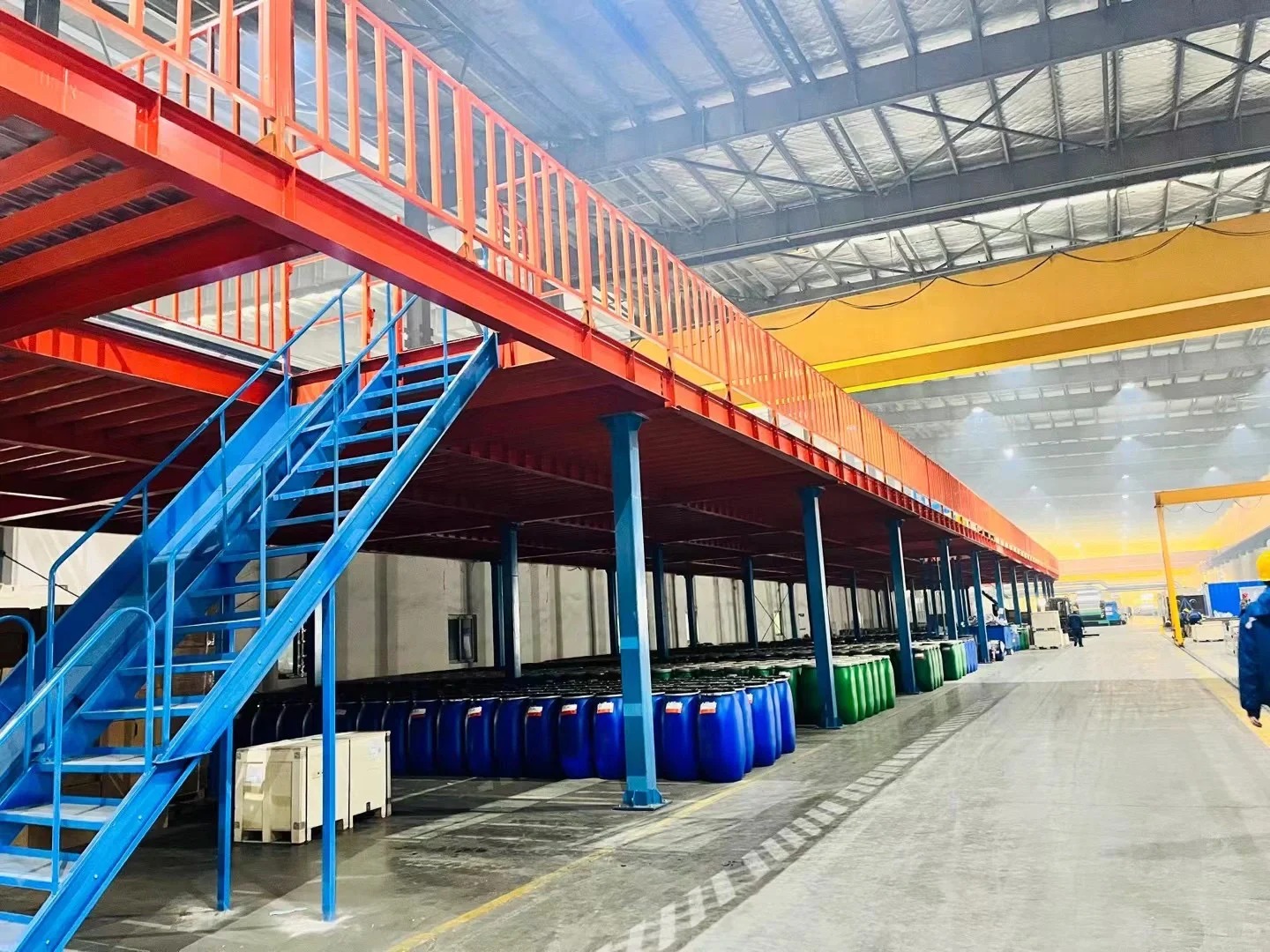
Investing in engineered warehouse picking racks yields measurable returns through labor reduction, accuracy improvement, and throughput capacity. A comparative analysis of static shelving versus a carton flow and pick module system illustrates the financial impact. For a facility processing 5,000 order lines per day:
Labor Savings: Reducing pick travel distance by 300 feet per order line translates to approximately 1.5 million feet of travel eliminated daily. At average labor rates of $25 per hour (including burden), this reduction can equate to 3-4 full-time equivalent positions.
Error Reduction: Implementing pick-to-light or voice-directed picking on a well-configured rack system reduces error rates from industry averages of 1-2% down to 0.1-0.3%. For high-value goods, error cost avoidance alone can justify the rack investment within 12-18 months.
Space Utilization: Transitioning from floor-level pick faces to multi-level pick modules can triple the number of pick locations within the same square footage, delaying or eliminating the need for facility expansion.
Guangshun provides detailed ROI modeling that factors in specific labor rates, SKU profiles, and throughput targets, ensuring that the rack configuration aligns with financial objectives as well as operational requirements.
The selection and engineering of warehouse picking racks represent a foundational element of distribution center productivity. From the ergonomic design of pick faces to the integration of automation-ready interfaces, every structural decision influences labor efficiency, accuracy, and safety. Facilities that approach picking rack configuration as a strategic engineering initiative—incorporating slotting analysis, load calculations, and workflow integration—achieve competitive advantages in order fulfillment speed and cost control. For organizations evaluating new installations or retrofits, partnering with manufacturers who combine structural engineering expertise with operational understanding ensures that the investment delivers sustained performance gains.
A1: Standard storage racks, such as selective pallet racks used primarily for bulk storage, are designed to maximize cube utilization and are typically accessed by forklifts with full pallet loads. Warehouse picking racks, by contrast, are engineered for individual item or case-level retrieval by personnel. They incorporate ergonomic pick faces, often with integrated flow channels, bin shelving, or multi-level pick modules, and are positioned to minimize travel time and physical strain. The structural design prioritizes accessibility over density, though modern configurations increasingly balance both through vertical pick modules.
A2: Pick face height configuration should be determined by slotting analysis that categorizes SKUs by velocity and dimensions. Fast-moving SKUs should occupy the “golden zone”—approximately 24 to 66 inches from floor level—to minimize bending and reaching. Medium-velocity items can be placed above or below this zone, accessible via step stools or rolling ladders. Slow-moving or reserve stock should be stored at higher elevations accessed by lift trucks or order pickers. A slotting study using historical order data will provide the precise distribution of pick locations by height required for your specific inventory profile.
A3: Yes, but integration requires careful structural coordination. For mini-load AS/RS systems, the rack structure itself often serves as the storage and retrieval mechanism, with precise column alignment and rail systems integrated into the rack framework. For goods-to-person robotics, picking racks are designed as modular pods with standardized interfaces that allow autonomous mobile robots (AMRs) to transport entire pick modules to fixed workstations. In both scenarios, the rack must meet tighter manufacturing tolerances and incorporate specialized hardware such as locating pins, leveling systems, and reinforced base plates to accommodate automated handling equipment.
A4: Multi-level picking rack systems must comply with fall protection regulations, which generally require guardrails at least 42 inches high with mid-rails and toe boards on all elevated pick platforms. Stair towers must have handrails on both sides and landings at intervals. Aisle edges require physical barriers to prevent falls between levels. Additionally, the rack structure itself must be engineered for the combined dead load of the platforms, live load of inventory, and dynamic loads from personnel movement. Seismic bracing and proper anchoring are mandatory in regions with seismic activity. Regular inspections for damage to beams, columns, and safety barriers are essential for ongoing compliance.
A5: Slotting strategy directly dictates the physical configuration of picking racks. High-velocity SKUs require larger pick faces with faster replenishment access, often using carton flow or pallet flow lanes. Low-velocity items may be consolidated into bin shelving or static locations. The rack design must accommodate slotting flexibility through adjustable beams and modular components. Without a data-driven slotting strategy, racks are often configured suboptimally, resulting in pickers traveling excessive distances or frequent congestion in high-velocity zones. Modern systems integrate slotting software with rack design to ensure the physical layout aligns with actual demand patterns.

 Wechat
Whatsapp
Wechat
Whatsapp