The placement of warehouse racking significantly impacts space utilization.
When planning the layout, we need to consider not only aisle widths but also management and storage methods, such as whether first-in, first-out (FIFO) is used and whether forklifts are used for access.
Therefore, aisle widths between racks are not fixed and need to be adjusted flexibly based on actual conditions and specific needs.
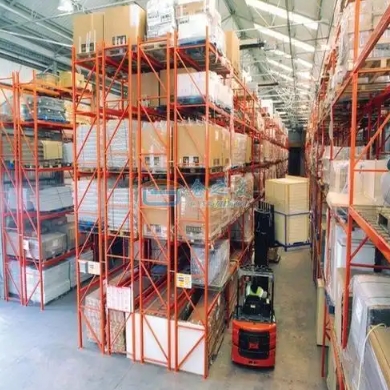
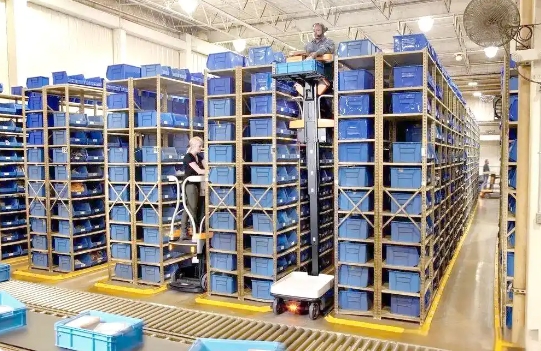
1.For manual storage and retrieval of goods, the aisle width is usually set within the range of 1000mm to 1200mm; for forklift storage and retrieval operations, the aisle width needs to be determined according to the type of forklift. Usually, at least 2 meters of space is required, with 2.5m or 3m being the most common. Even for large forklifts, a 4-5 meter aisle may need to be reserved.
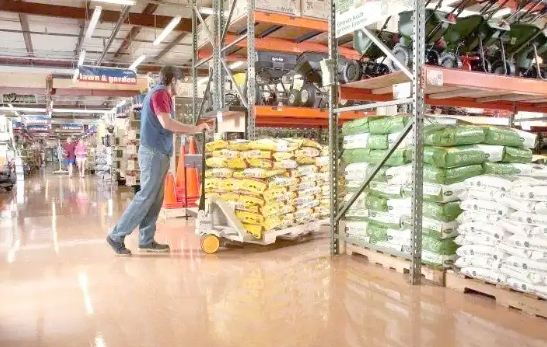
2.Depending on the management approach, we can further optimize the number of aisles between racks.
For example, double-depth racking can reduce the number of aisles by half compared to standard heavy-duty shelves; while very narrow aisle Narrow Aisle Racking, with aisles just over one meter wide, significantly saves space.