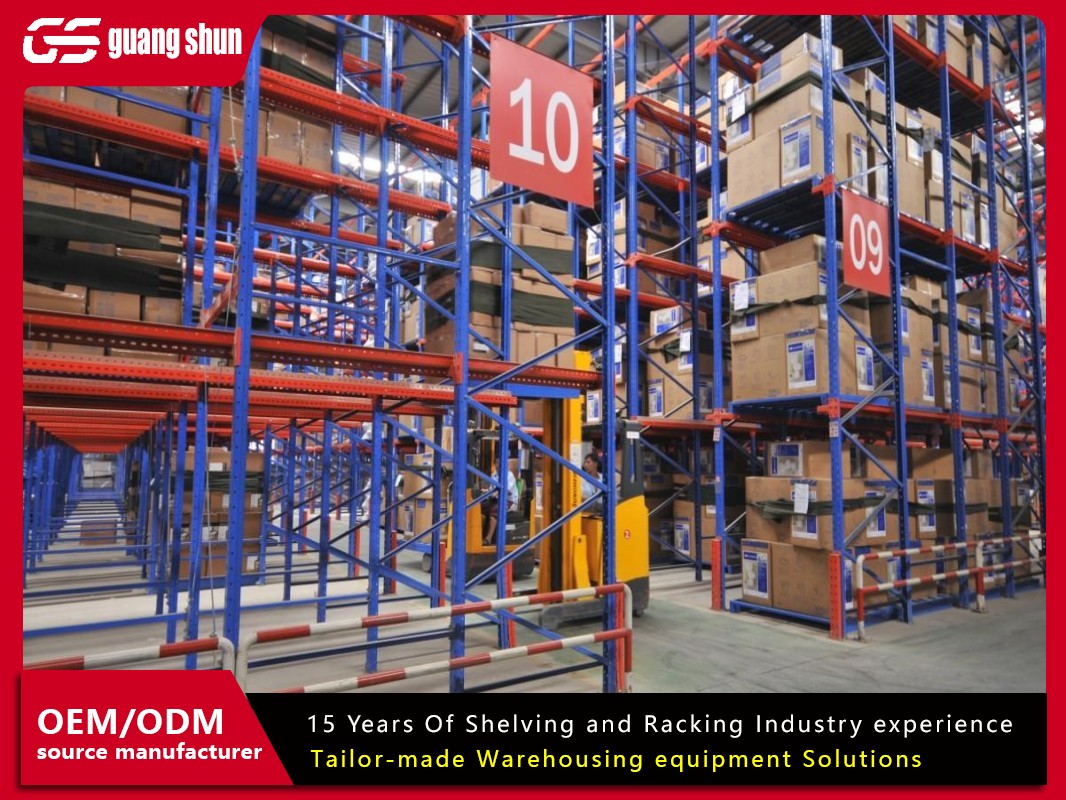
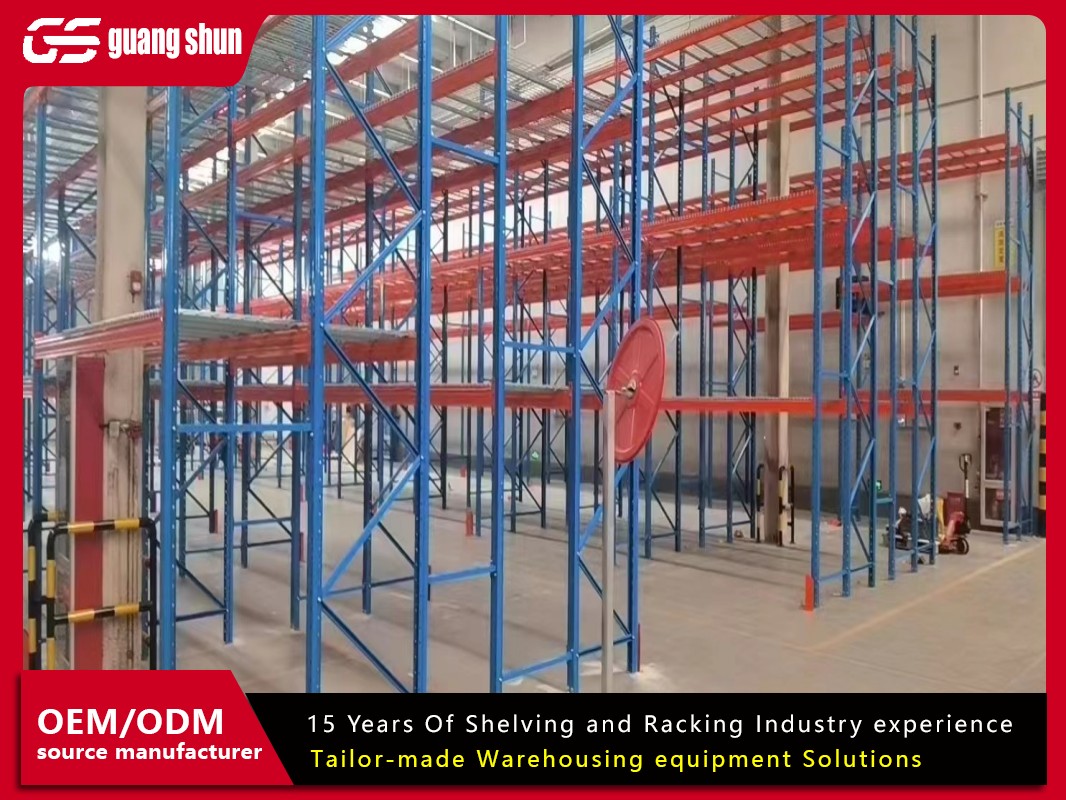
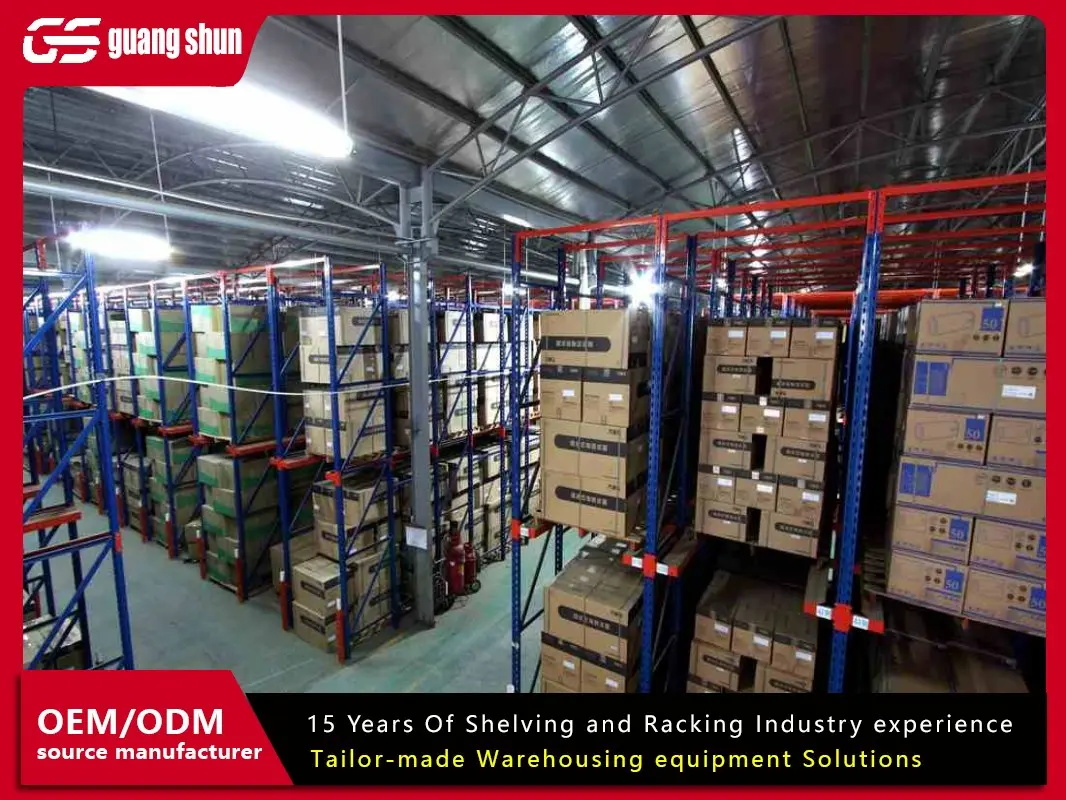
In the high-stakes world of modern warehousing and distribution, the efficiency of your pallet retrieval system is no longer just an operational metric—it is a competitive differentiator. As supply chains demand faster turnaround times, higher inventory accuracy, and optimized cubic storage, traditional forklift-dependent operations are reaching their structural limits. The industry is shifting decisively toward automated solutions that integrate seamlessly with Warehouse Management Systems (WMS) and Warehouse Control Systems (WCS).
Having spent over two decades engineering high-density storage solutions for Fortune 500 logistics hubs and cold storage facilities, I have witnessed the evolution from manual selective pallet racks to fully automated pallet shuttle systems and mini-load AS/RS. This article dissects the technological nuances, application-specific configurations, and quantifiable economic benefits of advanced pallet retrieval systems, providing a roadmap for facility managers and supply chain directors aiming to achieve 99.9% inventory accuracy while reducing labor dependency.
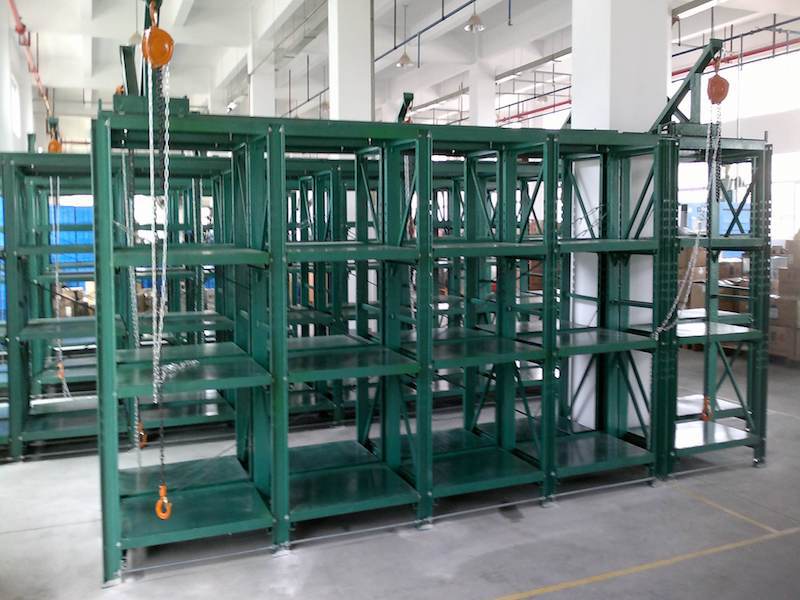
A modern pallet retrieval system is far more than a set of rails and a motor. It is a synchronized electromechanical ecosystem. To evaluate a solution, one must dissect its core mechanical and software components. The architecture typically falls into two dominant categories: Unit-Load AS/RS (Automated Storage and Retrieval Systems) and Pallet Shuttle Systems. Each addresses distinct operational profiles.
Unit-Load Automated Storage and Retrieval Systems (AS/RS) utilize a dedicated crane (stacker crane) that travels along an aisle, extracting and depositing pallets directly from the rack structure. These systems are ideal for facilities where land costs are prohibitive, requiring vertical storage up to 40 meters. Key technical specifications to consider include:
Acceleration/Deceleration Curves: Modern servo-driven cranes achieve horizontal speeds of 240 m/min and vertical speeds of 60 m/min, with acceleration rates optimized to prevent load sway.
Load Handling Devices: Telescopic forks or sliding platforms must accommodate varying pallet types (wood, plastic, euro-pallets) and load weights up to 2,000 kg without deflection.
Energy Regeneration: High-efficiency systems incorporate regenerative drives that capture energy during descent and deceleration, reducing overall power consumption by up to 30%.
For operations requiring high-density storage with moderate throughput variability, the pallet shuttle is the preferred technology. Unlike AS/RS, the shuttle is a self-propelled, battery-powered cart that enters the rack channel to perform FIFO (First-In-First-Out) or LIFO (Last-In-First-Out) operations. This configuration eliminates the need for a forklift to enter the storage lane, drastically reducing product damage.
Critical engineering considerations for shuttle systems:
Battery Management Systems (BMS): Lithium-ion batteries with opportunity charging stations ensure 24/7 operational continuity. Thermal management is critical in cold storage applications (down to -25°C).
Communication Protocols: Reliable 5G or industrial Wi-Fi 6 connectivity ensures real-time telemetry and synchronization with the WMS.
Rail Precision: The interface between the shuttle wheel and the rail must maintain tolerances of less than 1.5mm to prevent vibrational wear over 10-year lifespans.
Despite the universal goal of efficiency, the implementation of a pallet retrieval system must be tailored to specific industry constraints. Generic solutions often fail when confronted with extreme temperatures, seismic activity, or non-standard load dimensions.
In environments maintaining -20°C to -30°C, human productivity drops by 50% after just one hour of exposure, and traditional lead-acid batteries fail. Automated pallet retrieval systems designed for cold storage require:
Cryogenic-rated components: Special lubricants, stainless steel fasteners, and heated electrical cabinets to prevent condensation and ice buildup.
Air Lock Interfaces: High-speed vertical lift doors at the interface between the freezer and the loading dock to maintain temperature integrity during retrieval cycles.
Data point: A recent retrofit for a national food distributor utilizing Guangshun's cold-chain specific shuttle system resulted in a 40% reduction in energy loss through dock doors and a 60% decrease in labor-related safety incidents.
Manufacturing facilities face the challenge of dynamic inventory where raw materials and finished goods share the same buffer zones. The ideal pallet retrieval system here functions as a sequencing engine. Integration with the Manufacturing Execution System (MES) allows the system to prioritize "just-in-time" delivery to production lines. Key features include:
Dynamic Slotting Algorithms: The WCS automatically reassigns storage locations based on the velocity of SKUs.
Buffer Management: Output conveyors must handle surge loads during shift changes without creating bottlenecks.
For high-volume retail, the challenge lies in SKU proliferation and order wave complexity. A multi-deep pallet retrieval system combined with goods-to-person (G2P) principles reduces travel time. Here, the system acts not just as storage, but as a sequencing buffer for outbound sorting.
When presenting a business case for an automated pallet retrieval system, focusing solely on labor reduction is a common pitfall. A comprehensive ROI analysis must account for four key pillars: Space Utilization, Inventory Accuracy, Damage Reduction, and Energy Efficiency.
Space Utilization: By reducing aisle widths from 3.5 meters (forklift operations) to 1.2 meters (for AS/RS cranes) or eliminating aisles entirely (shuttle systems), facilities can increase storage density by 50% to 80%. In high-rent urban logistics hubs, this translates to millions in deferred capital expenditure on new construction.
Inventory Accuracy: Manual scanning errors typically range from 1-3%. Automated systems equipped with barcode scanning or RFID verification at every retrieval point achieve 99.99% accuracy. This reduces stock-outs and write-offs due to mis-picks.
Damage Reduction: Forklift collisions account for nearly 30% of pallet and product damage. Automated systems eliminate collision risk. Over a 10-year period, this reduces product loss and rack maintenance costs by an estimated 15-20% of total asset value.
Energy Efficiency: While automated systems consume electricity, they dramatically reduce the energy footprint of a facility. For cold storage, automated systems mean fewer dock doors opening, less air exchange, and lower refrigeration load. Additionally, electric shuttles are 3x more energy-efficient per pallet moved than internal combustion forklifts.
Case in point: A tier-1 automotive supplier implemented a Guangshun pallet retrieval system combining AS/RS for raw materials and a pallet shuttle for finished goods. Within 24 months, they achieved a 78% reduction in forklift fleet size, a 42% increase in storage capacity within the same footprint, and a 35% reduction in order fulfillment lead time.
The mechanical hardware of a pallet retrieval system is only as effective as the software that orchestrates it. A failure in integration leads to "islands of automation." The optimal architecture follows a hierarchical structure:
ERP/WMS: Defines inventory goals, order priorities, and replenishment rules.
WCS (Warehouse Control System): Acts as the traffic cop, optimizing the sequence of crane movements, shuttle tasks, and conveyor merges in real-time to prevent deadlocks.
PLC (Programmable Logic Controller): Handles the machine-level safety and motion control—ensuring that pallets are aligned correctly, sensors are triggered, and emergency stops are respected.
Modern systems are moving toward "digital twin" technology. Before a single beam is installed, a virtual simulation of the pallet retrieval system runs through thousands of operational cycles to identify throughput bottlenecks. This pre-commissioning phase reduces on-site go-live time by up to 40%.
In heavy-load environments, safety is non-negotiable. When specifying a system, adherence to international standards such as FEM 9.831 (European material handling) or ASME B30.20 (US overhead cranes) is critical. Structural components must be analyzed for:
Seismic Loads: In earthquake-prone zones, racks must be base-isolated or braced to withstand seismic forces without collapse.
Forklift Impact Protection: In hybrid environments where manual forklifts operate near automated retrieval aisles, heavy-duty end-of-aisle guards and laser scanners are mandatory to create safety zones.
Fire Safety: Automated high-bay warehouses require in-rack sprinkler systems designed to penetrate dense storage depths, ensuring water reaches the base of the fire despite the presence of pallets and shuttles.
As we look toward 2026 and beyond, the evolution of the pallet retrieval system is being shaped by machine learning (ML) and predictive analytics. Next-generation systems are moving from reactive execution to proactive orchestration. Features on the horizon include:
Predictive Maintenance: Vibration sensors and current draw monitoring on motors allow algorithms to predict bearing or gearbox failure 500 operating hours before it occurs, converting emergency downtime to scheduled maintenance.
Autonomous Slotting: AI algorithms analyze SKU affinity (which items are frequently picked together) and dynamically relocate pallets overnight to reduce retrieval travel time for the next day’s wave.
Vision-Based Verification: 3D cameras mounted on cranes or shuttles verify pallet integrity and overhang before movement, automatically rejecting damaged loads to prevent system jams.
Companies like Guangshun are already deploying hybrid systems where the same fleet of shuttles can operate across multiple temperature zones, guided by AI that predicts inventory turns and reconfigures lane depth autonomously.
Investing in a pallet retrieval system is a strategic decision that will define a facility’s operational capacity for the next 15 to 20 years. The path to success requires a rigorous audit of your current throughput profiles, a clear definition of SKU characteristics (size, weight, turnover rate), and a partner who understands the nuances of structural engineering and software integration. The goal is not simply automation for its own sake, but the creation of a resilient, scalable logistics engine capable of absorbing market volatility.
Whether you are considering a unit-load AS/RS to break the ceiling of vertical storage or a deep-lane shuttle system to consolidate high-density SKUs, the technology exists today to achieve "lights-out" operational efficiency. The question is no longer whether to automate, but how to architect the system for maximum adaptability.
Q1: What is the primary difference between a Pallet Shuttle System and a Unit-Load AS/RS?
A1: A Pallet Shuttle System is a semi-automated or automated cart that operates within a specific lane of racks, typically relying on a forklift or transfer car to move it between lanes. It is ideal for high-density, deep-lane storage with fewer SKUs per lane. In contrast, a Unit-Load AS/RS uses a dedicated crane that travels the entire aisle, offering higher throughput, better random access to any pallet in the aisle, and the ability to reach heights exceeding 40 meters. The choice depends on required throughput, vertical space, and inventory randomness.
Q2: How do I calculate the Return on Investment (ROI) for an automated pallet retrieval system?
A2: A comprehensive ROI calculation should include: (1) Labor savings from reduced forklift operators and fewer damages; (2) Real estate savings by leveraging higher storage density (value of reclaimed floor space); (3) Inventory accuracy gains reducing shrinkage and stock-outs; and (4) Energy savings in cold storage due to reduced air exchange. Typically, for high-throughput operations, ROI cycles range from 3 to 5 years, with lifespan of the steel structure exceeding 20 years.
Q3: Can a pallet retrieval system handle non-standard or damaged pallets?
A3: Yes, but it requires specific engineering considerations. Modern systems incorporate 3D vision sensors at infeed stations to inspect pallet overhang, broken stringers, or uneven loads. Systems can be configured with "reject lanes" for damaged pallets that require manual rework. However, to maintain system reliability, it is critical to establish strict pallet quality specifications during the design phase.
Q4: What are the cybersecurity risks associated with automated storage systems?
A4: As these systems are integrated with the broader IT network (WMS, ERP), they become potential entry points for cyber threats. Best practices include: segmenting the operational network (OT) from the corporate IT network, implementing role-based access controls (RBAC) for the WCS, and ensuring all firmware updates for PLCs and drives are digitally signed. Modern suppliers like Guangshun offer secure remote diagnostic portals with strict VPN and multi-factor authentication requirements.
Q5: Is it possible to retrofit an existing static rack structure into an automated pallet retrieval system?
A5: Retrofitting is possible but technically complex. Existing static racks often lack the required vertical alignment, floor flatness tolerances (typically ±3mm over 10m for AS/RS), and structural bracing to handle dynamic loads. While pallet shuttle systems can sometimes be retrofitted into existing selective racks with rail additions, a full AS/RS usually requires a purpose-built structure. A site audit is essential to determine structural viability and to calculate the cost-benefit of retrofit versus new construction.

 Wechat
Whatsapp
Wechat
Whatsapp