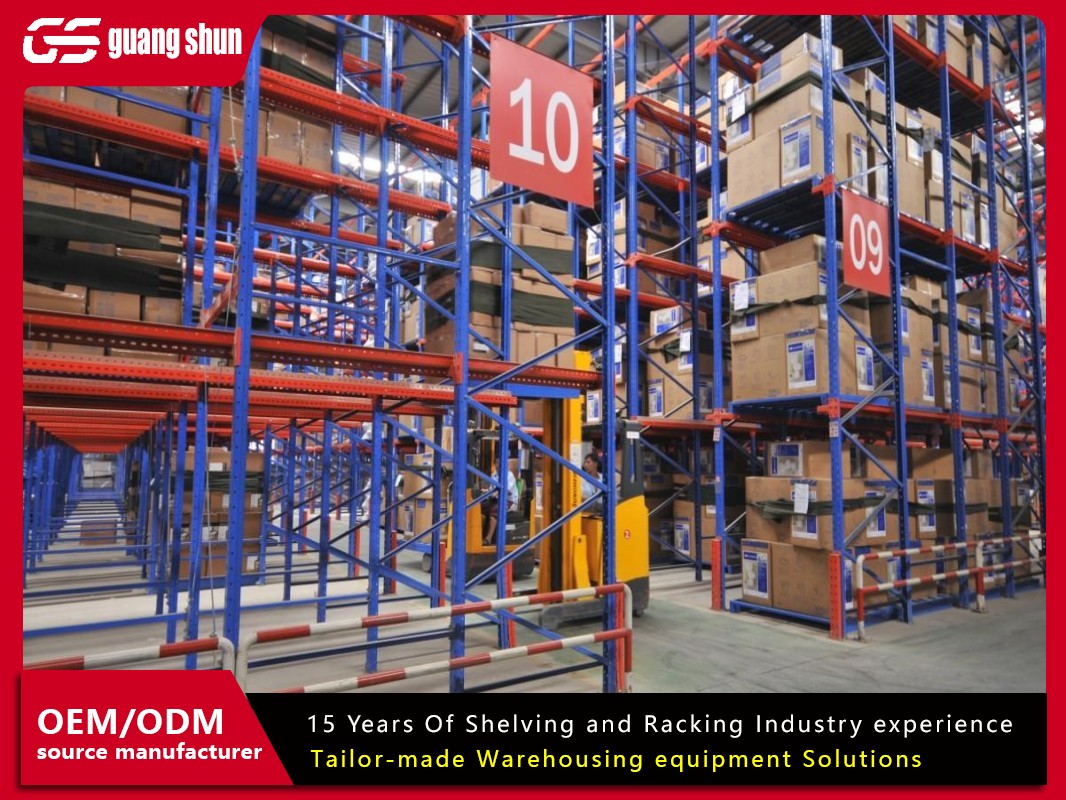
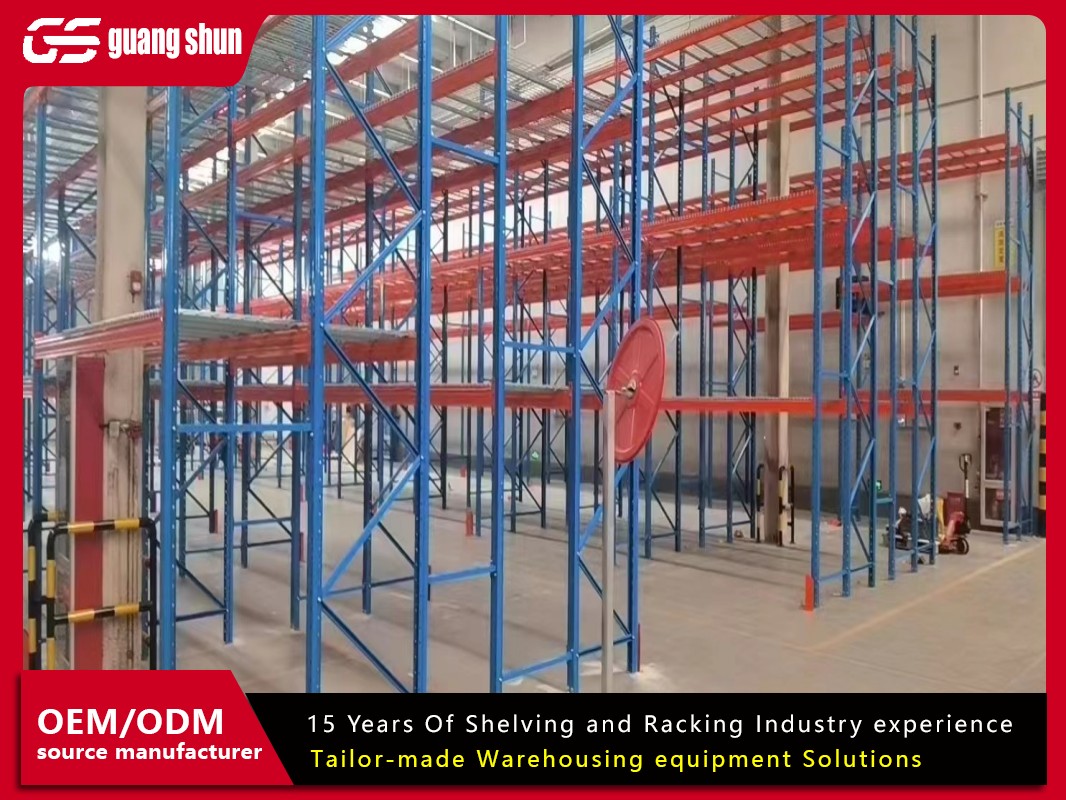
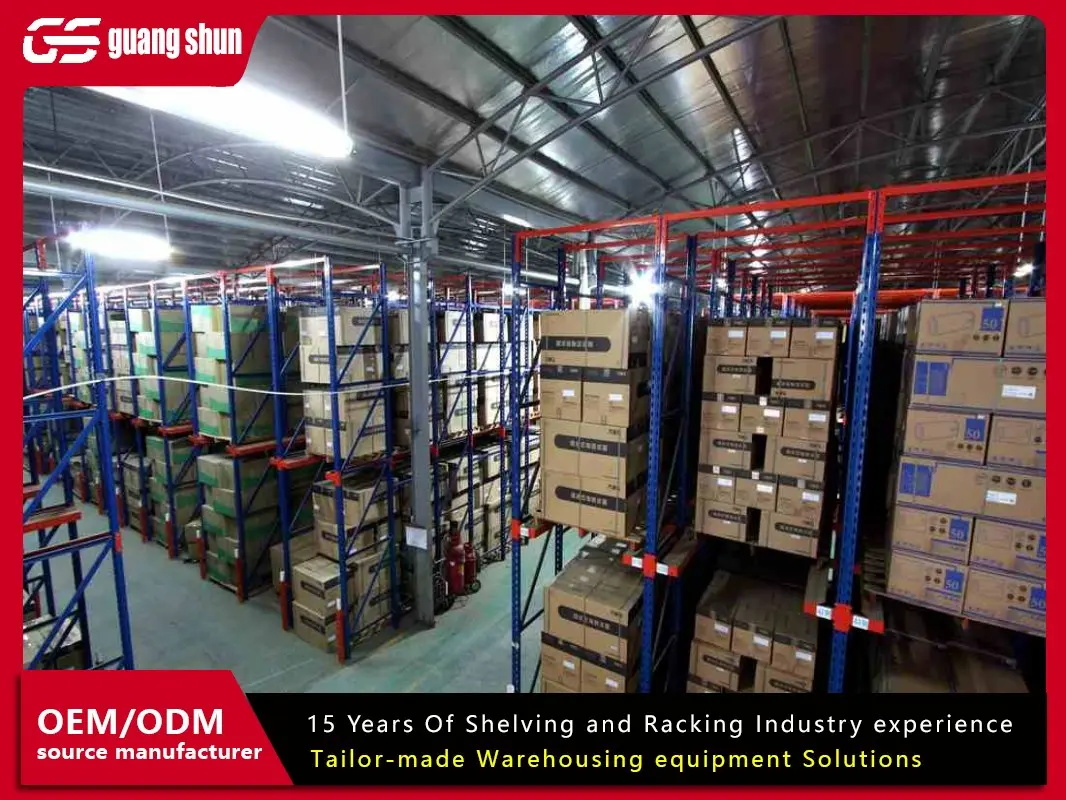
Managing a warehouse requires a constant balance between maximizing storage density and ensuring safety. Every square foot of your facility costs money. You likely use racking systems to take advantage of vertical space. However, the beams alone are not always enough. This is where pallet rack steel decking becomes an essential component of your infrastructure.
Many facility managers overlook decking or settle for inferior materials like plywood. This is a mistake that can lead to safety hazards and long-term costs. Pallet rack steel decking offers a robust solution that transforms open beams into a solid, secure shelf.
Whether you are storing heavy machinery, loose automotive parts, or standard palletized goods, the surface you store them on matters. Below, we examine the vital reasons why pallet rack steel decking is the superior choice for modern warehousing.
The most immediate benefit of installing pallet rack steel decking is safety. In a standard setup with open beams, a misplaced pallet can easily slip. If a forklift operator does not align the load perfectly, the pallet might tip forward or backward between the beams.
When this happens, the inventory falls. This destroys the product and, more importantly, poses a severe risk to employees walking below. Pallet rack steel decking creates a continuous surface. If a pallet is slightly misaligned, the deck catches it.
Furthermore, warehouses often deal with broken pallets. A snapped bottom board on a wooden pallet can cause a load to become unstable. With pallet rack steel decking, the pallet has full support across its width, preventing collapse due to structural failure of the wood.
You have options when covering your rack beams. Plywood and wire mesh are common, but they lack the heavy-duty resilience of solid pallet rack steel decking. Plywood is prone to cracking, splintering, and warping over time. It is a temporary solution that often requires frequent replacement.
Wire mesh is excellent for many applications, but it can bend under point loads. If you store items with sharp legs or heavy concentrated weight, they can push through the mesh. Pallet rack steel decking is engineered from high-gauge steel sheets.
This construction resists bending and bowing. It is designed to handle the daily abuse of sliding boxes, heavy impacts, and the weight of industrial equipment. When you buy pallet rack steel decking, you are investing in hardware that will likely outlast the items stored upon it.
Not every load that comes into your warehouse is a perfect 40x48 inch block pallet. You might receive Euro pallets, plastic skids, or custom-sized crates. On open beams, storing these odd sizes is dangerous or impossible if they do not span the beam depth perfectly.
Pallet rack steel decking solves this logistical headache. Because it provides a flat, edge-to-edge surface, you can place a pallet of any size on the rack. You do not need to worry if the pallet is too narrow to reach both beams.
Additionally, standard pallets degrade. Nails pop out and boards crack. A compromised pallet on open beams is a disaster waiting to happen. Pallet rack steel decking supports weak pallets, allowing you to store them safely until the inventory is moved or repalletized.
Warehouses do not only store pallets. Many facilities operate as pick-and-pack centers or hold archive boxes. Placing loose boxes on wire mesh can be frustrating; small items fall through the holes, and boxes can snag on the wire edges.
Pallet rack steel decking provides a smooth, flush surface. This makes it perfect for hand-stacking cartons or storing small components that aren't on a skid. Staff can slide boxes on and off the shelf without resistance.
For automotive or hardware industries, this is crucial. You can place heavy dies, molds, or motors directly onto the pallet rack steel decking without needing a pallet underneath. This versatility turns a pallet rack into a heavy-duty shelving unit.
In industries like food and beverage, pharmaceuticals, or electronics, cleanliness is mandatory. Wood decking is a nightmare for hygiene. It absorbs moisture, harbors bacteria, and can become a nesting ground for pests. It also sheds dust and splinters.
Pallet rack steel decking is distinctively sanitary. The smooth steel surface does not absorb liquids. If a container leaks, you can wipe the steel clean with industrial solvents or sanitizers without damaging the structural integrity of the deck.
There are no crevices for bugs to hide in. For facilities that undergo strict audits, switching to pallet rack steel decking demonstrates a commitment to maintaining a contaminant-free environment. It helps you pass inspections with fewer issues.
Fire codes are strict regarding warehouse storage. The concern with solid decking is that it can block overhead water from sprinklers, preventing it from reaching the lower levels of a rack during a fire.
However, modern pallet rack steel decking is often designed with this in mind. Manufacturers offer perforated or grated steel decking. These versions possess the strength of solid steel but feature holes or slots that allow water to drain through.
Consulting with your local fire marshal is always necessary. In many cases, using perforated pallet rack steel decking satisfies the "flue space" and water penetration requirements while giving you the benefits of a flat surface that wire mesh cannot offer.
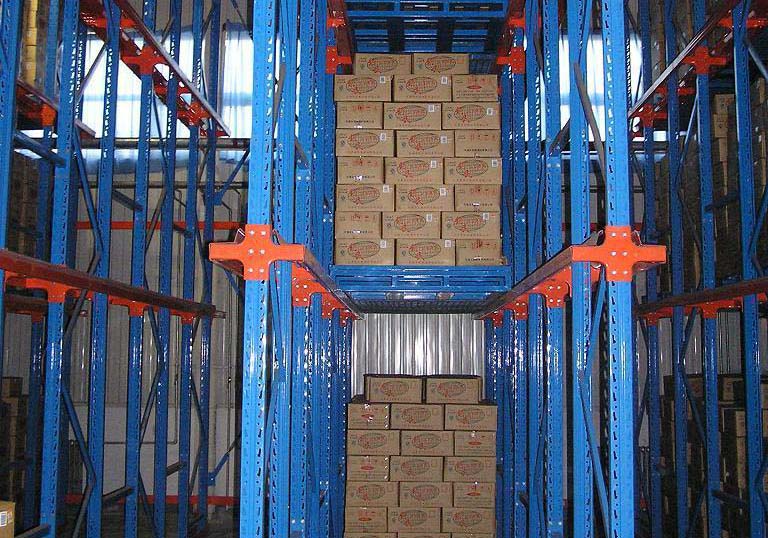
Warehouses can be dark places. Lower shelf levels often suffer from poor visibility, making it hard for forklift operators to read labels or check inventory counts. Dark wooden planks absorb light, making the problem worse.
Galvanized or light-gray powder-coated pallet rack steel decking has a reflective quality. It helps bounce overhead lighting into the lower rack levels. This seemingly small detail improves the overall brightness of the aisle.
Better visibility leads to fewer picking errors. When employees can clearly see the edges of the pallet rack steel decking, they are less likely to accidentally bump the beams or misplace products. It creates a brighter, more professional-looking workspace.
Time is a valuable resource. Installing complicated shelving systems can disrupt operations for days. One of the best features of pallet rack steel decking is the ease of installation.
Most units are designed as "drop-in" panels. They are sized to fit standard beam depths. You simply lower the pallet rack steel decking into place. The design usually features a waterfall edge that wraps over the face of the beam.
This waterfall design serves two purposes. First, it holds the deck in place, preventing it from sliding forward or backward when pallets are loaded. Second, it covers the sharp edge of the beam, reducing the risk of snagging equipment. No bolts or screws are typically required to secure standard pallet rack steel decking.
Budget-conscious managers might look at the upfront price of pallet rack steel decking and hesitate. It is true that steel decking costs more initially than cutting sheets of plywood. However, the return on investment tells a different story.
Plywood needs regular replacement. It breaks, stains, and looks unprofessional quickly. Wire mesh can become bent and unusable if hit by a fork truck. Pallet rack steel decking is a capital asset that lasts for decades.
You buy it once. It does not require maintenance. It protects your inventory from damage (reducing shrinkage costs). It prevents injuries (reducing liability). Over a ten-year period, the total cost of ownership for pallet rack steel decking is significantly lower than the alternatives.
Not all steel decking is identical. When sourcing pallet rack steel decking, you will encounter different gauges and channel styles. The gauge refers to the thickness of the steel. Lower numbers mean thicker steel.
For extremely heavy loads, such as tool and die storage, you might need a heavy-duty 14-gauge pallet rack steel decking. For lighter carton storage, a thinner gauge might suffice.
You also need to look at the reinforcing channels welded to the underside of the deck. These channels provide the structural capacity. Ensure that the capacity of the pallet rack steel decking matches or exceeds the capacity of your beams. Putting a weak deck on a strong beam negates the beam's potential.
Some warehouses also serve as showrooms or customer pickup areas. Appearance counts in these zones. Warped wood looks sloppy and suggests a lack of care. Rusted wire mesh looks aged.
pallet rack steel decking provides a clean, industrial aesthetic. It looks uniform and organized. If you run a "big box" style retail store or a wholesale club, using pallet rack steel decking presents a high-quality image to your customers. It shows that your facility is modern and well-maintained.
"Ghosting" or lost inventory often happens when items fall behind racks or slip through gaps. In large distribution centers, a single fallen box can remain lost for months. This throws off inventory counts and leads to lost revenue.
Because pallet rack steel decking can be installed to sit flush or near-flush with adjacent units, it minimizes gaps. Small parts stay on the shelf. This accuracy is vital for automated inventory systems where the computer believes an item is in a slot, but physically it has fallen through. Pallet rack steel decking ensures the physical reality matches the digital record.
While pallet rack steel decking is low maintenance, it is not "no maintenance." You should incorporate the decking into your regular rack inspections.
Check for deformation. If a forklift operator slams a heavy load down onto the deck, it can dent. While steel is strong, significant dents can compromise the structural integrity. Inspect the waterfall edges to ensure the pallet rack steel decking is still seated firmly over the beams.
Unlike wood, you do not need to check for rot or termites. Unlike wire, you don't need to look for broken welds as frequently. The solid nature of pallet rack steel decking makes visual inspections fast and straightforward.
The foundation of an efficient warehouse is its racking system. However, the racking is only as good as the decking you choose. Pallet rack steel decking offers a combination of strength, safety, and versatility that other materials cannot match.
By preventing falling items, enabling the storage of diverse inventory sizes, and providing a durable, hygienic surface, pallet rack steel decking solves multiple operational problems at once. It upgrades your facility from a basic storage area to a professional, high-performance logistics hub.
Do not compromise on the safety of your team or the security of your products. Evaluate your current storage setup. If you are using wood or struggling with damaged wire mesh, it is time to switch to pallet rack steel decking. It is a solid investment that pays dividends in safety and efficiency for years to come.
Q1: How much weight can pallet rack steel decking hold?
A1: The capacity varies significantly based on the gauge of the steel and the number of reinforcing channels underneath. Standard pallet rack steel decking can typically hold between 2,000 to 3,000 pounds per panel, assuming the weight is evenly distributed. However, heavy-duty versions can support much more. It is critical to check the manufacturer's load rating and ensure it matches your beam capacity.
Q2: Does pallet rack steel decking affect fire sprinkler systems?
A2: Yes, solid steel decking can block overhead water from reaching lower levels, which may violate fire codes depending on your stored materials and sprinkler setup. To resolve this, many companies opt for perforated or punch-deck pallet rack steel decking, which has holes to allow water drainage while retaining the benefits of a flat surface. Always consult your local fire marshal before installation.
Q3: Can I install pallet rack steel decking on my existing racks?
A3: almost certainly. Pallet rack steel decking is designed to be universal. As long as you measure the depth of your rack frame and the length of your beams correctly, you can find decking to fit. The most common depths are 36, 42, and 48 inches. The decking simply drops over the existing beams, making retrofitting your warehouse very easy.
Q4: What is the difference between a "waterfall" and a "flush" design?
A4: A waterfall design features an edge that bends over the face of the beam. This helps lock the pallet rack steel decking in place and adds stability. A flush design sits inside the step of the beam, creating a surface that is level with the top of the beam. Waterfall is the most common and generally the safest option for standard pallet storage, while flush is used when you need a perfectly flat clearway for sliding items.
Q5: Is pallet rack steel decking suitable for cold storage environments?
A5: Yes, it is excellent for cold storage. Unlike wood, which can absorb moisture and freeze or degrade, pallet rack steel decking remains stable in freezing temperatures. For these environments, it is recommended to use galvanized steel decking rather than painted versions, as galvanization provides superior protection against rust and corrosion caused by condensation and temperature shifts.

 Wechat
Whatsapp
Wechat
Whatsapp