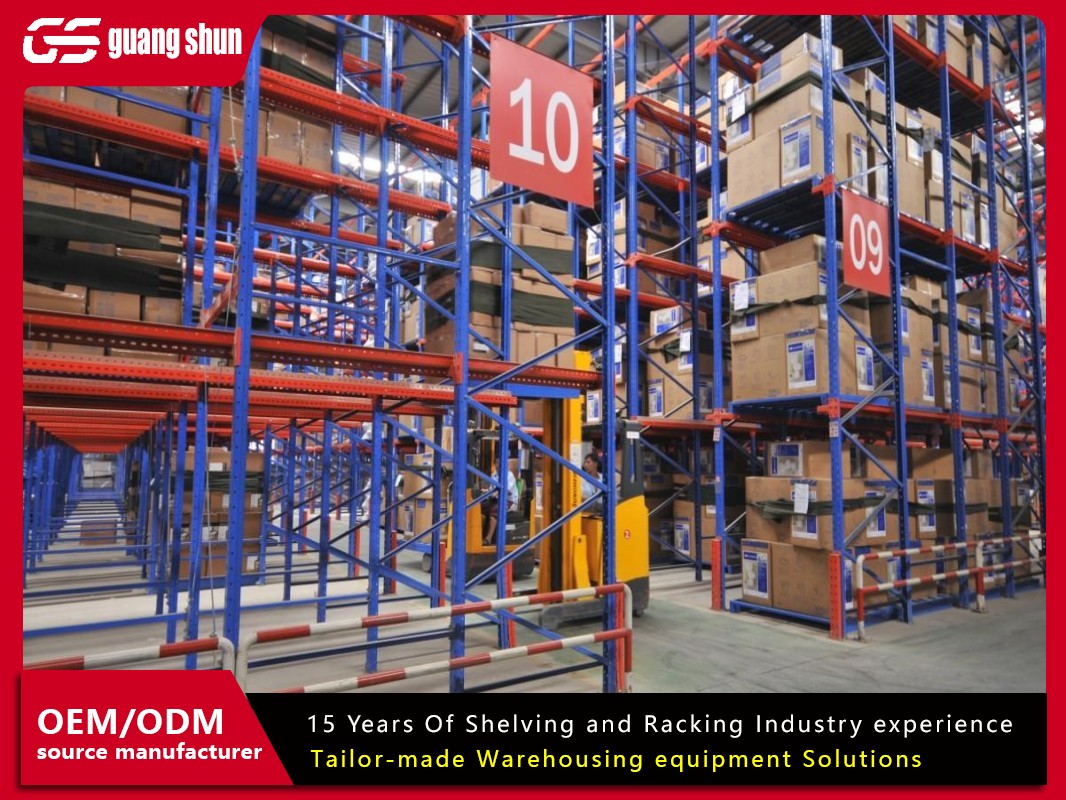
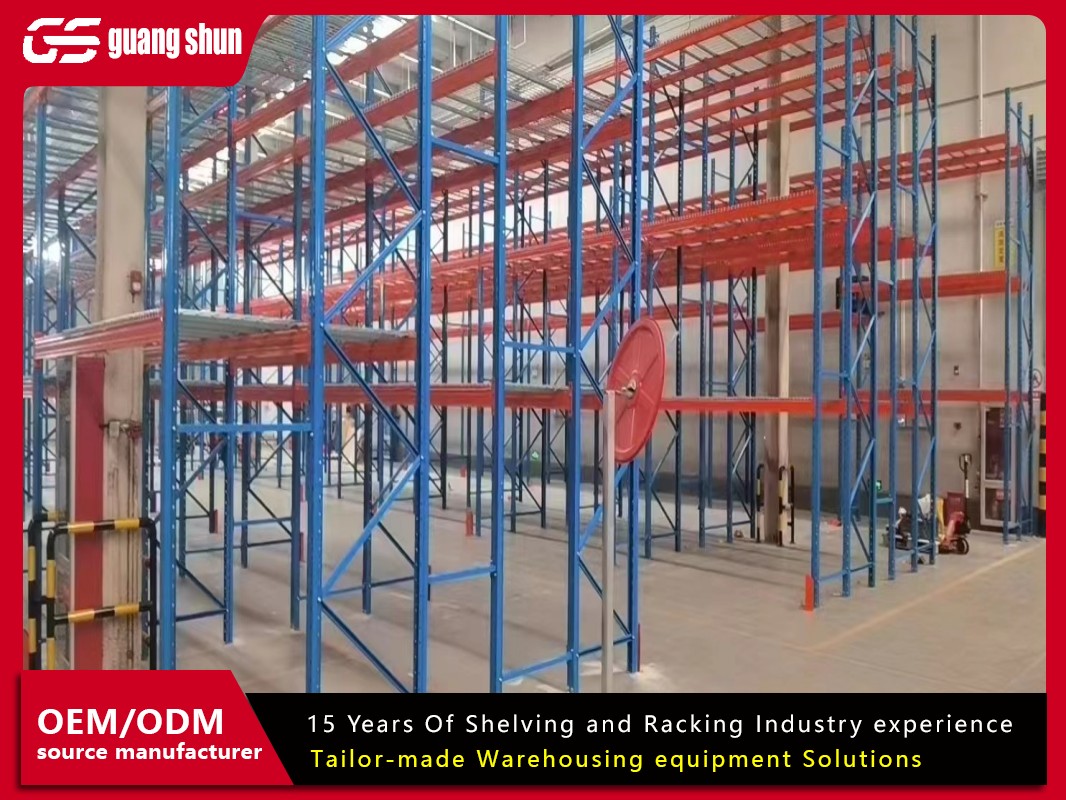
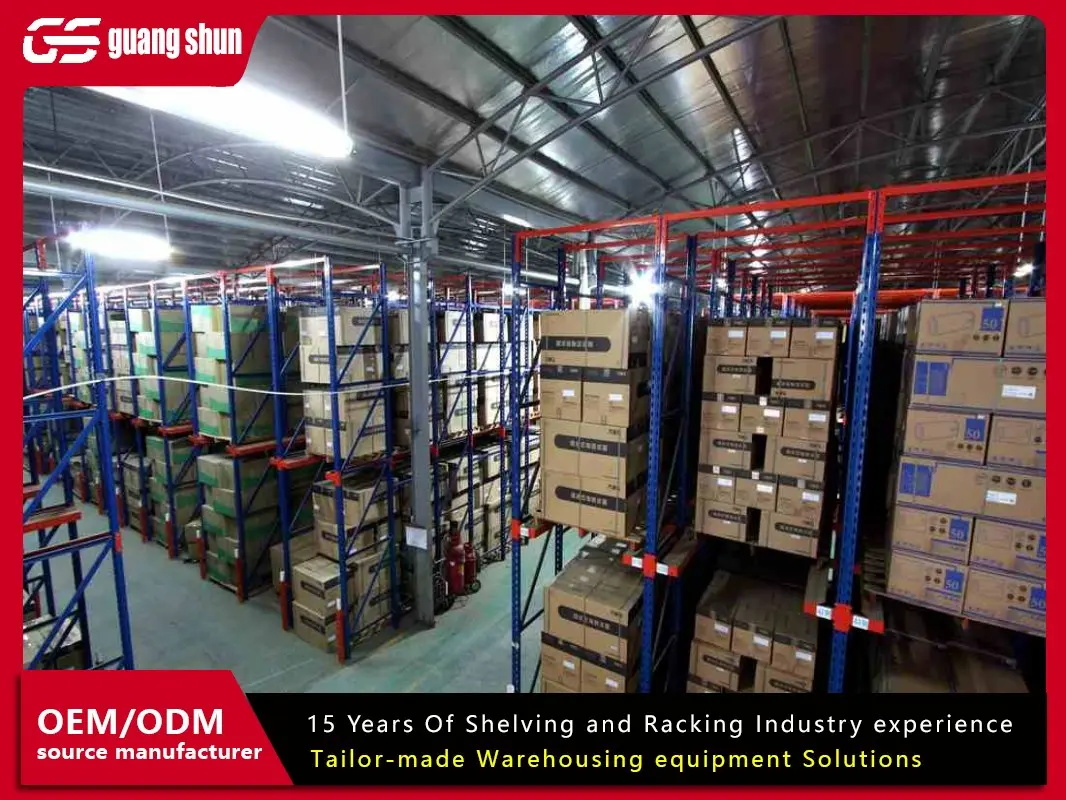
Finding the right storage solution can be a headache. You might have a messy garage, a cluttered stockroom, or a small warehouse area that needs organizing. You don't always need a massive, connected system that runs the length of a football field. Sometimes, the best solution is a standalone unit. This is where single bay racking becomes the hero of your storage story.
Single bay racking is a versatile, standalone storage unit designed to hold heavy loads without needing to be attached to other shelves. Unlike extension bays, which share uprights with a neighbor, a single bay racking unit is complete on its own. It is the fundamental building block of industrial storage.
In this article, we will break down everything you need to know about these units. We will look at why they are essential, how to choose the right one, and how to set them up safely. Whether you are storing car parts, archive boxes, or heavy tools, single bay racking is likely the answer you are looking for.
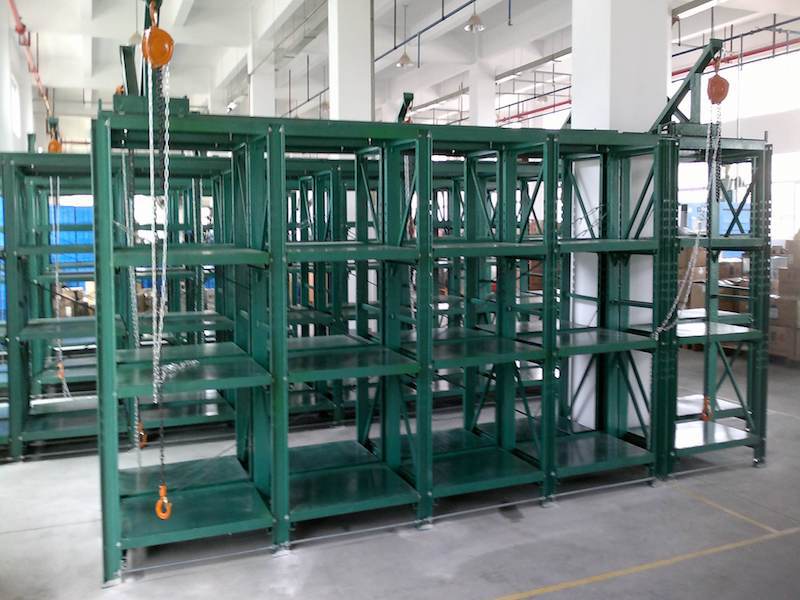
To make the right purchase, you have to understand what single bay racking actually is. In the world of shelving, you usually have two types of bays: the starter bay and the extension bay. A single bay racking unit is essentially a starter bay that stands alone.
It comes with two frames (or four upright posts) and a set of beams or shelves. This allows it to be fully self-supporting. If you buy an add-on bay, it only comes with one frame because it relies on the previous unit for support. That is why single bay racking is more flexible. You can place it anywhere.
You can move a single bay racking unit from one corner of the room to another without dismantling an entire row. This flexibility makes single bay racking a favorite for businesses that change their layout frequently. It is also the go-to choice for homeowners who want industrial-strength storage in a residential setting.
There are specific scenarios where single bay racking is superior to a continuous run of shelving. The primary benefit is independence. A continuous run saves money on uprights, but it locks you into a specific configuration. Single bay racking gives you total freedom.
If you have a space with obstacles like pillars, doorways, or machinery, fitting a long run is impossible. Single bay racking fits into tight alcoves or gaps between workbenches. It allows you to maximize "dead space" that would otherwise be wasted.
Another reason to choose single bay racking is modular growth. You might not have the budget to outfit a whole warehouse today. Buying single bay racking allows you to build your storage infrastructure piece by piece. You can buy one unit now, and another next month. You are not forced to commit to a massive system all at once.
Not all single bay racking is built the same. Depending on what you need to store, you will find different designs.
Longspan Single Bay Racking: This is the most common type for hand-loaded goods. It is wider than standard shelving but not as bulky as pallet racking. Longspan single bay racking is perfect for large boxes, automotive parts, and retail stock.
Heavy Duty Pallet Racking: Yes, you can buy pallet racking as a single bay. This is usually for storing very heavy items on pallets. A single bay racking unit in this style is often used in workshops to hold heavy engines or equipment that needs to be lifted with a forklift.
Boltless Rivet Racking: This is a lighter version of single bay racking. It connects using a rivet and keyhole system. You often need just a rubber mallet to assemble it. It is excellent for archive storage and lighter garage items. Even though it is "lighter," a good boltless single bay racking unit can still hold significant weight.
When you order single bay racking, you should check that all components are included. Since it is a standalone unit, missing a piece means the whole thing won't stand up.
The Uprights: These are the vertical legs. A single bay racking unit requires four uprights (or two pre-assembled frames). The height of these determines how much vertical space you can use.
The Beams: These are the horizontal bars that connect the uprights. They bear the weight of your items. In single bay racking, the length of the beam dictates the width of your bay.
The Decking: This sits on top of the beams. Common options for single bay racking include chipboard, steel panels, or wire mesh. Chipboard is cost-effective for dry environments. Wire mesh is better if you have sprinkler systems, as water can pass through the single bay racking.
Setting up single bay racking is generally straightforward, but you need to follow a process to ensure it is square and safe.
First, assemble the end frames if they aren't pre-assembled. If you have a boltless single bay racking system, this involves tapping crossbars between the uprights. Make sure the feet are on level ground.
Next, connect the beams to the frames. It is crucial to set the bottom beam first to create a stable base for your single bay racking. Once the bottom beams are locked in, the unit will stand on its own.
Continue adding beams at your desired heights. One of the great features of single bay racking is adjustable levels. You can space them to fit your specific boxes. Finally, drop in the decking. Ensure the decking sits flush inside the beams of the single bay racking to prevent sliding.
Safety is critical when dealing with heavy storage. Because single bay racking stands alone, it does not have the sideways stability of a long, connected run.
It is highly recommended to anchor your single bay racking to the floor. Most industrial uprights have footplates with holes for floor bolts. If you load heavy items high up on a single bay racking unit that isn't bolted down, it could tip over if bumped.
Always check the load capacity. Each single bay racking unit has a "UDL" (Uniformly Distributed Load) rating. This assumes the weight is spread out. Do not put all your heavy items in the center of one shelf.
Also, place the heaviest items on the bottom shelves of the single bay racking. This lowers the center of gravity. A top-heavy single bay racking unit is a safety hazard.
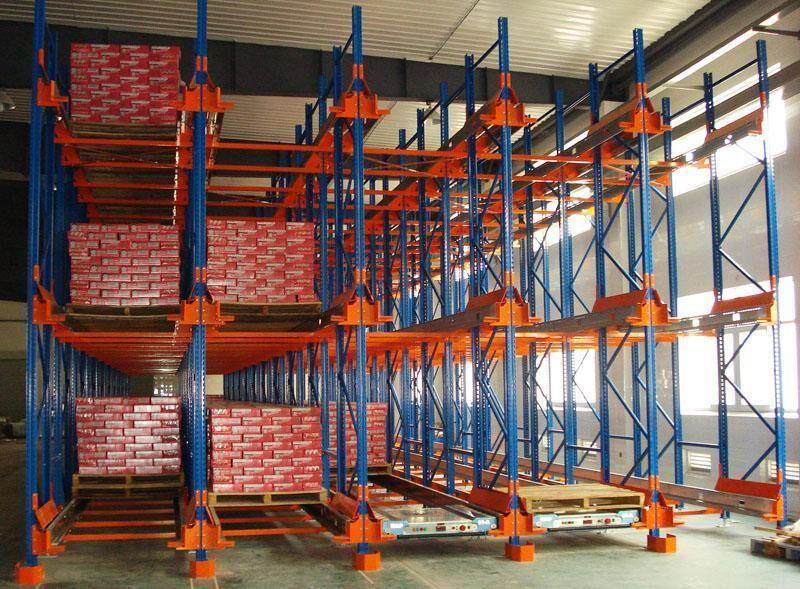
Size matters. Before buying single bay racking, measure your space twice. You need to account for depth, width, and height.
Depth: Standard depths range from 300mm to 1200mm. Deep single bay racking is great for big boxes, but if it is too deep, you might lose small items at the back.
Width: Consider what you are storing. If you store standard archive boxes, choose a single bay racking width that fits a specific number of boxes perfectly (e.g., three boxes wide) so you don't waste space.
Height: Go as high as you can to maximize vertical storage, but remember accessibility. If your single bay racking is 3 meters tall, do you have a ladder? If not, the top shelves are useless.
The durability of your single bay racking depends on the materials.
Steel: The frame is almost always steel. Look for powder-coated finishes. This prevents rust and keeps your single bay racking looking professional. Galvanized steel is better for cold rooms or outdoor areas.
Chipboard Shelves: These are standard for indoor, dry storage. They are strong and cheap. However, if your single bay racking is in a damp garage, the chipboard will swell and weaken over time.
Wire Mesh: This is great for visibility. You can see what is on the shelf above you. It also prevents dust buildup. Many fire codes require wire mesh on single bay racking so water from sprinklers can reach the floor.
Single bay racking isn't just for warehouses; it is widely used in retail. In a stockroom, space is tight. You might have a narrow corridor behind the shop floor.
Single bay racking fits perfectly in these tight back-of-house areas. It allows staff to organize inventory by category. One bay for shoes, one bay for shirts.
On the sales floor, industrial-style single bay racking is becoming trendy. Clothing stores use it to display folded jeans or heavy items. It gives a rugged, modern look. The strength of single bay racking means it can hold heavy merchandise that would crush standard plastic retail shelving.
For the home user, single bay racking is the ultimate garage upgrade. Most hardware store shelves are flimsy. They wobble when you put a toolbox on them.
Industrial-grade single bay racking changes the game. You can store winter tires, heavy power tools, and paint cans without worry. A single unit is often enough to clear the floor of an entire garage.
Because single bay racking is modular, you can set the shelf heights to fit your specific gear. Leave a large gap at the bottom for a lawnmower, and use tight spacing at the top for spray cans. This customization is why single bay racking is superior to fixed shelving.
If you treat it right, single bay racking will last for decades. Maintenance is simple.
Regularly inspect the beams. If a forklift or a car bumps the upright of your single bay racking, it can dent the metal. A dented upright loses its structural integrity.
Check the beam locks. These are the safety clips that stop the beams from being knocked out of place. On single bay racking, these are vital. If a clip is missing, replace it immediately.
Keep the decking clean. If you spill oil or chemicals on chipboard decking, it can degrade. Replacing the decking on a single bay racking unit is cheap and easy, so don't let a bad shelf ruin the whole unit.
You might notice that single bay racking costs more per unit than buying a long run. This is because you are paying for two frames for every bay. In a run of ten bays, you only need eleven frames. In ten separate single bay racking units, you need twenty frames.
However, the value lies in flexibility. The resale value of single bay racking is often higher. Used buyers often just want one bay, not a massive system.
Also, single bay racking saves you money on reorganization. You don't have to pay labor costs to dismantle a complex system just to move a shelf three feet to the left. You just slide the unit.
When buying single bay racking, avoid mixing brands. Not all racking is compatible. If you already have some parts, do not assume a new single bay racking kit will fit your old beams. The pitch of the holes might be different.
Do not underestimate the floor. Single bay racking exerts high point loads. If you put it on soft tarmac or thin wood flooring, the feet might sink. Use shims or load-spreading plates if the floor is suspect.
Lastly, don't ignore the wall. While single bay racking is freestanding, using wall ties to secure it to a masonry wall adds a massive layer of stability, especially for tall, narrow units.
If you value flexibility, strength, and ease of installation, single bay racking is a solid investment. It adapts to your changing needs. It fits where other shelves won't.
Whether you are equipping a professional distribution center or just trying to tidy up the shed, single bay racking offers a professional solution. It moves away from flimsy plastic storage and brings industrial reliability to your space.
Evaluate your space, determine your weight requirements, and choose a single bay racking unit that fits. It is the first step toward a more organized, efficient environment.
A1: They are essentially the same thing. A starter bay is a standalone unit with two end frames. "Single bay racking" is the term used when you intend to use that starter bay on its own, rather than adding extension bays to it later.
A2: Yes, absolutely. Since single bay racking consists of two frames, you can purchase "add-on" or "extension" bays later. You would simply attach the new beams to one side of your existing single bay racking frame, creating a continuous row.
A3: This varies greatly by model. A light-duty boltless unit might hold 200kg per shelf, while heavy-duty industrial single bay racking can hold over 1000kg per level. Always check the Uniformly Distributed Load (UDL) specification from the supplier before buying.
A4: Generally, no. Most modern single bay racking systems use a boltless or clip-in design. A rubber mallet is usually the only tool required to tap the beams into place securely. However, if you are bolting the unit to the floor, you will need a drill and a wrench.
A5: Standard single bay racking is usually powder-coated and meant for indoor use. If you put it outside, it will eventually rust. For outdoor storage, you must specifically look for galvanized single bay racking, which is treated to resist weather and corrosion.

 Wechat
Whatsapp
Wechat
Whatsapp